Reviewed · SUMO EXPERIENCES
Tokyo Sumo Wrestling Tournament Experience
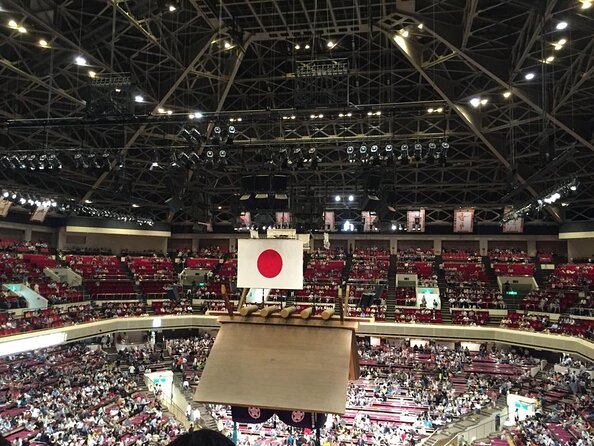
The best part of this experience is simple: you get to watch Japan’s top sumo wrestlers compete inside Ryogoku Kokugikan, the sport’s famous Tokyo arena. The afternoon includes the ceremonies, bouts, crowd noise, and close contests that make sumo far more gripping than its slow pace may suggest.
In This Article
- Key points before you book
- Why sumo is worth your afternoon
- Meeting near Ryogoku Station
- A quick walk to the Kokugikan
- The Sumo Museum, if the crowd allows
- Watching the tournament from your seat
- The crowd and the rhythm of a bout
- Adding the Japanese hot pot lunch
- Is $124 a fair price?
- Who will enjoy this most?
- Practical details that shape the day
- My verdict: book it if the dates line up
- FAQ
- Where does the Tokyo sumo experience take place?
- How long does the experience last?
- Where do I meet the guide?
- Does the price include a sumo ticket?
- Where are the chair seats located?
- Are first-floor box seats shared?
- Is lunch included?
- Can children join the experience?
- Can I bring a stroller or large luggage?
- Can I cancel for a refund?
I like the English-speaking guide, who explains the rules, rituals, wrestlers, and small details you would likely miss alone. I also like the reserved seat, since you can settle in for several hours without standing. Guides such as Yuko, Taka, Kenichi, and Maddie have been praised for their clear explanations and enthusiasm.
The main consideration is price. At $124, this is more than the face value printed on some sumo tickets, and your seat may be high on the second floor. You are paying for access during a highly sought-after tournament, a guide, and a smoother experience, not simply for a piece of paper that gets you through the door.
Key points before you book
- Three Tokyo tournaments each year: This is a seasonal opportunity, so dates matter. If your visit lines up with a tournament, sumo can be one of Tokyo’s most memorable cultural events.
- Ryogoku Kokugikan is the real setting: You watch inside Tokyo’s dedicated sumo arena, not at a stage show or tourist demonstration.
- Choose your seating carefully: Chair S, A, and B tickets are on the second floor. First-floor tickets are box seats, with a private seating area.
- The guide adds real value: Guides explain the history, rules, ceremonies, and wrestlers, helping first-time viewers follow the action.
- The optional hot pot lunch extends the experience: The lunch plan gives you a Japanese meal before the matches and more time to meet the guide and other members of the group.
- Plan for a firm afternoon schedule: The group leaves on time, and the event finishes at about 6 pm at Ryogoku Kokugikan.
Why sumo is worth your afternoon
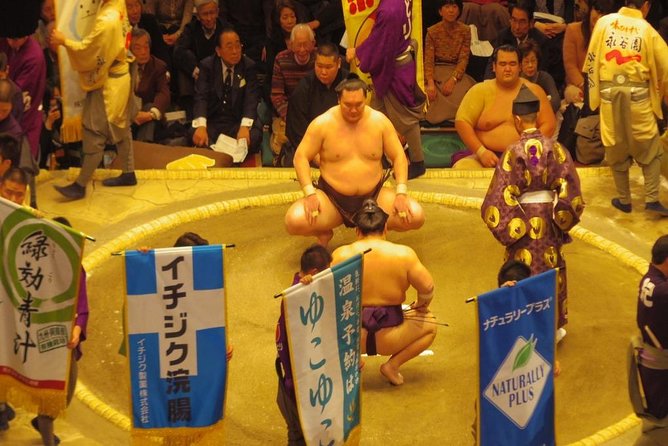
Sumo looks easy to understand: two large wrestlers enter a circular ring, and one tries to force the other out. The rules are more involved than that basic description, and the pre-bout rituals are part of the sport’s appeal.
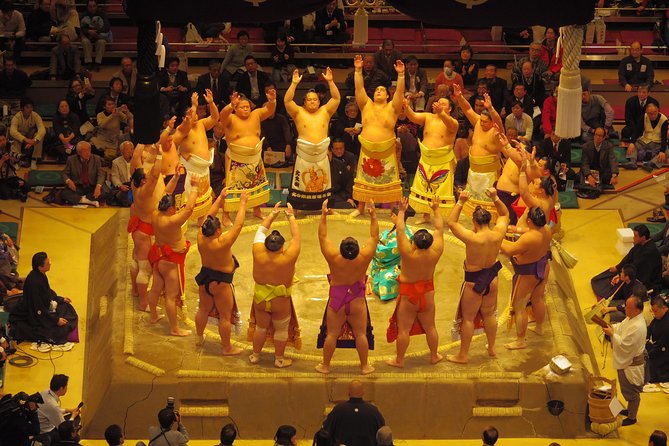
Before the wrestling begins, you may see wrestlers perform the traditional movements that prepare the ring and signal respect. The bout itself can last only seconds, yet the tension before the charge can stretch out. A match can turn in a flash when one wrestler loses balance or changes direction.
The sport grew from Japanese Shinto traditions and is said to reach back more than 1,500 years. You do not need prior knowledge to enjoy the tournament, but a guide gives the action a clearer shape. You learn what to watch for, why the wrestlers perform certain gestures, and how rank affects the day’s program.
I especially like the way this experience lets you watch the entire event rather than only a short exhibition. You can see the ceremony, the changing pace of the bouts, and the crowd’s growing energy as the higher-ranked wrestlers enter.
A few more Tokyo tours and experiences worth a look
Meeting near Ryogoku Station
The exact meeting point depends on the ticket you select.
For Chair S, A, and B seats, you meet at the west gate of JR Ryogoku Station. For the lunch plan, the meeting point is Ryogoku Hanano-mai Restaurant. For Chair C seats, you meet at Ryogoku River Center.
This detail matters. Ryogoku has several nearby gathering points, so read your booking information carefully and arrive early. The group leaves on time, and late arrival can be a real problem because the guide is handing out tickets and leading a small group of up to 15 people.
The guide provides your tournament ticket on the day. That setup is useful if you are worried about navigating a busy stadium or trying to collect a ticket on your own. It also means you should not expect to enter independently before meeting the group.
A quick walk to the Kokugikan
From the meeting area, the walk to Ryogoku Kokugikan takes about five minutes. The short route is convenient, especially if you have spent the morning sightseeing elsewhere in Tokyo.
Ryogoku is closely tied to sumo, so the setting begins before you enter the arena. If you arrive early, keep an eye out for wrestlers moving to and from the stadium. One person on the tour even had a brief photo opportunity with a wrestler leaving the venue, though you should treat that as a lucky possibility rather than part of the promised program.
The stadium itself gives the afternoon a sense of occasion. This is where the major Tokyo tournament action takes place, and seeing the wrestlers enter the building helps connect the modern event with the sport’s older customs.
The Sumo Museum, if the crowd allows
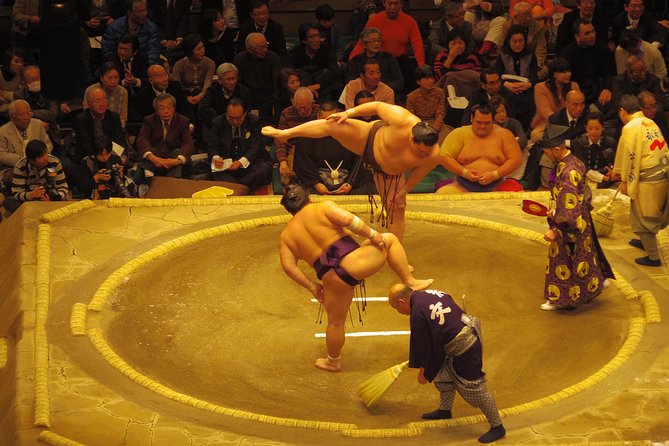
The itinerary includes a short visit to the Sumo Museum inside the stadium. The planned stop is only about five minutes, and it may be skipped if the entrance area is too crowded.
That limitation is worth knowing. The museum is a useful introduction to sumo’s art, objects, and traditions, but this is not a full museum tour. The main event is the tournament, and the guide may need to move the group along so everyone reaches the seats in time.
If the museum is open to your group, use the few minutes well. Listen to the guide’s explanation and focus on the items that help you understand the sport’s customs. Do not book this experience mainly for the museum. Book it for the live competition.
Watching the tournament from your seat
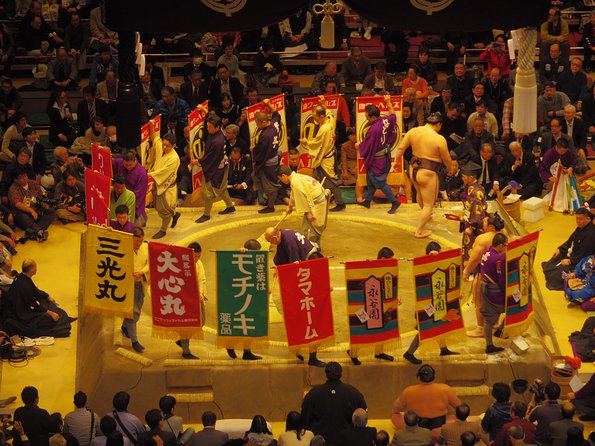
The tournament portion lasts about three hours, with the overall experience taking roughly three and a half hours. The scheduled finish is around 6 pm at Ryogoku Kokugikan.
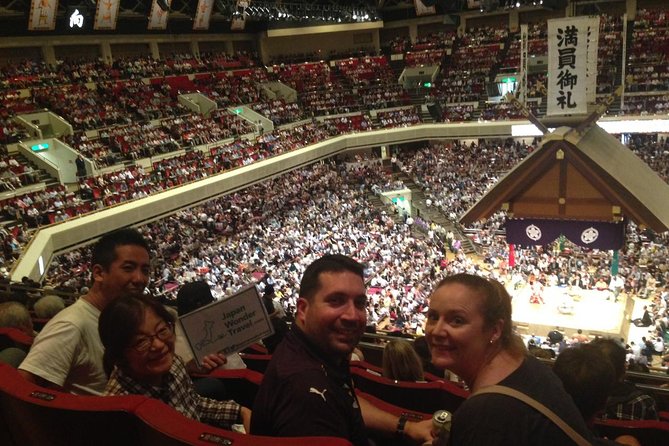
Chair seats are on the second floor. They give you a proper backrest and let you watch without standing, but some seats are high up. Bring binoculars if you want a closer look at the wrestlers or the details of the ceremonies. One useful piece of advice from the experience is to wear cool, comfortable clothing. You do not need to dress up.
First-floor seating is different. These are box seats, and each booking includes a private seating space rather than a shared box. Cushion seating without a backrest is also part of the seating options, so check what you are buying. In that style of seat, you remove your shoes, and the lack of a backrest may be uncomfortable during a long afternoon.
The guide may sit with or near the group and explain what is happening as the tournament moves along. That support is especially helpful if you cannot read Japanese or tell the wrestlers apart. Guides such as Kenichi and Yuko have been praised for explaining the sport’s history, rules, ranking system, and individual competitors. Maddie has been described as especially lively, even encouraging the group to pick favorite wrestlers and cheer.
This is where the extra cost can make sense. A less expensive ticket may get you into the building, but the guide helps turn a series of unfamiliar bouts into a story you can follow. You learn which wrestlers matter, what to watch for, and why the crowd reacts when momentum shifts.



The crowd and the rhythm of a bout
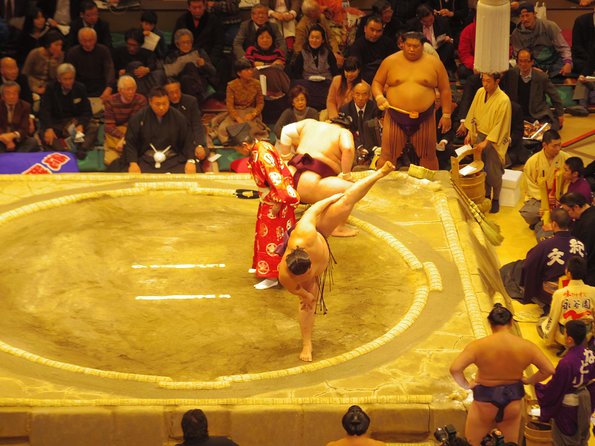
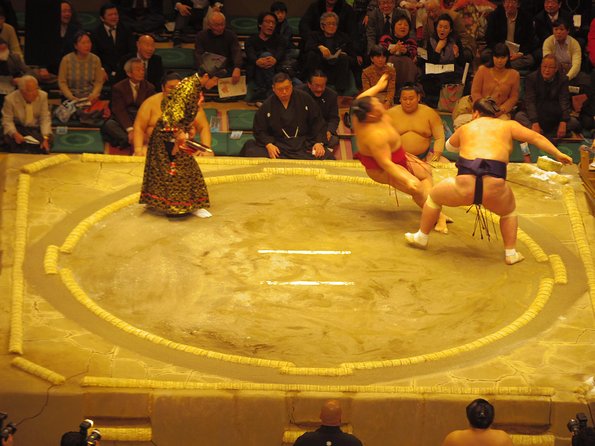
A sumo match is not a nonstop sporting contest. There are long pauses, formal movements, and preparation before the actual charge. That rhythm may surprise you if you expect continuous action.
Give it time. The ceremony creates suspense, and the short bouts can be remarkably intense. A wrestler may appear to have control, then lose position in a sudden push or twist. The crowd responds quickly, and the atmosphere grows stronger as the higher-ranked bouts approach.
You can also choose to leave before the scheduled end, but the full afternoon is the better choice if your schedule allows. The experience is designed around watching the tournament unfold, not dropping in for one match.
Adding the Japanese hot pot lunch
The lunch plan includes a Japanese hot pot meal before the tournament. It changes the meeting point to Ryogoku Hanano-mai Restaurant, so check that option before booking.
Lunch is useful for three reasons. It gives you a relaxed start, lets you meet the guide before entering the stadium, and makes the afternoon feel like a complete cultural outing rather than only a sports ticket. The meal also adds time for questions about sumo before the crowd and ceremonies take over.
You should report allergies and dietary restrictions when booking or soon after making the reservation. If you choose the standard option without lunch, the meal is not included, so plan to eat before the meeting or arrange food separately.
Is $124 a fair price?
The listed price is $124. That is not the cheapest way to see sumo, particularly if you compare it with the lower face values printed on some tickets. One unhappy customer paid far more through the booking platform than the ticket’s stated yen value, so price-conscious buyers should understand the difference between face value and the package price.
Still, a direct ticket comparison misses part of the calculation. Sumo tournaments can sell out, and this package includes a tournament ticket, an English-speaking local guide, and help getting seated. The higher price may be worthwhile if you have limited time in Tokyo, do not speak Japanese, or want help understanding what you are watching.
Value depends heavily on the seat. A second-floor Chair C or other high seat may feel less satisfying if you want a close view. A first-floor box seat offers a more distinctive setting, but cushion seating can be less comfortable because there is no backrest and shoes must come off.
I would compare the available seat category, not just the headline price. If your priority is simply entering the stadium, you may find a cheaper route if tickets are available. If your priority is getting into a busy tournament and understanding the sport, the guide and ticket coordination add practical value.
Who will enjoy this most?
This outing suits you if you want a distinctly Japanese experience rather than another general sightseeing stop. It is a good match for anyone curious about tradition, ritual, sport, or the social atmosphere of a major national event.
First-time sumo viewers benefit most from the guide. You can enjoy the spectacle without instruction, but the explanations make the ceremonies and matchups easier to follow. The tour also suits solo visitors and couples who would rather have the ticket and meeting process handled for them.
Families can participate. Children aged 3 and under enter free but do not receive their own seat, so they must sit on an adult’s lap. Children aged 4 and older need their own tickets. Strollers can be stored in a designated area but cannot be taken up to the seats.
You should think twice if you dislike long sporting events, need a close-up view, or are uncomfortable with floor-style seating. Also remember that large luggage cannot be brought to the seats.
Practical details that shape the day
The activity is near public transportation, and most people can participate. The start is in the early afternoon, with the tournament experience finishing at the stadium around 6 pm.
Bring your mobile ticket details and arrive before the meeting time. Since the guide distributes tickets on the day and the group leaves promptly, being late is more serious here than on a flexible walking tour.
The group size is capped at 15 people. That is small enough for questions and personal help, while still giving the afternoon a social feel. Several guides, including Taka, Yuko, Mia, Kenichi, and Maddie, have led groups, so the exact personality and style will depend on your date.
The cancellation policy is straightforward: cancel at least 24 hours before the local start time for a full refund. Within 24 hours, cancellations and changes are not accepted.
My verdict: book it if the dates line up
I would book this experience if you are in Tokyo during one of the three annual tournaments and want more than a bare stadium ticket. The wrestling is the main attraction, but the guide makes the customs, rankings, and ceremonies much easier to understand.
Choose the lunch plan if you like a slower start and want a Japanese hot pot meal included. Choose your seating with care, since a second-floor chair and a first-floor box offer very different experiences.
Skip it if $124 feels too high for a sporting event, or if you can confidently find and use a cheaper ticket on your own. For most first-time visitors, though, the combination of access, reserved seating, and clear explanations makes this one of Tokyo’s better chances to see a living Japanese tradition in its proper setting.
FAQ
Where does the Tokyo sumo experience take place?
It takes place at Ryogoku Kokugikan National Sumo Arena in Sumida City, Tokyo.
How long does the experience last?
The activity lasts approximately 3 hours and 30 minutes. The tournament viewing takes about three hours, and the scheduled finish is around 6 pm.
Where do I meet the guide?
The meeting point depends on your seating or lunch option. Chair S, A, and B participants meet at JR Ryogoku Station’s west gate. The lunch plan meets at Ryogoku Hanano-mai Restaurant. Chair C participants meet at Ryogoku River Center.
Does the price include a sumo ticket?
Yes. A tournament ticket is included, and the guide hands it to you on the tour date.
Where are the chair seats located?
Chair seats are on the second floor. First-floor seating consists of box seats.
Are first-floor box seats shared?
No. Guests choosing first-floor box seats have their own private seating space without sharing.
Is lunch included?
Lunch is included only if you select the lunch plan. The meal is a Japanese hot pot lunch.
Can children join the experience?
Yes. Children aged 3 and under can enter free, but they do not have their own seat and must sit on an adult’s lap. Children aged 4 and older need their own tickets.
Can I bring a stroller or large luggage?
Strollers can be stored at the stadium but cannot be taken up to the seats. Large luggage cannot be brought into the seating area.
Can I cancel for a refund?
You can cancel at least 24 hours before the experience’s local start time for a full refund. Cancellations or changes made within 24 hours are not accepted.
More Sumo Experiences in Tokyo
More tours in Tokyo we've reviewed












Sumo Experiences, compared.
 ★ 4.8Tokyo: Sumo Show Experience with Chicken Hot Pot and a PhotoFrom $1032 hours
 ★ 4.8Tokyo: Sumo Show and Dining ExperienceFrom $7990 minutes - 2 hours
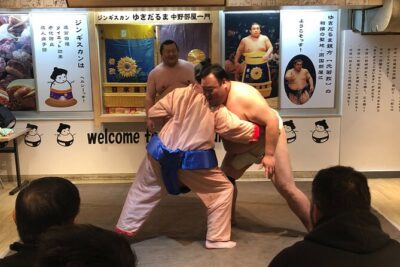 ★ 5.0the SUMO showFrom $89
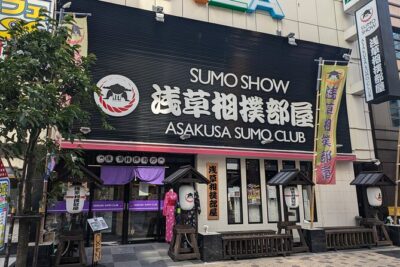 ★ 5.0Tokyo Sumo Entertainment Show with Chicken Hot Pot and PhotoFrom $106
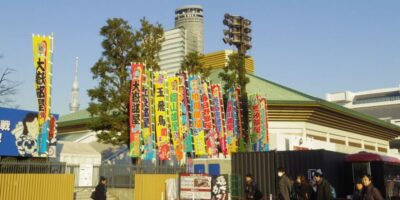 ★ 4.6Tokyo: Sumo Tournament Tour with Chair Seat TicketsFrom $141
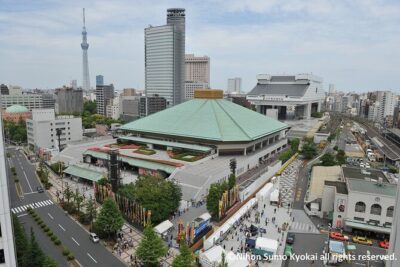 ★ 5.0Tokyo Grand Sumo Tournament Viewing Tour with TicketsFrom $124