Reviewed · ASAKUSA TOURS
Kimono Tea Ceremony at Tokyo, Asakusa Maikoya
The best part of this Asakusa experience is the combination of kimono dressing and hands-on matcha making. You are not simply watching a performance. Staff help you choose an outfit, arrange a simple hairstyle, and then guide you through the quiet steps of preparing tea in a formal room.
In This Article
- Key points to know before booking
- A Kimono Morning or Afternoon in Asakusa
- Choosing a Kimono and Getting Dressed
- Learning What the Tea Ceremony Means
- Whisking Your Own Matcha
- Photo Time Indoors and Around Senso-ji
- What the $55.81 Price Gets You
- Group Size, Families, and Comfort
- A Practical Plan for Your Visit
- Who Should Book This Asakusa Experience?
- Should You Book Maikoya Asakusa?
- FAQ
- Where does the kimono tea ceremony begin and end?
- How long does the experience last?
- What is included in the price?
- Can men and women participate?
- Are children allowed to attend?
- Can I take photos during the ceremony?
- Is transportation included?
I like the generous photo time and the chance, when permitted, to keep the kimono on after the ceremony for pictures near Senso-ji. I also like the clear cultural explanation, especially when hosts such as Iyume or Erika explain why the tools, gestures, and order of service matter. The main consideration is timing: dressing and photos can make this feel fuller than a simple one-hour class, and recording is limited during the ceremony.
Key points to know before booking
- The kimono is part of the lesson, not just a costume: Staff help you dress properly before the tea ceremony begins.
- You make your own bowl of matcha: The tea master demonstrates the process, then guides you as you whisk the tea.
- Photo opportunities continue after the lesson: Indoor decorations, garden areas, and nearby Asakusa sights provide useful backdrops.
- Morning and afternoon times are available: This makes it easy to fit around Senso-ji and other Tokyo plans.
- Simple hairstyling and snacks are included: These small extras make the session feel like a complete cultural outing.
- Tripods are not allowed: Photography must follow the tea master’s instructions, especially during the formal ritual.
A Kimono Morning or Afternoon in Asakusa
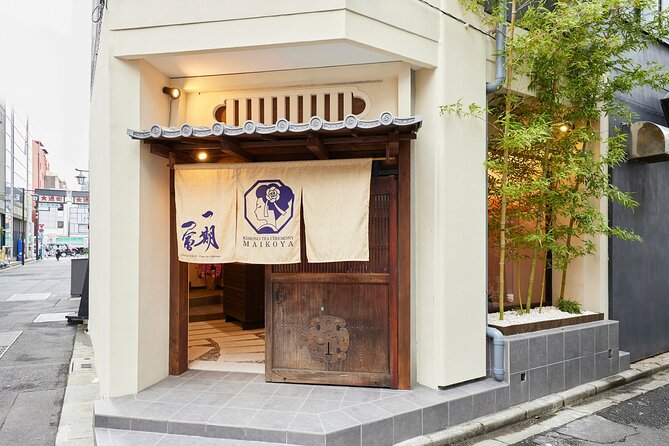
Maikoya Asakusa is at 1-chome-12-2 Asakusa, Taito City, Tokyo. The activity begins and ends there, near public transportation, and lasts about 90 minutes.
That location matters. Asakusa is one of Tokyo’s best areas for pairing a cultural activity with a walk. Senso-ji is nearby, and several people have used the surrounding streets and temple grounds for kimono photographs after the ceremony. You receive no hotel pickup or transportation, so plan to reach the meeting point on your own.
Allow a little extra time to find the entrance. The location can be easy to miss, especially if you are unfamiliar with the neighborhood. One practical approach is to arrive early, check the address carefully, and look for the venue signs. The posted information may not be visible until close to the session time.
The experience offers morning and afternoon appointments. An early slot leaves the rest of the day open for Senso-ji, Nakamise shopping street, or a wider Asakusa walk. An afternoon booking can work well after sightseeing, though you should check the kimono return arrangements before making evening plans.
A few more Asakusa tours and experiences worth a look

Choosing a Kimono and Getting Dressed
The session begins with the most visual part: selecting a kimono. Staff help you choose from the available designs and then dress you in the traditional layers. This is not a quick jacket rental. Proper dressing takes time, and the staff adjust the outfit so it looks neat for the ceremony and photographs.
A simple hairstyle is included if you want one. That option is especially useful if you are hoping for polished photographs and have arrived after a long day of sightseeing. The hairstyle is described as simple, so you should not expect a full salon appointment or an elaborate formal arrangement.
The dressing process is also where the experience becomes more personal. You can ask for help choosing a color and let the staff handle the complicated parts of tying and arranging the garment. Men and women can participate, and the activity works for solo visitors, couples, families, and mixed groups.
The main drawback is that you have less control over the schedule during this opening stage. If you are trying to squeeze the ceremony between several fixed reservations, remember that choosing a kimono, dressing, and hair styling all take part of the 90-minute visit.
Learning What the Tea Ceremony Means
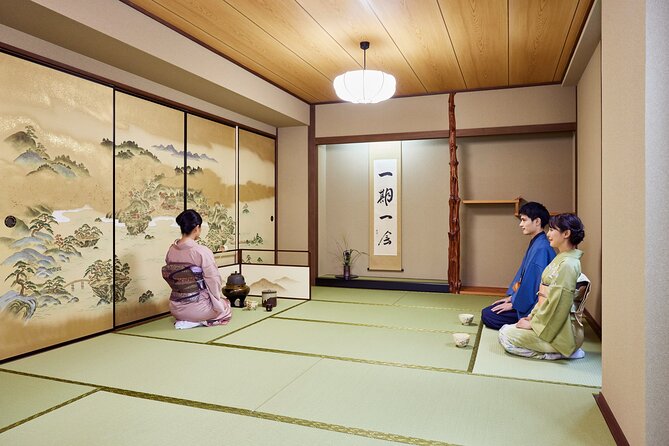
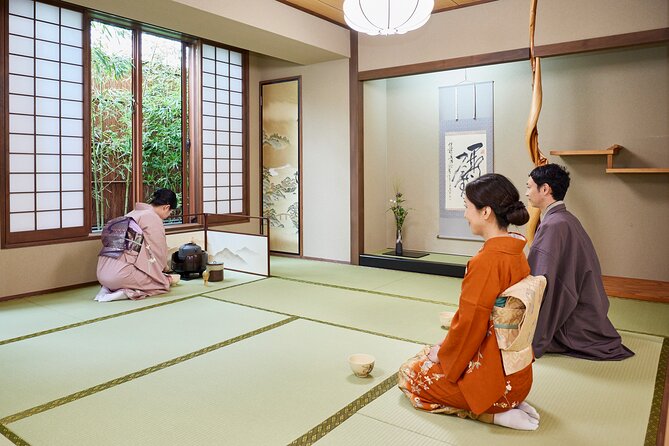
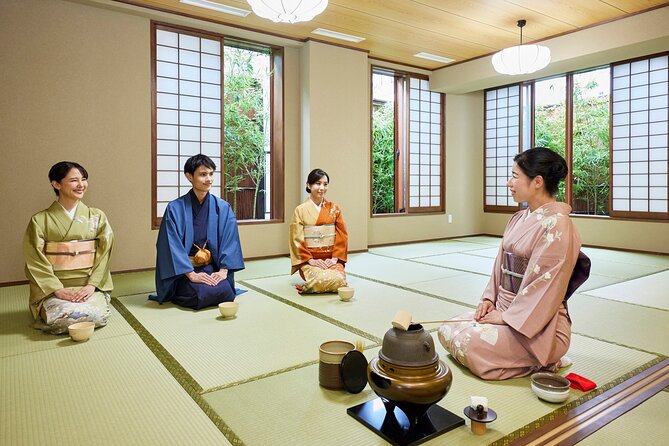
Once dressed, you enter the tea ceremony room. A professional tea master explains the background of the ritual and shows how the room, utensils, movements, and serving order fit together.
The teaching is an important reason to choose this experience over a simple kimono photo session. You learn proper tea etiquette and gain a basic understanding of the ideas behind the ceremony, including calm attention, careful movement, and hospitality. The guide also explains the history of the practice and points out details in the furnishings and art.
English-language guidance is available, and the hosts are described as warm, cheerful, and clear. Iyume and Erika are among the guides praised by name for explaining the ceremony with humor and keeping the session easy to follow. Guide quality can shape this type of activity, since a formal ritual can feel stiff if nobody explains what you are seeing.
You should expect a cultural introduction rather than a full academic course. The session gives you useful context and etiquette, then moves into practice. That balance suits most people who want an approachable first look at Japanese tea culture.
Whisking Your Own Matcha
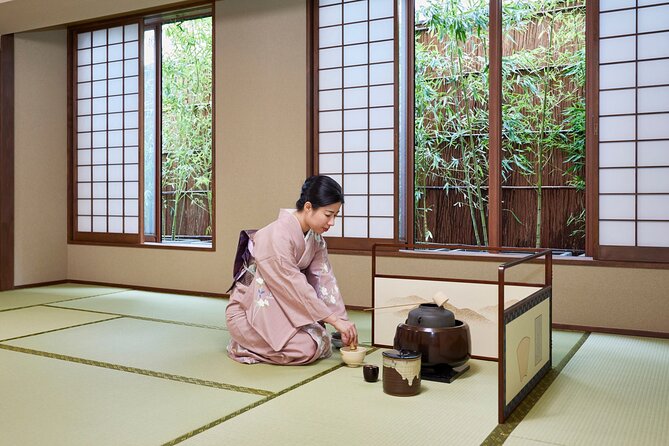
The central hands-on moment comes when you prepare your own bowl of matcha. First, you watch the tea master demonstrate the process. Then you follow the instructions, using the utensils provided to whisk the green tea.
This step gives the ceremony a practical focus. Instead of sitting through a demonstration and leaving with a few photographs, you get to perform the key action yourself. The guide controls the pace and shows you how to handle the tools, so you do not need previous experience.
The tea is traditionally prepared in a formal room, and the ceremony emphasizes careful gestures rather than speed. You may find the concentration refreshing after Tokyo’s crowded streets. At the same time, the setting is still designed for visitors, so you do not need to worry about making a perfect bowl on your first attempt.
Green tea and utensils are included, along with local snacks. The snacks are a modest but welcome addition, since traditional tea is often paired with something sweet or light. This is not a meal, so plan lunch or dinner separately.
Photo and video recording may be limited during the ritual. Follow the tea master’s instructions instead of trying to document every movement. Tripods are not allowed, and the rules are sensible: constant filming can distract from the ceremony and from the people sharing the room.
Photo Time Indoors and Around Senso-ji
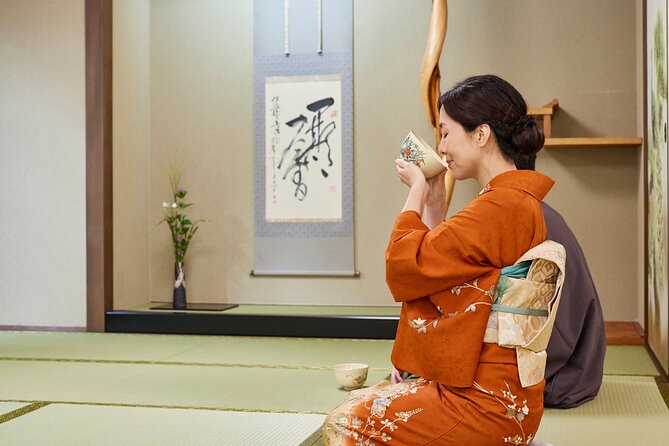
After the ceremony, there is time for photographs in the venue. The photo areas include Japanese-style decorations, umbrellas, and garden spaces, giving you more variety than a single plain backdrop.
Staff can help with the kimono and may assist with photographs, which is valuable for solo visitors. If you are traveling alone, you can still get pictures without having to depend entirely on a stranger or a phone balanced on furniture.
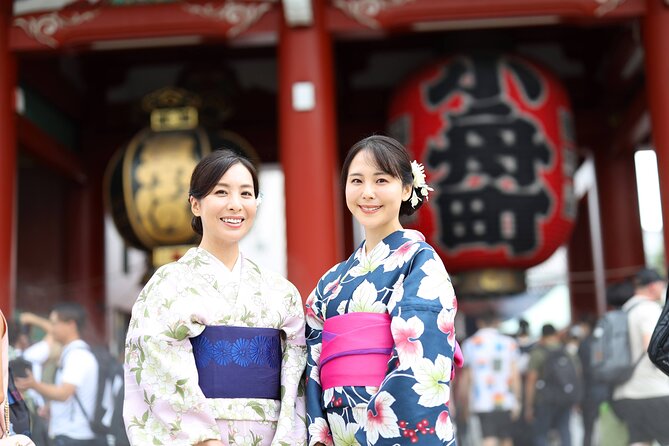
Some bookings also allow you to wear the kimono outside after the ceremony and return it before closing. Several people have used this extra time to walk toward a nearby shrine or Senso-ji and take pictures in Asakusa. Treat this as an opportunity that depends on the day’s arrangements and the venue’s instructions, not as an unlimited rental included in every booking description.
If you are allowed to keep the kimono longer, plan ahead. Wear comfortable shoes if possible, keep the walk manageable, and ask exactly when the outfit must be returned. The most useful benefit is not just more photographs. Walking through Asakusa dressed in a kimono changes how you notice the district, though you should remain respectful around temples and crowded public spaces.
The clothing also requires care. Avoid food, rain, and anything that could snag or stain the fabric. You are responsible for following the staff’s instructions about where you can go and when you must return.
A few more Asakusa tours and experiences worth a look


What the $55.81 Price Gets You
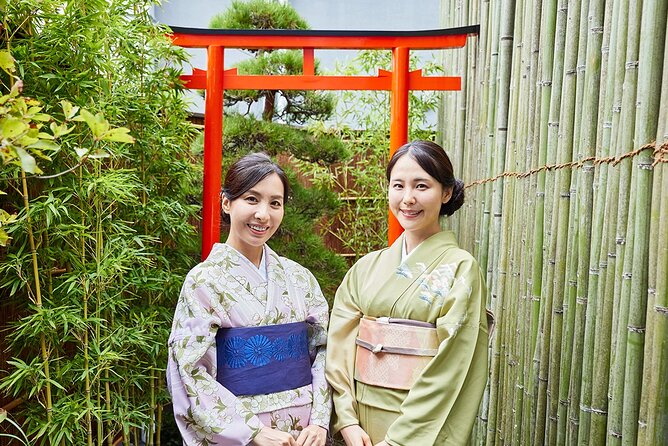
At about $55.81 per person, this is priced above a basic matcha lesson but below a full-day kimono rental or a private cultural program. The value comes from combining several services in one appointment: kimono dressing, simple hairstyling, tea instruction, matcha preparation, snacks, and photo time.
I consider the price reasonable if you want both the cultural lesson and the photographs. Booking separate kimono dressing and tea activities could take more time and require extra transportation. Here, the elements are arranged in one place near Senso-ji.
The value is weaker if you care only about drinking matcha or taking a quick costume photograph. In that case, a shorter tea or photo activity may suit you better. This experience earns its price through the complete sequence, from dressing to etiquette to making the tea yourself.
The very high 4.9 rating from 638 reviews and 99 percent recommendation figure suggest strong consistency, especially in staff care, explanations, and organization. I would still judge the activity by your own priorities. The atmosphere is formal for part of the session, photographs are restricted during the ritual, and the kimono extension outside is not something to assume without confirmation.
Group Size, Families, and Comfort
The booking information gives conflicting group guidance. One note says a maximum of three participants for the activity, while another says up to seven people can be reserved through Viator and that larger groups may include additional participants. The supplied experiences also describe groups of eight attending by splitting into time slots.
For a small party, ask the provider how your reservation will be grouped. A smaller session should make it easier to hear the guide, choose a kimono, and take photographs without waiting. Larger parties may have more energy but can create more interruptions and less personal attention.
Children under 7 cannot enter the tea ceremony venue. Another note says children under 6 are not permitted, so the safest practical rule is to book only for children aged 7 or older unless Maikoya confirms otherwise.
The activity can work well for families with teenagers. It suits people who enjoy dressing up but also want an explanation of the culture behind what they are doing. It is not limited to women. Men can wear a kimono and take part in the matcha lesson, and the experience has worked for solo participants as well.
The room may offer special chairs and tables for people who find kneeling or sitting directly on tatami difficult. That is a useful comfort feature, but you should still contact the provider before booking if you have specific mobility needs. The activity includes dressing and a formal-room session, so clear communication is wise.
A Practical Plan for Your Visit
Bring your mobile ticket and arrive with enough time to locate the venue. Since transportation is not included, you are responsible for getting to the Asakusa meeting point and returning to your hotel afterward.
Wear clothing that can fit comfortably beneath a kimono. Avoid bulky layers and anything you would not want compressed around the waist. Ask the staff about footwear and the return time if you plan to walk outside afterward.
Keep your camera or phone ready for the designated photo periods, but put it away when the tea master asks. A tripod is not permitted, and the ceremony may limit recording. You will get better pictures by paying attention to the staff’s directions than by trying to film continuously.
You also need to decide how much of your day should revolve around the outfit. If the kimono can be worn outside until closing, build in time for Senso-ji and nearby streets. If you have a later reservation elsewhere, return directly to Maikoya rather than counting on extra walking time.
Free cancellation is available when you cancel at least 24 hours before the local start time. Cancellations or changes made later are not accepted for a refund, so check the time zone and appointment details carefully.
Who Should Book This Asakusa Experience?
I would choose this for a first visit to Tokyo, especially if you want a cultural activity that is easy to understand and produces good photographs. It works particularly well for couples, families with older children, solo visitors, and friends who want an activity with more substance than a costume rental.
It is also a good fit if you are curious about matcha but do not know the rules of a formal tea ceremony. The guide explains the meaning behind the actions, then lets you practice instead of expecting you to arrive with background knowledge.
You may want something else if you dislike dressing up, have very limited time, or want a private ceremony with no other participants. The experience has a visitor-friendly format, not the full quiet formality of a long traditional tea gathering.
Should You Book Maikoya Asakusa?
Book it if you want three things in one outing: a kimono, a clear introduction to Japanese tea etiquette, and photographs in the Asakusa area. The strongest features are the helpful dressing staff, the chance to whisk your own matcha, and the possibility of wearing the kimono outside before returning it.
Before paying, confirm your group size, the kimono return time, and the rules for outdoor photographs. Keep expectations realistic about the simple hairstyle, shared setting, and limits on filming.
At $55.81, this is a fair choice for a polished cultural activity near Senso-ji. It gives you a taste of ceremony without requiring a full day or specialist knowledge, and it leaves you with more than a souvenir photograph.
FAQ
Where does the kimono tea ceremony begin and end?
It begins and ends at Kimono Tea Ceremony MAIKOYA Asakusa, 1-chome-12-2 Asakusa, Taito City, Tokyo 111-0032, Japan.
How long does the experience last?
The activity lasts approximately 1 hour and 30 minutes.
What is included in the price?
The experience includes a kimono costume, simple hairstyling, green tea, tea utensils, and snacks.
Can men and women participate?
Yes. Both men and women can take part in the kimono dressing and tea ceremony.
Are children allowed to attend?
Children under 7 cannot enter the tea ceremony venue. The information also states that children under 6 are not permitted, so confirm eligibility with Maikoya for any child near the age limit.
Can I take photos during the ceremony?
Photography and video recording may be limited. You must follow the tea master’s instructions, and tripods are not allowed.
Is transportation included?
No. Hotel pickup, hotel drop-off, and transportation are not included. You must make your own way to the Asakusa meeting point.
More Tea Ceremony & Matcha in Asakusa
More Asakusa Tours in Asakusa

More tours in Asakusa we've reviewed


Asakusa Tours, compared.
 ★ 4.8Tokyo: Japanese Dance Cabaret Theater Asakusa-Kaguwa TicketFrom $492 hours
 ★ 4.7Tokyo: Meiji Shrine, Asakusa, Skytree Bus Tour and CruiseFrom $12210 hours
 ★ 4.9Tokyo: Roll and Authentic Sushi Making Class in AsakusaFrom $581h 40m
 ★ 4.8Tokyo: Asakusa Walking Tour with Sensoji Temple VisitFrom $222 hours
 ★ 5.0Tokyo Asakusa Rickshaw TourFrom $42
 ★ 4.5Tokyo Panoramic 1 Day: Meiji Shrine, Asakusa, Odaiba and SKYTREE®From $85