Reviewed · ASAKUSA TOURS
Tokyo Japanese Dance Cabaret Theater Asakusa-Kaguwa
The most unusual part of this Asakusa night out is the mix: lion dance, samurai swordplay, elegant costumes, and laser effects share one small stage. It is not a formal Kabuki performance. It is a lively cabaret built for visitors who want several Japanese performance styles in one sitting.
In This Article
- Key points to know before booking
- What the Asakusa-Kaguwa show is really like
- Entering the Asakusa venue
- Why arriving early makes a difference
- The included drink and separate food
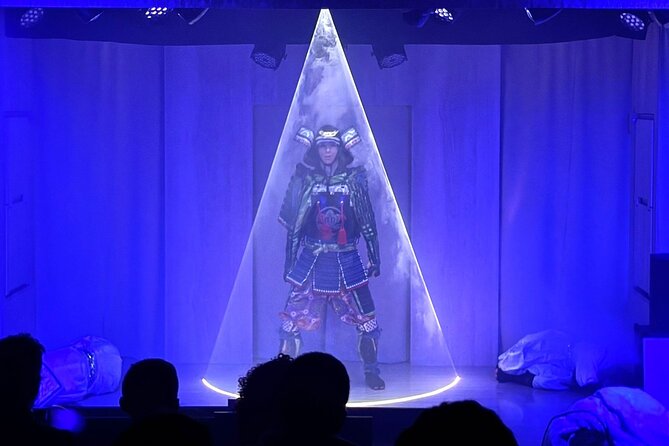
- The performance: dance, action, and light
- How traditional is the experience?
- The photo opportunity with the cast
- Assigned seating and group size
- Is the $50.87 price good value?
- Who will enjoy this most?
- Planning the rest of your Asakusa evening
- Should you book Asakusa-Kaguwa?
- FAQ
- How long does the Asakusa-Kaguwa experience last?
- What time are the performances?
- Is a drink included with the ticket?
- Can I buy food at the theater?
- Can children attend the show?
- Can I take photos with the performers?
- Are seats assigned?
- Is the venue accessible by elevator?
- What is the cancellation policy?
I like the included drink and the chance to meet performers such as Sakura, Nana, Asuka, Yusuke, Chiaki, Coco, and Rika for photos. I also like the compact one-hour format, which fits neatly into an evening of sightseeing, dinner, and shopping in Asakusa.
The main consideration is expectation. Some acts are polished and moving, while others feel more like intimate community theater than a major Tokyo production. If you want strict historical theater, this may feel loose. If you want color, energy, and audience contact, it is a good-value night.
Key points to know before booking
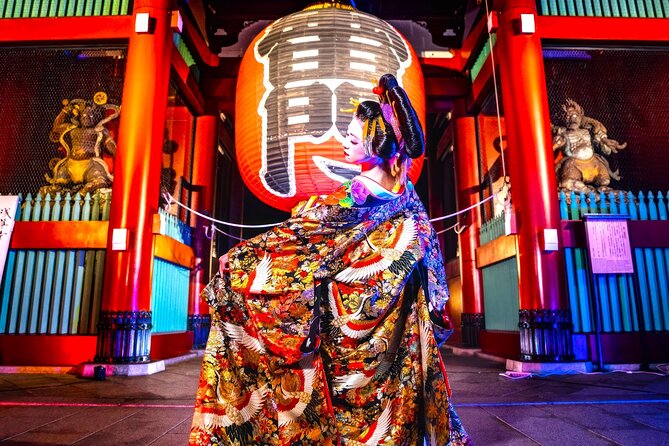
- A lively mix of old and new: Traditional dance, a lion dance, samurai swordplay, modern music, and laser effects appear in the same 60-minute show.
- Your drink is included: Choose from alcoholic and soft drinks. Alcohol is served only to people aged 20 or older.
- Arrive before showtime: Doors open one hour before the performance, and arriving at least 30 minutes early helps with check-in and photo opportunities.
- Photos add to the evening: Performers may speak with you before and after the show, and kimono dressing is available for photos.
- The theater is intimate: Seats are assigned by reservation order, so booking early may help.
- Steep stairs matter: The venue has no elevator, so anyone with mobility concerns should contact staff for assistance.
What the Asakusa-Kaguwa show is really like
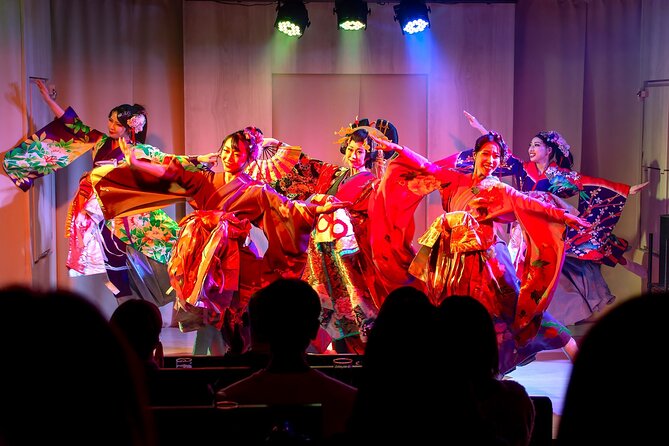
Asakusa-Kaguwa offers a 60-minute Japanese cultural dance show in a red-toned Japanese-style interior. The performance combines traditional imagery with contemporary music, theatrical staging, and strong visual effects.
You are not sitting through one long historical story. Instead, the show moves through several acts, some based on Japanese cultural forms and others presented with a more modern, playful style. A lion dance and samurai sword fight give the program a festival feel, while contemporary choreography and lighting push it toward cabaret.
That variety is the reason I would recommend it to first-time visitors who are curious about Japanese entertainment but do not have the time or background for a full traditional theater production. In one hour, you get a useful sample of movement, costume, music, stage combat, and spectacle.
At the same time, the format can feel random if you expect a single plot. One act may be emotional and graceful, followed by something campier or more theatrical. The show works best when you treat it as a sequence of visual performances rather than a traditional play with a detailed storyline.
A few more Asakusa tours and experiences worth a look


Entering the Asakusa venue
The theater sits at 1-chōme-12-10 Asakusa, in one of Tokyo’s most visited areas. This is a practical location for an evening plan because you can pair the show with Asakusa’s shops, restaurants, and famous temple district.
The venue is on a covered street, which is useful on a rainy evening. The location is near public transportation, though the entrance can be easy to miss if you are rushing. Give yourself time to find the building rather than arriving at the last minute.
Inside, the red-based decor sets the mood quickly. It is stylish and theatrical, but this is not a huge concert hall. The small setting helps you see and hear the performers clearly, and it gives the evening a personal feel.
The stairs are steep and there is no elevator. Staff can assist people who need help, but you should consider this before booking if stairs are difficult for you.
Why arriving early makes a difference
There are two evening showings:
- First showing: doors at 4:00 p.m., performance from 5:00 to 6:00 p.m.
- Second showing: doors at 7:00 p.m., performance from 8:00 to 9:00 p.m.
The show begins one hour after the doors open. You do not need to spend every minute at the theater, but arriving at least 30 minutes before the performance gives you time to check in, collect your drink, find your assigned seat, and settle down.
The early arrival also matters because the performers may come out before the show. You can speak with them, take pictures, and in some cases dress in a kimono for a photo. This audience interaction is one of the more personal parts of the experience, especially for families and first-time visitors to Japan.
If you arrive just before showtime, you may still see the performance, but you could miss some of the photo and costume opportunities. I would treat the doors-open time as part of the experience, not merely a waiting period.
The included drink and separate food
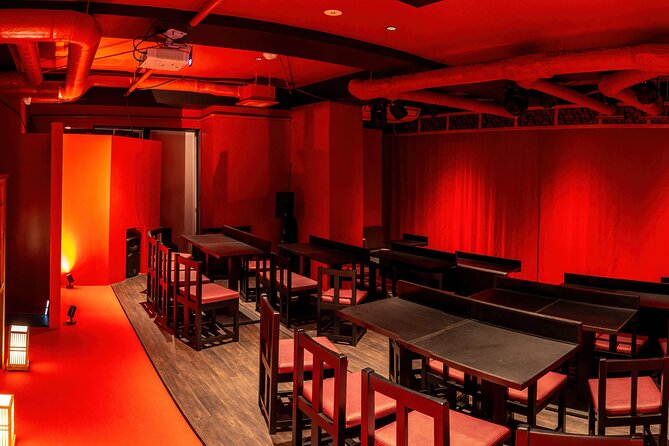
Your ticket includes one glass of an alcoholic or soft drink. Alcohol is available only to people over 20, in line with Japanese law. A practical tip from the evening is to choose beer if you want a stronger drink, since some mixed drinks may taste light.
Additional drinks and food cost extra. The restaurant serves simple Western-style choices such as pasta, pizza, fried chicken, and snacks. That makes the venue convenient if you want something to eat, but food is not the main reason to book this outing.
For a full dinner, you may prefer to eat before or after the show in Asakusa. For a light meal with entertainment, the food options are enough. Just remember that your included beverage is the only refreshment covered by the ticket.
The performance: dance, action, and light
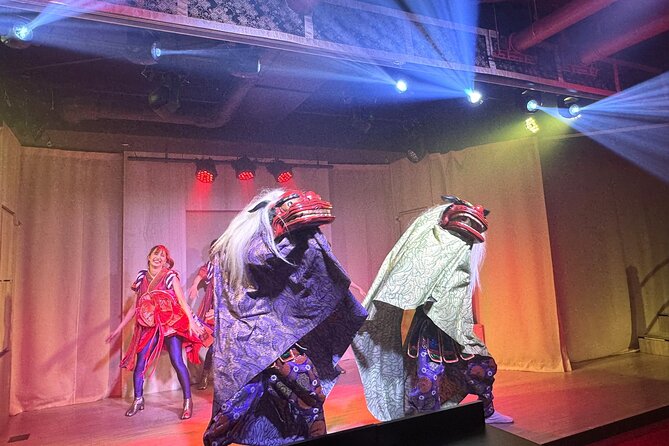
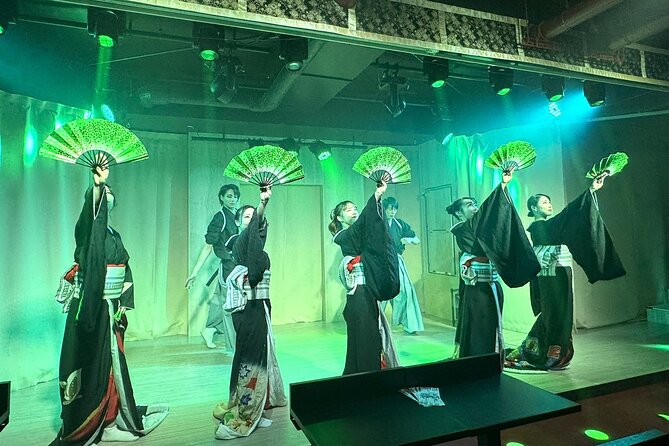
The program’s strongest feature is its range. You might move from graceful Japanese dance to a lion dance, then into samurai swordplay or a modern dance number backed by contemporary music.
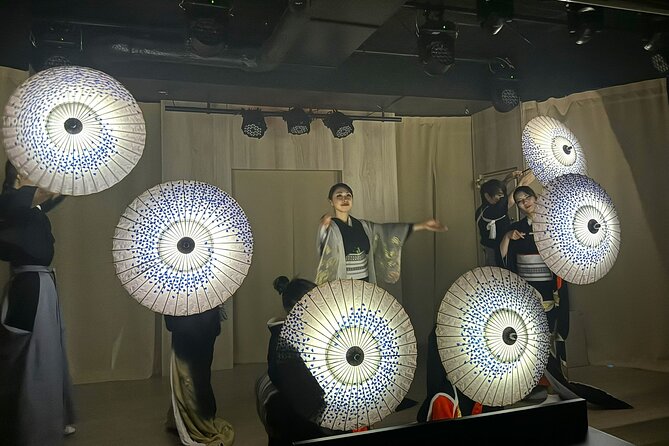
The costumes do a great deal of the storytelling. Even when the plot is not fully explained, changes in clothing, movement, and music help you understand the mood of each act. The lighting adds another layer, with laser effects forming one of the most memorable visual moments in the show.
The cast also brings plenty of energy to the small stage. Performers named in connection with the show include Nana, Asuka, Tenkumo Yuki, Yusuke, Chiaki, Coco, Rika, and Sakura. Cast members are involved with the audience before and after the performance, so the evening feels less distant than a standard theater production.
I would not book this expecting Broadway-level staging or formal Kabuki technique. One piece of feedback described the production as low-budget, with limited plot and uneven professionalism. That is a fair warning. The show’s value comes from the combination of dance, costumes, cultural references, and friendly contact, not from expensive scenery or a tightly developed script.
A few more Asakusa tours and experiences worth a look

How traditional is the experience?
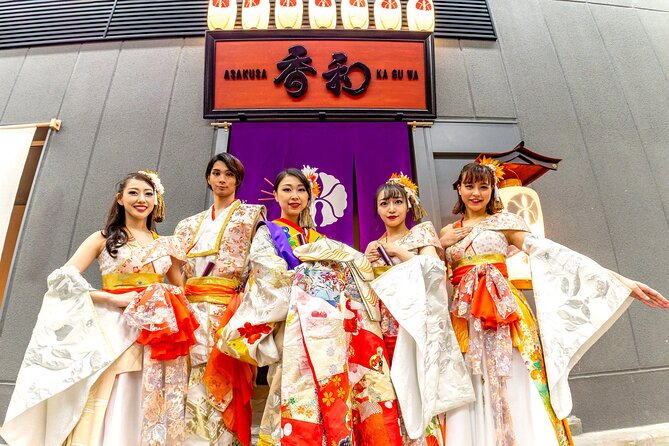
This is traditional Japanese entertainment filtered through a modern cabaret format. The lion dance and sword fight connect the show with festival and historical imagery, while the music, laser work, and playful presentation are clearly designed for a contemporary audience.
That balance can be a strength. You get something more accessible and fast-moving than a formal cultural performance. It is also easier to enjoy as a family activity because you do not need to understand Japanese language or theater customs to follow the broad mood of each act.
Still, the show does not always explain the cultural meaning behind every piece. One act includes an explanation of the dragon performance, but the program does not appear to offer a detailed guide to all the dances. I would enjoy it more if the theater provided a short handout explaining each section and its cultural connection.
If learning the background is important to you, plan to ask staff about the acts. If your priority is a fun evening with Japanese visual style, you can simply let the music, costumes, and movement carry the show.
The photo opportunity with the cast
The pre-show interaction is more than a quick group picture. Performers may chat with you, pose for photos, and help you dress in traditional Japanese clothing. This is especially appealing if you are visiting with children or teenagers.
Arrive early if the photos are important to you. The cast may be available before the performance, and you will have more time to take pictures without feeling rushed. You may also have a chance to photograph yourself with Sakura or other performers.
This is a good example of how Asakusa-Kaguwa differs from a distant stage show. The cast is part of the evening from the moment you enter, not only during the formal performance. Service also receives strong praise, with staff members such as Amelia described as patient and welcoming.
Tipping is encouraged at this venue, according to the information provided for the experience. If you want to thank a favorite performer, bring ¥1,000 notes. Tipping is not normally expected in Japan, so this is a special venue-specific practice rather than a general rule for the country.
Assigned seating and group size
Seats are assigned by the theater in reservation order. You cannot choose your exact seat during booking, so reserving earlier may help with placement, particularly if you are traveling as a family or small group.
The activity listing gives a maximum of six participants for the booking. That does not describe the full theater capacity, but it does indicate that an individual reservation is kept small.
The intimate room is part of the appeal. You can see the performers well, hear the music, and feel involved when the cast addresses the audience. The tradeoff is that a small venue may not provide the grand scale or elaborate stage machinery of a larger Tokyo theater.
Is the $50.87 price good value?
At $50.87 per person, the ticket is not the cheapest cultural activity in Tokyo. But it includes a 60-minute performance, one drink, audience interaction, and possible kimono photos. The package becomes more useful if you value an organized evening activity and want several types of entertainment without booking separate shows.
The price is easier to justify for families, couples, and first-time visitors who want something simple to arrange. The show lasts one hour, but the full visit is closer to two hours once you allow for arrival, the pre-show period, and the included drink.
The value is weaker if you are looking for a formal theater education or a highly polished professional production. In that case, the loose story structure and occasional low-budget feel may disappoint you.
For me, the strongest value comes from the variety. A single ticket gives you dance, costumes, action, light effects, music, and direct contact with the performers. You are paying for a complete evening atmosphere rather than just a seat for a stage performance.
Who will enjoy this most?
I would recommend Asakusa-Kaguwa to:
- Families with children who can manage the stairs
- Couples looking for an unusual evening activity
- First-time visitors who want an easy introduction to Japanese performance
- People who enjoy dance, theater, costumes, and live music
- Cruise passengers willing to make the trip from the port
- Visitors who prefer an intimate venue to a large formal theater
You may want to skip it if you specifically want Kabuki, Noh, or a historically strict presentation. The show borrows from traditional Japanese culture but mixes it with modern cabaret, action, and theatrical effects.
It is also not ideal for anyone who cannot use steep stairs unless staff can provide suitable assistance. The venue has no elevator, so check your comfort level before committing.
Planning the rest of your Asakusa evening
The performance ends at the same place where it begins. That makes it easy to continue your night in Asakusa, with nearby shops and restaurants available before or after the show.
The 5:00 p.m. performance leaves your later evening open for dinner and a walk through the district. The 8:00 p.m. performance works better if you want to spend the afternoon and early evening sightseeing first.
Since doors open an hour before each show, do not schedule another activity that ends across Tokyo immediately beforehand. The venue is near public transportation, but Tokyo transfers and crowded streets can still eat up time. I would plan to be in Asakusa well before the doors-open time.
A mobile ticket keeps the booking simple. Confirmation is provided at booking, and free cancellation is available if you cancel at least 24 hours before the start time. Within 24 hours, refunds are not available, and late changes are not accepted.
Should you book Asakusa-Kaguwa?
Book this show if you want a cheerful, colorful introduction to Japanese stage entertainment with a drink, photo opportunities, and a friendly cast. The 4.8 rating from 170 reviews and 95 percent recommendation rate fit the experience’s main strengths: energetic performers, beautiful costumes, strong audience contact, and a memorable mix of old and new.
Go in with the right expectations. This is not a formal Kabuki recital, and some sections may feel less polished or less connected than you expect. But for a one-hour performance in central Asakusa, it offers a lot: swordplay, lion dance, modern music, lighting effects, traditional clothing, and a chance to meet the people onstage.
I would especially choose it for a first Tokyo visit, a family evening, or a rainy night when you want something indoors and easy to pair with Asakusa sightseeing.
FAQ
How long does the Asakusa-Kaguwa experience last?
The listed duration is approximately two hours, including the arrival period and show. The traditional Japanese cultural dance performance itself lasts 60 minutes.
What time are the performances?
The first performance runs from 5:00 to 6:00 p.m., with doors opening at 4:00 p.m. The second runs from 8:00 to 9:00 p.m., with doors opening at 7:00 p.m.
Is a drink included with the ticket?
Yes. Your ticket includes one glass of an alcoholic or soft drink. Alcohol is served only to people aged 20 or older.
Can I buy food at the theater?
Yes. Simple meals and snacks are available separately, including pasta, pizza, fried chicken, and other snacks. Additional food and drinks are not included in the ticket price.
Can children attend the show?
Yes. The performance can be enjoyed by families and children.
Can I take photos with the performers?
Yes. You may have opportunities to speak with the performers and take photos before and after the show. Kimono dressing may also be available for photos.
Are seats assigned?
Yes. The theater assigns seats in reservation order.
Is the venue accessible by elevator?
No. The stairs to the venue are steep, and there is no elevator. Staff can assist people who need help, but you should consider this before booking.
What is the cancellation policy?
You can receive a full refund if you cancel at least 24 hours before the experience start time. Cancellations or changes made within 24 hours are not refundable.
More Shows & Performances in Asakusa
More Asakusa Tours in Asakusa



More tours in Asakusa we've reviewed








Asakusa Tours, compared.
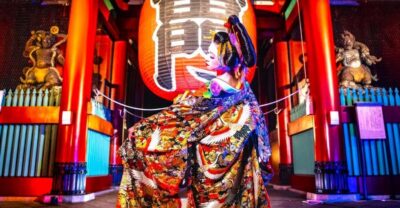 ★ 4.8Tokyo: Japanese Dance Cabaret Theater Asakusa-Kaguwa TicketFrom $492 hours
 ★ 4.7Tokyo: Meiji Shrine, Asakusa, Skytree Bus Tour and CruiseFrom $12210 hours
 ★ 4.9Tokyo: Roll and Authentic Sushi Making Class in AsakusaFrom $581h 40m
 ★ 4.8Tokyo: Asakusa Walking Tour with Sensoji Temple VisitFrom $222 hours
 ★ 5.0Tokyo Asakusa Rickshaw TourFrom $42
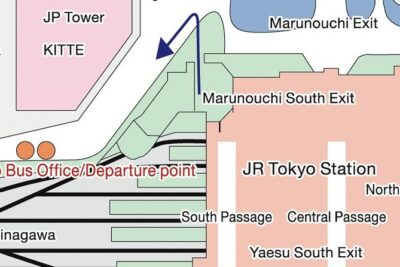 ★ 4.5Tokyo Panoramic 1 Day: Meiji Shrine, Asakusa, Odaiba and SKYTREE®From $85