Reviewed · SHIBUYA TOURS
Tokyo Shibuya & Harajuku Walking tour With A Guide
Shibuya Crossing is the hook, but the real value of this three-hour walk is how it connects Tokyo’s major sights with smaller shopping lanes and fashion districts. You move from Hachiko and Shibuya 109 to Cat Street, Ura-Hara, Takeshita Street, Omotesando, and Meiji Shrine.
In This Article
- Key points to know
- A useful first look at Shibuya and Harajuku
- Starting at Shibuya Station and crossing the city
- Shibuya 109 and the shopping streets
- From Cat Street to Ura-Hara
- Takeshita Street and Harajuku’s youth style
- Omotesando’s polished side
- A quiet turn toward Meiji Shrine
- The pace, group size, and guide experience
- What the $53 price buys you
- Who will get the most from this walk
- Practical details before you book
- Should you book it?
- FAQ
- How long does the Tokyo Shibuya and Harajuku walking tour last?
- Is this a private tour?
- What sights are included?
- Where does the tour start?
- Which languages can the guide speak?
- Is public transportation included?
- Are food and drinks included?
- Is the tour wheelchair accessible?
- Can I cancel for a full refund?
I like the private format, since your guide can adjust the pace and answer the questions that matter to you. I also like the useful local advice built into the walk, something several guests valued, including tips from guides such as Sergio and Teresa. The main drawback is that the tour may feel rushed, especially if you want detailed history at every stop.
Key points to know
- Shibuya Crossing and Hachiko: Start with two of Tokyo’s most recognizable sights, then see how the surrounding shopping streets work.
- Fashion from many angles: Shibuya 109, Ura-Hara, Takeshita Street, Cat Street, and Omotesando each show a different side of Tokyo style.
- A private three-hour walk: You get an exclusive guide rather than a shared group, with room for questions and possible adjustments.
- Meiji Shrine adds calm: The approach to the shrine gives you a quiet change of pace after the city streets.
- Good for first-time Tokyo visitors: The route helps you understand how Shibuya and Harajuku connect.
- Check the meeting details: The starting point can vary by booking option, with Dolce Shibuya and the Hashimoto Building listed as possible starts.
A useful first look at Shibuya and Harajuku

This tour works best as an introduction rather than a long history lesson. In three hours, you get a guided orientation to two of Tokyo’s most famous districts, with plenty of chances to pause for photos and ask where to go next.
The private setup matters. You are not following a large crowd or waiting for strangers at every corner. If you want help planning the rest of your Tokyo stay, you can ask about food, shopping, neighborhoods, or other things to do. That practical exchange may be more valuable than a long speech at each landmark.
The experience is priced at $53 per person. For a private guide, that is a reasonable rate if you are traveling with one or more companions and want a tailored introduction. A solo visitor pays more per person in practical terms, but still gets personal attention.
Food and drinks are not included. Transportation around Tokyo is also not included as a car service. The tour is built around walking, with public transport included where appropriate depending on the option you select, so wear comfortable shoes and confirm the exact arrangement before booking.
A few more Tokyo tours and experiences worth a look


Starting at Shibuya Station and crossing the city
Shibuya Station is an excellent place to begin because it drops you into one of Tokyo’s busiest transport and shopping centers. The exact meeting point can vary, and Dolce Shibuya and the Hashimoto Building are listed as possible starting locations.
Your first major stop is Shibuya Crossing. When the signals change, people move across the intersection from several directions, creating the famous organized rush. It is easy to photograph from the surrounding streets, though the guide can help you understand where the best views are and how the area fits together.
I like starting here because you immediately see Tokyo’s scale. Shibuya is not just a sightseeing stop. It is a working district filled with department stores, restaurants, offices, cinemas, and youth fashion.
Nearby, the Hachiko Statue offers a smaller and more human moment. The statue commemorates Hachiko, the dog associated with loyalty, and it has become a common meeting point. Your stop is listed as a photo and sightseeing visit, so expect an introduction and time for pictures rather than a long museum-style presentation.
Shibuya 109 and the shopping streets
Shibuya 109 is the clearest expression of the district’s fashion identity. The building is known for its many floors of trend-led clothing and accessories, particularly styles aimed at younger shoppers.
You may not have time to browse every floor during a guided walk. Instead, the guide can explain what makes the store important and point out how Shibuya’s style differs from Harajuku’s. That context helps if you plan to return later for shopping.
The route also includes Center Gai, a busy shopping street near the crossing. This is where Shibuya feels loud, bright, and quick-moving. You can see the commercial side of the district, with shops and entertainment venues packed close together.
For me, this contrast is one of the tour’s strengths. You see polished retail at Shibuya 109, street-level energy in Center Gai, and then more individual shops as you move toward Harajuku. A guide can make those changes easier to notice instead of leaving you with one broad impression of Shibuya.
From Cat Street to Ura-Hara
Cat Street links Shibuya and Harajuku and gives the walk a different mood. The route is known for independent boutiques, street art, and a more relaxed shopping feel than the large stores around Shibuya Crossing.
The tour uses this area to show how the two neighborhoods connect. That is useful because visitors often treat Shibuya and Harajuku as separate destinations, even though you can walk between them.
Ura-Hara, short for Ura-Harajuku, is another important stop. The area is associated with smaller shops and alternative fashion. Compared with the famous main streets, it can feel less obvious and more personal, though the exact shops you see will depend on the guide, timing, and current businesses.
This is where the private format earns its keep. You can ask your guide what is worth returning to, what is mainly for browsing, and how the local fashion scene differs from the bigger commercial areas. Several guests particularly valued guides who shared useful suggestions and pointed out places they might not have noticed alone.
Takeshita Street and Harajuku’s youth style

Takeshita Street is one of Harajuku’s best-known lanes. It is narrow, colorful, and lined with quirky boutiques, trend-focused shops, and street art. The street is closely tied to youth fashion, so it offers a sharp contrast with the polished designer stores on Omotesando.
Expect crowds and a lot to look at in a short distance. The stop is scheduled for about 20 minutes, which is enough for an introduction and photos, but not enough for a serious shopping session. If you see something you like, make a note of the location and return after the tour.
The guide can help explain the styles and subcultures associated with the area. That is more useful than simply being told to walk down the street and take pictures. One guest specifically felt the tour could have offered more depth on Japanese history, culture, and religion, so you should set your expectations correctly. You will get an overview of fashion and youth culture, not a university lecture on Japan.
Harajuku itself is included as a separate sightseeing area. The name covers more than Takeshita Street. It also includes the quieter back streets, cafes, boutiques, and the approach to Meiji Shrine.
Other walking tours we've reviewed in Tokyo



Omotesando’s polished side
Omotesando Avenue offers a very different version of Harajuku. The street is associated with upscale shopping, designer boutiques, and carefully designed buildings.
This stop helps explain why Harajuku can feel like several neighborhoods at once. Takeshita Street is playful and youth-oriented. Ura-Hara is more independent. Omotesando is refined and expensive.
The tour lists about 20 minutes here, so you should think of it as a guided walk and photo stop rather than a shopping visit. The value comes from comparison. You can see how Tokyo places very different retail cultures within a short walk.
If fashion and architecture interest you, this section may be one of the strongest parts of the route. If shopping is your main goal, you may want to return on your own after the guide finishes, since three hours is not enough for extended browsing.
A quiet turn toward Meiji Shrine

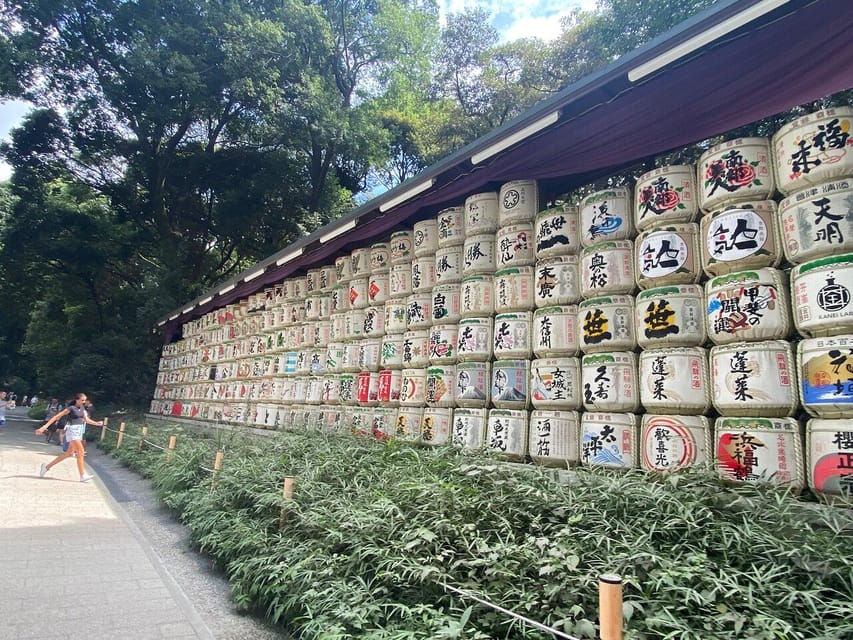
Meiji Shrine gives the walk a welcome change of pace. After the noise and signage of Shibuya and Harajuku, the approach to the shrine offers a more subdued setting.
The itinerary describes this as a brief detour, with roughly 20 minutes for a photo stop, visit, guided tour, and walk. That means you should not expect a full shrine visit with extended time for every custom or structure.
Still, the detour is valuable. It shows that Tokyo is not only shopping streets and giant screens. The city can shift quickly from intense urban activity to a place designed for quiet reflection.
If Japanese religion and culture are a major reason you want a guide, ask for more detail during this section. The tour can provide an introduction, but one three-hour walk cannot cover the full background of Meiji Shrine or Japanese religious traditions.
The pace, group size, and guide experience
The tour lasts three hours and is private and exclusive. No one else is added to your group, which gives you more control than a standard shared walking tour.
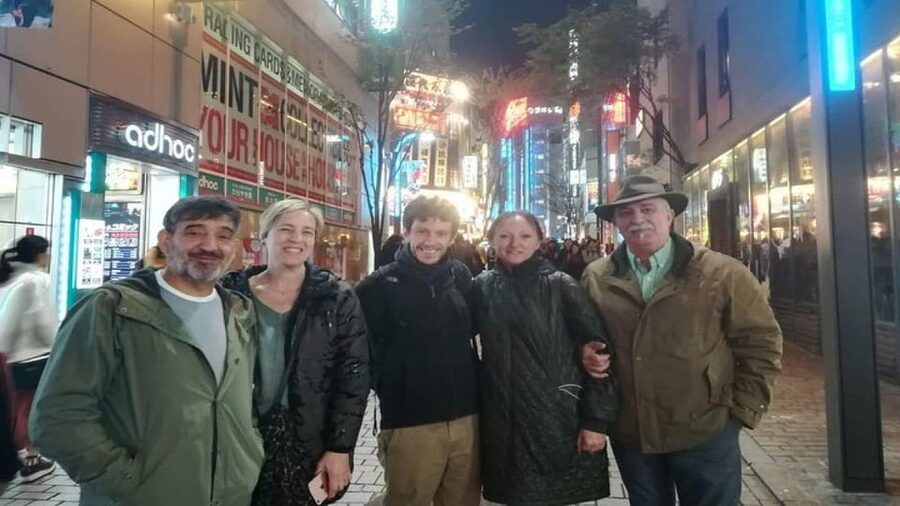
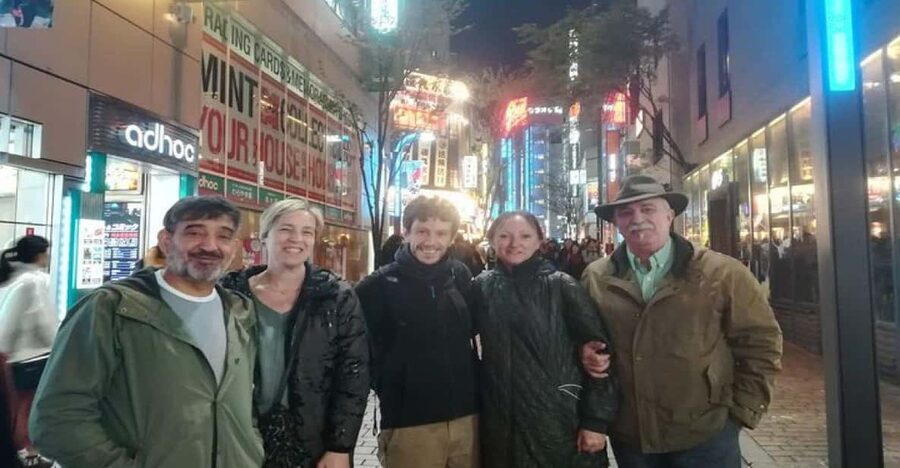
The guides speak English, French, Italian, Spanish, or Portuguese. Sergio is specifically named in the guest feedback, and Teresa Calzone led an evening walk that included discussion of fashion, architecture, youth culture, and a meal together. The meal was not part of the included package, so you should not assume dinner is provided, but the example shows that the experience can sometimes become more conversational and personal.
The strongest praise centers on guide attitude, clear local advice, and the ability to adjust to the people in the group. One guest appreciated a hotel pickup, though you should check your selected option rather than assume pickup is included.
A private guide can also change the feel of the route. You may spend less time at a stop that does not interest you and more time discussing a shop, neighborhood, or future plan. Customization is included, but the exact extent of changes will depend on the guide and the option you book.
The main concern is timing. The route names nine sightseeing stops, many with about 20 minutes each. Add the walking between neighborhoods and the tour moves quickly. One guest even suggested that two hours might be enough, while another wanted more depth. These opinions point to the same practical fact: the tour favors coverage and orientation over long visits.
What the $53 price buys you
At $53 per person, the tour is not the cheapest way to walk around Shibuya and Harajuku. You can see the streets without a guide, and most of the listed sights do not require an admission fee.
The price makes more sense if you value a private conversation and want help fitting the districts together. A good guide can save you time, explain what you are seeing, point out places to revisit, and offer advice for the rest of your stay.
It is also a fair option for families or small groups who would rather not join strangers. The larger your private party, the better the per-person value becomes.
You should not book it expecting meals, a private car, or a full academic treatment of Japanese culture. The fee covers the private guide, walking tour, customization, and public transport where included in the selected option. Food and drinks are extra, and local transportation around the city is not included as a general service.
Who will get the most from this walk
I would recommend this experience to first-time visitors who want to understand the relationship between Shibuya and Harajuku before exploring alone. It is also useful if you have limited time and want to see the major sights without planning every turn yourself.
The walk suits visitors interested in fashion, shopping, street scenes, youth culture, architecture, and a little shrine time. It is especially helpful if you want advice tailored to your interests rather than a fixed speech delivered to a large group.
Families and private groups should appreciate the flexible format. The tour is also wheelchair accessible, though you should still discuss your needs when booking because the route includes city streets and public transport depending on the option.
I would be more cautious if your main goal is detailed Japanese history, religion, or cultural study. One guest found the cultural explanation lighter than expected, and the schedule supports that assessment. You will get useful context, but the focus is the experience of the neighborhoods.
Practical details before you book
Check the meeting point carefully. The starting location may vary by option, and Dolce Shibuya and the Hashimoto Building are listed as possible starts.
The schedule also names Sannomiya Center Gai Shopping Street. Because that name may not match the rest of the Tokyo route, confirm with the provider that your booked version follows the Shibuya and Harajuku plan you expect.
Wear shoes suitable for three hours of walking. The tour includes several districts, street crossings, shopping areas, and a shrine approach. Bring money for food, drinks, and anything you want to buy, since those costs are not included.
The activity offers free cancellation up to 24 hours before departure and allows you to reserve now and pay later. Starting times vary, so check availability for the date of your visit.
Should you book it?
Book this tour if you want a private introduction to Shibuya and Harajuku, especially if local advice and fashion districts matter more to you than long historical explanations. The combination of Shibuya Crossing, Hachiko, Shibuya 109, Cat Street, Ura-Hara, Takeshita Street, Omotesando, and Meiji Shrine gives you a useful first map of the area.
Skip it if you prefer to wander alone, spend hours shopping, or study Japanese history in detail. At $53, the value rests on the guide, not on paid attractions. Choose it for the personal guidance, ask for the cultural detail you want, and confirm the meeting point and route before paying.
FAQ
How long does the Tokyo Shibuya and Harajuku walking tour last?
The tour lasts three hours.
Is this a private tour?
Yes. The tour is private and exclusive, with no other group members added to your booking.
What sights are included?
The route includes Meiji Shrine, Omotesando Street, Ura-Harajuku, Takeshita Street, Harajuku, Shibuya 109, Center Gai, the Hachiko Statue, and Shibuya Crossing.
Where does the tour start?
The meeting point can vary by booking option. Dolce Shibuya and the Hashimoto Building are listed as possible starting locations.
Which languages can the guide speak?
Guides are available in English, French, Italian, Spanish, and Portuguese.
Is public transportation included?
Walking and public transport are included except where the selected option states otherwise. Local transportation around the city is not included as a general car service.
Are food and drinks included?
No. Food and drinks are not included in the tour price.
Is the tour wheelchair accessible?
Yes, the activity is listed as wheelchair accessible.
Can I cancel for a full refund?
Yes. You can cancel up to 24 hours in advance for a full refund. The activity also allows you to reserve now and pay later.
More Guided Tours in Tokyo


More Walking Tours in Tokyo
More Shibuya Tours in Tokyo


More tours in Tokyo we've reviewed












Shibuya Tours, compared.
 ★ 5.0Official Street Go-Kart in ShibuyaFrom $76
 ★ 5.0Shibuya Meltdown Nightlife Tour: All-You-Can-Drink Bar HoppingFrom $106
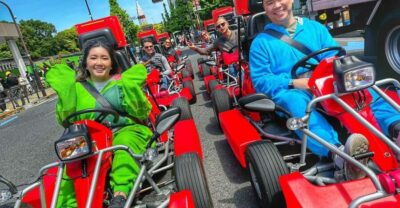 ★ 4.9Tokyo: Street Kart Experience in ShibuyaFrom $99
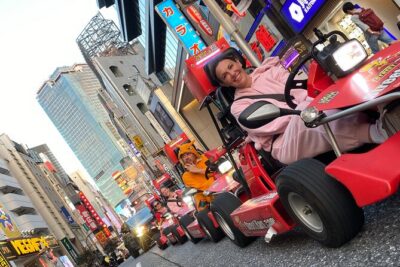 ★ 5.0Shibuya Official Street Go-Kart in Shibuya AnnexFrom $69
 ★ 5.0Tokyo: Shibuya Food Tour (13 dishes and 4 Eateries)From $77
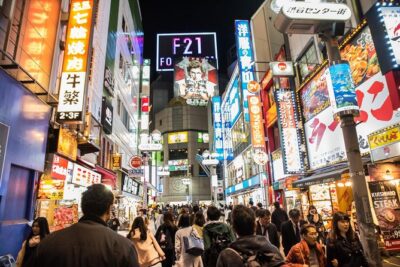 ★ 5.0Best of Shibuya Food TourFrom $217