Reviewed · WALKING TOURS
Tokyo Castle & Imperial PalaceーShogun Walking Tour
Edo Castle was once the largest castle in Japan. Today, much of it has vanished into modern Tokyo, but its moats, gates, stone walls, watchtowers, gardens, and foundations still reveal the scale of the old stronghold. This tour connects those quiet remains with the Imperial Palace and Japan’s long imperial tradition. The best part is learning to read what is still there.
In This Article
- Key points at a glance
- Why Edo Castle is the real star
- Meeting at Wadakura Fountain Park
- Sakurada Tatsumi Yagura: a five-minute introduction
- Ote-Mon Gate and the logic of controlled entry
- The Imperial Palace: from shogun’s headquarters to imperial residence
- Ninomaru Garden: the quiet turn in the walk
- Edo Castle ruins: imagining a vanished stronghold
- Imperial Palace East Gardens: the final twenty minutes
- How the guides shape the experience
- Price, pace, and practical value
- Who should book this Imperial Palace walk?
- Should you book it?
- FAQ
- How long does the Tokyo Castle and Imperial Palace Shogun Walking Tour last?
- Where does the tour begin?
- Is the tour available in Japanese?
- What places are visited?
- Is the tour accessible by wheelchair?
- Can I cancel or pay later?
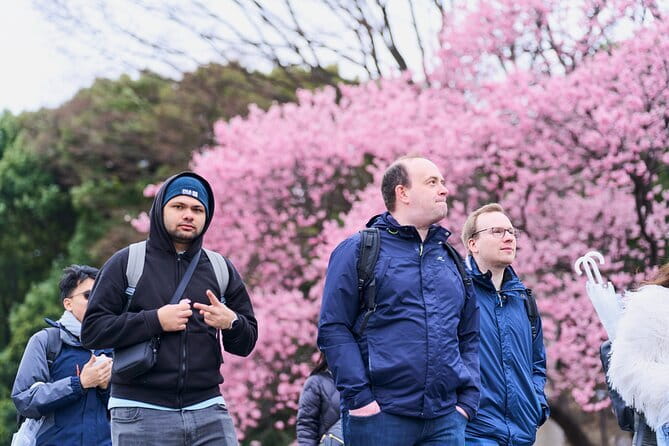
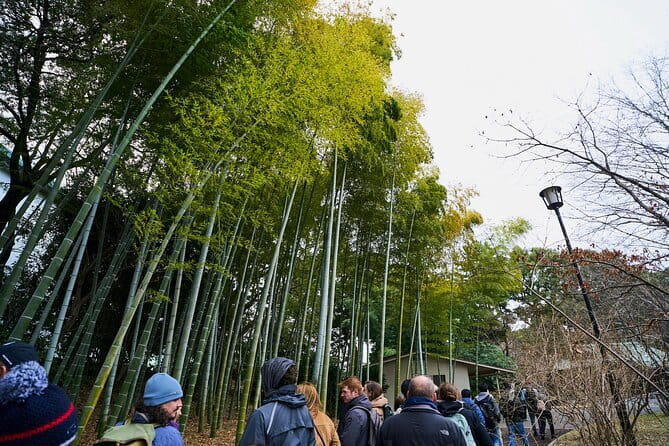
I like the small group of up to 10 people, which makes it easier to hear the guide and ask questions. I also like the mix of military history and peaceful garden scenery, from samurai defenses to koi ponds and carefully tended trees from across Japan.
The main consideration is that this is an outdoor walking tour, not an indoor palace visit. You will see the palace grounds and East Gardens, but access to private imperial interiors is not part of the experience. English is the only language offered, and some slopes require care.
Key points at a glance
- Edo Castle’s defenses: See moats, gates, stonework, and the Sakurada Tatsumi Yagura while learning why the castle was so difficult to attack.
- A compact English-speaking group: With no more than 10 participants, the walk feels personal without the cost of a private guide.
- Samurai and shogun context: Understand how Edo Castle helped support roughly 260 years of peace under the shogunate.
- Ninomaru Garden and koi ponds: Trade the hard edges of the castle for calm paths, seasonal plants, special koi, and trees gathered from around Japan.
- A bridge between past and present: The tour explains how Edo Castle became today’s Imperial Palace and how Japan’s imperial system has continued for about 2,600 years.
- Strong guide feedback: Anju, Fuma, Yuka, Tomo, Keiko, Kosei, and others are praised for clear explanations, friendly pacing, photos, and answers to questions.
Why Edo Castle is the real star
If you arrive expecting a grand castle tower, adjust your expectations. The central buildings of Edo Castle are gone, and this tour is about traces, not a fully reconstructed fortress.
That is also what makes the walk worthwhile. Edo Castle once covered a huge area, much of it now folded into central Tokyo. A moat may look like a stretch of water beside a garden path, but with the right explanation, you begin to see it as part of a layered defense system. A gate becomes more than a photogenic entrance. A stone wall shows planning, labor, status, and military purpose.
Your guide helps you make those connections. Several guides, including Xin Yan and K, have been especially praised for explaining how the defenses were layered and how the palace structures were built. Without that background, it is easy to stroll past a wall or tower and miss why it mattered.
The tour also gives you a useful way to understand Tokyo. Edo was not simply an old town replaced by a modern capital. The former castle grounds helped shape the city’s center, and the transition from shogun’s castle to imperial residence reflects major changes in Japanese government and society.
Other walking tours we've reviewed in Tokyo



Meeting at Wadakura Fountain Park
The meeting point is in front of Starbucks Coffee Kōkyo Gaien Wadakura Fountain Park Store, at 3-1 Kōkyo Gaien, Chiyoda City, Tokyo. Your guide holds a sign marked Local Guide Stars.
This is a practical starting point because the walk begins near the Imperial Palace’s outer grounds rather than sending you across Tokyo first. Still, give yourself time to locate the exact Starbucks and guide. The store name can look long when you are checking a map, so save the meeting point before leaving your hotel.
The tour returns to the same place after about two hours. That makes it easy to continue toward another central Tokyo sight, find lunch, or simply take a break after the walk.
The group limit of 10 matters here. Palace grounds can feel spacious, and a large group would make explanations harder to follow. With a smaller party, you can usually stay close enough to hear the stories and ask about details that catch your eye.
Sakurada Tatsumi Yagura: a five-minute introduction
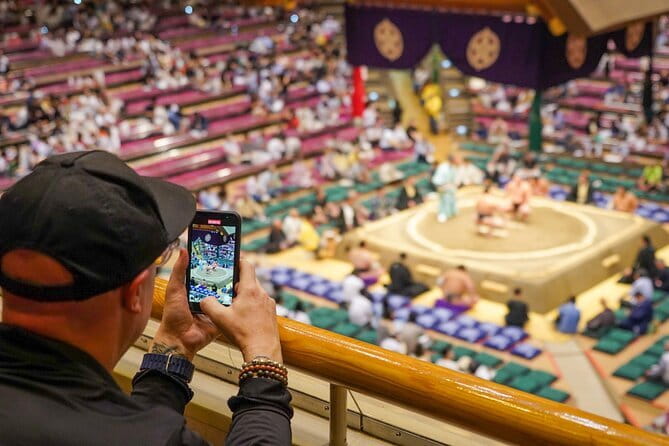
The first stop is Sakurada Tatsumi Yagura, a watchtower associated with the old castle defenses. The visit is brief, around five minutes, and works as an opening lesson in how the castle protected its inner areas.
This is primarily a photo stop, but the value lies in the guide’s explanation. The tower, walls, water, and surrounding space show how defense was not based on one building alone. Edo Castle relied on distance, barriers, controlled access, and carefully placed structures.
You will not spend a long time here, so think of it as a visual starting point rather than a full visit. The guide uses the surviving structure to set up the larger story before the group moves toward the main gate.
Ote-Mon Gate and the logic of controlled entry
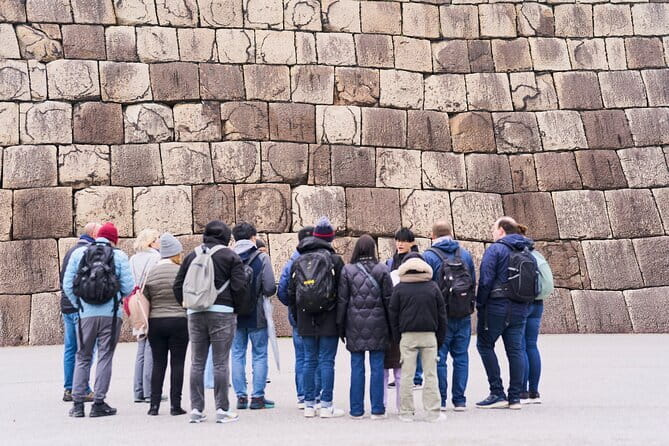
Ote-Mon Gate receives about 15 minutes. It was an important entrance to Edo Castle, and it gives you a clearer sense of how movement through the castle was managed.
A castle gate is easy to admire as architecture, but it was also a checkpoint. The route, walls, moat, and turns made entry slower and more controlled. Your guide can explain what these features meant for people approaching the shogun’s seat of power.
This is one of the tour’s most useful habits: it asks you to look at ordinary details with historical purpose. A wide stone base, a narrow approach, or a change in elevation can tell part of the story.
The gate area is also one of the better places for photographs. Bring a camera or phone, but keep the group moving when asked. The tour has several stops, and lingering too long at the first gate could leave you rushing later.
The Imperial Palace: from shogun’s headquarters to imperial residence
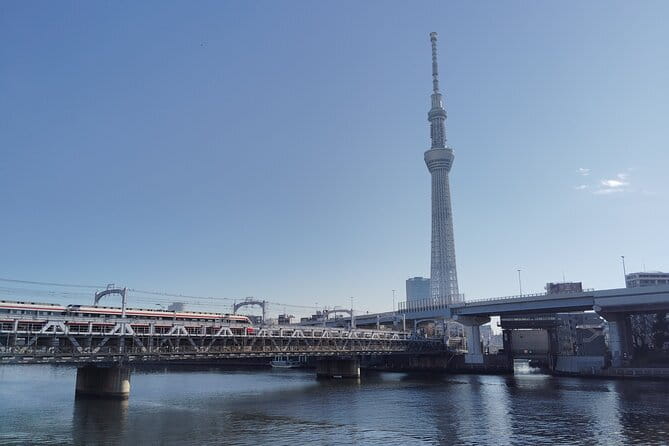
The walk then reaches the Tokyo Imperial Palace, with around 20 minutes devoted to the area. This is where the tour shifts from castle history to the continuing imperial institution.
Edo Castle was the seat of the shogun during the period when military rulers held political power. The palace now serves as the residence of Japan’s emperor. That change is not a small footnote. It reflects the end of the shogunate, the modernization of Japan, and the reshaping of political authority.
The tour presents Japan’s imperial system as a tradition that has continued for about 2,600 years. Your guide explains how that institution has survived through major changes, while also connecting the imperial family to the site you are walking through now.
You will see palace grounds rather than tour private rooms. That distinction matters. If you want grand interiors, throne rooms, or an extended palace building visit, this is not the right format. If you want to understand the grounds and the history attached to them, the stop gives you a strong framework.
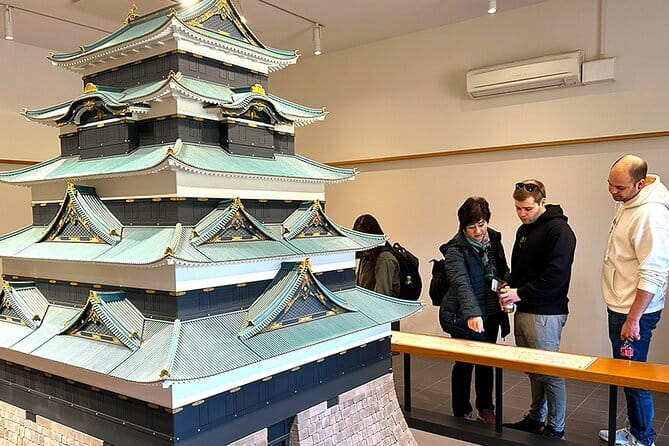
A miniature structure representing the former palace is included. This helps fill in the gaps left by the buildings that no longer exist. For many people, the model is one of the most useful visual aids on the walk because it lets you picture the former arrangement instead of relying only on spoken descriptions.






Ninomaru Garden: the quiet turn in the walk
Ninomaru Garden receives about 15 minutes and changes the mood completely. After gates, moats, and military planning, you enter a calmer setting with seasonal gardens, water, trees, and ornamental details.
This is a good reminder that Edo Castle was not only a fortress. It was also a place of ceremony, residence, administration, and carefully arranged beauty. The garden gives your guide room to discuss the cultural side of the shogun’s world, not just its military machinery.
The gardens are especially appealing during pleasant weather and seasonal changes. The exact appearance will depend on the day you visit, so do not expect the same colors or flowers in every month. Even without peak blooms, the layout, ponds, stonework, and trees provide a welcome pause.
Several guides are praised for pointing out features that are easy to pass without noticing. Fuma, Anju, and Keiko are among the names associated with clear explanations of the gardens and palace grounds. A guide can turn a simple pond or tree into part of the larger story rather than leaving it as background scenery.
Edo Castle ruins: imagining a vanished stronghold

The Edo Castle ruins portion lasts about 10 minutes. This is not a long archaeological visit, but it is an important stop because it makes the missing castle feel more real.
The surviving foundations and stonework show the size and strength of the former complex. Your guide explains how vast the castle was and why its defenses made it nearly impossible to take. The point is not to pretend the original buildings are still standing. The point is to use the remains as evidence.
This is where the tour suits people who enjoy historical reconstruction. You need to use your imagination, and the guide’s words do much of the work. If you prefer complete buildings with furnished rooms, you may find the ruins modest. If you enjoy fitting fragments together, the stop is rewarding.
The story of Edo Castle also helps explain the long period of peace associated with the samurai era. The tour connects the castle’s political importance with the roughly 260 years of peace under the shogunate. That gives the samurai story more depth than the usual focus on swords and battles.
Imperial Palace East Gardens: the final twenty minutes
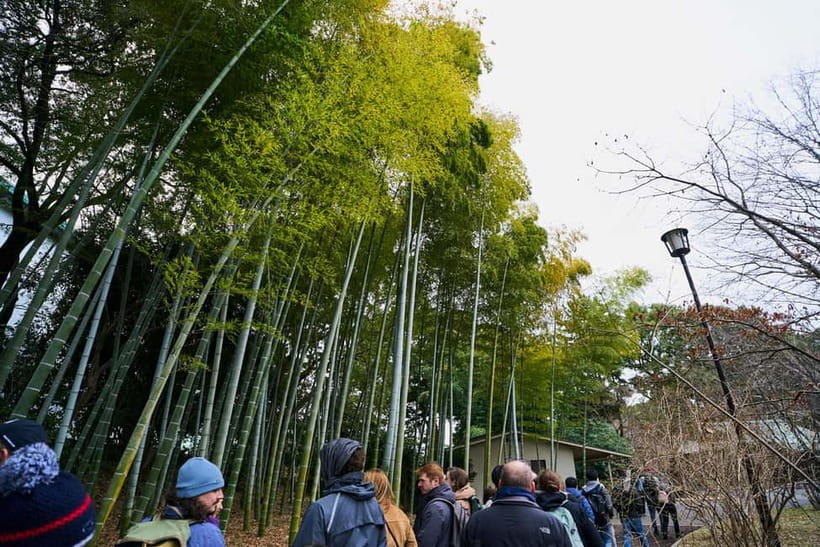
The longest garden stop is the Imperial Palace East Gardens, at about 20 minutes. This is the scenic finish, with open grounds, old stone walls, seasonal planting, special koi, and trees from different parts of Japan.
The East Gardens are a strong place to slow down and take photographs. You can expect a mix of formal design, historical remains, and peaceful paths. The contrast with central Tokyo is part of the appeal. You are close to major city streets, yet the palace grounds offer a much quieter setting.
The koi are a memorable detail, especially for children and anyone who enjoys Japanese garden design. The trees also add a national dimension to the visit, since the grounds include varieties from across Japan.
Your guide may use this final stretch to connect the physical site with modern Japan. Guides such as Anju have been praised for carrying the story from the Edo period through the present day, while Kosei has been appreciated for comparing Japanese customs with international experience. That kind of explanation helps you place the palace in contemporary life instead of leaving it frozen in the past.
The final 20 minutes can feel short if you want to explore every path. This is a guided overview, not an afternoon garden visit. You will see key areas and hear the story, then return to the starting point.
How the guides shape the experience
The guide is the main reason to book this walk rather than visit the grounds alone. The palace area is attractive without commentary, but its meaning is not always obvious.
The strongest feedback centers on guides who explain clearly, keep a relaxed pace, welcome questions, and add small facts without turning the tour into a lecture. Anju is repeatedly described as warm, patient, and enthusiastic. Fuma is praised for entertaining historical stories and helpful recommendations. Yuka and Tomo are noted for clear explanations and friendly interaction.
Other guides named by participants include Keiko, K, Kosei, Kazuki, Koyo, Mai, Nana, Ai, and Xin Yan. The exact guide depends on the departure, but the pattern is useful: expect a young, approachable local guide rather than a formal academic presentation.
Some guides have taken photos for participants, and one guide even used short quizzes to keep the group involved. That makes the walk feel conversational. You should still ask questions. The small group is designed for interaction, and the best moments may come from asking about a gate, garden feature, or point of Japanese history that interests you.
Because the tour is English only, you should be comfortable listening to spoken English for two hours. Japanese language support is not available.
Price, pace, and practical value
At $23 per person, this is inexpensive for a guided two-hour walk in central Tokyo. Entry to the palace grounds and East Gardens is included, along with the English guide and the historical explanation.
The value is not simply admission. Much of what you see can be viewed without paying for a guide, so the real question is whether you want help understanding it. I think the price works well if Edo history, samurai culture, Tokyo’s development, or the imperial family is important to you.
One fair reservation is that the gardens may not require an admission fee, so part of the cost pays for interpretation rather than access. If you are happy to read signs and explore alone, you could save money by visiting independently. If you want the defenses, ruins, and imperial transition explained in a clear order, $23 is a reasonable outlay.
The pace is generally relaxed. The published route adds up to about two hours, and some guides may spend a little longer when questions and conversation are flowing. You will walk outdoors for most of the time, so wear shoes that handle slopes and uneven surfaces comfortably.
The route includes a security check when entering the Imperial Palace area. Do not bring knives or alcohol. Dress for the weather, since shade and shelter are limited across a large outdoor site. Photography is encouraged.
Wheelchairs are available within the Imperial Palace grounds, but some slopes and sections require walking or moving downhill on foot. If mobility is a concern, check the current route details before booking and tell the operator in advance.
Who should book this Imperial Palace walk?
I would choose this tour early in a Tokyo visit if you want a historical map for the city. The walk explains why the palace occupies such a large central area and gives you useful context before visiting museums, temples, or former Edo districts.
It is especially well suited to:
- First-time visitors who want a clear introduction to Tokyo’s political past
- People interested in samurai, shogun, and the Edo period
- Fans of historical dramas who want a grounded explanation rather than fiction alone
- Couples and families who prefer a gentle outdoor activity
- Solo visitors who want a small social group
- Photographers looking for moats, gates, stone walls, gardens, koi, and seasonal scenery
I would be more cautious if you want access to the emperor’s private residence or a long, independent garden visit. You should also consider another activity if hot, cold, or rainy weather would make two hours outdoors unpleasant.
Should you book it?
Book this walk if you want the Imperial Palace to make sense, not just look beautiful. The surviving walls and gardens are far more interesting once you understand the castle’s scale, the shogun’s authority, and the shift to the modern imperial palace.
At $23, the small group and English commentary offer good value, particularly for history-minded visitors. I would book it near the start of your Tokyo stay, wear practical shoes, and arrive ready to ask questions.
Skip it only if you want indoor palace rooms, a private guide, or complete freedom to set your own pace. For a short, friendly introduction to Edo Castle and the Imperial Palace grounds, it is a smart use of two hours.
FAQ
How long does the Tokyo Castle and Imperial Palace Shogun Walking Tour last?
The tour lasts two hours and returns to the Starbucks Coffee Kōkyo Gaien Wadakura Fountain Park Store meeting point.
Where does the tour begin?
Meet in front of Starbucks Coffee Kōkyo Gaien Wadakura Fountain Park Store at 3-1 Kōkyo Gaien, Chiyoda City, Tokyo. The guide carries a Local Guide Stars sign.
Is the tour available in Japanese?
No. The tour is conducted in English only, and Japanese language support is not available.
What places are visited?
The route includes Sakurada Tatsumi Yagura, Ote-Mon Gate, Tokyo Imperial Palace, Ninomaru Garden, Edo Castle ruins, and the Imperial Palace East Gardens.
Is the tour accessible by wheelchair?
Wheelchairs are available and can be used within the Imperial Palace grounds. Some slopes and areas require participants to walk or go downhill on foot.
Can I cancel or pay later?
You can cancel up to 24 hours in advance for a full refund. A reserve-now, pay-later option is also available, allowing you to book without paying immediately.
More Walking Tours in Tokyo

More tours in Tokyo we've reviewed












Walking Tours, compared.
 ★ 5.0Tokyo Tsukiji Fish Market Food and Culture Walking TourFrom $99
 ★ 4.9Tokyo: Shinjuku Local Bar and Izakaya Guided Walking TourFrom $343 hours
 ★ 5.0Tokyo: Tsukiji Fish Market Food and Walking tourFrom $30
 ★ 4.8Tokyo: Asakusa Walking Tour with Sensoji Temple VisitFrom $222 hours
 ★ 4.9Tokyo: Tsukiji Fish Market Guided Walking TourFrom $222 hours
 ★ 4.9Tokyo: Imperial Palace Japanese History Walking TourFrom $32