Reviewed · SHIBUYA TOURS
Private Mochi・Matcha sweets Making Class Near Shibuya Area
Mochi is much more than a chewy sweet in Japan, and this private class near Sangenjaya gives you time to understand why. Sakura teaches you how to work with traditional sweets in her home, then serves matcha in a tea room if you wish.
In This Article
- Key points at a glance
- Making Japanese sweets in Sakura’s home
- Mochi, nerikiri, and the hands-on work
- What happens at Sangenjaya
- The matcha and tea room portion
- The cultural context makes the class worthwhile
- Who will enjoy this most
- Price, group size, and value
- Practical details before you book
- How this compares with a standard sweets class
- Should you book this mochi class?
- FAQ
- Where does the mochi and matcha class take place?
- How long does the experience last?
- Does the class include mochi making?
- Is nerikiri included?
- Is a tea ceremony included?
- How many people can join?
- Is the class suitable for children?
- Is there a dog at the meeting location?
- What is the cancellation policy?
I like the personal instruction and the cultural explanation, especially the way the class connects mochi with Japanese customs rather than treating it as a quick kitchen stunt. I also like the small scale, with no more than eight people and the chance to ask for Tokyo tips along the way. The main consideration is the toy poodle in the house, so this is not a good choice if you have a dog allergy.
Key points at a glance

- Private home setting: Learn in an authentic Japanese house instead of a large, crowded cooking studio.
- Two traditional sweets: The class covers mochi and nerikiri, with the exact balance depending on the session.
- Optional tea room experience: Matcha is included, and you can take part in a simple tea ceremony.
- Personal guidance from Sakura: The small group format leaves room for questions, corrections, and cultural context.
- Family-friendly format: Previous bookings included a six-year-old child and a parent-child pair.
- Near Sangenjaya: The meeting point is a short walk from public transportation in Setagaya, southwest of central Tokyo.
Making Japanese sweets in Sakura’s home
The heart of this experience is simple: you learn by making the sweets yourself, not by watching someone prepare them behind glass. At 1-chōme-11-13 Sangenjaya, you enter a Japanese home and work with Sakura, the instructor behind Hello Japan matcha・wagashi classes.
That home setting changes the mood. You are not being moved through a large commercial kitchen with a fixed script and a roomful of strangers. The group limit is eight, and the booking is described as private, so you can expect the lesson to feel more personal than a standard group demonstration.
Sakura explains the ingredients and techniques as you work. That matters with mochi, where the finished sweet can look easy but requires careful handling. You get to experiment with the process, see how the texture develops, and shape the sweets yourself.
The class also gives you useful cultural background. Mochi has an important place in Japanese life, and the instruction includes an explanation of that importance. I like this because it turns a snack into a piece of daily and seasonal culture. You leave with more than a recipe, you have a better idea why these sweets matter.
A few more Tokyo tours and experiences worth a look


Mochi, nerikiri, and the hands-on work

The experience focuses on mochi and nerikiri, two sweets with very different personalities.
Mochi is known for its soft, chewy rice-based texture. In the class, you learn the basic process and work toward sweets such as daifuku. The exact menu can vary, but past sessions have included strawberry daifuku and more than one type of mochi. One session also included shaved ice with dango, showing that the class may include seasonal or additional sweets beyond one standard recipe.
Nerikiri is a traditional Japanese confection often shaped into small decorative forms. The supplied details do not specify the exact nerikiri designs or fillings, so you should confirm the day’s menu if that is the main reason you are booking. The important point is that you get instruction in traditional wagashi, rather than simply sampling finished pieces.
Expect a lesson aimed at beginners. Families have used it with children, including a six-year-old, and the teaching is described as attentive and encouraging. You should still be ready to participate rather than sit back. The fun comes from trying the techniques, even if your first shapes are less tidy than Sakura’s.
That is part of the appeal. Japanese sweets are often admired for their neat appearance, but making them yourself helps you appreciate the skill behind that polish. The finished treats are yours to taste, which gives the class a satisfying ending.
What happens at Sangenjaya
The only listed stop is Sangenjaya, where the meeting point and ending point are the same. The address is 1-chōme-11-13 Sangenjaya, Setagaya City, Tokyo 154-0024.
Sangenjaya is a practical base for this activity because it is served by public transportation and is described as a short walk from the train in a pleasant neighborhood. The experience is near the Shibuya area, but it does not take place in the middle of Shibuya’s busiest streets. That gives you a more residential setting for the class.
Allow enough time to find the exact house. This is a home-based activity, so the meeting address matters more than a famous landmark. Keep the address on your phone and use the mobile ticket and booking confirmation when making your way there.
The class lasts about two hours. That is long enough for instruction, preparation, tasting, and the optional matcha experience without taking over your whole day. You can pair it with time in Shibuya or another nearby part of western Tokyo, but avoid scheduling something that requires you to rush out immediately afterward.
The matcha and tea room portion

After the sweets are prepared, you can enjoy matcha in the home’s tea room. The tea ceremony is described as simple and optional, so this is not a full formal ceremony course. It is better understood as a calm cultural finish to the cooking lesson.
That flexibility is useful. If you are curious about tea customs, you can take part and see how matcha fits with wagashi. If your children are losing patience after the cooking, or you are mainly interested in making sweets, you can treat the tea room portion as an option rather than an obligation.
Matcha and the sweets also make sense together. Traditional Japanese confectionery is often served alongside tea, with the sweet balancing the tea’s bitterness. Making the wagashi first lets you understand that pairing in a more direct way than ordering a dessert in a café.
You should not book this expecting an elaborate tea school lesson. The available information promises a simple tea ceremony, not a long study of tea utensils, etiquette, or history. For most people, that balance works well: the food remains the main event, and the tea gives the visit a distinctly Japanese close.
The cultural context makes the class worthwhile

A cooking class can be a pleasant way to fill two hours, but the cultural explanations are what give this one more weight. Sakura discusses the importance of mochi in Japanese culture, and she also shares information about local places and things to do in Tokyo.
That local guidance can be especially useful early in your stay. You can ask about your plans while you work, then use the suggestions for the rest of your visit. The information available does not list specific recommended restaurants or sights, so you should treat this as an opportunity to ask questions rather than a promised sightseeing tour.
The class also helps you notice details you might otherwise miss in a shop. In a restaurant or department-store food hall, you see the finished product. Here, you handle the ingredients, learn the method, and taste something you helped make. That direct connection is the reason I would choose this over a simple wagashi tasting.
The lesson is also friendly to people who do not speak Japanese fluently. One booking specifically describes the class as suitable for foreign participants, and the instructor’s patient approach comes through in the supplied comments. Still, the listing does not state the exact languages offered, so confirm that point if language support is important to you.
A few more Tokyo tours and experiences worth a look



Who will enjoy this most

This class suits couples, families, and small groups who want a practical activity rather than another observation deck or shopping stop. It is particularly good for parents and children because the work is hands-on and the session is short. A parent and six-year-old child have taken part successfully, and another parent joined with a son.
It also suits repeat visitors who have already seen the major Tokyo sights. Sangenjaya offers a change of pace from the most famous central districts, and the home setting gives you contact with a more ordinary side of the city.
Food-focused visitors will get the most from it, but you do not need advanced cooking ability. The point is learning the process and trying the shaping yourself. The class may be less appealing if you want a fast, polished demonstration with no participation.
The dog is an important practical detail. A toy poodle named Choco lives in the house. If you enjoy dogs, this may add warmth to the visit. If you have a dog allergy, the experience is not recommended.
Price, group size, and value

The price is $78.83 per person, and group discounts are available. For a two-hour activity, that is not a bargain in the ordinary cooking-class sense, but the value depends on what you want from your Tokyo day.
You are paying for a private or very small-group lesson, personal instruction, ingredients, the sweets you prepare, matcha, access to a tea room, and the cultural conversation around the food. You also get a home-based setting rather than a large class designed for maximum volume.
For a family or group, the discount may make the cost easier to justify. For a solo visitor, the price is higher per person, but the individual attention is more valuable if you have questions or want extra help with shaping the sweets.
The experience is booked an average of 26 days ahead, which suggests that you should not leave it until the final day of your Tokyo trip. Confirmation arrives within 48 hours, subject to availability. Since the group limit is eight, an early request is sensible, especially for a particular date.
The overall rating is 5 out of 5 from 22 reviews, with 100 percent recommending it. That is a small sample, so I would not treat it as proof that every person will love every minute. Still, the consistent themes are useful: the food is enjoyable, the instruction is friendly, and the cultural explanation adds real value.
Practical details before you book

The activity begins and ends at the Sangenjaya meeting point. It lasts approximately two hours and is near public transportation. A mobile ticket is available, and group discounts are listed.
The experience requires good weather. If poor weather forces a cancellation, you are offered another date or a full refund. The activity also requires a minimum number of participants, so a cancellation for that reason brings the same choice of a different date or a refund.
You can cancel for a full refund up to 24 hours before the start time. Changes or cancellations made inside that 24-hour window are not accepted for a refund.
Service animals are allowed, but the home has a toy poodle. The dog allergy warning is clear, so take it seriously. The activity is limited to a maximum of eight people, though the booking is presented as private, so check the final confirmation for how your party will be arranged.
How this compares with a standard sweets class
A large cooking workshop can be a good choice if you want a cheaper, more predictable format. You may get a bigger menu or a faster demonstration, but less time to ask questions and less contact with the instructor.
This Sangenjaya class is better suited to you if you value conversation, cultural explanation, and a home setting. The opportunity to ask Sakura about Tokyo while you work is a useful extra that most food-only activities do not provide.
The format also leaves room for the human side of the visit. One family enjoyed Choco, the toy poodle, as part of the welcome. That will not matter to every person, but it helps explain why the class feels different from a commercial kitchen.
The trade-off is that the menu and pace may be less standardized. The available information describes mochi and nerikiri, while individual sessions have included strawberry daifuku, dango, and shaved ice. If you need one exact recipe or one specific sweet, ask before booking.
Should you book this mochi class?
I would book it if you want to make something with your hands, learn why Japanese sweets matter, and spend two unhurried hours in a residential part of Tokyo. It is especially well suited to families, couples, small groups, and anyone who prefers a personal lesson to a crowded tourist activity.
I would skip it if you have a dog allergy, dislike home-based activities, or want a formal, detailed tea ceremony rather than a simple optional one. You should also confirm the exact sweet menu if nerikiri or a particular kind of mochi is your priority.
For most people, the strongest reason to choose this class is the combination of hands-on sweets making, cultural context, and personal guidance from Sakura. At $78.83, it is a considered purchase, but the small group, matcha, tea room, and local conversation make it a fair value for a distinctive Tokyo experience.
FAQ
Where does the mochi and matcha class take place?
The class takes place at 1-chōme-11-13 Sangenjaya, Setagaya City, Tokyo 154-0024, Japan.
How long does the experience last?
The activity lasts approximately two hours.
Does the class include mochi making?
Yes. You can learn how to make mochi, including traditional sweets such as daifuku.
Is nerikiri included?
Nerikiri is listed as one of the traditional Japanese sweets taught in the experience. The exact menu for your session should be confirmed when booking.
Is a tea ceremony included?
The home has a tea room, and you can take part in a simple tea ceremony if you wish. Matcha is included.
How many people can join?
The maximum group size is eight people. The experience is presented as a private cooking class.
Is the class suitable for children?
The available information includes a six-year-old child taking part, and the class is described as suitable for families. Children will need to participate in the hands-on activity.
Is there a dog at the meeting location?
Yes. A toy poodle named Choco lives in the house. The experience is not recommended for people with a dog allergy.
What is the cancellation policy?
You can cancel at least 24 hours before the start time for a full refund. Cancellations or changes made less than 24 hours before the start time are not accepted for a refund. If poor weather or a failure to meet the minimum number of participants cancels the activity, you are offered another date or a full refund.
More Private Tours in Tokyo




More Tea Ceremony & Matcha in Tokyo
More Shibuya Tours in Tokyo



More tours in Tokyo we've reviewed





Shibuya Tours, compared.
 ★ 5.0Official Street Go-Kart in ShibuyaFrom $76
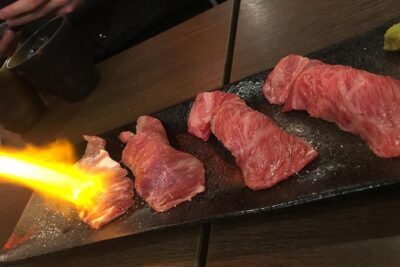 ★ 5.0Shibuya Meltdown Nightlife Tour: All-You-Can-Drink Bar HoppingFrom $106
 ★ 4.9Tokyo: Street Kart Experience in ShibuyaFrom $99
 ★ 5.0Shibuya Official Street Go-Kart in Shibuya AnnexFrom $69
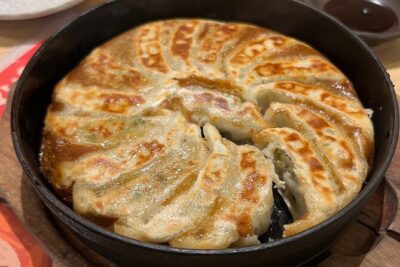 ★ 5.0Tokyo: Shibuya Food Tour (13 dishes and 4 Eateries)From $77
 ★ 5.0Best of Shibuya Food TourFrom $217