Reviewed · WALKING TOURS
Tokyo Cherry Blossom Half Day Walking Tour with a Local Guide
Tokyo’s cherry blossom season is short, crowded, and wonderfully unpredictable. This private walking tour gives you a practical way to see four major sakura locations in about four hours, with a local guide handling the city’s public transport and shaping the route around your interests. Shinjuku Gyoen and Chidorigafuchi offer two very different kinds of blossom scenery: formal gardens in one place, a moat framed by flowers in the other.
In This Article
- Key points to know before you book
- Four cherry blossom settings, not just one park
- Shinjuku Gyoen: the gentlest start
- Meiji Jingu Gaien and its long sakura avenue
- Chidorigafuchi: blossoms reflected in the moat
- Sumida Park, snacks, and the Skytree backdrop
- Tokyo Tower as a possible final view
- How the private format changes the experience
- Public transport, walking, and the real time cost
- Is $198.67 per person fair?
- Timing, communication, and expectations
- Who will enjoy this sakura walk?
- Should you book this Tokyo blossom tour?
- FAQ
- How long does the Tokyo cherry blossom tour last?
- Which main cherry blossom locations are included?
- Is Tokyo Tower included in every tour?
- Is transportation included?
- Is food included?
- Can I cancel for a full refund?
I like the private format, since you can ask for a suggested route or request a custom plan. I also like the small Japanese food break, which adds a real local touch to what could otherwise be a fast photo stop. The main concern is time. Four major parks, public transport, and an optional Tokyo Tower visit make a tight schedule, so you should agree on the exact plan before setting out.
Key points to know before you book
- Four famous sakura areas in four hours: Shinjuku Gyoen, Meiji Jingu Gaien, Chidorigafuchi, and Sumida Park form the main route.
- A private tour for your group: You are not placed with strangers, and the guide can adjust the plan to your interests.
- Public transport is part of the experience: Private transportation is not included, so expect to move around Tokyo by train, subway, or other public transit.
- The best photo variety comes at Shinjuku and Chidorigafuchi: One offers several garden styles, while the other pairs blossoms with water and a historic moat.
- Food is built into the afternoon: You receive a snack and drink, with options such as sakura mochi or taiyaki at Sumida Park.
- Tokyo Tower is optional, not a guaranteed main stop: Ask how it fits into your four-hour schedule before you begin.
Four cherry blossom settings, not just one park
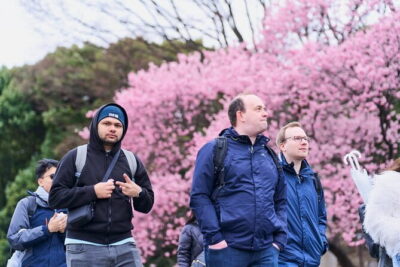
The strength of this experience is variety. Tokyo’s sakura viewing can easily become a succession of similar paths lined with pale flowers. Here, you move from a large garden to an urban avenue, then to a moat and finally to a riverside park with Tokyo Skytree in view.
That range matters if this is your only cherry blossom outing in Tokyo. You get formal landscaping, shrine surroundings, open water, city architecture, and a snack stop. The tradeoff is that you will not have long, unhurried hours at any one place.
The tour lasts about four hours. The stated timings add up to roughly three hours and 45 minutes before counting travel between stops, so the day depends on efficient connections and a sensible route. I would treat the times as useful targets rather than promises. If you stop often for photos, the final location may need to be shortened or dropped.
Other walking tours we've reviewed in Tokyo


Shinjuku Gyoen: the gentlest start
Shinjuku Gyoen National Garden is a smart opening stop because it gives you room to settle into the day. The park combines traditional Japanese gardens with English-style open spaces and French formal gardens. Each setting changes the character of the blossoms.
You can stroll beneath the trees, pause for photographs, and compare the different garden designs rather than seeing only one line of sakura. The park is expansive, so an hour here will let you see a useful section without pretending you can cover every path.
This is one of the most rewarding stops for people who care about composition. You can frame blossoms against ponds, clipped plantings, broad lawns, or the Tokyo skyline beyond the park. The mix also makes Shinjuku Gyoen a good choice when your group has different tastes. One person can enjoy the quiet garden paths while another looks for wide city views.
An admission ticket is included. That saves you one small task, though you should still keep the pace in mind. Shinjuku Gyoen is large enough to absorb the whole half-day if you linger at every attractive tree.
Meiji Jingu Gaien and its long sakura avenue
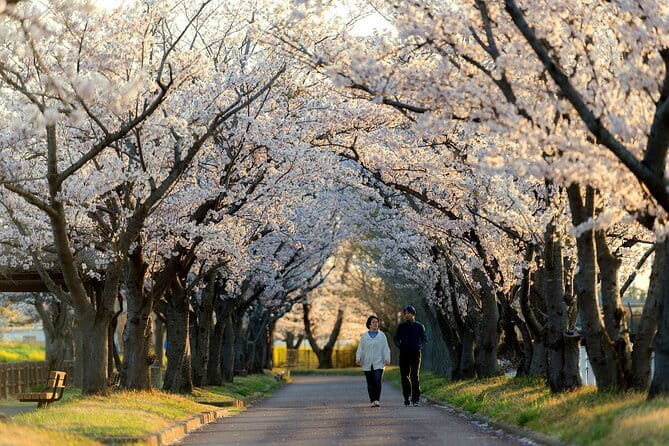
The second stop is the Meiji Jingu Outer Garden, known as Meiji Jingu Gaien. This is separate in feel from the forested inner shrine area. The feature here is Sakurada-dori Avenue, lined with more than 1,500 cherry trees.
The appeal is the contrast between the blossoms and Tokyo’s built-up setting. Instead of a secluded garden, you get a broad urban scene with rows of trees leading the eye down the avenue. It is particularly useful for photographs that show both sakura and the city around them.
The planned visit lasts about 45 minutes. That is enough for a walk and photographs, but not for a slow exploration of every corner. If seeing Meiji Shrine itself is important to you, ask the guide to clarify exactly what is included. The stated stop focuses on the outer garden and avenue, not a full visit to every shrine area.
This is also a place where a local guide can improve the experience by explaining the route and helping you avoid wasting time on unnecessary detours. Brian, one of the named guides, is fluent in English and Japanese and has lived in Tokyo with his Japanese wife for 16 years. Emilio has also been praised for guiding visitors through the gardens and finding attractive trees late in the blossom period.
Chidorigafuchi: blossoms reflected in the moat
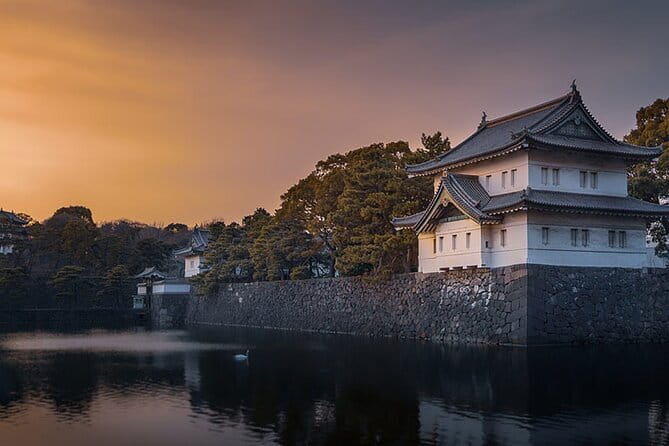
Chidorigafuchi is likely to be the most scenic stop for many people. Cherry trees line the moat beside the Imperial Palace area, and their branches create a soft frame over the water. On a calm day, the reflections add another layer to the view.
You have two ways to enjoy the area. The standard choice is walking along the promenade, which lets you stop for photographs and take in the full line of trees. The more active option is renting a rowboat for an additional cost. The boat is not included, so ask about current availability, pricing, and how much time it would leave for the rest of the route.
The listed time here is about 45 minutes. That works for a walk, but a boat rental could make the schedule tighter. I would choose the boat only if it is a major priority for you and the guide confirms that it fits.
Chidorigafuchi also shows why weather and bloom timing matter. Blossoms at different sites do not always peak on the same day. A flexible guide may be able to adjust the order or substitute another place, but you should not assume that every tree will be at full bloom simply because the tour is operating.
Sumida Park, snacks, and the Skytree backdrop
Sumida Park brings the tour to the river. More than 1,000 sakura trees line the Sumida River, with Tokyo Skytree providing a clear landmark in the background. The view is broader and more open than at Chidorigafuchi, and the river gives you a chance to step away from the narrow paths of central Tokyo.
The park includes benches, so this is the natural place to slow down. A snack and drink stop is built into the visit, usually at a local stall or food truck. Possible treats include sakura mochi, a sweet rice cake filled with red bean paste, and taiyaki, the fish-shaped pastry commonly filled with custard or red bean.
I like this pause because it turns blossom viewing into more than a checklist of parks. You get a taste of the seasonal food sold around Tokyo’s sakura sites, and you have time to sit rather than walk continuously.
The snack stop is listed at about 45 minutes, though that time also covers the park itself. If you want to eat slowly, browse stalls, and take river photographs, tell your guide early. The guide can help you decide if the snack break or an additional photo stop matters more to your group.
Other guided tours in Tokyo


Tokyo Tower as a possible final view
Tokyo Tower is described as an optional scenic finish, with about 30 minutes set aside for the observation deck. From above, you can look across the city and see how the blossom parks fit into Tokyo’s vast urban setting.
The important word is optional. The main description centers on four cherry blossom locations, while Tokyo Tower is an extra possibility at the end. Since the tour already requires several public transport connections, you should confirm whether the tower admission and elevator visit are included in your specific plan. The general inclusions say all entry fees are covered, but the stop is not presented as a guaranteed part of every route.
If Tokyo Tower is high on your list, make that clear before the tour begins. You may need to spend less time at one of the parks. If sakura is your main goal, I would keep the tower as a bonus rather than allowing it to cut short Chidorigafuchi or Sumida Park.
How the private format changes the experience
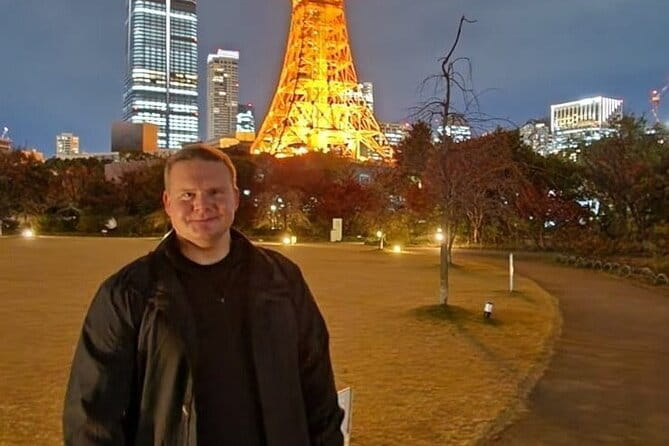
This is a private activity, meaning only your group participates. That is valuable during cherry blossom season, when a fixed group can be slowed by different walking speeds, photo habits, or conflicting interests.
You can request a suggested route, ask for a customized plan, or combine both. The provider also offers free help while you are in Japan, including assistance with restaurant bookings, hotels, or trains. That support is not a substitute for a clear tour plan, but it can be useful if you want a guide who treats the half-day as part of a wider Tokyo visit.
The named guides add some personality to the experience. Emilio is described as an enthusiastic guide who can still locate attractive blossom scenes when the season is ending. Brian has extensive experience living in Tokyo and can assist in both English and Japanese, which is especially useful when navigating public transport or communicating at food stalls.
Do not assume every guide will follow exactly the same route. The company presents the tour as flexible, so the quality of your preparation matters. Send your must-see locations in advance, then ask the guide to rank them by distance, bloom condition, and available time.
Public transport, walking, and the real time cost
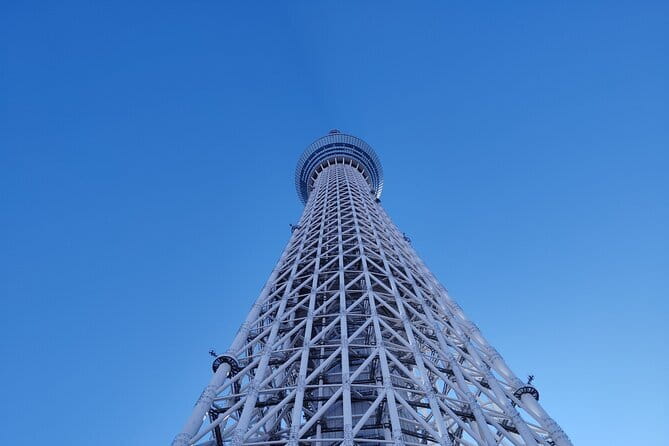
Private transportation is not included. Public transport is included, and that is both a saving and part of the Tokyo experience. You will need to walk between stations, parks, avenues, and viewing paths, then ride between districts.
The four primary areas are spread across Tokyo. It is possible to connect them, but the schedule leaves limited room for missed trains, long queues, slow walking, or extended photo sessions. One past booking became particularly contentious because the customer wanted a much longer list of places across the city within the same four-hour window. That is not realistic. A short tour needs a short, agreed list.
You should also confirm the meeting point and pickup details. Pickup is offered, but the supplied information gives Tokyo, Japan as the start and says the activity ends back at the meeting point. Ask where the guide will meet you and whether pickup means a specific hotel area or an agreed central location.
Wear comfortable shoes and bring a phone with enough battery for directions and photographs. The tour includes a mobile ticket, but you still need to be ready for a walking route that uses public transit rather than a private vehicle.
Is $198.67 per person fair?
At $198.67 per person, this is not a cheap way to see cherry blossoms. The price makes more sense if you value a private guide, included public transport, entry fees, food and drink, a souvenir, and help managing a complicated Tokyo route.
For a solo visitor, the cost may feel high. For a private group splitting the guide service, the value improves, especially if you want help with English and Japanese communication or you do not feel comfortable planning several connections during peak blossom season.
The price does not buy a relaxed full-day park visit. You are paying for access to a local person, route planning, and the chance to combine four distinct areas in a short window. If your priority is simply sitting under one tree with a picnic, public parks on your own will cost far less. If you want several famous sites and personal guidance, the comparison is more favorable.
Group discounts may be available, so check the final price for your party. Also remember that a Chidorigafuchi rowboat costs extra, and private transportation is not included.
Timing, communication, and expectations
The experience has a mixed operating record that deserves attention before you pay. One scheduled 9 a.m. departure reportedly began with the guide failing to arrive, followed by delayed contact with the operator and involvement from the booking platform before a replacement guide was arranged.
That does not prove your tour will have the same problem, but it is a fair reason to confirm the meeting details the day before. Keep the operator’s contact information handy, and make sure you know the exact guide name and phone contact if provided.
The provider also responded to a separate dispute by explaining that a requested list of 14 places was not the same as the suggested four-stop plan. That distinction is important. Ask for the final route in writing, especially if you have added Tokyo Tower, a shrine visit, a boat ride, or other districts.
The cancellation terms are straightforward: cancel at least 24 hours before the local start time for a full refund. Changes made within 24 hours are not accepted, and late cancellations are not refunded.
Who will enjoy this sakura walk?
I would consider this tour for a first visit to Tokyo during cherry blossom season, especially if you want help combining several famous viewing areas without planning every train connection yourself.
It suits couples, families, and small private groups that enjoy walking, photography, and short cultural stops. It is also a good fit if you want to ask questions as you go instead of listening to a fixed script.
I would be more cautious if you dislike rushed sightseeing, want a long boat ride, or expect to visit many unrelated Tokyo landmarks in four hours. People with a long list should choose two or three priorities, not 14.
Most people can participate, and service animals are allowed. The activity is near public transportation, but the supplied details do not promise a completely step-free route or specify walking distances. If mobility is a concern, ask the provider to adjust the route before booking.
Should you book this Tokyo blossom tour?
Book it if you want a private guide, four different sakura settings, public transport assistance, and a built-in Japanese snack break. Shinjuku Gyoen, Chidorigafuchi, and Sumida Park give you especially strong variety, while Meiji Jingu Gaien adds an impressive urban avenue lined with more than 1,500 trees.
I would book only after confirming the meeting point, guide, exact four-stop route, and the status of Tokyo Tower. Keep your expectations realistic: this is a brisk half-day sampler, not a leisurely tour of every major sight in Tokyo.
The price is reasonable for a private, guided route with transport, admission, food, and a souvenir, but weak value if you mainly want free park access. Choose it for personal guidance and efficient coverage, then let the guide spend the limited time on the places you care about most.
FAQ
How long does the Tokyo cherry blossom tour last?
The tour lasts approximately four hours.
Which main cherry blossom locations are included?
The main stops are Shinjuku Gyoen National Garden, Meiji Jingu Gaien, Chidorigafuchi Promenade, and Sumida Park.
Is Tokyo Tower included in every tour?
Tokyo Tower is described as an optional scenic stop. Confirm with the provider whether it fits your chosen route and timing.
Is transportation included?
Public transport is included, but private transportation is not included.
Is food included?
Yes. Food and drink are included, with possible snack choices such as sakura mochi or taiyaki at Sumida Park.
Can I cancel for a full refund?
Yes, if you cancel at least 24 hours before the experience start time. Cancellations or changes made less than 24 hours in advance are not accepted for a refund.
More Guided Tours in Tokyo
More Walking Tours in Tokyo
More tours in Tokyo we've reviewed












Walking Tours, compared.
 ★ 5.0Tokyo Tsukiji Fish Market Food and Culture Walking TourFrom $99
 ★ 4.9Tokyo: Shinjuku Local Bar and Izakaya Guided Walking TourFrom $343 hours
 ★ 5.0Tokyo: Tsukiji Fish Market Food and Walking tourFrom $30
 ★ 4.8Tokyo: Asakusa Walking Tour with Sensoji Temple VisitFrom $222 hours
 ★ 4.9Tokyo: Tsukiji Fish Market Guided Walking TourFrom $222 hours
 ★ 4.7Tokyo Castle & Imperial PalaceーShogun Walking TourFrom $232 hours