Reviewed · UENO & YANAKA WALKS
Tokyo Yanaka Old Town Walking Tour (Private/Local guide)
Yanaka is where Tokyo loosens its collar. With guide Narumi, you move from the red torii gates of Nezu Shrine into quiet lanes, old houses, cafés, temples, and the lively stalls of Yanaka Ginza. I like the close look at ordinary neighborhood life, and I like that the tour links Shinto, Buddhism, art, and food instead of treating them as separate sights.
In This Article
- Key points at a glance
- Why Yanesen feels different from central Tokyo
- Starting at Nezu Station and entering Nezu Shrine
- Quiet lanes and the Tokyo people actually live in
- A 15-minute café pause in an old house
- Galleries, antiques, and small craft shops
- Yanaka Ginza and the street-food finish
- What the private format adds
- Timing, route, and practical fit
- Who should choose this walk
- The final call on the Yanaka Old Town walk
- FAQ
- Where does the Tokyo Yanaka Old Town Walking Tour begin?
- Where does the tour finish?
- How long does the tour last?
- Is the tour private?
- What is included in the tour price?
- Can I cancel for a full refund?
The private format gives you room to ask questions and set a comfortable pace. The main consideration is that this is a walking tour, not a major-monument checklist. If you want Tokyo’s biggest sights, you may find it too gentle. If you want daily life away from the crowds, it is a strong choice.
Key points at a glance
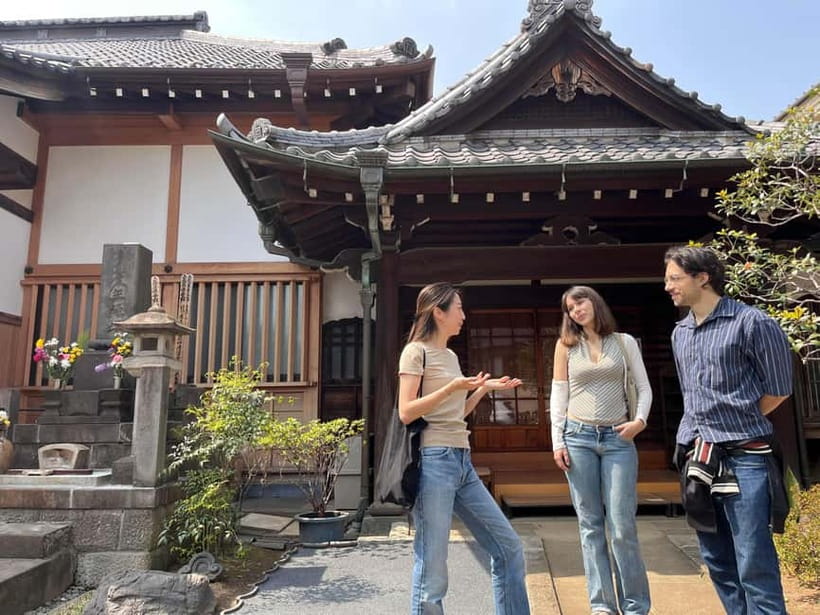
- Nezu Shrine’s torii gates: Learn about Shinto customs, try an omikuji fortune slip, and browse shrine charms.
- A private three-hour route: Begin at Nezu Station and finish at Nippori Station, with an English-speaking local guide.
- A café stop included: Take a 15-minute break in a renovated old house café or another small local café, with coffee, matcha latte, or another drink.
- Yanaka Ginza tasting: Try two or three street foods included in the price while walking the 170-meter shopping street.
- Art and old-town Tokyo: Browse galleries, antique shops, and craft stores in a district linked to a major Japanese art university.
- A quiet view of city life: Pass residential lanes, schools, daycares, elderly homes, gardens, and balconies rather than only tourist sights.
Why Yanesen feels different from central Tokyo
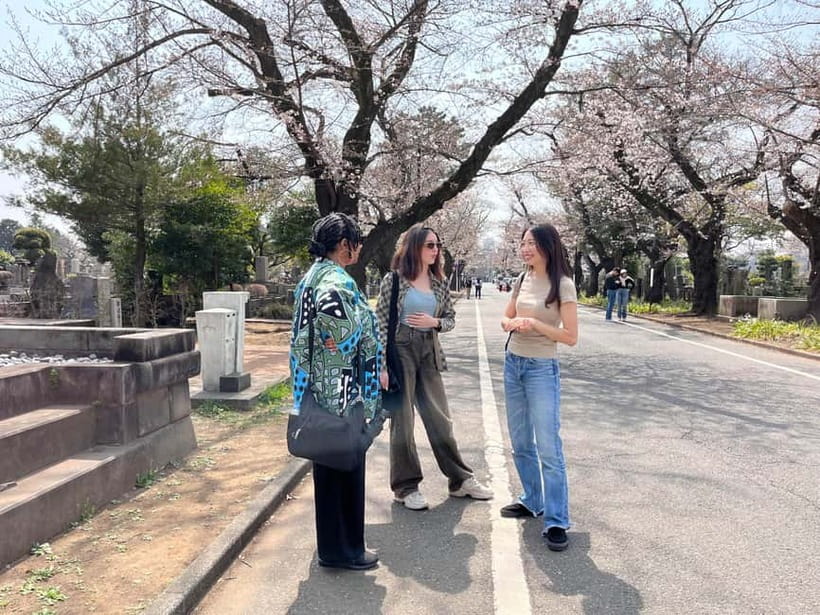
Yanaka, Nezu, and Sendagi are often grouped under the name Yanesen. The area sits in eastern Tokyo, about 15 minutes by train from Tokyo Station, yet its mood changes quickly once you leave the station area.
This part of the city took shape during the Edo period, when more than 60 temples were moved here as Tokyo expanded. Those temples helped form a neighborhood of narrow lanes, modest homes, small shops, and places of worship. The result is not a preserved museum district. It is a lived-in part of Tokyo where old and new sit side by side.
I like that distinction. You are not simply looking at an old street dressed up for sightseeing. You are walking past places used by local residents, including daycares, schools, elderly homes, gardens, and balconies. Some streets may seem almost too ordinary at first. That is the point. The guide helps you notice the details that make an ordinary Tokyo neighborhood worth your time.
The tour is especially useful early in your Tokyo visit. It gives you a clearer sense of how people move through small urban communities, how religion fits into daily routines, and how an old district adapts without losing all of its character.
A few more Tokyo tours and experiences worth a look


Starting at Nezu Station and entering Nezu Shrine
The walk begins at Nezu Station Exit 1. Meeting at a subway exit keeps the start simple, though you should allow enough time to find the correct exit and meet your guide before the scheduled start.
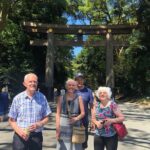
Nezu Shrine is the first major stop, with about 30 minutes set aside for a guided visit. The shrine is known for its rows of torii gates, which create a striking passage through the grounds. They make an excellent first lesson in Japanese aesthetics: repetition, color, framing, and a sense of movement through space.
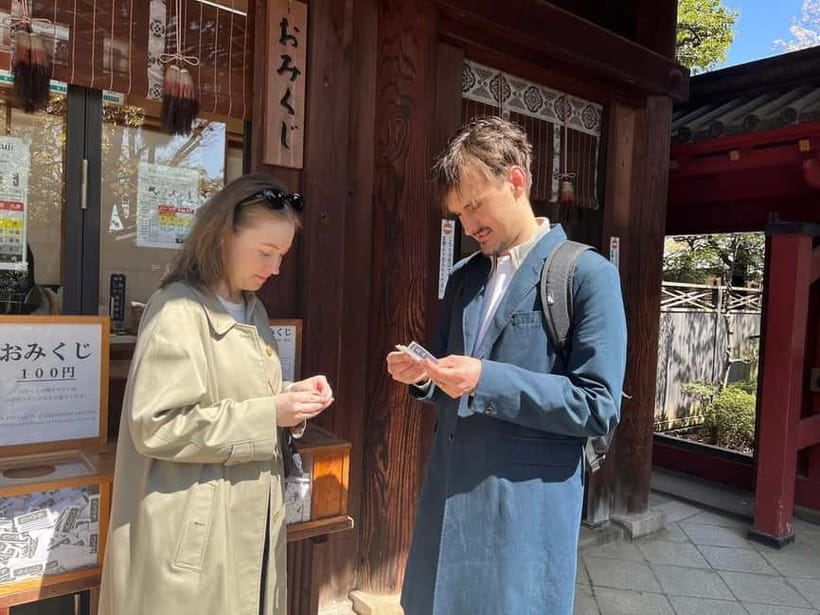
You will also get an introduction to Shinto traditions. The tour includes one omikuji, or fortune slip. You can draw your fortune, read the result with help from Narumi, and learn how this small ritual fits into a shrine visit. Charm shops offer another look at the way religious practice and everyday hopes meet in Japan.
The value here is not only the shrine itself. Many visitors can walk through torii gates and take photographs. A local guide can explain what you are seeing and how Shinto differs from Buddhism, while also showing how the two traditions appear together in Japanese culture. One of the strongest aspects of this experience is the clear explanation of how Buddhism and Shinto are woven into ordinary life.
Thirty minutes is enough for an introduction, but it is not a long historical tour. You will not cover every building or tradition connected with the shrine. Think of Nezu Shrine as the cultural starting point for the rest of the walk.
Quiet lanes and the Tokyo people actually live in
After the shrine, the route continues on foot for about 15 minutes before the café stop, with the larger Yanaka portion taking up about two hours. The exact lanes can vary, which is a good thing in a neighborhood built around small streets and local life.
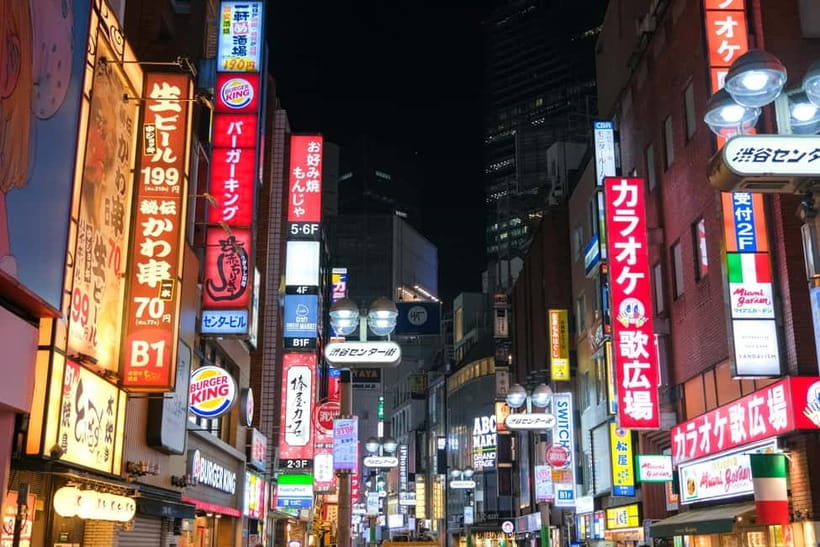
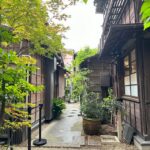
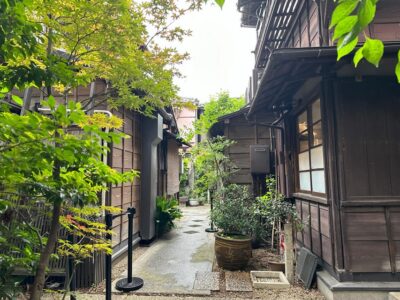
You may pass homes with carefully tended plants, compact balconies, schools, daycares, and elderly homes. These details offer a useful counterpoint to Tokyo’s famous crossings and department stores. The city is not only neon, trains, and crowds. It is also a place where residents make the most of small plots, narrow streets, and shared neighborhood spaces.
I especially like this part for people who have already seen the major central districts. You get a sense of Tokyo at walking speed. There is no need to rush from one famous photo stop to the next. You can ask Narumi why a lane is arranged as it is, how a temple neighborhood developed, or what role a local shop plays in the area.
The quiet setting also makes this a good tour for anyone who finds central Tokyo tiring. You still get the energy of a capital city, but in smaller doses. The tradeoff is that this portion does not promise a long list of dramatic sights. Its appeal comes from observation and conversation.
Be considerate in the residential areas. People live here, and the route passes close to homes and community facilities. Keep voices low, avoid blocking narrow paths, and ask before photographing people or private property.
A 15-minute café pause in an old house
The included café break lasts about 15 minutes. You may stop at a renovated old private house café or another tucked-away local spot, depending on the route and opening conditions. Your drink is included, with options such as coffee and matcha latte.
This is a small part of the tour, but it helps set the pace. A short pause gives you time to sit, ask questions, and take stock before the longer Yanaka walk. The old-house setting also connects with the district’s wider character, where older buildings have found new uses as cafés, galleries, and shops.
Do not book this experience expecting a long meal or a café crawl. Fifteen minutes is a brief rest, and the drink selection is described broadly rather than as a fixed menu. If you have dietary needs or want a particular beverage, ask Narumi when you meet.
The café stop adds value because it is part of the neighborhood story. You are not being sent to a generic chain for a quick drink. You are given a glimpse of how an older local building can become part of present-day Tokyo life.
Galleries, antiques, and small craft shops
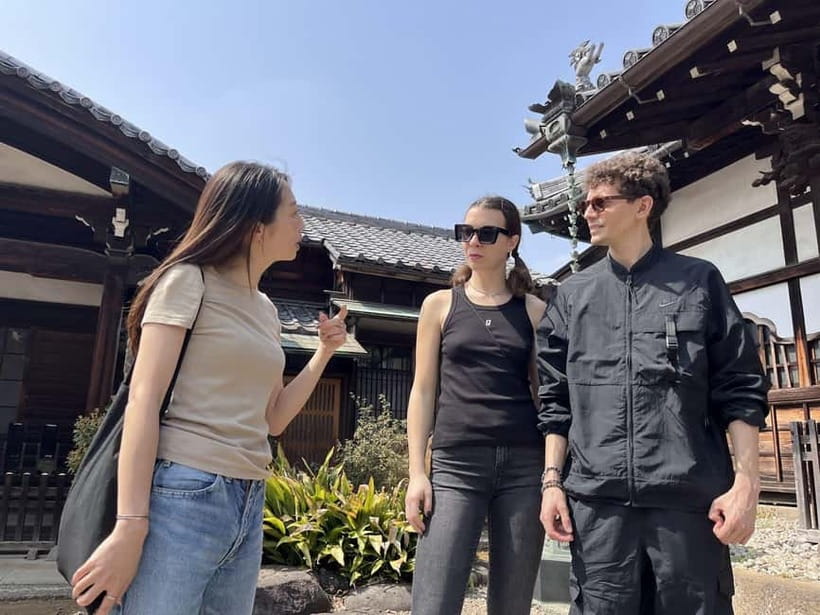
Yanaka’s artistic side gives the walk another layer. The neighborhood sits near Japan’s most renowned art university and is surrounded by more than 60 temples. That mix has encouraged galleries, antique shops, and craft stores to take root among the old streets.
You may browse handmade objects, traditional pieces, small works of art, and unusual souvenirs. The shops are a better fit for someone who enjoys looking slowly than for someone searching for a particular famous brand. Some places may be open only at certain times, and the route is not presented as a guaranteed shopping list. Instead, Narumi can point out the character of the area and help you understand why art and old buildings belong together here.
I like this section because it gives you a chance to buy something with a local connection without turning the tour into a shopping trip. A small craft item or antique can carry more meaning than a standard souvenir, especially after you have learned about the district’s religious and artistic background.
Purchases are not included in the $58 price. Set your own budget and remember that small shops may have limited stock. If you see something you like, it may not be there later.
Other walking tours we've reviewed in Tokyo




Yanaka Ginza and the street-food finish
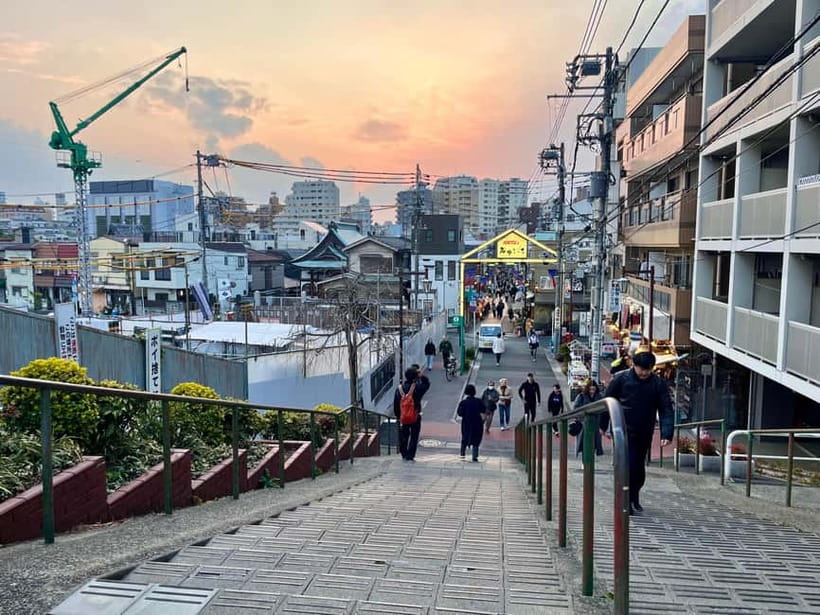
The final major section takes you to Yanaka Ginza, a nostalgic shopping street about 170 meters long with around 70 shops. It is a more social and active part of the route than the residential lanes, though the walk remains focused on local food and neighborhood shopping.
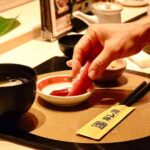
Two or three street-food items are included. The available choices can change, so the experience is best approached as a tasting walk rather than a fixed meal. You might sample savory snacks, sweets, or other small local treats while moving along the street.
This is a practical part of the tour for first-time visitors. Ordering street food in Japan can feel uncertain when you do not know the customs, ingredients, or portion sizes. With Narumi nearby, you can ask what something is and how it is usually eaten. You also avoid spending your whole break trying to translate menus or decide where to begin.
The food is not meant to replace lunch. Two or three small items give you a taste, but you may want a full meal later. The tour finishes at Nippori Station, so you can continue exploring, catch a train, or make your own food plans after the walk.
Yanaka Ginza can also be busier than the quieter lanes. That contrast is useful: you see both the calm residential side of Yanesen and the neighborhood’s more social shopping center.
What the private format adds
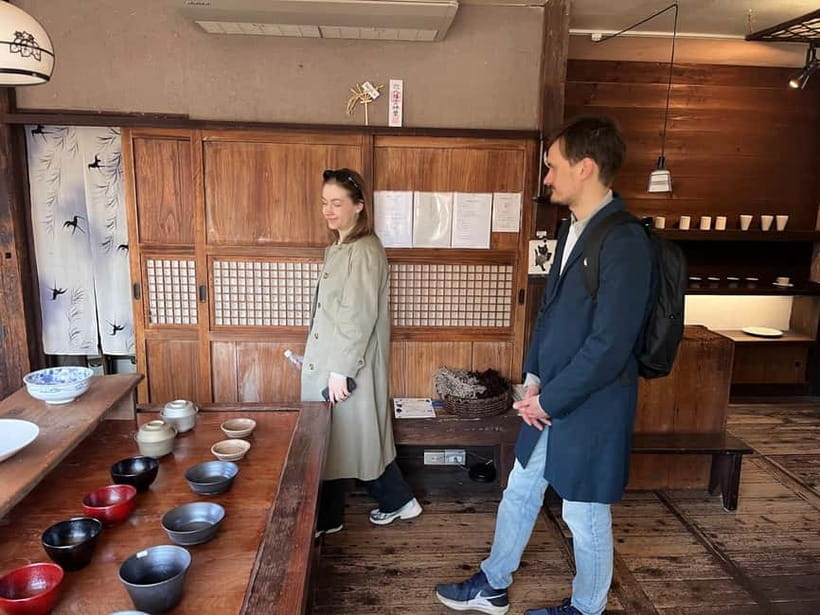
This is a private group tour with an English-speaking guide. That matters in a district where much of the pleasure comes from questions and small observations rather than a fixed set of grand attractions.
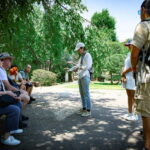
With a private guide, you can ask for more detail about shrines, temples, food, crafts, or local customs. You can also tell Narumi if you want to spend more time looking at shops or keep moving through the back streets. The pace is described as relaxed, and that suits Yanaka better than a rushed schedule.
Narumi’s manner is one of the tour’s major strengths. The available feedback describes her as warm, easy to spend time with, and good at making the neighborhood feel like a walk with a friend. It also praises the way she explains the relationship between Buddhism and Shinto in plain terms. That is important because religious customs can be confusing if they are reduced to a few photo stops.
The private format usually costs more than joining a large group, but the price here is $58 per person and includes a café drink, two or three street-food items, and an omikuji. For three hours of guiding, food, and cultural context, I consider that a fair value if you want a personal introduction to Tokyo’s old-town side.
The price is less compelling if you mainly want independent wandering. You can walk around Yanaka without a guide, and the shopping street is open to everyone. The added value comes from interpretation, pacing, and the chance to ask questions as the area unfolds.
Timing, route, and practical fit

The total duration is three hours. The stated route begins at Nezu Station Exit 1 and ends at Nippori Station. That start and finish are useful because you do not need to return to the original meeting point.
Expect to spend the full time on foot, with a short café rest. Wear comfortable shoes and bring water, particularly in warm weather. The route includes shrine grounds, narrow streets, shopping areas, and residential lanes, so easy walking shoes will serve you better than dress shoes.
The tour is conducted in English and is offered as a private group experience. Starting times vary, so check availability when booking. You can cancel up to 24 hours ahead for a full refund, and the reserve-now, pay-later option can help if your Tokyo schedule is still changing.
No separate accessibility details are provided, so ask the operator directly if you need specific information about walking surfaces, stairs, seating, or mobility equipment. The route includes a shrine, back streets, and a shopping street, and conditions may differ from one section to another.
Who should choose this walk
You are likely to enjoy this tour if you:
- Prefer neighborhood life to major sightseeing queues
- Like temples, shrines, old buildings, and local customs
- Want a calm introduction to Tokyo after time in busier districts
- Enjoy trying small foods rather than sitting down for a formal meal
- Like art, antiques, handmade goods, and unusual souvenirs
- Appreciate a private guide who can adjust the pace and answer questions
Families and older visitors may appreciate the slower rhythm, though everyone should be comfortable walking for much of three hours. Food-focused visitors should see the tastings as a bonus, not the main event. The tour is cultural and local first, culinary second.
It may not suit you if you want a packed schedule, major Tokyo landmarks, extensive shrine history, or a full lunch. The route favors atmosphere, explanation, and small discoveries.
The final call on the Yanaka Old Town walk
I would book this tour if you want to understand Tokyo beyond its famous center. Narumi’s personal guidance, the calm back streets, and the mix of shrine customs, local food, art, and daily life give the three hours a clear purpose.
At $58, the included drink, street food, and omikuji make the cost reasonable, especially for a private English-language walk. Just keep your expectations in the right place. You are paying for a thoughtful neighborhood introduction, not a checklist of headline sights.
Choose it during the first few days of your visit if you want cultural bearings, or later if you need a quieter break from central Tokyo. If that sounds like your kind of afternoon, Yanesen is a fine place to slow down.
FAQ
Where does the Tokyo Yanaka Old Town Walking Tour begin?
The tour begins at Nezu Station Exit 1.
Where does the tour finish?
The walk ends at Nippori Station.
How long does the tour last?
The tour lasts three hours.
Is the tour private?
Yes. It is offered for a private group and includes an English-speaking live guide.
What is included in the tour price?
The price includes one drink at a local café, two or three street-food items from local shops in Yanaka, and an omikuji fortune slip at Nezu Shrine.
Can I cancel for a full refund?
Yes. You can cancel up to 24 hours in advance for a full refund. You can also reserve now and pay later.
More Guided Tours in Tokyo



More Walking Tours in Tokyo
More Ueno & Yanaka Walks in Tokyo
More tours in Tokyo we've reviewed












Ueno & Yanaka Walks, compared.
 ★ 5.0Eat and Drink Like a Local: Tokyo Ueno Food Tour-Taverns&RamenFrom $95
 ★ 4.5The Old Quarter of Tokyo – Yanaka Walking TourFrom $40
 ★ 5.0Yanaka Walking Tour: Historic and Traditional District of TokyoFrom $72
 ★ 4.8Tokyo: Old Quarter Yanaka Walking TourFrom $323 hours
 ★ 5.0Tokyo: Food Tour in Ueno with 10+ Tastings of Japanese ClassicsFrom $142
 ★ 4.9Tokyo:Stroll in Old traditional culture towns~Yanaka & NezuFrom $293h 30m