Reviewed · TOKYO FOOD TOURS
Kawaii Food Tour of Harajuku Tokyo
Harajuku serves up more than sweet snacks. This three-hour walk pairs kawaii food culture with the very different streets of Omotesando, taking you from regional foods and design shops to colorful desserts on Takeshita Street. The small group, capped at 10, keeps the outing personal.
In This Article
- Key points to know before you book
- Why this Harajuku food walk works
- Meeting at Nescafé Harajuku
- Omotesando, where food meets design
- Kiddyland and Harajuku’s pop culture side
- The cat café and Daiso stops
- A colorful lunch with a hands-on element
- Takeshita Street and the sweet finish
- What the $209 price really buys you
- Who should book this experience
- Timing, weather, and changes to expect
- Should you book the Kawaii Food Tour?
- FAQ
- How long does the Kawaii Food Tour last?
- What time does the tour start?
- Where does the tour begin?
- Where does the tour finish?
- How many people can join the tour?
- What food and drinks are included?
- Is the tour suitable for special diets?
- Can I cancel for a full refund?
I like the mix of food and neighborhood context, and I like that lunch is hands-on rather than just another plate placed in front of you. Guides such as Hannah and Michie have been praised for patience, local knowledge, and finding stops you might miss on your own.
The main drawback is the price: $209 per person is a serious outlay for a three-hour food walk. It makes the most sense for families and first-time visitors who want a guide to organize the food, route, and cultural context in one compact outing.
Key points to know before you book

- A five-stop food walk: Food samples, lunch, dessert, and one drink are included.
- Two contrasting Tokyo districts: You explore polished Omotesando and youthful Harajuku, ending near Takeshita Street.
- A hands-on lunch: The meal includes a chance to make a traditional Japanese soul food.
- A small, family-friendly group: The maximum is 10 people, and children must be accompanied by an adult.
- A kawaii-focused route: Expect colorful sweets, candy, creative pastries, pop-culture shops, and photo-friendly food.
- Dietary limits matter: Vegetarian, vegan, and pescetarian diets are supported, but the tour is not recommended for gluten-free diners.
Why this Harajuku food walk works

Harajuku is easy to reduce to one crowded shopping street and a parade of cute desserts. This tour gives you a wider view. You spend time in both Harajuku and Omotesando, two adjoining districts with very different personalities.
Omotesando is known for fashion, architecture, art, and design. Harajuku brings youth culture, character shops, playful food, and Takeshita Street. That contrast gives the walk a useful shape. You are not simply eating from one counter to the next. You are moving through the districts that made this part of Tokyo famous.
The tour begins at 11:30 a.m. and lasts about three hours. That timing turns it into lunch, though the food stops and sweets may leave you full enough to count it as an afternoon meal too. I would avoid booking a large dinner immediately afterward.
The group limit of 10 is one of the better features. A guide can answer questions and keep the route moving without the stop-and-start feel of a large coach outing. It also helps families. Hannah, one guide named in the feedback, was especially patient with a toddler, while Michie was praised for combining food stops with stories about Harajuku.
A few more Tokyo tours and experiences worth a look

Meeting at Nescafé Harajuku
The meeting point is in front of the parking sign at Nescafé Harajuku, at 1-chōme-22-8 Jingūmae. You should arrive with the location already saved on your phone. Harajuku has many busy corners and several tempting distractions, so a clear map pin will save time.
The opening five minutes are mainly for meeting the guide and getting the group together. From there, you begin exploring Harajuku and Omotesando on foot.
There is no hotel pickup, and transport costs are not included. That is not a major problem for a walking tour, but it means you need to arrange your own way to the start. The meeting point is near public transportation, and the tour finishes at Harajuku Station.
Omotesando, where food meets design

The first substantial section takes place in Omotesando and lasts about an hour. This is the calmer, more polished side of the route, with fashion, design, architecture, and high-end shops shaping the streetscape.
You also learn about Japan’s antenna shops. These stores promote products from different regions of Japan, giving you a chance to sample local foods beyond the usual Tokyo choices. That is a useful touch because it adds a wider national flavor to a neighborhood often associated only with fashion.
The food here is not limited to dessert. The tour includes local specialties and food samples at five stops overall, so you can expect a mix rather than a single type of snack. Exact foods can change because restaurants, holidays, weather, and schedules affect the route.
This part is valuable if you want more than a sugar rush. The guide can explain what you are eating and why regional foods appear in Tokyo shops. You also get a better sense of how Omotesando differs from the younger, louder Harajuku streets.
The trade-off is pace. An hour of walking and food sampling can feel short if you want to browse every shop or stop for photographs. This is a guided food route, not a free afternoon for shopping.
Kiddyland and Harajuku’s pop culture side

Kiddyland is listed along the route, as is the LINE FRIENDS flagship store in Harajuku. These stops fit the tour’s kawaii theme and show how character culture is built into everyday shopping in Tokyo.
You should think of these places as cultural waypoints, not guaranteed shopping time. The stated schedule gives the LINE FRIENDS stop only about a minute, while Kiddyland is included without a set duration. That suggests the guide may use the shops to explain the area and point out what makes Harajuku’s retail culture distinctive.
This is especially useful for families with children. Young fans may recognize characters and enjoy the color and displays, while adults get a quick look at the commercial side of Japanese pop culture. If you are not interested in character goods, these stops may feel less important than the food portions.
A short stop can still help you understand the area. Harajuku’s appeal is not only its sweets. It is also the way fashion, characters, design, and youth trends share the same few streets.
The cat café and Daiso stops

Cat Cafe Mocha and Daiso Harajuku are also named on the route. The available information does not promise a set café visit, a cat interaction, or a shopping allowance, so you should not book this tour specifically for those activities.
Instead, treat them as part of the neighborhood walk. Cat cafés are closely tied to Tokyo’s playful urban culture, while Daiso represents the practical, low-cost side of Japanese shopping. Together, they add variety to the more polished Omotesando section and the character-focused shops.
The route may change if a business is closed or schedules shift. The provider notes that substitutions can be made for restaurant schedules, public holidays, poor weather, or other unexpected issues. That flexibility protects the day, but it also means the exact order and stops are not fixed.
A few more Tokyo tours and experiences worth a look


A colorful lunch with a hands-on element

The lunch is the tour’s central hook. You are promised a colorful, pop-culture-style meal, and the experience includes a chance to try making a traditional Japanese soul food popular with locals.
That hands-on element matters. You are not just photographing a bright plate and moving on. You get to take part in preparing one of the foods, which gives the meal a bit more character and makes it easier to remember afterward.
The exact dish is not specified, so I would not book this expecting one particular recipe. The useful point is that lunch combines food, presentation, and participation. It also helps explain why the tour is priced higher than a simple self-guided snack crawl.
Lunch is included, along with food at five stops, dessert, and one drink. Additional drinks and food cost extra. Because the menu can change, the tour is best for people who enjoy trying what is served rather than choosing every item in advance.
Takeshita Street and the sweet finish

The tour finishes around Wolfgang Puck Express Harajuku Takeshita Street and ends at the top of Takeshita-dori, in front of the lower entrance to Harajuku Station. This puts you right beside one of the area’s best-known shopping streets.
The final food portion focuses on trendy, colorful sweets. It is designed to be highly photogenic, which suits Harajuku’s style. You may find creative pastries, candy, and other playful desserts, though the exact choices can change.
Takeshita Street is an energetic ending because it brings together much of what the tour has introduced: youth fashion, novelty food, character culture, and tightly packed shops. It can also be the most hectic section. If you prefer quiet streets, this is where the outing may feel crowded and noisy.
The finish is practical. From Harajuku Station, you can continue to another Tokyo neighborhood or return to your hotel without arranging a separate transfer. Just remember that the tour does not include transportation.
What the $209 price really buys you

At $209 per person, this is not a bargain snack tour. You are paying for a local guide, five food stops, lunch, dessert, one drink, and a planned route through two major districts. You are also paying for the convenience of not having to research where to go, how to order, or which stops fit together.
The value is strongest for a family or small group that wants a structured introduction to Harajuku. A good guide can make the day easier, especially when children need patience or when you want explanations along the way. Hannah’s patience with a toddler is the kind of detail that matters more than a long list of stops.
Michie’s role also shows the benefit of a guide who can connect food with local history and neighborhood stories. If you would otherwise spend hours deciding where to eat and what to see, the bundled format can justify part of the cost.
The value is weaker for confident Tokyo visitors who already know Harajuku, speak enough Japanese to order comfortably, and mainly want inexpensive sweets. Those visitors may prefer to explore Takeshita Street and Omotesando independently, spending far less.
Who should book this experience
I would recommend it most strongly to families, first-time Tokyo visitors, and anyone drawn to Japanese pop culture. The format is friendly to children, and the food is presented as part of the fun rather than as a formal tasting lesson.
It also suits people who want both sweet and savory food. The route includes more than desserts, plus regional foods and local specialties. The final sweets are a major part of the appeal, but they do not represent the entire meal.
You need a moderate level of physical fitness. The outing lasts three hours and involves walking through busy city districts. Wear comfortable shoes, and leave room in your schedule rather than rushing straight to another timed attraction.
Vegetarian, vegan, and pescetarian diners can be accommodated according to the information provided. The tour is not recommended for gluten-free diners. If food allergies or strict dietary needs are important, confirm the arrangements before booking.
Timing, weather, and changes to expect
The tour starts at 11:30 a.m., which is a sensible time for lunch stops and an afternoon finish. You should arrive ready to walk and eat, not expecting hotel collection or a private vehicle.
Weather can affect the outing. The experience requires good weather, and if poor conditions cause cancellation, you are offered another date or a full refund. The provider also requires a minimum number of people, so a low booking count can lead to a date change or refund.
The route may change because of restaurant schedules, public holidays, weather, or other issues. This is worth keeping in mind if one particular shop is your main reason for booking. The food-focused format remains the point, but individual stops are not guaranteed.
Booking confirmation is provided at the time of purchase, and same-day booking is available. Children must be accompanied by an adult, and a copy of passport information is required for children aged 10 and above.
Should you book the Kawaii Food Tour?
Book it if you want a guided, family-friendly introduction to Harajuku that combines food, shops, local context, and a hands-on lunch. The small group, included food, and strong guide feedback make it more useful than simply paying for a string of sweets.
Think twice if $209 feels high for three hours, or if you need a gluten-free menu. You may also prefer independent exploring if your main goal is shopping or if you already know Omotesando and Takeshita Street.
For the right audience, this is a cheerful and well-organized way to meet Harajuku. Go for the mix of districts, the chance to make part of lunch, and the help of a guide such as Hannah or Michie. Do not go expecting a fixed menu or a quiet walk.
FAQ
How long does the Kawaii Food Tour last?
The tour lasts approximately three hours.
What time does the tour start?
The starting time is 11:30 a.m.
Where does the tour begin?
It begins at 1-chōme-22-8 Jingūmae, Shibuya, Tokyo 150-0001, in front of the parking sign at Nescafé Harajuku.
Where does the tour finish?
It finishes at Harajuku Station, at the top of Takeshita-dori in front of the lower entrance to the station.
How many people can join the tour?
The tour has a maximum of 10 participants.
What food and drinks are included?
Food at five stops, lunch, dessert, and one drink are included. Additional food and drinks are not included.
Is the tour suitable for special diets?
The tour is suitable for vegan, vegetarian, and pescetarian diners. It is not recommended for people who require gluten-free food.
Can I cancel for a full refund?
Yes. You can cancel at least 24 hours before the local start time for a full refund. Changes or cancellations made less than 24 hours before the start time are not accepted for a refund.
More Food Experiences in Tokyo
More Tokyo Food Tours in Tokyo
More tours in Tokyo we've reviewed












Tokyo Food Tours, compared.
 ★ 5.0Tokyo: Shinjuku Food Tour (13 Dishes at 4 Local Eateries)From $86
 ★ 4.9Tokyo: Shinjuku Food Tour (13 Dishes and 4 Eateries)From $97
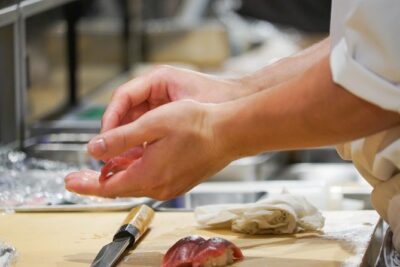 ★ 5.0Tokyo Night Foodie Tour in Shinjuku – Seasonal Sushi, Wagyu BeefFrom $111
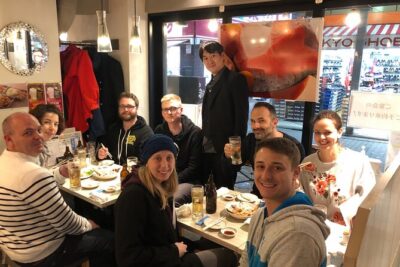 ★ 5.0Eat and Drink Like a Local: Tokyo Ueno Food Tour-Taverns&RamenFrom $95
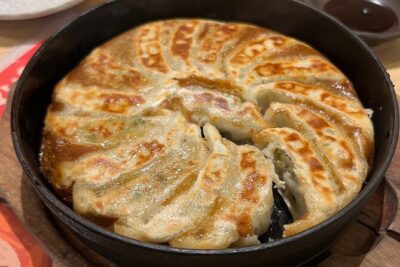 ★ 5.0Tokyo: Shibuya Food Tour (13 dishes and 4 Eateries)From $77
Tokyo: Shinjuku Food Tour – 15 Dishes, 3 Drinks, 4 EateriesFrom $723 hours
★ 5.0Tokyo: Shibuya Food Tour (13 dishes and 4 Eateries)From $77
Tokyo: Shinjuku Food Tour – 15 Dishes, 3 Drinks, 4 EateriesFrom $723 hours