Reviewed · TSUKIJI MARKET TOURS
Tsukiji Fish Market: Street Food & Culture Walking Tour
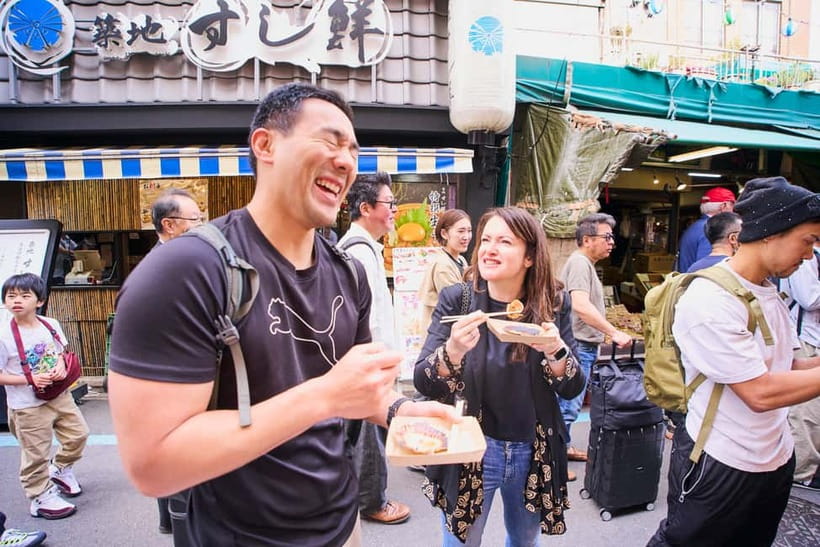
Tsukiji is best understood one bite at a time. This two-hour walk takes you through the outer market, where food stalls, seafood shops, and traditional cooking methods give you a close look at daily food culture in Tokyo. The fish-cutting demonstration is the tour’s most distinctive feature, followed by a seafood bowl and time among working market traders.
In This Article
- Key points to know before you book
- Why Tsukiji still matters after the wholesale market moved
- Meeting at Tsukiji Hongwanji Temple
- Sampling street food at Tsukiji Jogai Market
- Watching a whole fish become a seafood bowl
- Seeing the working side of Tsukiji
- How the small-group promise works in practice
- What the $33.16 price really covers
- Timing, comfort, and practical planning
- Who will enjoy this Tsukiji walk most
- FAQ
- How long does the Tsukiji Fish Market walking tour last?
- Where does the tour meet?
- Where does the tour end?
- Is food included in the tour price?
- Is the tour wheelchair and stroller accessible?
- How large can the group be?
- What happens if the tour is canceled because of bad weather?
- Should you book this Tsukiji experience?
I like the small-group format, which gives a guide more room to explain ingredients and help you choose what to try. I also like the mix of food and culture: you visit Tsukiji Hongwanji Temple, learn about Buddhism, and see how the market functions rather than simply wandering from stall to stall.
The main drawback is that Tsukiji can be crowded and hectic, especially near New Year. Some people have found the walking pace uneven, with waiting at stalls or difficulty hearing a quiet guide. Food is not included in the price, so your final cost will depend on how much you sample.
Key points to know before you book
- The fish-cutting demonstration is the tour’s signature moment: See a whole fish filleted with traditional techniques, then enjoy a fresh seafood bowl.
- You eat your way through Tsukiji Jogai Market: The guide points out food stalls and explains Japanese ingredients and cooking customs.
- The experience includes a Buddhist temple visit: Tsukiji Hongwanji adds a cultural stop before or during the market walk.
- The tour lasts about two hours: That is enough for an introduction, but not enough for a slow, independent market crawl.
- The tour is wheelchair and stroller accessible: It begins and ends at Tsukiji Hongwanji Temple, near public transportation.
- Your food bill is extra: The $33.16 tour price covers the guided experience, not meals or every item you may want to taste.
Why Tsukiji still matters after the wholesale market moved
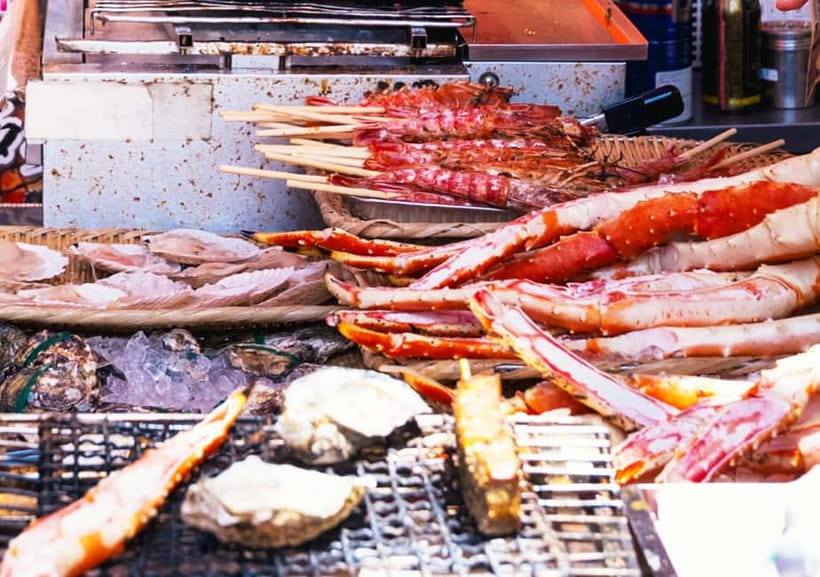
Many people arrive in Tokyo expecting Tsukiji to be the city’s main wholesale fish market. The famous inner wholesale operation moved to Toyosu, but Tsukiji Jogai Market remains a useful place to experience seafood shops, prepared foods, cooking ingredients, and market traditions.
That distinction matters. This is not a behind-the-scenes visit to the wholesale auction. Instead, you walk through the public market area where you can see the food culture that makes Tsukiji such a popular stop. Professional traders still operate in parts of the market, and the atmosphere can feel busy, close, and practical rather than polished for sightseeing.
I like having a local guide here because Tsukiji is easy to enter but harder to read. A guide can explain what you are looking at, point out ingredients, and help you make sense of the many small food businesses packed into the area. Without that help, you may simply follow the crowd and miss the context.
The tradeoff is that a guided route gives you less freedom. If you already know what you want to eat, you may prefer to stroll on your own and spend longer at selected stalls. If you want a first orientation, the tour makes the market less confusing.
A few more Tokyo tours and experiences worth a look

Meeting at Tsukiji Hongwanji Temple
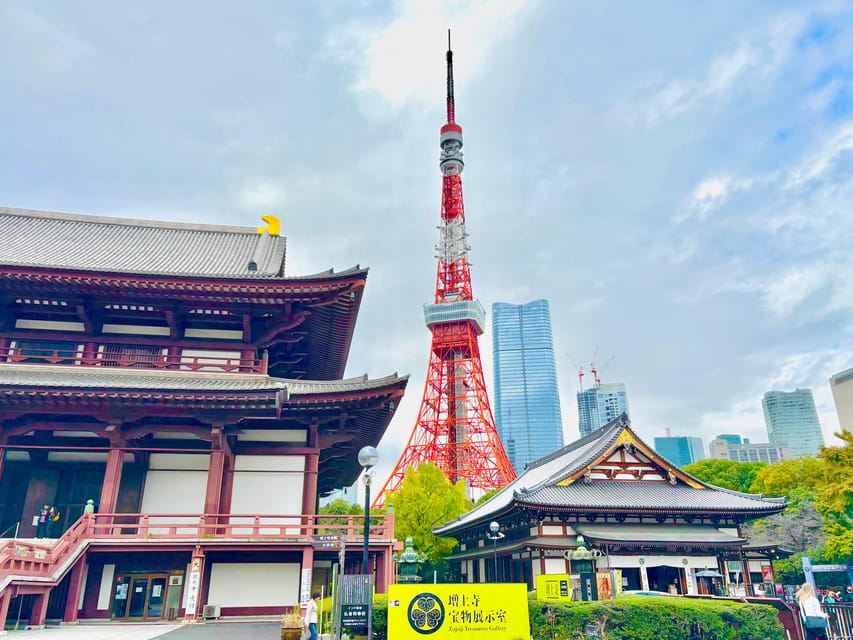
The tour starts at Tsukiji Hongwanji Temple, at 3-chōme-15-1 Tsukiji. This is a practical meeting point because the temple is easy to identify and the area is close to public transportation. The activity returns to the same meeting point at the end.
The temple is more than a place to gather. During the visit, your guide explains its appeal along with Buddhist culture and history. The temple stop lasts about 15 minutes, so expect an introduction rather than a long religious tour.
That short visit works well as a change of pace before the food stalls. Tsukiji can quickly become a whirl of smells, signs, people, and small purchases. A temple stop gives you a calm cultural frame for the neighborhood and helps explain that Tsukiji is not only about eating.
Still, keep your expectations in check. If your main interest is architecture or Buddhist practice, 15 minutes will feel brief. One person found the temple added little to the experience, while another appreciated beginning there. I would treat it as a useful opening, not the main reason to book.
Sampling street food at Tsukiji Jogai Market
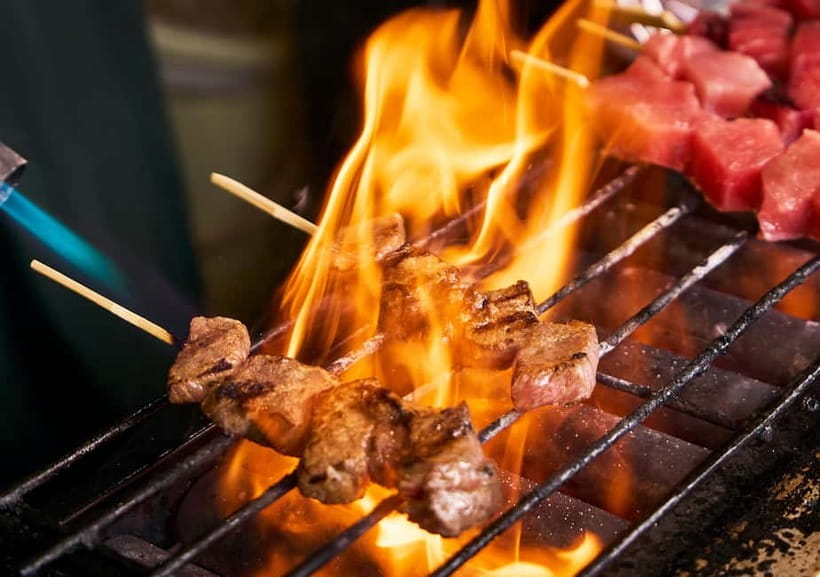
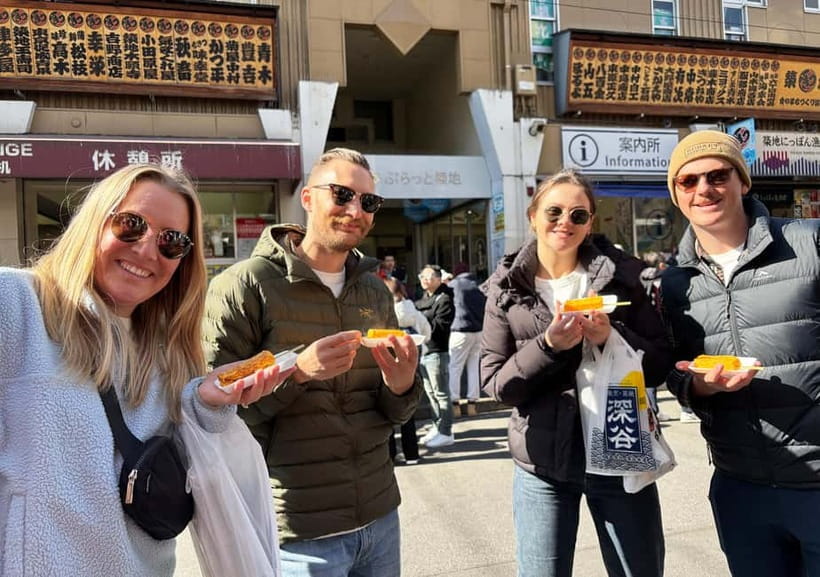
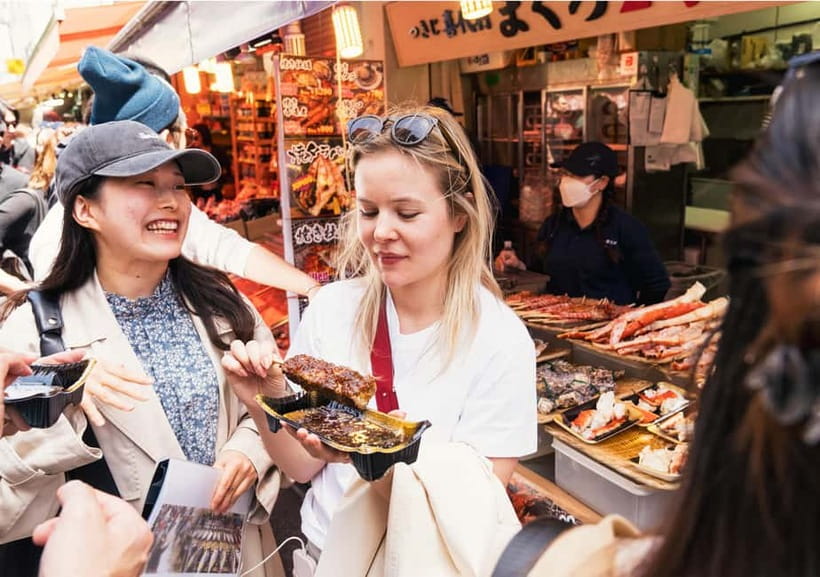
The first substantial part of the walk takes about 45 minutes in Tsukiji Jogai Market. This is where the tour focuses on Japanese food culture, local ingredients, and street food.
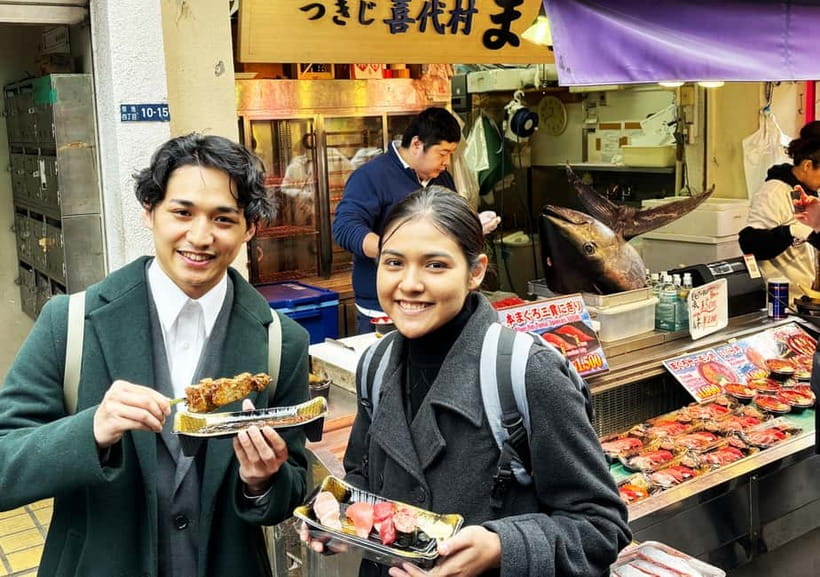
The guide’s role is especially useful here. Rather than handing you a fixed meal, the guide takes you to places where you can see what is being sold and decide what interests you. You may encounter seafood, prepared foods, and other market ingredients, but the exact stalls and samples can vary.
The food element is also the part most likely to shape your budget. Meals are not included, so the $33.16 price is for the guide and tour structure. You should bring extra money if you want to eat along the route or buy something to take away.
That arrangement has both good and bad sides. You are not paying in advance for food you may dislike, and you can choose according to your appetite. On the other hand, anyone expecting an all-inclusive tasting tour may find the final cost higher than the advertised price.
Guides named George and Tomo have been praised for finding good places to try and explaining the market clearly. The strongest food-focused experiences seem to depend heavily on the guide’s energy and communication. Ask questions, stay close, and tell the guide what you can and cannot eat if you need particular help.
Watching a whole fish become a seafood bowl
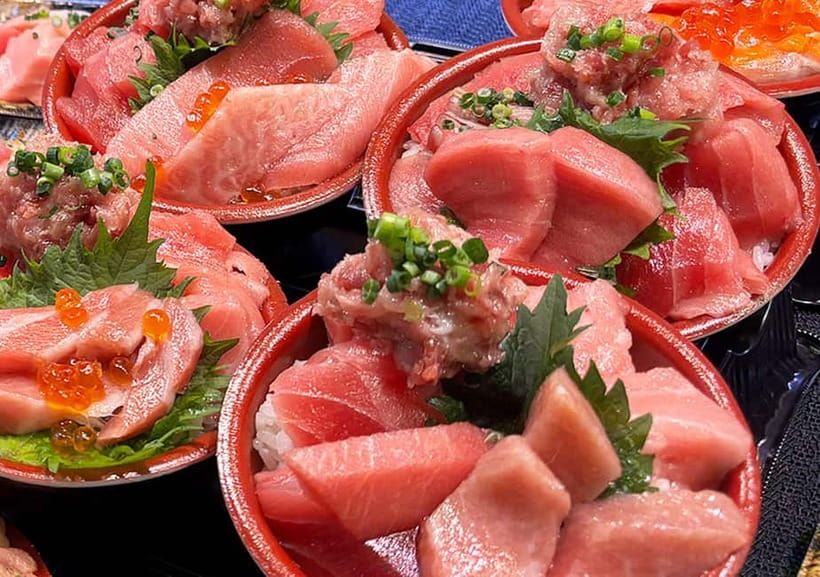
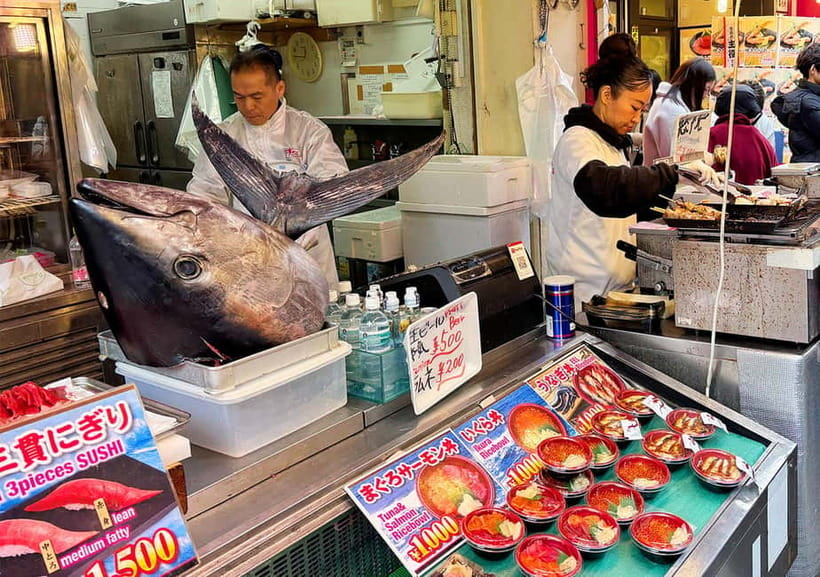
The fish-cutting show lasts about 30 minutes and is included in the activity. A skilled chef fillets a whole fish using traditional techniques, then you enjoy a fresh seafood bowl and learn about the craftsmanship involved.
This is the most unusual part of the experience. Food preparation becomes a performance, but it is not only a show. The technique helps you understand the care and skill behind Japanese seafood cooking. Seeing the fish handled from start to finish gives more meaning to the dishes you encounter in the market.
The supplied details also state that meals are not included, so clarify what you will pay for at the seafood bowl. The bowl is part of the scheduled experience, but the cost of food remains outside the tour price. That small distinction is worth knowing before you arrive.
The demonstration may be the best value in the tour because it is difficult to recreate by simply wandering around Tsukiji. You can browse stalls independently, but you are unlikely to receive a planned explanation of traditional filleting techniques followed by a seafood tasting.
If you are uncomfortable with fish preparation, this section may not suit you. For anyone interested in Japanese cooking, ingredients, or professional food skills, it adds substance to what could otherwise be a basic snack walk.
Seeing the working side of Tsukiji
Another 30 minutes is spent in the Tsukiji Fish Market area, where professional traders operate. This section gives you a chance to look beyond the stalls aimed mainly at casual shoppers.
The value here lies in observation. You can see how a market works while your guide explains the connection between the food on display and the broader culture of Japanese cooking. The experience is not presented as a formal wholesale tour, so you should expect to observe rather than enter restricted work areas.
This stop can also be the least comfortable part of the walk. Tsukiji’s lanes may be crowded, and the group needs to keep moving without blocking people who are working. A few people have found the tour disorganized in heavy crowds, and one person said the guide did not always wait for the whole group.
That is a real concern for anyone with mobility needs, small children, or difficulty walking at a group pace. The tour is described as wheelchair and stroller accessible, but access does not guarantee an easy route at every moment. Market crowds, narrow passages, and pauses at food stalls can still affect how comfortable the walk feels.
Other walking tours we've reviewed in Tokyo



How the small-group promise works in practice
The tour can take up to 30 people, so small-group wording deserves a careful reading. A group of 30 is smaller than a huge bus outing, but it is not intimate. The experience will feel most personal when attendance is lower.
A smaller group allows the guide to focus more on individual questions and food preferences. That matters in Tsukiji, where you may need help understanding ingredients or deciding what to try. It also makes it easier to stay together in crowded lanes.
The downside is that crowd control becomes important. A guide who speaks softly may be hard to hear beside market noise. One person specifically had trouble hearing the guide, while another found the route involved too much stopping and waiting.
I would stay near the guide from the start and speak up quickly if you cannot hear. If you are visiting during a busy holiday period, allow for a more crowded and less relaxed experience. The tour operates in a public market, so no guide can control every delay or bottleneck.
The feedback on guides is mixed in a useful way. George and Tomo have been singled out for clear explanations and good food choices, while another experience suffered from a guide who spoke too quietly. Your enjoyment may depend as much on the individual guide and group size as on the route itself.
What the $33.16 price really covers
At $33.16 per person, this is a modestly priced guided introduction to Tsukiji. You are paying for local orientation, explanations about Japanese cooking and ingredients, the market route, the fish-cutting show, and the temple visit.
You are not buying a full meal. Food costs are excluded, so think of the price as an admission and guiding fee. If you purchase several samples or a seafood bowl, your total spending will rise.
The tour offers good value if you want structure and cultural explanation. The fish-cutting demonstration is a stronger reason to pay than the simple market walk, since you could explore the public areas without a guide. The temple adds a short cultural layer, though it may not satisfy anyone seeking a detailed temple visit.
I would skip the tour if you are comfortable navigating Tokyo on your own, have limited interest in guided explanations, or want to spend a long time choosing food independently. Tsukiji is open to exploration, and the basic market atmosphere does not require a ticket.
I would pay for it if you have only a short time in Tokyo and want a compact introduction with food, market life, cooking technique, and Buddhism in one route. The value is strongest when you ask questions and try at least some of the food.
Timing, comfort, and practical planning
The activity lasts about two hours, which makes it easy to fit into a Tokyo morning or pair with another Chuo City sight. The exact time of day is not provided, so check your confirmation carefully and plan to arrive at the temple meeting point before the start.
Wear shoes you can walk in and keep your belongings manageable. The tour moves through a functioning market, not a quiet museum, so you should expect people, activity, and occasional waiting.
Sun exposure may matter. One person explained that they could not remain in the sun and felt that need was not handled well. If you have a health or mobility concern, tell the guide clearly at the start and consider bringing whatever protection or support you need.
The activity requires good weather. If poor weather causes cancellation, you are offered another date or a full refund. You can also cancel for a full refund up to 24 hours before the start time, based on local time. Changes or cancellations inside that 24-hour window are not accepted.
Confirmation is provided when you book. Most people can take part, and the route is listed as wheelchair and stroller accessible. Those facts make the tour workable for many different groups, but crowded market conditions still call for patience.
Who will enjoy this Tsukiji walk most
This tour fits first-time visitors who want a local introduction rather than a simple list of stalls. It also suits anyone curious about Japanese seafood, cooking methods, market customs, and the link between food and culture.
Families may appreciate the short duration and stroller access, though children should be comfortable around crowds and a fish-cutting demonstration. Food-focused visitors will get the most from the ingredients and seafood sections, especially if they ask the guide about preparation and local habits.
The tour is less suited to independent eaters who already know Tsukiji well. It may also disappoint you if you expect a quiet walk, a long temple visit, a wholesale auction, or unlimited food included in the fee.
FAQ
How long does the Tsukiji Fish Market walking tour last?
The tour lasts approximately two hours.
Where does the tour meet?
It starts at Tsukiji Hongwanji Temple, 3-chōme-15-1 Tsukiji, Chuo City, Tokyo 104-0045, Japan.
Where does the tour end?
The activity ends back at the meeting point at Tsukiji Hongwanji Temple.
Is food included in the tour price?
Meals are not included. The route includes a seafood bowl after the fish-cutting show, but food costs are listed separately from the tour price.
Is the tour wheelchair and stroller accessible?
Yes. The experience is described as wheelchair and stroller accessible.
How large can the group be?
The maximum group size is 30 people.
What happens if the tour is canceled because of bad weather?
You will be offered a different date or a full refund if poor weather causes cancellation.
Should you book this Tsukiji experience?
Book it if you want a guided first look at Tsukiji, especially the fish-cutting demonstration, food explanations, and short temple visit. At $33.16, it is a reasonable price for a two-hour introduction, provided you budget extra for anything you eat.
Skip it if your priority is total freedom, a quiet route, or a detailed temple tour. Crowds, waiting, and guide communication can affect the experience, and the market itself is free to explore.
My practical call: choose this tour early in your Tokyo stay, when guidance will help you understand the area and Japanese food customs. Stay close to the guide, speak up if you cannot hear, and arrive ready to pay separately for the dishes that catch your eye.
More Food Experiences in Tokyo

More Walking Tours in Tokyo
More Tsukiji Market Tours in Tokyo
More tours in Tokyo we've reviewed












Tsukiji Market Tours, compared.
 ★ 5.0Tokyo Tsukiji Fish Market Food and Culture Walking TourFrom $99
 ★ 5.0Tokyo: Tsukiji Fish Market Food and Walking tourFrom $30
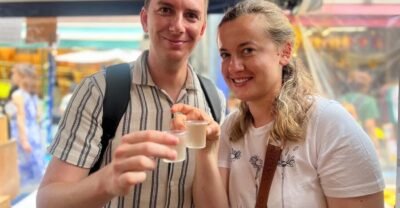 ★ 4.9Tokyo: Tsukiji Fish Market Guided Walking TourFrom $222 hours
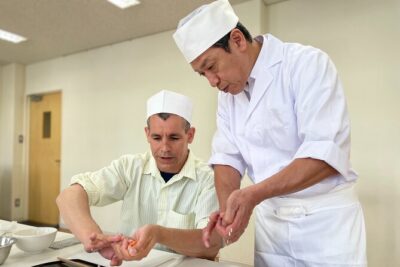 ★ 5.0Tokyo Sushi Making Class in Tsukiji with Professional ChefFrom $49
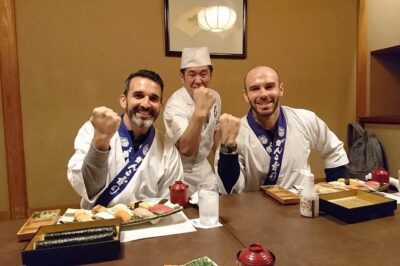 ★ 5.0Tsukiji Fish Market Guided Tour and Sushi Making with Pro ChefFrom $104
★ 4.7Tokyo: Tsukiji Fish Market Food and Culture Walking TourFrom $963 hours
★ 5.0Tsukiji Fish Market Guided Tour and Sushi Making with Pro ChefFrom $104
★ 4.7Tokyo: Tsukiji Fish Market Food and Culture Walking TourFrom $963 hours