
Reviewed · PRIVATE DRIVERS
Tokyo Private Sightseeing Tour by Car – English speaking driver
Tokyo is a huge city, and this private car tour gives you a practical way to connect its far-flung sights in one day. You can move from Tsukiji and Senso-ji to Shibuya and Odaiba without repeatedly figuring out train routes, platforms, and transfers.
In This Article
- Key Points to Know Before Booking
- Why a Private Car Makes Sense in Tokyo
- Tsukiji Outer Market: Start With Tokyo’s Food Culture
- Senso-ji and Asakusa: Tokyo’s Essential Temple Visit
- Tokyo Skytree: Big Views at an Extra Cost
- Imperial Palace: Formal Grounds and Central Tokyo
- Ginza: A Short Look at Tokyo’s Polished Side
- Tokyo Tower: A Classic Symbol With Another Admission Fee
- Harajuku’s Takeshita Street: Youth Style and Crowded Sidewalks
- Shibuya Crossing: Tokyo in Motion
- Odaiba: Open Space Beside Tokyo Bay
- What Your Chauffeur Actually Does
- The Real Value of $277.49
- Who Will Get the Most From This Tour
- Practical Details That Matter on the Day
- Should You Book This Tokyo Car Tour?
- FAQ
- How long does the Tokyo private car tour last?
- How many people can ride in the vehicle?
- Are hotel pickup and drop-off included?
- Are entrance fees included?
- Is this a guided walking tour?
- Can the itinerary be changed?
I like the hotel pickup and drop-off, especially for first-time visitors, families, and anyone tired of walking. I also like the flexible schedule: drivers such as Jason, John, Lookman, and Asi have adjusted routes around family interests, photo stops, and limited departure times. The main drawback is that this is primarily a private driving service, not a traditional walking tour with a guide explaining every monument in detail.
Key Points to Know Before Booking
- Private car for up to six people: The advertised price is $277.49 per group of up to three, while the vehicle can accommodate as many as six.
- Nine suggested Tokyo stops: The route can include Tsukiji, Senso-ji, Skytree, the Imperial Palace, Ginza, Tokyo Tower, Takeshita Street, Shibuya Crossing, and Odaiba.
- Built for efficient sightseeing: You avoid much of the effort involved in crossing Tokyo by public transportation.
- Mostly self-guided at each stop: Your chauffeur gives information during the drive, while you generally explore the attractions on foot by yourself.
- Tower tickets cost extra: Admission to Tokyo Skytree and Tokyo Tower is not included.
- Good for families and changing plans: The air-conditioned car offers a welcome break, and the itinerary can be adapted to your priorities.
Why a Private Car Makes Sense in Tokyo
Tokyo is easy to explore by train once you understand it, but the city’s major sights are spread over a wide area. Tsukiji is in the southeast, Asakusa is farther northeast, Shibuya and Harajuku are to the west, and Odaiba sits across Tokyo Bay.
A car will not remove all traffic, but it does remove much of the mental work. You are not checking train maps between every stop, searching for elevators, or guiding a group through crowded stations. That matters most when you have only one full day in Tokyo, are traveling with children, or want to give older family members a break.
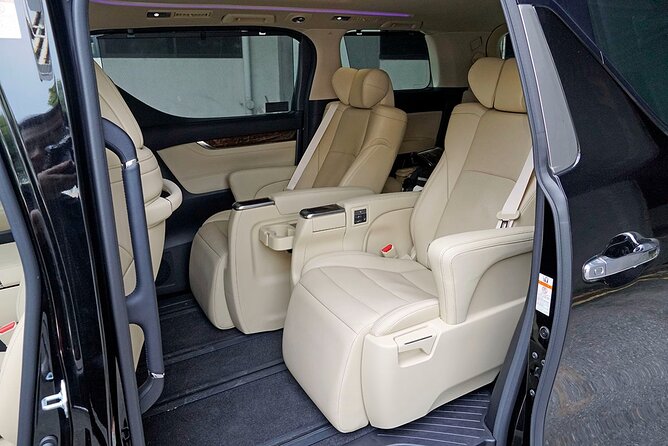
The tour lasts about eight to nine hours, beginning at 9:00 a.m. Hotel pickup and drop-off are offered in Tokyo. The private vehicle is air-conditioned, and fuel, parking, and toll fees are included. That last point is useful because unexpected road charges can otherwise make a full day by car harder to budget.
The experience is best understood as a flexible sightseeing day with a chauffeur who can also provide commentary. It is not the same as hiring a dedicated walking guide at every temple, market, or neighborhood.
Other private tours in Tokyo

Tsukiji Outer Market: Start With Tokyo’s Food Culture
Tsukiji Outer Market is a lively first stop and a sensible place to begin. The wholesale fish market moved to Toyosu, but the outer market remains packed with food shops, kitchenware sellers, small restaurants, and long-running vendors.
You have about an hour here, with no admission charge. Use the time to look at the ingredients and cooking tools that shape Japanese food, then choose a small bite if something catches your eye. The market works best when you treat it as a place to wander rather than a single sight to check off.
An hour goes quickly. If food is a major reason you booked the tour, tell your chauffeur before the day begins so this stop receives enough attention. If you are less interested in eating, Tsukiji can be shortened to protect time for another neighborhood.
Senso-ji and Asakusa: Tokyo’s Essential Temple Visit
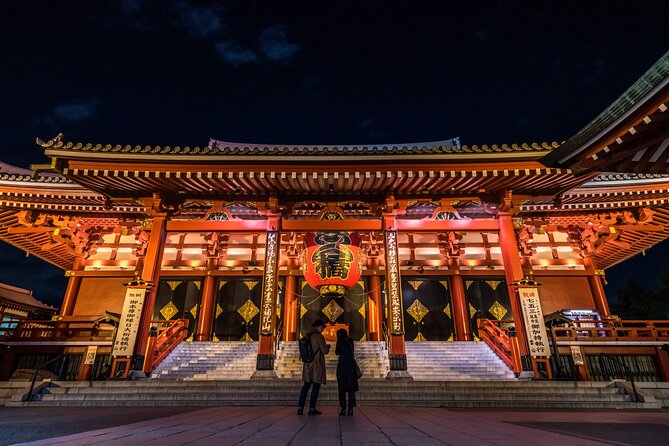
Senso-ji is one of Tokyo’s most important sights and a natural companion to Tsukiji. The approach leads through the famous Kaminarimon Gate and Nakamise shopping street, where stalls sell snacks, souvenirs, and traditional goods before you reach the temple grounds.
The temple has more than 1,400 years of history and is dedicated to Kannon, the Buddhist deity of compassion. You do not need to be religious to appreciate the scale, ritual, and atmosphere of the place. This is one of the stops where walking is necessary, since the car cannot take you through the temple approach.
Plan on crowds, particularly around the main gate and shopping street. Wear comfortable shoes and keep your belongings close in the busiest areas. The tour allows about an hour, which is enough for the main approach and temple grounds, though not for a slow exploration of every corner of Asakusa.
Some chauffeurs accompany visitors during the walk, while the usual arrangement is that you explore the stop independently. If detailed explanations inside the temple are important to you, ask about the guiding style when you book.
Tokyo Skytree: Big Views at an Extra Cost
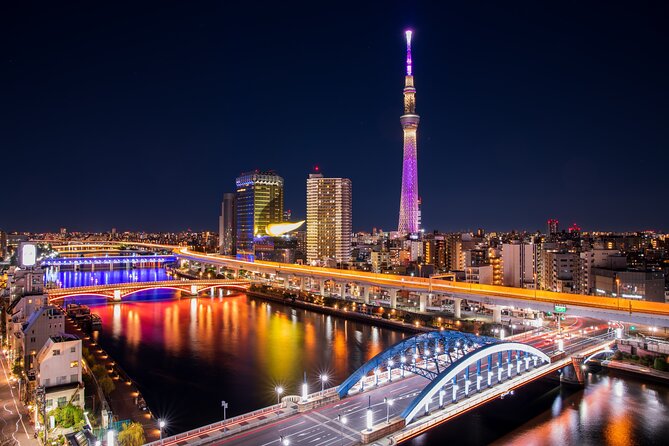
Tokyo Skytree rises 634 meters above the city and offers observation decks at 350 and 450 meters. On a clear day, the height gives you a broad view over Tokyo and far beyond the immediate neighborhoods.
The scheduled stop is about an hour, but the observation deck ticket is not included. You will need to pay admission separately, and the time required to enter may affect the rest of the route. If you want to go up, say so at the start of the day rather than treating the tower as a quick photo stop.
Skytree is particularly useful if you want to understand Tokyo’s scale. From street level, the city can feel like a series of separate districts. From above, you see how far the built-up area extends and why a car can be helpful for a highlights day.
There is one practical choice here: Skytree and Tokyo Tower both offer high views, but visiting both observation decks may use too much of an eight-hour schedule. You can keep one tower as your main paid attraction and enjoy the other from ground level.
Imperial Palace: Formal Grounds and Central Tokyo
The Imperial Palace has been the official residence of Japan’s Emperors since 1868. The complex is surrounded by gardens, stone walls, and broad open spaces in the center of the modern capital.
The one-hour stop is free, though access to specific areas can vary. The palace is less about entering a grand interior and more about seeing the outer grounds, bridges, walls, and carefully maintained surroundings.
This stop gives the day a useful change of pace. After the food stalls and crowds of Asakusa, the palace area feels more formal and spacious. It also helps you see how old symbols of Japan fit within the city’s modern core.
Do not expect a long palace tour as part of this car experience. The visit is a sightseeing pause, and your chauffeur’s main role is to bring you close, explain the general setting, and let you walk around.
A few more Tokyo tours and experiences worth a look

Ginza: A Short Look at Tokyo’s Polished Side
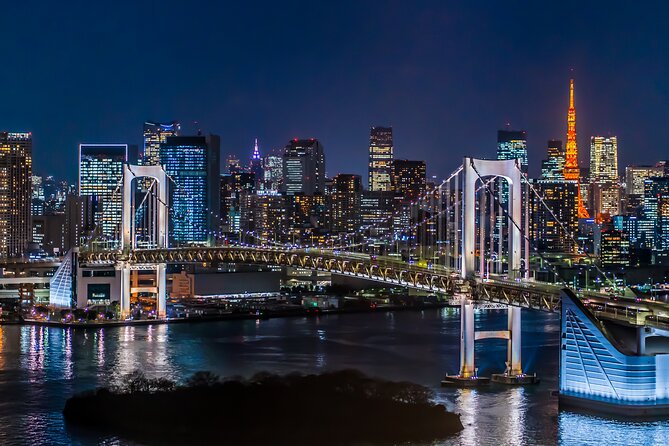
Ginza receives about 30 minutes, making it more of a brief city visit than a full shopping session. The district is known for luxury boutiques, flagship stores, department stores, and sleek architecture.
The short stop works well if you want a quick look at Tokyo’s high-end commercial center. It also contrasts nicely with the informal food stalls at Tsukiji and the traditional atmosphere of Asakusa.
If shopping is central to your plans, half an hour will not be enough. Tell the chauffeur if you want to browse stores or visit a particular shop, then consider trimming another stop. The value of a private itinerary is that you can make this kind of trade-off instead of following a fixed group schedule.
Tokyo Tower: A Classic Symbol With Another Admission Fee
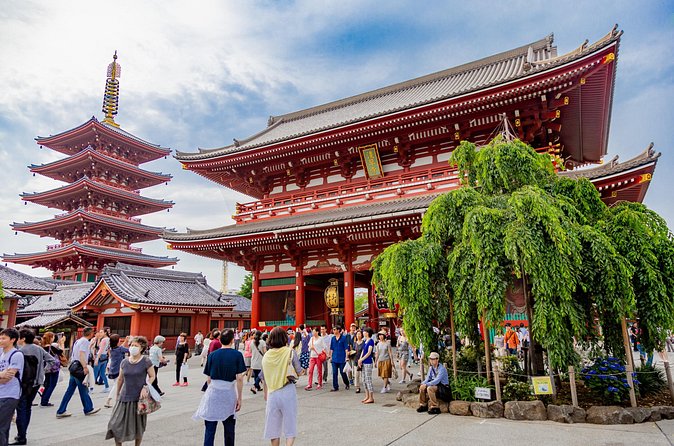
Tokyo Tower was completed in 1958 and became a symbol of the city’s postwar recovery. At 333 meters, it remains one of Tokyo’s most recognizable structures, even after the arrival of the taller Skytree.
The planned visit lasts about an hour, but tower admission is extra. Like Skytree, the ticket and entry time need to fit within the day’s schedule. You can also enjoy Tokyo Tower from outside if you prefer to save money or spend more time in another district.
I would choose between the two towers unless you have a special reason to visit both. Skytree offers greater height, while Tokyo Tower provides the classic Tokyo image and a different central-city setting. The best choice depends on your interests, weather, and how much time you want above street level.
Harajuku’s Takeshita Street: Youth Style and Crowded Sidewalks
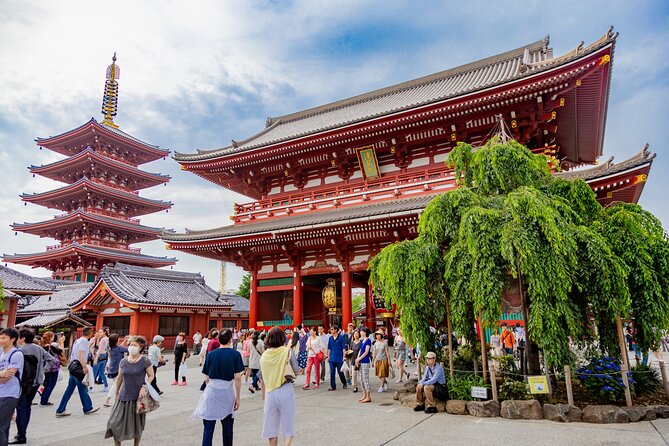
Takeshita Street runs about 350 meters through Harajuku and is lined with shops selling colorful clothing, accessories, and playful pop-fashion items. This is the stop to choose if you want to see a younger, louder side of Tokyo.
You have about an hour here, with no admission cost. The street is compact, but it can be very crowded, so the distance on the map does not equal a quick walk. Keep your group together and allow extra time to cross the street or browse a shop.
Families often find this stop easy to tailor. Teenagers may prefer it to another shrine or formal landmark, while adults can use the time to watch the local style and sample the street atmosphere. The car gives everyone a chance to rest before and after the walk.
Shibuya Crossing: Tokyo in Motion
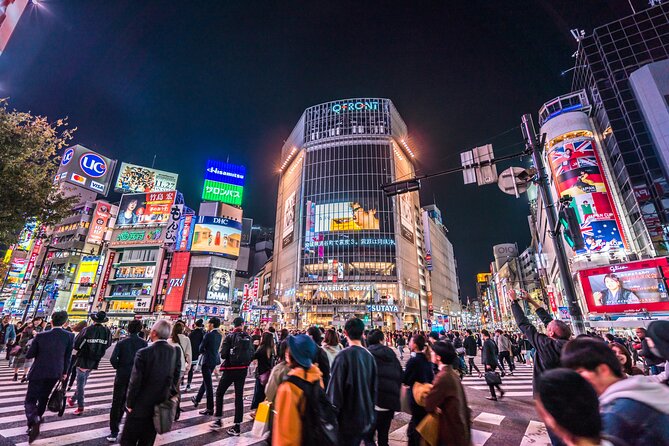
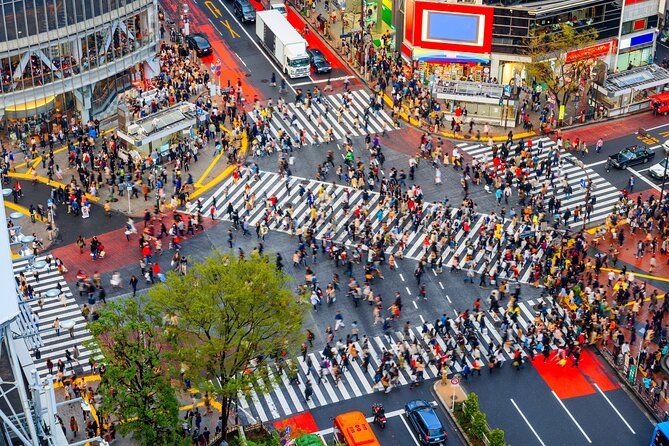
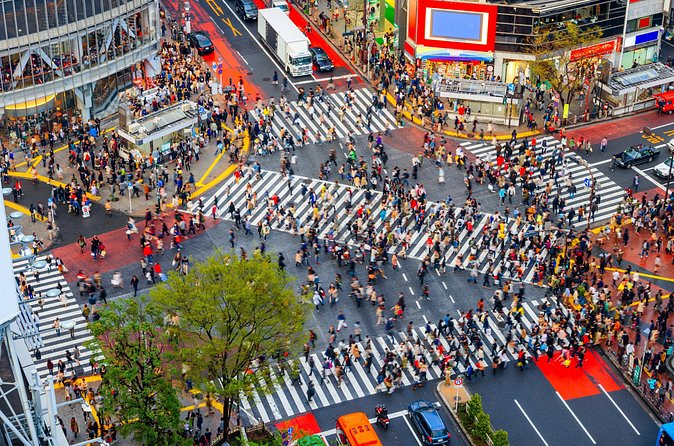
Shibuya Crossing is one of the city’s defining scenes. When the signals change, people move across the intersection from several directions, surrounded by giant screens, department stores, cafés, and busy side streets.
The tour allows about an hour, which gives you time to cross, take photos, and view the intersection from the surrounding area. The crossing itself is free, but finding the best viewpoint may require a little walking and patience.
This is a strong stop for first-time visitors because it captures modern Tokyo in one concentrated moment. It is also easy to combine with your own interests nearby, provided you tell the chauffeur how much time you need.
If you want photographs, ask your chauffeur for help. Drivers such as Jason and Wendell have been praised for knowing useful photo spots and taking pictures for their groups. That service is not a guaranteed feature, but it is worth requesting politely.
Odaiba: Open Space Beside Tokyo Bay
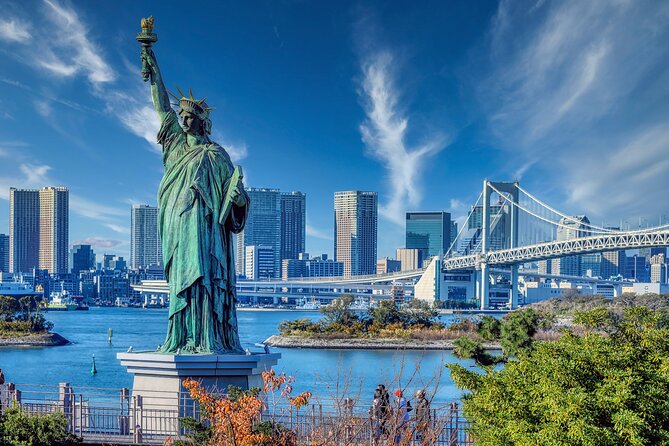
Odaiba is a man-made island with shopping, entertainment, parks, and views toward Rainbow Bridge and the Tokyo skyline. The 30-minute stop gives you a quick breath of open space after the dense streets of Harajuku and Shibuya.
This is best treated as a scenic pause rather than a full visit. Half an hour is enough to stretch your legs and enjoy the bay views, but not enough for serious shopping or a complete look at the entertainment complexes.
Odaiba also shows a different side of Tokyo. The city is not only temples, department stores, and crowded crossings. Here you get broad walkways, waterfront views, and a modern recreational district.
What Your Chauffeur Actually Does
The most important booking detail is the difference between a chauffeur and a full-time walking guide. Information is generally provided while you are in the car between destinations, and you then explore each site on your own.
Several chauffeurs have been praised for clear English, punctual pickup, safe driving, and useful historical background. Jason, John, Lookman, Kane, Hayashi, Asi, Caffrey, and others have each been singled out for different strengths, including flexibility, friendliness, photography, and language skills.
The experience can vary by driver. Some chauffeurs are talkative and offer plenty of background. One detailed account described a quiet driver who answered questions well but did not volunteer much information during the ride. That is a fair warning: if you want commentary, ask questions early and directly.
I would prepare a short list before pickup:
- Which sights matter most to you
- Which attractions you are willing to skip
- Whether you want to go up Skytree or Tokyo Tower
- How much time you want for food, shopping, or photos
- Any family interests, mobility concerns, or departure deadline
The driver can then shape the day around your priorities. This works especially well for mixed-age groups. A family ranging from age 9 to 82 used the flexibility to keep everyone involved, and another family swapped a shrine for a giant Transformer when the teenagers changed their minds.
The Real Value of $277.49
At $277.49 per group of up to three, this is not a budget sightseeing option for a solo visitor. For three people, the cost is roughly $92.50 each before any separate attraction tickets. For two people, the per-person price is higher, but you are paying for convenience, privacy, and a full vehicle rather than simply transportation.
The value improves if you would otherwise need taxis, several train journeys, or a private transfer at the beginning or end of your trip. Fuel, parking, and tolls are included, so the advertised price covers important operating costs.
The vehicle can accommodate up to six people, but the listed price is specifically for a group of up to three. Confirm the price for four to six people before booking. Larger family groups may need to clarify whether one vehicle is suitable and whether an extra charge applies.
Airport and distant pickup details also matter. Pickup or drop-off at Haneda, Narita, or in Kanagawa requires a 10,000 yen cash surcharge. The service has also been used for cruise-port pickup and airport-area drop-off, which can turn a sightseeing day into a useful final transfer, but confirm the exact arrangement in advance.
Who Will Get the Most From This Tour
I would recommend this experience to you if you:
- Have one day for Tokyo highlights
- Are visiting Tokyo for the first time
- Want hotel pickup and drop-off
- Prefer not to navigate crowded train stations
- Are traveling with children, older relatives, or a mixed-age group
- Need an air-conditioned break between outdoor stops
- Want to adjust the route around shopping, photos, food, or pop culture
- Are arriving from a cruise port or leaving for an airport-area hotel
It is less suitable if your main goal is detailed interpretation at every attraction. A walking tour, specialist food tour, or temple guide would give you more time for focused explanations.
You should also be realistic about the number of stops. The suggested schedule includes nine locations and about seven and a half hours of stop time before driving, parking, meals, queues, and traffic. You can see many places, but you cannot explore every one at length. Pick your top three or four priorities and treat the rest as shorter visits.
Practical Details That Matter on the Day
The tour starts at 9:00 a.m., with confirmation provided when you book. Most people can participate, and the activity is private, meaning only your group rides together.
There is some walking. Senso-ji requires a walk through its approach and shopping street, and other areas such as Takeshita Street and Shibuya Crossing are best experienced on foot. Even if the car does most of the work, comfortable shoes remain a smart choice.
Admission is free at Tsukiji, Senso-ji, the Imperial Palace area, Ginza, Takeshita Street, Shibuya Crossing, and Odaiba. Skytree and Tokyo Tower charge separate entrance fees. The tour also requires good weather, and cancellation is free up to 24 hours before the start time. A weather cancellation offers a different date or a full refund.
Should You Book This Tokyo Car Tour?
Book it if you want to cover Tokyo efficiently without spending your day navigating trains. The private vehicle, hotel pickup, air conditioning, flexible route, and English-speaking chauffeur make it a strong choice for first visits and family groups.
Before paying, decide how much guiding you need. If you want a driver who offers local context during the journey and helps you make the most of each stop, this should fit well. If you expect a guide to walk beside you through every temple and market, you may find the service too light on formal explanation.
For the best result, send your priorities at the beginning, choose one tower rather than automatically trying to visit both, and allow time for Tokyo traffic. Used that way, this tour gives you a comfortable overview of a very large city while leaving room for your own interests.
FAQ
How long does the Tokyo private car tour last?
The experience lasts approximately eight to nine hours and begins at 9:00 a.m.
How many people can ride in the vehicle?
The tour price is listed for a group of up to three people, while the vehicle can accommodate up to six people. Confirm the applicable price for groups of four to six.
Are hotel pickup and drop-off included?
Pickup and drop-off at your Tokyo hotel are offered. Pickup or drop-off at Haneda, Narita, or in Kanagawa requires a 10,000 yen surcharge paid in cash.
Are entrance fees included?
Admission is free at Tsukiji Outer Market, Senso-ji, the Imperial Palace area, Ginza, Takeshita Street, Shibuya Crossing, and Odaiba. Tokyo Skytree and Tokyo Tower entrance fees are not included.
Is this a guided walking tour?
No. This is mainly a private driving tour. Your English-speaking chauffeur provides information mostly while driving between locations, and you generally explore each stop on your own.
Can the itinerary be changed?
Yes. The tour is customizable, so you can tailor the stops to your interests and adjust how much time you spend at each location.
More Private Drivers in Tokyo
More Private Tours in Tokyo

More tours in Tokyo we've reviewed












Private Drivers, compared.
 ★ 5.0Mt Fuji Private Tour with English Speaking DriverFrom $415
 ★ 5.0Mt Fuji Private Day Trip from Tokyo with English speaking driverFrom $464
 ★ 4.5Mt. Fuji & Hakone Private Day Tour with English-Speaking DriverFrom $453
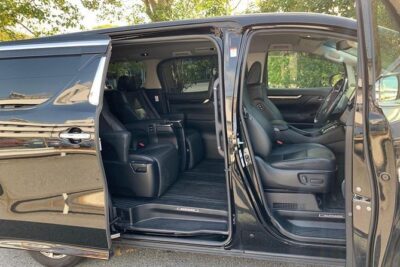 ★ 4.5Haneda Airport (HND) Private Transfer to Central TokyoFrom $104
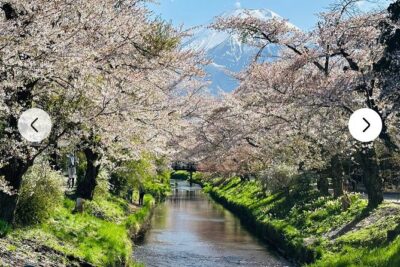 ★ 4.5Mt. Fuji, Hakone Full-Day Private Tour with English Driver GuideFrom $495
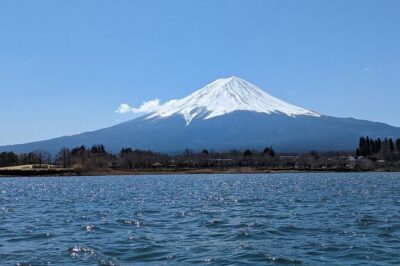 ★ 5.0Mt. Fuji Day Trip from Tokyo with English Speaking Driver GuideFrom $497
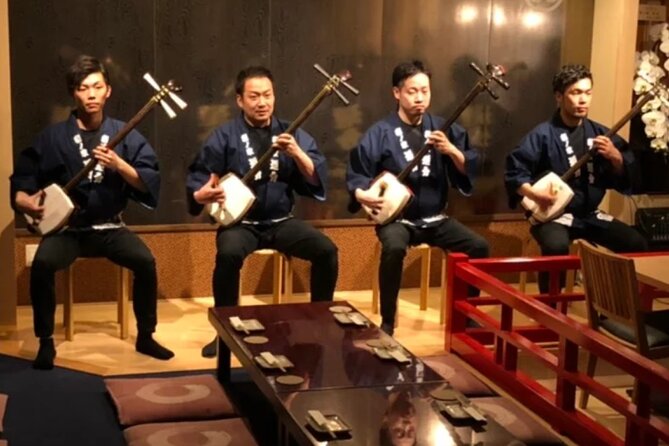
![[NEW]JPN CULTURE - Buy@Toyosu Market SUSHI Making +TEA +Maid Cafe - Starting at Toyosu Market](https://tokyoezine.com/wp-content/uploads/2026/08/new-jpn-culture-buy-toyosu-market-sushi-making-tea-maid-cafe.jpg)