Reviewed · UENO & YANAKA WALKS
Make Rice Balls and Enjoy a Japanese Home-Style Lunch in Yanaka
The best part of this Yanaka food class is that you do not simply watch a chef cook. You make onigiri by hand, choose toppings and rice sprinkles, then sit down to eat your own bento with Japanese side dishes and miso soup. It is a small, friendly way to understand everyday food in Tokyo.
In This Article
- Key points before you book
- Making onigiri in Yanaka, one rice ball at a time
- From rice balls to a Yanaka bento box
- What happens at the YANESEN Tourist Information & Culture Center
- A lunch that explains Japanese home-style food
- What the teachers add to the experience
- Why families may find this class a good fit
- What the $60.62 price includes
- Timing, transport, and practical details
- The main strengths and possible limits
- Who should book this Yanaka food experience?
- Should you book it?
- FAQ
- Where does the onigiri and bento activity begin?
- Does the activity end at the meeting point?
- What is the listed start time?
- How long does the experience last?
- What will I make?
- What food is served with the onigiri?
- Is the class suitable for children?
- Can food allergies or dietary requests be accommodated?
- How many people can join?
- Can I cancel for a full refund?
I like the family-friendly format and the local angle. You get useful tips for making rice balls at home, plus advice on where to find Japanese prepared foods in Yanaka. The chance to shape onigiri like cats is a fun touch for children, while adults can ask about miso, pickles, plating, and home-style dishes.
The main point to check is the timing. The booking details list a noon start and a duration of about 1 hour 30 minutes, while the detailed schedule shows an 11:30 meeting, a 1 PM bento presentation, and lunch ending at 2:30 PM. Confirm the exact start and finish before you book, especially if your Tokyo day is tightly planned.
Key points before you book

- Make your own onigiri: Prepare rice balls from scratch and customize them with toppings, pickles, and rice sprinkles.
- Build a real bento meal: Arrange your onigiri with local prepared dishes such as karaage, korokke, yakitori, and tamago-yaki.
- Learn from named local teachers: Yuki, Masayo, and Eiko are among the instructors associated with the class.
- A strong choice for families: Children can help make lunch, with origami and calligraphy also available as extra activities.
- Small-group setting: The class accepts a maximum of 12 people, which allows for hands-on help.
- Food needs can be discussed: Allergy, vegetarian, vegan, and other requests are accepted when you make the reservation.
Making onigiri in Yanaka, one rice ball at a time

Onigiri looks simple. It is rice shaped by hand, often with a filling or topping, but the small details matter. This class gives you a chance to learn those details rather than simply buying a rice ball from a convenience store.
You prepare the rice balls, toppings, pickles, and rice sprinkles yourself. That gives the class a practical edge. You can see how different textures and flavors work together, then repeat the process at home with your own ingredients.
The format is hands-on without being intimidating. The teachers show you how to shape the rice, and you can ask questions as you work. One especially memorable option mentioned in the class experience is forming the onigiri into cat shapes. That should appeal to children, though adults may find themselves enjoying the playful presentation just as much.
I also like that the lesson is not limited to one fixed design. You customize the rice balls with toppings and sprinkles, then use pickles and side dishes to give the bento color and contrast. You are learning a food skill, but you are also learning how Japanese lunches are put together.
A few more Tokyo tours and experiences worth a look

From rice balls to a Yanaka bento box
After preparing the onigiri, you arrange the food in a bento box. This is where the class becomes more than a cooking demonstration. The way you place food matters in a Japanese lunch, and the instructors explain how to make the box look appealing.
The side dishes are home-style foods purchased from neighborhood delis and shops. The examples include karaage, korokke, yakitori, and tamago-yaki. These are familiar Japanese favorites, but they also give you a taste of the everyday food culture around Yanaka.
Tamago-yaki is Japanese-style omelet, usually made in layers. Karaage is Japanese fried chicken, while korokke is a potato or croquette-style snack. Yakitori is grilled chicken served on skewers. Together with rice balls, pickles, salad, and miso soup, they create a lunch with several textures and flavors.
The important point is that you are not expected to prepare every item from scratch in a short class. The onigiri is your main cooking project. The prepared dishes let you focus on arranging a pleasant meal and tasting the local foods without turning the session into a long professional cooking course.
This makes the experience a good fit for a first food activity in Tokyo. You learn one central skill, then get a broader introduction to the dishes you might see in shops and lunch boxes across Japan.
What happens at the YANESEN Tourist Information & Culture Center
The meeting point is the YANESEN Tourist Information & Culture Center at 3-chōme-13-7 Yanaka, Taito City. The activity begins and ends there, and the location is near public transportation.
The itinerary also lists Yuyake Dandan as a stop. The supplied schedule does not give a separate tour of the area, so I would think of it as part of the Yanaka setting rather than a major sightseeing stop. The focus is the food class and lunch.
At the opening, you meet the instructors and receive an introduction. The published schedule gives an 11:30 meeting time in one place, while the activity information lists a 12 PM start. It later places the bento presentation at 1 PM and the end of lunch at 2:30 PM. Since the stated duration is approximately 90 minutes, these details do not line up perfectly.
That is not necessarily a problem, but it is worth resolving before arrival. Use the confirmation you receive at booking, and contact the provider if the meeting time is unclear. You do not want to arrive for a noon class when the local schedule expects you at 11:30.
A lunch that explains Japanese home-style food

Once your bento is arranged, the class moves to the best part: sitting down to eat. You present the box, set the table, take photos, and say itadakimasu before beginning the meal.
The lunch includes your homemade onigiri, local side dishes, salad, and miso soup. Tokyo roasted coffee is also listed with the meal. Some sessions may include tea, a sweet, and extra explanations about miso. The exact side dishes can vary because the food is bought from neighborhood delis and shops.
That local sourcing gives the meal a useful connection to Yanaka. You are not only eating a set menu prepared in a teaching kitchen. You are also learning where home-style foods come from and how you might find similar dishes during the rest of your stay.
The instructors explain the dishes served that day and discuss where to buy them in Yanaka. This is practical information. If you are curious about Japanese food but do not know what to order in a deli, the class gives you a starting point.
The meal also slows the experience down. Instead of rushing from one demonstration to the next, you have time to look at the bento, taste the different dishes, and ask questions. The activity is short enough to fit into a day in Tokyo, but the lunch gives it a relaxed feel.
What the teachers add to the experience

The instructors are a major part of the class. Yuki is mentioned as a teacher who explains several Japanese dishes and helps participants understand how to prepare them. Masayo and Eiko are also named as kind, attentive instructors who demonstrate onigiri and explain different types of miso.
The teaching style appears suited to beginners. You do not need advanced cooking skills to participate, and most people can take part. The class is designed around showing, trying, tasting, and asking questions.
The focus can vary slightly by session. The core activity is onigiri and bento preparation, but the experience may also cover sushi rolling, tempura, and miso soup. If one of those foods is especially important to you, ask the provider what your particular class will include.
The miso discussion is a nice detail. You may learn about different types of miso and blend two favorite flavors. That kind of lesson is more useful than a general statement that miso is a Japanese staple. You can start to notice how flavor and color change from one miso to another.
You may also pick up Japanese food phrases and practical tips for the rest of your trip. The class is conducted as a cultural food lesson, not just a meal, so the conversation is part of what you are paying for.
A few more Tokyo tours and experiences worth a look




Why families may find this class a good fit

Children often enjoy food more when they have a hand in making it. This class gives them a clear task: shape rice balls, choose toppings, and help arrange the lunch. The cat-shaped onigiri option adds an extra bit of fun without changing the basic lesson.
Origami and calligraphy are also mentioned as activities for children. These extras may help if a child finishes the food preparation early or needs a break from the table.
The small maximum group size of 12 is helpful for families. It should be easier to receive personal guidance than in a large demonstration. That said, the class remains a group experience, so very young children may still need close adult help with shaping and arranging food.
Adults without children should not dismiss it as a kids-only activity. The food explanations, miso lesson, bento arrangement, and neighborhood deli connection give it enough substance for couples, friends, and solo visitors who want a calm cultural activity.
What the $60.62 price includes

At $60.62 per person, this is not the cheapest lunch you can buy in Tokyo. You could eat an inexpensive onigiri-based meal for far less. The value here comes from combining food, instruction, cultural context, and a guided tasting in one short session.
Ingredients and tastings are included. You also receive the meal you help create, side dishes, miso soup, and Tokyo roasted coffee. If tea or a sweet is included in your session, those add a pleasant finish, but the exact inclusions should be confirmed.
I would judge the price by how much you value participation. If you only want to eat Japanese food, choose a restaurant or deli. If you want to learn how to make onigiri, understand bento presentation, ask about miso, and get local food-shopping advice, the price is more reasonable.
The maximum of 12 people also matters. A small class can provide more help when you are shaping the rice or arranging the box. The experience is not a private lesson, but it is more personal than a large food demonstration.
Booking an average of 38 days ahead suggests you should plan early if your Tokyo dates are fixed. That does not guarantee every date will sell out, but it is a useful sign that last-minute availability may be limited.
Timing, transport, and practical details

The meeting point is near public transportation, and the activity returns to the same location. That makes it easy to pair with other time in Yanaka, but the uncertain schedule deserves attention.
One set of details gives these times:
- 11:30 AM: meeting and introduction
- 1 PM: bento presentation, table setting, photos, and lunch
- 2:30 PM: end of lunch
The general activity information gives a 12 PM start and about 1 hour 30 minutes. Before booking, check the confirmation for the exact meeting time and ask the YANESEN Tourist Information & Culture Center if the end time matters to you.
The mobile ticket is convenient. You can keep the booking on your phone rather than carry a printed voucher. Confirmation is received at booking.
Most people can participate, and the provider accepts allergy, vegetarian, vegan, and other requests when you reserve. Give those details in advance. Do not wait until you sit down, since the meal includes several prepared dishes and the staff needs time to plan.
Free cancellation is available if you cancel at least 24 hours before the local start time. Cancellations or changes made less than 24 hours in advance are not accepted for a refund.
The main strengths and possible limits
The strongest feature is the warm instruction. Yuki, Masayo, and Eiko are described as patient and attentive, and that matters in a food class where shaping rice and understanding ingredients can feel unfamiliar.
The second strength is the complete meal. You do not leave with a few samples. You sit down with your finished bento, side dishes, miso soup, and a drink. That gives the activity a satisfying finish.
The third strength is its connection to Yanaka. The class explains where to buy local prepared foods and how to think about Japanese home-style dishes. You gain food advice you can use after the class.
The main limitation is scope. This is not a full Japanese cooking course. You primarily make onigiri and assemble a bento, while many side dishes are purchased from local shops. If you want several hours of knife work and recipes for every dish, this may feel too light.
The schedule is the other concern. The listed start and end times conflict, so confirmation is important. The activity may also be less appealing if you have only one free morning and want a fast meal rather than a guided cultural session.
Who should book this Yanaka food experience?
I would recommend it most strongly to families, first-time visitors to Japan, and anyone who wants a low-pressure introduction to Japanese food. Children can participate directly, and adults receive enough explanation to make the meal meaningful.
It also suits people who prefer food experiences with a local setting rather than a formal cooking school. The use of neighborhood deli foods and the discussion of where to shop in Yanaka give the lunch a practical, everyday feel.
You should think twice if you are seeking a private class, a long cooking lesson, or a broad survey of Japanese cuisine. The group can reach 12 people, and the core task is onigiri preparation with bento assembly.
Should you book it?
Book this class if you want to make your lunch, not just order it. The onigiri lesson, playful bento design, miso discussion, local side dishes, and friendly teaching make the $60.62 price easier to justify for a hands-on cultural experience.
Families should put it high on the list, especially if children enjoy shaping food or trying origami and calligraphy. Before paying, confirm the meeting time because the published schedule gives different start and finish details.
If your priority is a cheap meal or advanced cooking instruction, spend your money elsewhere. If you want a welcoming introduction to Japanese home-style food in Yanaka, this is a sensible and memorable choice.
FAQ
Where does the onigiri and bento activity begin?
It begins at the YANESEN Tourist Information & Culture Center, 3-chōme-13-7 Yanaka, Taito City, Tokyo 110-0001, Japan.
Does the activity end at the meeting point?
Yes. The activity ends back at the YANESEN Tourist Information & Culture Center.
What is the listed start time?
The general activity details list a 12 PM start. The detailed schedule also lists an 11:30 AM meeting and introduction, so confirm the exact time in your booking confirmation.
How long does the experience last?
The stated duration is approximately 1 hour 30 minutes. Another schedule shows lunch ending at 2:30 PM, so confirm the final timing before booking.
What will I make?
You will prepare onigiri, or Japanese rice balls, with toppings, pickles, and rice sprinkles. You will then arrange them in a bento box with Japanese side dishes.
What food is served with the onigiri?
The meal can include home-style dishes such as karaage, korokke, yakitori, and tamago-yaki, along with salad and miso soup. Tokyo roasted coffee is also listed.
Is the class suitable for children?
Yes. The activity is described as family-friendly. Children can help make their own meal, and origami and calligraphy are also mentioned.
Can food allergies or dietary requests be accommodated?
Allergy, vegetarian, vegan, and other requests are available. Tell the provider about your needs when you make the reservation.
How many people can join?
The activity has a maximum group size of 12 people.
Can I cancel for a full refund?
Yes, if you cancel at least 24 hours before the experience start time. Cancellations or changes made less than 24 hours before the local start time are not accepted for a refund.
More Lunch Experiences in Tokyo
More Ueno & Yanaka Walks in Tokyo
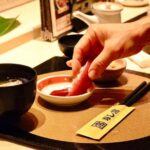
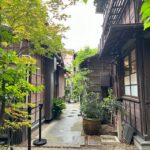
More tours in Tokyo we've reviewed












Ueno & Yanaka Walks, compared.
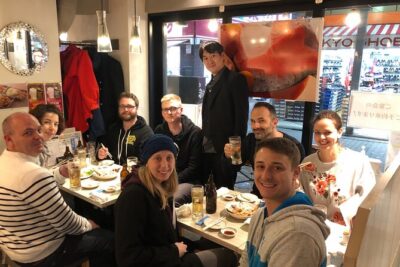 ★ 5.0Eat and Drink Like a Local: Tokyo Ueno Food Tour-Taverns&RamenFrom $95
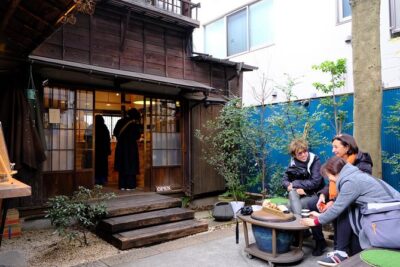 ★ 4.5The Old Quarter of Tokyo – Yanaka Walking TourFrom $40
 ★ 5.0Yanaka Walking Tour: Historic and Traditional District of TokyoFrom $72
 ★ 4.8Tokyo: Old Quarter Yanaka Walking TourFrom $323 hours
 ★ 5.0Tokyo: Food Tour in Ueno with 10+ Tastings of Japanese ClassicsFrom $142
 ★ 4.9Tokyo:Stroll in Old traditional culture towns~Yanaka & NezuFrom $293h 30m