Reviewed · MT FUJI DAY TRIPS
Mt Fuji and Kawaguchiko Private Tour
Mt Fuji is the star, but the best part of this 10-hour private day trip is how much ground you cover without wrestling with Tokyo trains and buses. You’ll visit a Shinto shrine, a mountain lookout, spring-fed ponds, and Lake Kawaguchiko, all with hotel pickup and drop-off.
In This Article
- Key points to know before booking
- Why this private Fuji trip works well from Tokyo
- Arakura Fuji Sengen Shrine and the classic pagoda view
- Mt Fuji’s 5th Station at 2,300 meters
- Oshino Hakkai and its clear spring ponds
- Lunch at a local restaurant
- Lake Kawaguchiko and your one included choice
- Fuji Panoramic Ropeway
- Ichiku Kubota Art Museum
- Ide Sake Brewery
- Guides, language help, and personal attention
- Is $846.98 per person good value?
- Who should book this experience?
- Booking, weather, and cancellation points
- Should you book the Mt Fuji and Kawaguchiko Private Tour?
- FAQ
- What time does the tour start?
- Is hotel pickup and drop-off included?
- Is the Mt Fuji 5th Station always available?
- What can I choose at Lake Kawaguchiko?
- Is lunch included?
- Can children join the tour?
I like the private vehicle, which gives you a quiet place to rest between stops, and the guide support at Sengen Shrine, where some groups have received help arranging a blessing with a priest. I also like the choice at Kawaguchiko: take the Fuji Panoramic Ropeway, visit the Kubota Art Museum, or tour Ide Sake Brewery.
The catch is the price, $846.98 per person, which is a serious spend unless you are traveling with family or a small group and value convenience. Weather can also block the best Fuji views or prevent access to the 5th Station.
Key points to know before booking
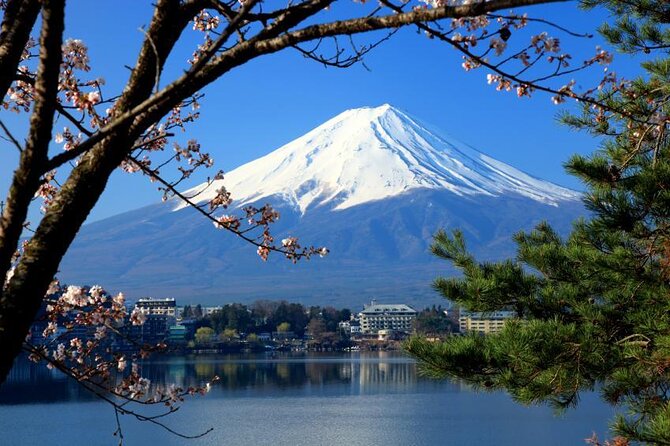
- A full private day from Tokyo: Hotel pickup begins around 7 a.m., and your group rides in a private air-conditioned vehicle.
- Four distinct stops: You visit Arakura Fuji Sengen Shrine, Mt Fuji’s 5th Station, Oshino Hakkai, and Lake Kawaguchiko.
- The 5th Station is weather dependent: From mid-December to late April, snow usually closes the road, and the tour uses an alternative stop.
- Your Kawaguchiko choice matters: Select the Fuji Panoramic Ropeway, Ichiku Kubota Art Museum, or Ide Sake Brewery ahead of time.
- Lunch is included: You refuel at a local restaurant, though extra food and drinks are not included unless specified.
- The strongest feature is personal service: Guides including Machiko, Silvia, Meg, and Yuka Yoshida have been praised for clear English, good organization, and flexible care.
Why this private Fuji trip works well from Tokyo
Seeing Mt Fuji from Tokyo is easy in theory and fiddly in practice. Trains, buses, weather changes, and crowded viewing areas can eat up a day before you get close to the mountain. This tour removes most of that work with an early hotel pickup and a private car.
You leave at 7 a.m., which is early, but sensible. The Fuji area is a long way from central Tokyo, and traffic can make the return journey slow. A private vehicle also lets you sit back between stops rather than changing trains with day bags, children, or older family members.
The private format is especially useful if your group has a clear idea of what it wants. You can ask your guide about shrine customs, spend a little extra time at a viewpoint, or keep moving if a stop is not holding your attention. This is not a large coach tour where you follow a flag and watch the clock.
There is a practical limit, though. Ten hours sounds generous, but Tokyo travel time takes a large part of the day. The schedule gives you a broad introduction to the Fuji region, not a slow visit to every lakeside village or museum. If you want hiking, long photography sessions, or a relaxed afternoon at Kawaguchiko, this plan may feel packed.
A few more Tokyo tours and experiences worth a look
Arakura Fuji Sengen Shrine and the classic pagoda view
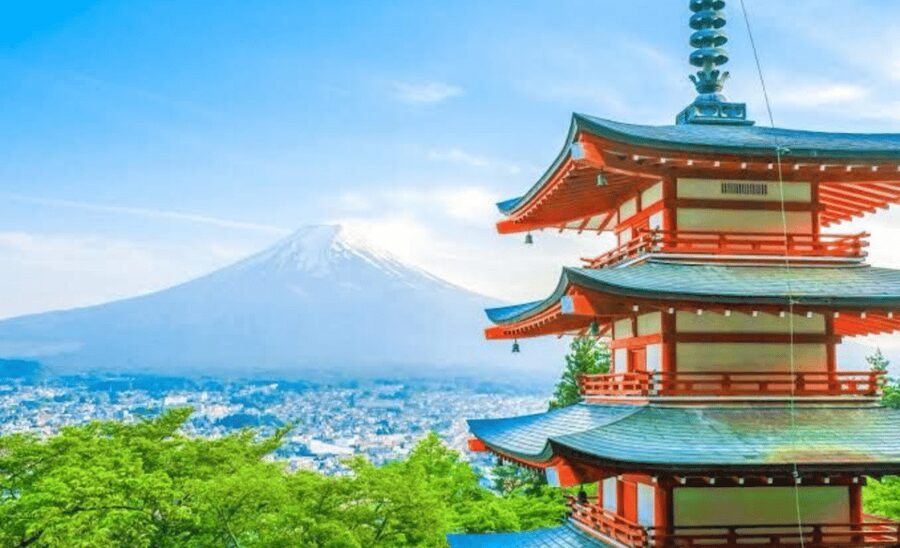
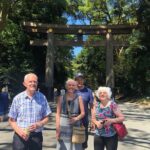
Your first major stop is Arakura Fuji Sengen Shrine, a Shinto site known for its view of Mt Fuji and its pagoda. You have about an hour here, which gives you time to take photographs and learn why the shrine has long been linked with journeys up the mountain.
This stop gives the day a useful cultural start. Mt Fuji is not only a scenic peak. It has long held religious meaning, and Sengen shrines are connected with worship of the volcano and safe passage for those heading toward it. Your guide can explain the customs that are easy to miss if you arrive alone with only a camera.
The pagoda and mountain view are the reason most people come, but the weather controls the picture. On a clear day, the layers of shrine buildings, pagoda, and Fuji make one of the most recognizable scenes in Japan. On a cloudy day, you may get only a partial view or no mountain at all.
Some groups have had a special moment here when a guide helped arrange contact with a priest and a blessing. Do not book this expecting a guaranteed private ceremony. The experience can instead involve joining a regular religious ceremony, so ask your guide early if this matters to you.
You should wear shoes that handle a moderate amount of walking. Modest clothing is also expected at shrines and temples, with knees and shoulders covered.
Mt Fuji’s 5th Station at 2,300 meters
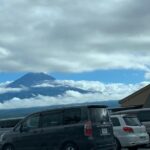
The road then climbs to Mt Fuji’s 5th Station, about 2,300 meters above sea level, or roughly 7,546 feet. This is a popular starting point for climbers and a dramatic place to look across the mountain and surrounding area.
You get about 30 minutes here. That is enough for photographs, a short look around, and a breath of high mountain air, but not a long walk. The altitude may feel noticeably cooler than Tokyo, so carry an extra jacket even in a warm season. The operator specifically advises checking the local forecast the night before.
The biggest issue is access. From May through October, the tour may reach the 5th Station if the road and weather allow it. From mid-December to late April, snow normally closes the station, and the itinerary changes to another attraction, such as the Fuji Panoramic Ropeway. Even in the open season, the vehicle may stop below the 5th Station if conditions are poor.
This is important when you book. If reaching the 5th Station is the main reason you want the tour, choose a season with a better chance of access and keep your expectations flexible. The tour will go as high as conditions allow, but no guide can clear clouds or reopen a snowy road.
One useful strength of a private tour appears on bad-weather days. A guide can adjust the order or help you make the most of a limited view. One group visiting in cold, rainy, overcast weather still managed brief glimpses of Fuji from a lower station after waiting for a break in the cloud. That kind of flexibility is harder to arrange on your own.
Oshino Hakkai and its clear spring ponds
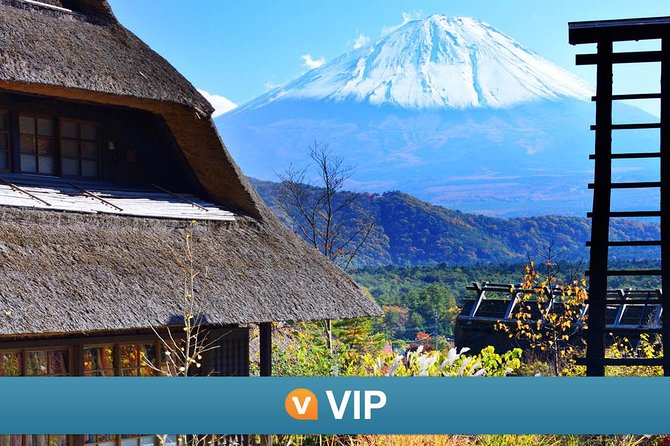
At Oshino Hakkai, you spend about 30 minutes among spring-fed ponds and traditional thatched-roof farm buildings. The ponds are linked to water from Mt Fuji, and the site offers a different way to understand the mountain. Here, Fuji is not just something you see in the distance. Its snow and rain feed the water beneath your feet.
The stop is short, so you will not have time for a long village visit. Think of it as a compact cultural and scenic pause between the high mountain and the lake. The traditional buildings give your photographs a rural Japanese setting, while the ponds provide a calm contrast to the busy city you left that morning.
This is also a good place to ask your guide questions about Fuji’s volcanic geology and local water. The tour description promises explanations of the mountain’s history and geology, and a private guide can adjust the detail to your interest.
Lunch at a local restaurant
Lunch is included, a welcome detail on a long day with several stops. You eat at a local restaurant, and the guide helps select or arrange the meal. One especially well-received outing included a lunch choice that suited the group well, but the exact menu is not stated, so do not assume a particular dish.
Food is one of the places where a guide adds real value. You avoid losing time searching for a restaurant in an unfamiliar area, and you can ask for help if you have dietary concerns. Still, the included lunch does not cover every snack or drink, so bring some spending money.
Because the day begins early and includes mountain roads, having lunch built into the schedule keeps the trip moving. The tradeoff is that you have less freedom to choose a restaurant based on your own research.
Other private tours in Tokyo


Lake Kawaguchiko and your one included choice
The final major area is Lake Kawaguchiko, where Fuji views from below often feel broader and more relaxed than those at the 5th Station. You receive about an hour here, including one of three options. You must tell the operator ahead of time so the visit can be arranged.
Fuji Panoramic Ropeway
Choose the ropeway if your priority is a high viewpoint over Lake Kawaguchiko and Mt Fuji. It is the most direct choice for scenery, though weather still decides what you see. If clouds cover the peak, the lake and nearby hills may remain visible even when Fuji does not.
Ichiku Kubota Art Museum
The museum is a better fit if you want culture and design rather than another lookout. The included visit gives the day a more artistic side and provides an indoor option when the weather is not cooperating.
Ide Sake Brewery
Choose the brewery if local drink culture interests you. This option adds a more specific regional stop to the schedule, though the provided details do not promise a tasting or describe the exact visit. Ask your guide what is available that day.
The choice is a genuine advantage, but it also means you should decide before the tour rather than wait until you arrive. If your group has mixed interests, discuss the options in advance.
Guides, language help, and personal attention
The English-speaking guide is central to the experience. Guides named in past outings include Machiko, Silvia, Meg, and Yuka Yoshida. Specific guides are not guaranteed, but the praise attached to these names points to the qualities you should expect from a good match: clear English, solid organization, and the ability to adapt when weather or timing changes.
Language help matters at shrines and cultural sites. A guide can explain when to bow, how a ceremony works, and what you are seeing without leaving you to guess from signs. The priest interaction at Sengen Shrine is a good example of how a guide can open a door that an independent visitor might not notice.
Private attention also makes the day easier for families. One family group visiting Japan to see a relative serving in the US Air Force described the guide as able to adjust the tour around their needs. That is the sort of benefit you pay for here, not just the vehicle.
There is one point to clarify before departure: special religious access. One person expected a private moment with a priest but instead joined a ceremony. If that detail is important to you, ask exactly what has been arranged rather than relying on a broad promise of an exclusive visit.
Is $846.98 per person good value?
At $846.98 per person, this is not a budget Fuji excursion. The price makes the most sense for a small private group that would otherwise need to arrange transfers, regional transport, meals, and an English-speaking guide separately.
You receive hotel pickup and drop-off, a private air-conditioned vehicle, an English-speaking guide, lunch, and admission to the 5th Station and one Kawaguchiko choice. Group discounts may improve the price for some bookings, but the exact saving is not provided.
I would judge the value by your priorities. If you want maximum independence and have time to compare trains and buses, a public transport day may cost much less. If you have only one open day, want the guide to handle the route, or are traveling with family members who would find transfers tiring, the private format can justify the expense.
The strongest value is not simply seeing Fuji. It is having a local guide manage a complicated day while giving you cultural context at the shrine and rural stops. The weakest value is the short time at some attractions, especially if traffic cuts into the schedule or clouds hide the mountain.
Who should book this experience?
This tour suits you if you want a first look at the Fuji region without renting a car or planning several connections. It is also a strong fit for families, couples, and small groups who value privacy and direct hotel service.
It works best for people comfortable with a moderate amount of walking and an early start. The minimum booking is two passengers, and the minimum age is 12. Anyone 18 or younger must be accompanied by an adult.
You should think twice if your main goal is climbing Mt Fuji, spending hours beside the lake, or having a guaranteed clear view. This is a sightseeing circuit with several short stops, not a mountaineering trip or a slow rural retreat.
Wear comfortable shoes and modest clothing. Pack layers, especially if you are visiting the 5th Station, and check the forecast for the Fuji area rather than relying only on Tokyo weather.
Booking, weather, and cancellation points
Confirmation is sent within 48 hours, subject to availability. The tour requires at least two passengers, and the operator can change the route based on weather and opening conditions.
You can cancel for a full refund up to six full days before the start time. Cancellation two to six full days ahead receives a 50 percent refund. Less than two full days before departure is nonrefundable.
If poor weather cancels the experience, you are offered another date or a full refund. The same applies if the minimum number of participants is not met. Because Fuji conditions can shift quickly, avoid booking this as your only chance for a must-have mountain photograph unless you have some flexibility.
Should you book the Mt Fuji and Kawaguchiko Private Tour?
Book it if you want convenience, a private vehicle, and cultural guidance more than a low price. The combination of Sengen Shrine, the 5th Station when open, Oshino Hakkai, and Kawaguchiko gives you a well-rounded day rather than a single viewpoint.
Before paying, confirm the season, the likely 5th Station access, and your preferred Kawaguchiko option. I would also ask what kind of priest visit, if any, is planned. With those details clear, this is a polished choice for a small group that wants Fuji handled in one long, well-supported day.
FAQ
What time does the tour start?
The tour starts at 7:00 a.m.
Is hotel pickup and drop-off included?
Yes. Pickup and drop-off at your Tokyo hotel are included in a private vehicle.
Is the Mt Fuji 5th Station always available?
No. Access depends on weather and road conditions. From mid-December to late April, snow usually closes the 5th Station, and the tour changes to an alternative stop such as the Fuji Panoramic Ropeway.
What can I choose at Lake Kawaguchiko?
You can choose one of three options: the Fuji Panoramic Ropeway, Ichiku Kubota Art Museum, or Ide Sake Brewery. You should tell the operator your choice ahead of time.
Is lunch included?
Yes. Lunch at a local restaurant is included. Additional food and drinks are not included unless specifically stated.
Can children join the tour?
The minimum age is 12. Passengers aged 18 or under must be accompanied by an adult. A minimum of two passengers is required per booking.
More Private Tours in Tokyo
More Mt Fuji Day Trips in Tokyo
More tours in Tokyo we've reviewed












Mt Fuji Day Trips, compared.
 ★ 5.0Mt Fuji and Hakone 1-Day Bus Tour Return by Bullet TrainFrom $163
 ★ 4.0Mt Fuji & Hakone Cruise, Drum Show Bullet Train 1 Day from TokyoFrom $149
 ★ 4.4Tokyo Mt Fuji 5th St & Hakone Cruise Bus Tour w/Bullet TrainFrom $15410 hours
 ★ 4.5From Tokyo: Mount Fuji Full-Day Sightseeing TripFrom $6810 hours
 ★ 4.7Tokyo: Mt. Fuji Tour, Hakone Ropeway, Owakudani, Lake AshiFrom $5410 hours
 ★ 4.4Tokyo:Mt.Fuji,Kawaguchiko Oishi Park,Arakurayama Sengen ParkFrom $5410 hours