Reviewed · MT FUJI DAY TRIPS
Mt Fuji, Takayama, Nagano Private Tour w Local guide/photographer
The most appealing part of this private tour is the chance to see Mt Fuji, Takayama, and Nagano with Kye, a Japan-born, half-Australian photographer who grew up in Takayama. I like the personal angle here, and I like the private vehicle, onboard WiFi, and freedom to travel with only your own group.
In This Article
- Key points to know before booking
- What this private Japan tour is trying to deliver
- Day one: Mt Fuji and the route that needs checking
- Day two: Takayama, Osaka, and another schedule problem
- Day three: Jigokudani’s famous snow monkeys
- Chausuyama Zoo and Zenko-ji Temple
- Hakuba, Shiga Kogen, and the winter-only choices
- Soba, sake, and Matsumoto Castle
- The Land Cruiser, group size, and road-trip comfort
- Price, extra costs, and the non-refundable booking
- Who should book this private tour
- Should you book it?
- FAQ
- Where does the tour start?
- Where does the tour end?
- How long does the tour last?
- How many people can join the private tour?
- Who is the guide?
- What vehicle is used?
- Is pickup available?
- What is included in the price?
- Are meals, fuel, tolls, and attraction tickets included?
- Is the tour refundable or changeable?
There is one major concern: the published schedule contains serious geographic and timing problems. Kyoto, Sapporo, Osaka, Okinawa, Takayama, and Nagano cannot sensibly fit into this three-day driving plan from Tokyo, so you should confirm the exact route before paying the non-refundable price.
Key points to know before booking
- Kye is both guide and photographer: He is from Takayama and describes himself as a Japan-born, half-Australian semi-professional photographer.
- The three-day plan covers major regional highlights: Mt Fuji, Takayama, Jigokudani snow monkeys, Zenko-ji, and possible stops in Hakuba, Shiga Kogen, Nagano, and Matsumoto.
- You travel privately: Only your group participates, with pickup in Tokyo and return to the meeting point.
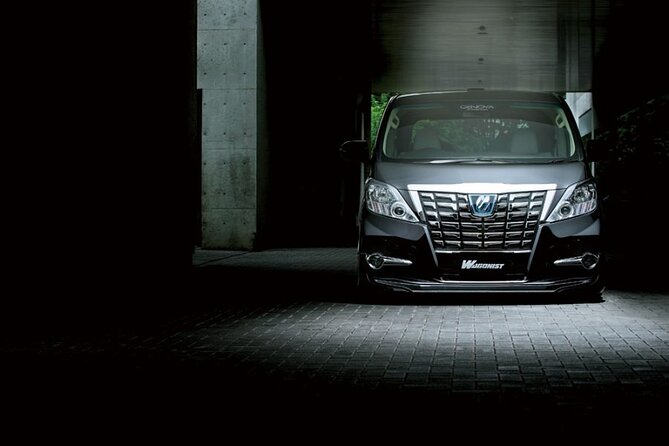
- The listed vehicle is a 2023 Toyota Land Cruiser Prado: A Japanese luxury van is available as an option if you want more room.
- Fuel and tolls are extra: Meals and admission fees for several attractions are also not included.
- The schedule needs clarification: Several listed stops appear to be errors or belong to a different tour plan.
What this private Japan tour is trying to deliver
This experience aims to combine three very different sides of Japan in one private road trip. Mt Fuji supplies the classic view. Takayama offers a smaller, rural setting with old-town character. Nagano brings snow monkeys, temples, mountain resorts, sake, soba, and one of Japan’s best-known castles.
That mix is appealing because it moves beyond a standard Tokyo and Kyoto plan. You get the famous mountain, a less crowded regional town, and northern Nagano attractions that are awkward to reach without a car.
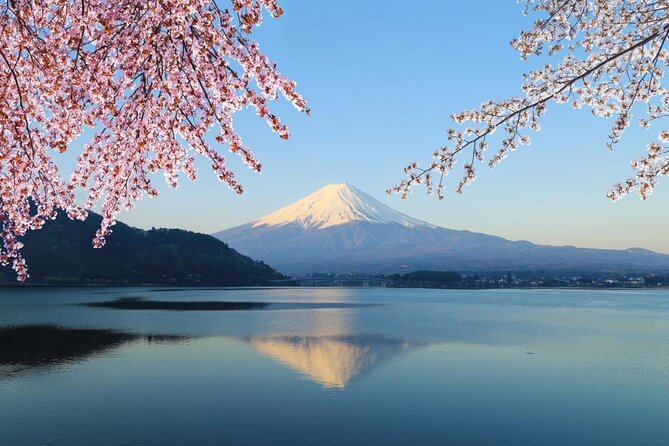
The guide is a major part of the appeal. Kye presents himself as a photographer, a local from Takayama, and someone who understands the confusion of moving around Japan. That matters on a private trip. You are not simply being dropped at a famous viewpoint. The stated aim is to find several Mt Fuji photo spots and add local experiences in Takayama.
The tour costs $39,021.51 per group of up to four. That is an extremely high price, even for a private three-day vehicle tour. The value depends on what the figure actually includes. At the time of booking, ask for a written breakdown covering the vehicle, driver-guide time, fuel, tolls, hotel arrangements, meals, attraction tickets, and any luxury-van supplement.
A few more Tokyo tours and experiences worth a look
Day one: Mt Fuji and the route that needs checking
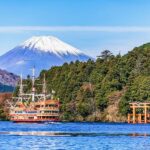
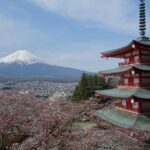
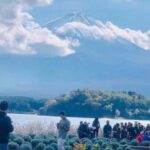
The first day begins in Tokyo and lists Mt Fuji as the main stop, with about an hour for photo locations. That is a short visit, but it could work if the goal is a series of viewpoints rather than a climb or a full day around the mountain.
A private photographer-guide is useful here because Mt Fuji views depend heavily on weather and location. The tour promises several photo spots, but it does not name them. Ask which viewpoints are planned, how much time is allowed at each, and what happens if cloud covers the mountain.
The same day then lists Kyoto Prefecture and Sapporo, each for about an hour. These entries do not fit a three-day private road trip from Tokyo. Kyoto is far south of the Fuji area, while Sapporo is on Hokkaido, Japan’s northern island. Reaching both would require transport arrangements that are not described, and an hour in each place would leave almost no time to experience them.
I would treat those two entries as a clear warning to verify the program. They may be accidental placeholders, incorrect labels, or copied information from another schedule. Do not assume they are actual stops.
The tour description also says that remaining hours are used for transportation. That is honest and important. Japan is compact on a map compared with some countries, but Tokyo, Takayama, and Nagano are not next-door stops. A large share of your three days will be spent in the vehicle.
Day two: Takayama, Osaka, and another schedule problem
Takayama is the most personal stop in the plan. Kye identifies it as his hometown, and that gives this part of the trip a clear reason to exist. The town is known for its traditional streets, rural setting, and old-town atmosphere. The tour allows about an hour here, which is enough for a short introduction but not enough for a full visit.
I would ask whether the Takayama time can be expanded. A private tour should be flexible, and this is the place where local guidance could make the biggest difference. If your main goal is an authentic regional stop, an hour may feel rushed, especially after a long drive.
The schedule also lists Osaka for seven hours, with a theme park described in terms of speed, height, and fear. It does not name the park, but the description clearly points to a major amusement attraction. An Osaka theme-park visit is not a natural fit with Takayama and Nagano in this three-day route.
Okinawa is then listed for another hour. Okinawa is far from the other destinations and cannot reasonably be added to this road itinerary without flights. This is the second major sign that the published day-by-day plan requires correction.
The practical question is simple: ask the operator to send you the actual three-day route in writing. It should show where you sleep each night, which stops are confirmed, and how the vehicle route connects Tokyo, Mt Fuji, Takayama, and Nagano.
Day three: Jigokudani’s famous snow monkeys
Jigokudani Yaen-Koen is the strongest clearly described attraction on the third day. The park is known for Japanese macaques, often called snow monkeys, and the tour allows about two hours.
The setting is unusual. The name Jigokudani means hell valley, a reference to the area’s sulfurous hot springs and harsh natural conditions. The monkeys are seen in a semi-natural environment, not in a standard zoo enclosure. That makes this a memorable stop, particularly in winter when snow can add to the scene.
Admission is not included. The same applies to several other optional attractions on the plan, so keep extra funds available for entrance fees.
The two-hour visit sounds reasonable for a focused stop, but the experience depends on conditions and the access route. The supplied information does not state walking distances, seasonal opening details, or how long the drive from your accommodation will take. Ask those questions if anyone in your group has limited mobility or a tight schedule.
Chausuyama Zoo and Zenko-ji Temple
Chausuyama Zoo is allotted one hour and is included as a chance to see red pandas. It is an optional-fee stop, and the description treats it as an add-on rather than the central purpose of the day.
That distinction is useful. If your group loves animals, it may be worth keeping. If the snow monkeys are your priority, you may prefer to use the time elsewhere, especially if the day already includes long drives.
Zenko-ji Temple receives one hour, followed by a second one-hour entry for a traditional path leading to Zenko-ji. These may be two parts of the same visit rather than separate attractions. The temple is presented as a more traditional and spiritual experience than some major Tokyo temples, with fewer crowds.
Zenko-ji is a good counterpoint to the wildlife stop. The monkeys are active and photographic. The temple visit is quieter and more reflective. The schedule should clarify whether the one-hour approach and one-hour temple visit are consecutive, and whether temple admission or special areas cost extra.
Other guided tours in Tokyo
Hakuba, Shiga Kogen, and the winter-only choices
The plan offers several mountain options in Nagano. Hakuba Goryu Ski Resort and Alpine Botanical Garden receive about two hours, while Shiga Kogen receives about an hour.
Hakuba is described as one of the world’s leading powder-snow destinations and is particularly known for off-piste skiing. Shiga Kogen is presented as a winter ski area near the snow monkeys. These stops make sense for a winter trip, especially if skiing is central to your plans.
They make less sense as automatic additions for every season. The description specifically calls Shiga Kogen a winter attraction, and Hakuba’s appeal changes outside the snow season. The botanical garden may have seasonal value, but no opening details are given.
Do not assume you can fit the snow monkeys, temple, Hakuba, Shiga Kogen, and Matsumoto Castle into one comfortable day. These are choices, not a realistic promise of full visits to every site. A private tour gives you a chance to choose, but only if you discuss priorities in advance.
Soba, sake, and Matsumoto Castle
The Togakushi Soba Museum Tonkururin is allotted two hours. Here, you can learn how to make traditional Japanese soba from scratch. That is the sort of hands-on stop that can add more meaning than another quick photo break, though the admission or activity fee is not included.
Nagano is well known for soba, according to the tour description, and this stop gives you a practical connection to local food rather than merely eating a meal at a restaurant. Meals themselves are not included, so confirm whether any tasting or prepared food is part of the museum visit.
Endo Sake Brewery allows about an hour for tastings. The area has more than ten breweries, and this stop offers a chance to sample local sake. Admission and tasting costs are extra. If someone in your group does not drink, ask whether the stop can be replaced or shortened.
Matsumoto Castle is another major possibility. Its five-tiered, six-story main tower dates to the late 16th century and is described as the oldest surviving castle tower in Japan. The tour says you can go inside, which is a real advantage for anyone interested in Japanese castles.
One hour is enough for a brisk visit, but not a slow one. Castle admission is not included, and the interior may involve stairs. The schedule should make clear whether Matsumoto replaces the ski resorts, the brewery, or another Nagano stop.
The Land Cruiser, group size, and road-trip comfort
The standard vehicle is a 2023 Toyota Land Cruiser Prado, with air conditioning and WiFi onboard. For a private group of up to four, that offers a more relaxed setup than joining a bus tour or handling several train changes with luggage.
A Japanese luxury van is available as an option for extra space. That may be worth considering if four adults are carrying large bags, since the trip involves multiple long drives. The exact supplement is not provided, so request the price before booking.
Pickup is offered in Tokyo, and the activity ends back at the meeting point. The tour is private, meaning only your group participates. That is valuable if you want to adjust the pace, spend longer at Takayama, or skip an optional stop.
Still, private does not mean limitless. The driver must cover fuel and tolls, and those costs are excluded. You should also confirm whether the quoted price includes overnight accommodation. The supplied details do not say that it does.
Price, extra costs, and the non-refundable booking
At $39,021.51 for up to four people, the headline price works out to roughly $9,755 per person if four people share it. That is a premium price by any normal standard, so the inclusions need to be unusually clear.
Included items are the air-conditioned vehicle and onboard WiFi. Excluded items are meals, fuel, tolls, and admission fees for Jigokudani, Chausuyama Zoo, Hakuba, Shiga Kogen, Togakushi Soba Museum, Endo Sake Brewery, and Matsumoto Castle.
The booking is non-refundable and cannot be changed for any reason. That makes the route errors more serious, not less. I would not commit until the operator confirms the corrected schedule, all accommodation details, extra charges, and the precise vehicle arrangement.
The experience has a perfect five-star rating from four submitted ratings, and one detailed account describes a two-day booking expanding into a two-week private trip for six friends, with cherry blossoms and visits to local artisans. That suggests the operator may be willing to tailor longer private programs. It does not, however, solve the need to verify this specific three-day plan.
Who should book this private tour
I would consider it for a small group that values privacy, photography, and a local connection to Takayama. It could suit families or friends who dislike changing trains and want one vehicle, one guide, and a flexible conversation about priorities.
It may also suit repeat visitors who have already seen Tokyo and Kyoto and want Mt Fuji, rural Japan, Nagano wildlife, and mountain areas in one custom trip.
I would be cautious if your budget is limited, if you want a carefully timed sightseeing program, or if you prefer trains and independent hotel bookings. The very high price and excluded expenses require careful planning.
Should you book it?
Book only after you receive a corrected route. The strongest version of this experience would focus on Mt Fuji, Takayama, Jigokudani, Zenko-ji, and perhaps Matsumoto Castle, with the optional ski, soba, and sake stops chosen according to season and interest.
Kye’s local background and photography skills could make the trip personal, and the private Land Cruiser setup is comfortable for a small group. But the published schedule includes destinations that do not belong in this road trip, and the non-refundable terms leave little room for mistakes.
If the operator supplies a clear route and a full cost breakdown, this could be a useful custom tour for four people who value convenience over price. If those answers remain vague, I would not book it.
FAQ
Where does the tour start?
The tour starts in Tokyo, Japan.
Where does the tour end?
The activity ends back at the meeting point.
How long does the tour last?
The tour lasts approximately three days.
How many people can join the private tour?
The quoted price covers a private group of up to four people.
Who is the guide?
The guide is Kye, a Japan-born, half-Australian semi-professional photographer who identifies Takayama as his hometown.
What vehicle is used?
The standard vehicle is a 2023 Toyota Land Cruiser Prado. A Japanese luxury van is available as an option for additional space.
Is pickup available?
Yes. Pickup is offered, with the starting location listed as Tokyo.
What is included in the price?
An air-conditioned vehicle and WiFi onboard are included.
Are meals, fuel, tolls, and attraction tickets included?
No. Meals, fuel, tolls, and several admission fees are not included.
Is the tour refundable or changeable?
No. The experience is non-refundable and cannot be changed for any reason.
More Private Tours in Tokyo

More Guided Tours in Tokyo
More Mt Fuji Day Trips in Tokyo

More tours in Tokyo we've reviewed



Mt Fuji Day Trips, compared.
 ★ 5.0Mt Fuji and Hakone 1-Day Bus Tour Return by Bullet TrainFrom $163
 ★ 4.0Mt Fuji & Hakone Cruise, Drum Show Bullet Train 1 Day from TokyoFrom $149
 ★ 4.4Tokyo Mt Fuji 5th St & Hakone Cruise Bus Tour w/Bullet TrainFrom $15410 hours
 ★ 4.5From Tokyo: Mount Fuji Full-Day Sightseeing TripFrom $6810 hours
 ★ 4.7Tokyo: Mt. Fuji Tour, Hakone Ropeway, Owakudani, Lake AshiFrom $5410 hours
 ★ 4.4Tokyo:Mt.Fuji,Kawaguchiko Oishi Park,Arakurayama Sengen ParkFrom $5410 hours