Reviewed · MT FUJI DAY TRIPS
Private Car Tour to Mt. Fuji Lake Kawaguchiko or Hakone
Mt. Fuji is a fickle star. Clouds can hide the summit just as you reach the best viewpoint, yet a private car gives you a real advantage: your guide can change the order, chase a clearer view, or swap in a cave, shrine, brewery, or lakeside stop. You choose either the Fuji Five Lakes area or Hakone, then select about four to six places.
In This Article
- Key points before you book
- Why a private Fuji day works better than a rigid bus trip
- Arakura Sengen Shrine and Chureito Pagoda
- Fujisan World Heritage Center and the northern shrines
- Kawaguchiko: flowers, crafts, and broad Fuji views
- Traditional houses at Saiko Iyashi no Sato Nemba
- Oshino Hakkai and the ninja village
- Sake, fruit, caves, and the Aokigahara forest
- Ropeways, museums, and the five-lake alternatives
- Mt. Fuji Fifth Station: impressive, but seasonal and extra cost
- What changes when you choose Hakone
- Museums and Odawara for a fuller Hakone day
- Price, comfort, and what you actually receive
- Weather, traffic, and the right expectations
- Who should book this private day
- Should you choose Fuji or Hakone?
- FAQ
- How long is the private Mt. Fuji or Hakone tour?
- How many people can join the private tour?
- Is hotel pickup and drop-off included?
- Is transportation private?
- Which languages are available for the guide?
- Do I visit every stop listed?
- Is lunch included?
- Is the Mt. Fuji Fifth Station included?
- Are entrance fees included?
- What happens if clouds hide Mt. Fuji?
I like the door-to-door minivan service, especially for families and groups, and I like the human touch from guides such as Ken, Tomomi, Bob, Taiji, and Hiroko. Their job is not just to point at a mountain. They explain shrines, suggest food, help with timing, and adjust the day when traffic or weather gets in the way.
The catch is price. At $1,286.89 for up to eight people, this is expensive for a couple or small family. It becomes much better value when shared by six to eight people. Also, a 10 to 11-hour day from Tokyo includes long highway stretches, and clouds may still win.
Key points before you book
- Private group of up to eight: You ride only with your own party in an air-conditioned minivan, with hotel pickup and drop-off.
- Choose Fuji or Hakone: The Fuji route covers shrines, lakes, pagodas, caves, villages, and flower parks. Hakone focuses on ropeways, volcanic activity, Lake Ashi, museums, and shrines.
- Pick only four to six stops: The long list is a menu, not a promise that you will see everything in one day.
- Flexible timing matters: Guides can adjust the order to catch Mt. Fuji before clouds arrive or avoid the worst traffic.
- The mountain is never guaranteed: Ordinary poor visibility does not bring a refund, though a weather cancellation by the operator allows a new date or full refund.
- Best shared value for larger groups: The cost per person drops sharply when six to eight people join.
Why a private Fuji day works better than a rigid bus trip
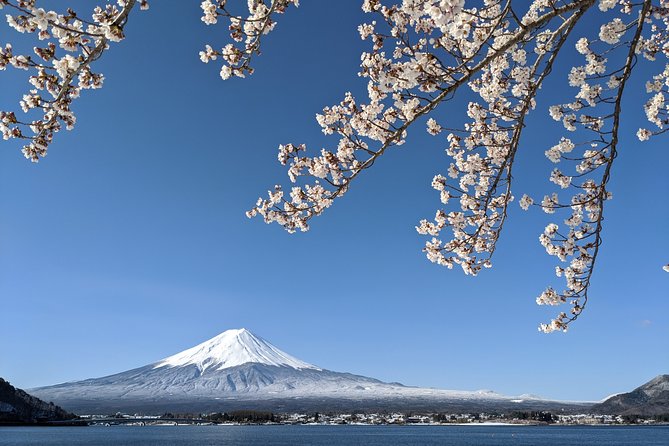
From Tokyo, Mt. Fuji is not a quick hop. The drive can take several hours each way, and traffic returning to the city can be severe. One group reported nearly four hours on the way back. That makes a private vehicle more than a comfort upgrade. It gives you room for bottled water, a guide who can explain what you are seeing, and a chance to make practical changes during the day.
You also avoid the awkwardness of trying to fit a large family into several trains and buses. One group of eight included a child and two older parents, and the private format let the guides keep the pace comfortable. That is a real benefit if your party has mixed energy levels.
The guides are a major part of the experience. Ken is praised for clear English, advance planning, and quick replies before the day. Tomomi speaks fluent English and brings strong knowledge of the Fuji area. Bob is warm and engaging, while Taiji is noted for thoughtful conversation during the long drives. Names are not guaranteed, but you can ask about guide preferences after booking.
A few more Tokyo tours and experiences worth a look
Arakura Sengen Shrine and Chureito Pagoda
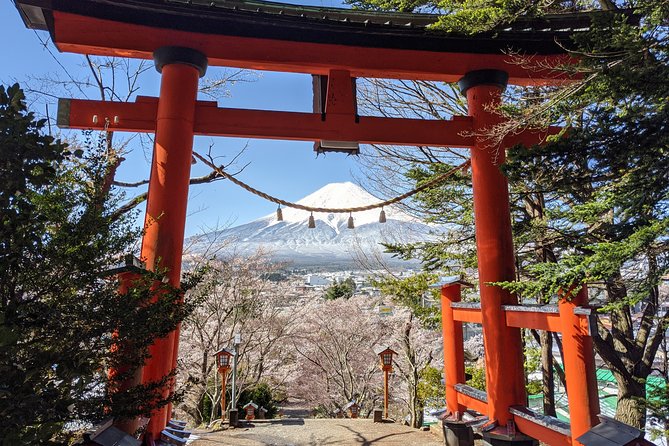
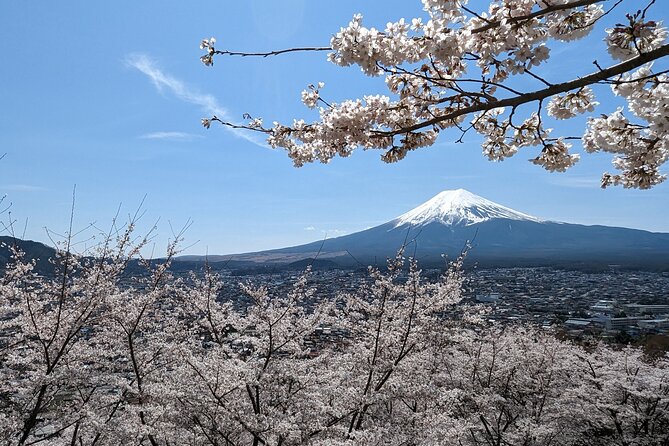
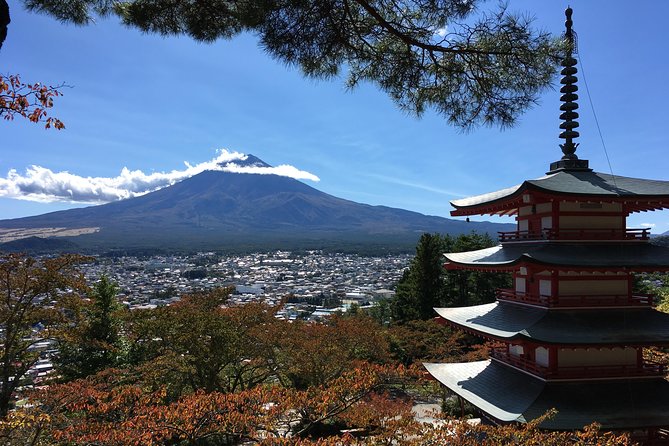
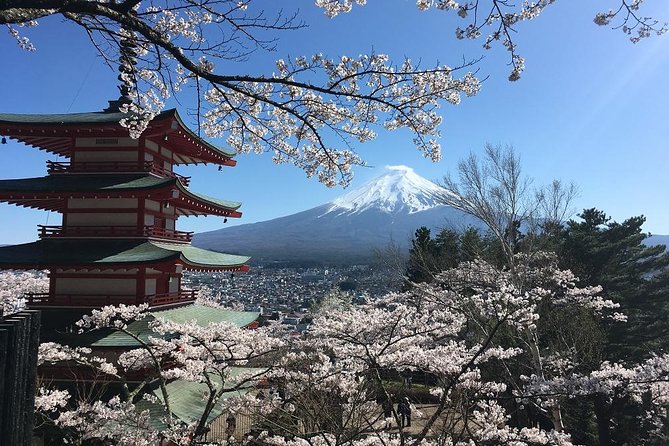
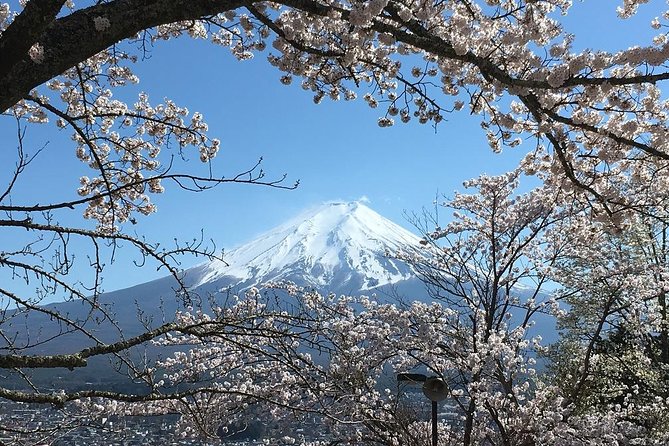
The classic Fuji photograph begins at Arakura Fuji Sengen Shrine and Chureito Pagoda. The shrine honors the fire goddess and forms part of the cultural setting around Mt. Fuji. From the nearby Arakurayama Sengen Park, you can frame the five-story pagoda with the mountain behind it.
This is the image most people carry in their heads before coming to Japan, but getting it takes effort. Expect stairs and walking around the shrine and park. The stated stop time ranges from 30 to 60 minutes, so your guide can keep it brief for a photo-focused visit or allow more time for prayer and quiet observation.
Go early if possible, especially during popular flower seasons. Your guide can help decide if this should be the first stop, which is useful when the summit is visible at the start of the day but disappears under cloud later.
Fujisan World Heritage Center and the northern shrines
The Fujisan World Heritage Center offers a short visual introduction to Mt. Fuji, its rituals, and its place in local culture. It is a sensible stop if you want context before seeing more shrines and lakes, though museum admission is not included despite the stated schedule showing no ticket charge. Confirm the current cost with your guide.
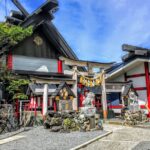
Kitaguchi Hongu Fuji Sengen Jinja is a more serious religious site. It is described as the main shrine protecting the northern side of Mt. Fuji and as the first step in an ascent of the mountain. Giant trees, shrine architecture, and the idea of pilgrimage make this more than another photo stop.
I would choose this shrine over several minor sightseeing stops if you care about Japanese religious life. It gives the mountain cultural meaning instead of treating it as scenery alone.
Kawaguchiko: flowers, crafts, and broad Fuji views
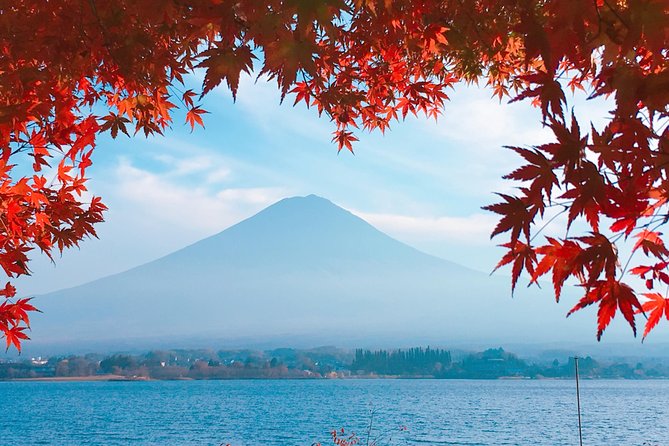
Lake Kawaguchiko is the most visited of the five Fuji lakes and offers many possible photo points. The exact view changes by season, and your guide can choose among the lakeside stops based on weather, flowers, and crowds.
At Fuji Oishi Hana Terrace, you can browse regional crafts and sample ice cream or sorbet made with local fruit. Nearby Oishi Park is known for seasonal flowers, including lavender, with more than 90 varieties appearing through the year. These stops are easygoing and work well for families, photographers, and anyone who wants a break from shrines.
The drawback is that Kawaguchiko has several commercial attractions. Oishi Hana Terrace is pleasant, but it is oriented toward shopping and treats. If your time is short, tell your guide whether you want flowers, food, views, or purchases. Four to six carefully chosen stops will feel far better than racing through ten.
Traditional houses at Saiko Iyashi no Sato Nemba
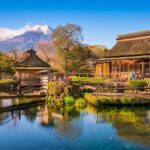
Saiko Iyashi no Sato Nemba is one of the more atmospheric choices. Old-style Japanese houses with straw roofs sit against a Fuji backdrop, and local craftspeople work in the village. Kimono and samurai armor rentals are available by reservation.
This stop takes 30 to 90 minutes, so it can be a quick look or a slower cultural visit. Admission is not included. I would reserve ahead if dressing up is important to you, since the activity is not presented as an automatic part of the tour.
The village offers a useful contrast to the polished photo points around Kawaguchiko. You get a sense of traditional building styles and local craft rather than only a scenic overlook.
A few more Tokyo tours and experiences worth a look
Oshino Hakkai and the ninja village
Oshino Hakkai consists of eight ponds formed by snowmelt from Mt. Fuji. It is part of the Fujisan Cultural Site and combines water, mountain views, food stalls, and shopping. The stop is fairly short, usually 20 to 60 minutes, so it suits a quick walk and snack.
Nearby Oshino Shinobi no Sato is more theatrical. You can watch a ninja show and rent ninja clothing for children and adults. Admission is not included. Families with children may prefer this to a museum, while adults seeking a quiet shrine visit may find it less essential.
These two stops pair well, but I would not force both into a crowded day. Ask your guide to choose based on your group. The private format works best when your interests shape the route.
Sake, fruit, caves, and the Aokigahara forest
Ide Sake Brewery is the only sake brewery in Lake Kawaguchiko city using Mt. Fuji snowmelt. Tastings are available, and a guided brewery visit can be arranged from 3 p.m., with tasting listed at 1,500 yen upon reservation. The timing is important. A late afternoon brewery stop may work better on a Fuji Lakes day than on a schedule built around an early mountain viewpoint.
Yamanashi is also Japan’s fruit country. Depending on the season and reservations, you may arrange strawberries, cherries, peaches, grapes, or Shine Muscat grapes. A 30-minute all-you-can-eat strawberry option is also listed. These are seasonal additions, not guaranteed daily stops.
Aokigahara Jukai, often called the Sea of Trees, provides a darker and more unusual side of Fuji. The Narusawa Ice Cave and Fugaku Wind Cave were formed by volcanic activity, and the Saiko Bat Cave is the largest of the three, with bats hibernating inside. Cave admission is extra, and sturdy footwear is sensible, though the supplied details do not specify a required dress code.
The caves are a good backup when the summit is hidden. One guide deliberately shifted attention toward lakes and a lava cave when clouds blocked Fuji, turning a disappointing view into a worthwhile day. That is where local judgment earns its keep.
Ropeways, museums, and the five-lake alternatives
The Mt. Fuji Panoramic Ropeway rises to 1,075 meters in three minutes from Lake Kawaguchiko. From above, you can see the lake, Fuji Yoshida city, and Mt. Fuji when conditions cooperate. Allow extra time if the queue is long. Admission is not included.
The Itchiku Kubota Art Museum displays rare kimono in unusual architecture created by the artist Itchiku Kubota. It is a strong choice for art lovers and anyone who wants a quieter cultural stop. The Kawaguchiko Music Forest Museum has European-style gardens and a collection of antique automatic musical instruments, some more than a century old.
Lake Yamanaka, the largest of the five lakes, offers different options. The KABA amphibious bus spends about 30 minutes traveling on land and cruising on the lake. Yamanakako Hananomiyako Park covers 30 hectares and displays seasonal flowers from spring through fall, with the possibility of seeing Diamond Fuji in winter.
The Yamanashi Gem Museum and seasonal ski options round out the choices. You can also ask about cycling. One family completed a 14-kilometer route around Lake Yamanaka on electric bikes, though the distance felt longer than expected to one member of the group. That is a useful warning: mention fitness levels before adding active options.
Mt. Fuji Fifth Station: impressive, but seasonal and extra cost
The Fifth Station reaches about 2,300 meters, the highest point accessible by car on the mountain. It can feel like the obvious climax, but access is seasonal. The road is closed from July to mid-September during the main climbing season and may also close in winter.
The toll fee is 2,100 yen, paid locally, and is not included. Even when open, clear views are not guaranteed. One family reached the station just as clouds lifted, only to see the mountain disappear again minutes later.
Treat Fifth Station as a bonus, not the reason to book the entire day. The best private guides will use the weather and road conditions to decide if it is worth the drive.
What changes when you choose Hakone
Hakone is a different kind of day. It combines volcanic activity, hot springs, Lake Ashi, museums, gardens, and historic roads. Choose it if you want varied attractions rather than a concentrated Fuji photo hunt.
The Hakone Ropeway reaches 1,350 meters and offers the area’s best aerial views of Mt. Fuji on a clear day. At Owakudani Valley, you can see volcanic activity and try the famous black eggs, said to add seven years to your life. It is a fun local tradition, but the valley can close or change access when volcanic conditions require it.
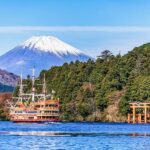
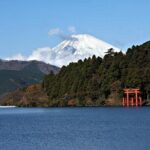
Lake Ashi is the centerpiece. The sightseeing cruise offers either the famous pirate ship or a regular cruise ship if you prefer fewer crowds. The Hakone Shrine, with its lakeside torii gate, is another major stop, though the photo area can be busy and queues may form.
Onshi Hakone Park, a former Imperial garden, offers a slower walk and views toward Fuji and Lake Ashi. It is especially appealing during spring cherry blossoms or autumn red leaves, provided the weather is clear.
Museums and Odawara for a fuller Hakone day
The Hakone Open-Air Museum is a good family choice, with sculptures by Japanese and Western artists set outdoors. Admission costs extra, and you should allow 45 to 90 minutes. Hakone also offers glass art, Japanese and Oriental art, a museum focused on art beside Lake Ashi, and a samurai weapons museum where you can try on armor for a portrait.
Odawara Castle adds samurai and ninja history. Its museum includes real armor and swords, and the castle is described as the nearest castle to Tokyo. Hakone Sekisho and its museum explain Edo-period travel controls and the role of samurai under the Tokugawa shogunate.
Mishima Skywalk is another add-on, with views from Japan’s longest suspended pedestrian bridge. Admission is extra, and weather determines how much Fuji you can see. Shiraito Falls, one of Japan’s best-known waterfalls, is also possible, but it takes about two hours round trip from Lake Kawaguchiko. Do not combine every major attraction. The distances make that a recipe for a rushed day.
Price, comfort, and what you actually receive
The $1,286.89 group price includes hotel pickup and drop-off, private round-trip transport in an air-conditioned minivan, a private professional guide, and one bottle of water per person. Food, lunch, entrance fees, gratuity, and the Fifth Station toll are extra.
For eight people, the price works out to about $161 per person. For four, it is about $322 each. For two, the cost is hard to justify unless privacy, personal guiding, and door-to-door service matter more to you than saving money.
You should also budget for ropeways, cruises, museums, caves, the open-air museum, and special activities. A good plan is to choose one or two paid attractions and balance them with free shrines, parks, and viewpoints.
Gratuity is listed at 5 to 20 percent. Vegetarian meals can be discussed when booking, and dietary needs should be stated in advance.
Weather, traffic, and the right expectations
Mt. Fuji visibility is the central gamble. Clouds, rain, and even hail can affect the day. The operator does not promise a refund simply because the summit is hidden or a view is incomplete. If poor weather causes the operator to cancel the entire experience, you can receive another date or a full refund.
Traffic is the second gamble. A private driver can choose sensible timing and routes, but no vehicle can erase Tokyo congestion. Start early if offered, keep the stop list realistic, and accept that the return drive may be long.
Free cancellation is available up to 24 hours before the start time. Changes or cancellations inside that window are not accepted for a refund.
Who should book this private day
I would book this for a family, a group of friends, or anyone with older relatives who values comfort and control. It is also a strong choice if you have a very specific wish, such as a sake tasting, fruit picking, a cave, a shrine, cycling, or a museum.
It is less appealing for a solo visitor or couple on a tight budget. A scheduled bus or train-based outing will cost less, though it will not offer the same freedom to reorder stops or return to the hotel by private vehicle.
Should you choose Fuji or Hakone?
Choose Mt. Fuji and Kawaguchiko for the famous mountain photograph, Chureito Pagoda, the Five Lakes, traditional houses, flowers, caves, fruit, and sake. Choose Hakone for the ropeway, Owakudani, Lake Ashi cruise, Hakone Shrine, hot springs, museums, and Odawara Castle.
Do not try to do both in one day. The menu is wide because the provider can build different private tours, not because all 30 stops fit into 10 hours. Tell the guide your top three priorities, your walking tolerance, and whether food or museums matter more than viewpoints.
For a larger group that wants a flexible day outside Tokyo, I think this is worth serious consideration. For a small party, compare the cost carefully. Book it when you value a skilled guide, a comfortable vehicle, and the ability to adapt more than you value the lowest price.
FAQ
How long is the private Mt. Fuji or Hakone tour?
The experience lasts approximately 10 to 11 hours.
How many people can join the private tour?
The price covers one private group of up to eight people.
Is hotel pickup and drop-off included?
Yes. Hotel pickup and drop-off are included.
Is transportation private?
Yes. Round-trip transportation is provided in a private, air-conditioned minivan.
Which languages are available for the guide?
Professional guides are available in English, French, Spanish, Chinese, and Korean.
Do I visit every stop listed?
No. The listed places form a menu of options. You should select around four to six sites for the day and ask the guide for suggestions.
Is lunch included?
No. Lunch, food, and drinks are not included. Vegetarian options can be discussed when booking.
Is the Mt. Fuji Fifth Station included?
No. The Fifth Station requires a 2,100-yen toll paid on the spot. Access is closed from July to mid-September and may also be closed during winter.
Are entrance fees included?
No. Entrance fees for museums, hot springs, ropeways, cruises, caves, and similar attractions are not included.
What happens if clouds hide Mt. Fuji?
The tour may continue with other sites, but the experience is not canceled or refunded merely because some views are blocked by weather. If the operator cancels the tour because of poor weather, you can choose another date or receive a full refund.
More Private Tours in Tokyo


More Hakone Day Trips in Tokyo
More Mt Fuji Day Trips in Tokyo

More tours in Tokyo we've reviewed












Mt Fuji Day Trips, compared.
 ★ 5.0Mt Fuji and Hakone 1-Day Bus Tour Return by Bullet TrainFrom $163
 ★ 4.0Mt Fuji & Hakone Cruise, Drum Show Bullet Train 1 Day from TokyoFrom $149
 ★ 4.4Tokyo Mt Fuji 5th St & Hakone Cruise Bus Tour w/Bullet TrainFrom $15410 hours
 ★ 4.5From Tokyo: Mount Fuji Full-Day Sightseeing TripFrom $6810 hours
 ★ 4.7Tokyo: Mt. Fuji Tour, Hakone Ropeway, Owakudani, Lake AshiFrom $5410 hours
 ★ 4.4Tokyo:Mt.Fuji,Kawaguchiko Oishi Park,Arakurayama Sengen ParkFrom $5410 hours