Reviewed · TEMPLES & MEDITATION
Join a Unique Cultural Ceremony at Tokyo’s Meiji Shrine
The rare part of this experience is not the walk through Meiji Shrine, it is the chance to enter a ceremonial hall and watch a traditional Shinto prayer ritual. Priests chant, flutes and drums sound, and the quiet forest outside makes the moment feel far removed from central Tokyo.
In This Article
- Key points at a glance
- Why this Meiji Shrine experience feels different
- Meeting the guide at Yoyogi Station
- Walking beneath the Meiji Shrine trees
- Inside the wooden hall for the gokito ritual
- Learning Japanese customs without a lecture
- Handmade onigiri before or after the ceremony
- More than 30 photographs to take home
- Is $198.81 a fair price?
- Who should book this experience?
- Practical details before you reserve
- Should you book the Meiji Shrine ceremony?
- FAQ
- Where does the Meiji Shrine tour start?
- Where does the experience end?
- How long does the experience last?
- How many people can join the tour?
- Is the traditional prayer ritual included in the price?
- Are shrine offerings and purchases included?
- What food is provided?
- What happens if the weather is poor?
I like the personal scale, with no more than six people, and I like the practical mix of culture and keepsakes: handmade premium-rice onigiri plus more than 30 photographs from the morning. Guide Kohei’s warmth and cultural insight are also a real asset.
The main consideration is price. At $198.81 per person for about two and a half hours, this is not a basic shrine walk. You are paying for access, guidance, the ritual fee, food, and photography, so it makes the most sense if those extras matter to you.
Key points at a glance
- Witness a gokito prayer ceremony: Enter a ceremonial hall and watch priests chant ancient prayers with traditional court music.
- Walk through Meiji Shrine’s forest: The route begins with a quiet approach through one of Tokyo’s best-known sacred spaces.
- Keep more than 30 professional photos: A photographer accompanies the group and captures key moments throughout the experience.
- Meet in a group of six or fewer: The small size should make it easier to ask questions and follow the guide.
- Taste handmade onigiri: Premium Japanese rice balls are offered as a pre-tour breakfast or post-tour snack.
- Start and finish near Yoyogi Station: The meeting point is at 1 Chome-34 Yoyogi, Shibuya, with public transportation nearby.
Why this Meiji Shrine experience feels different
Meiji Shrine is easy to visit on your own. You can walk beneath the great torii gates, follow the forest paths, offer a coin, and leave with a few photographs. That self-guided visit gives you the outline, but not always the meaning behind the rituals.
This tour adds the part most independent visitors cannot arrange: access to a sacred ceremonial area and attendance at a traditional prayer service called gokito. You are not simply looking at shrine buildings from outside. You sit in a wooden hall with high ceilings, listen to ancient prayers, and watch priests carry out a formal Shinto ceremony.
I like that the experience is framed as cultural rather than as a religious obligation. You do not need to understand every word of the chanting. Your job is to sit quietly, listen, and pay attention to the setting. The sound of flutes and drums, the scent of cypress, and the stillness of the room do much of the explaining.
The small group matters here. With a maximum of six people, the guide can answer questions without turning the visit into a lecture. Kohei is specifically praised for his cultural knowledge and his ability to connect Japanese customs with experiences from abroad. That can make unfamiliar practices easier to understand without flattening them into simple tourist facts.
A few more Tokyo tours and experiences worth a look


Meeting the guide at Yoyogi Station
Your meeting point is at Yoyogi Station, at 1 Chome-34 Yoyogi in Shibuya. The tour also returns to this meeting point, which keeps the morning tidy if you have another plan afterward.
The booking includes a mobile ticket, and confirmation is provided when you book. Since the activity is near public transportation, getting to the start should be straightforward, but you will still want to allow enough time to find the exact meeting place. Tokyo stations can have several exits and a fair amount of foot traffic, even when the route looks simple on a map.
The experience lasts about two hours and 30 minutes. That is long enough for a guided visit and ceremony without taking over your entire day. I would place it early in your Tokyo schedule, especially if you want a calm start before moving on to busier areas.
A maximum of six people gives this outing a more personal feel than a large walking group. It also means the experience has less room for last-minute changes if someone is late, so arrive ready at the stated meeting point.
Walking beneath the Meiji Shrine trees
The first part takes you along peaceful paths through the shrine forest. This is one of the most useful parts of the tour because it changes your pace before the ceremony begins.
Tokyo is loud, quick, and crowded in many places. Meiji Shrine offers a sharp contrast, with broad paths and tall trees creating a quiet approach to the sacred buildings. The walk is not only transportation from the station to the hall. It gives your guide room to explain customs, shrine etiquette, and the role of Meiji Shrine in Japanese life.
You should expect some walking and a moderate level of physical activity. The information provided does not give an exact distance or a detailed surface description, so comfortable shoes are the sensible choice. If you have trouble walking for extended periods, this may require more thought than a short photo stop.
The forest also sets up the ceremony well. You move from the noise of the city into a quieter space, then from the open paths into a wooden hall. That gradual change is part of what gives the experience its power.
Inside the wooden hall for the gokito ritual
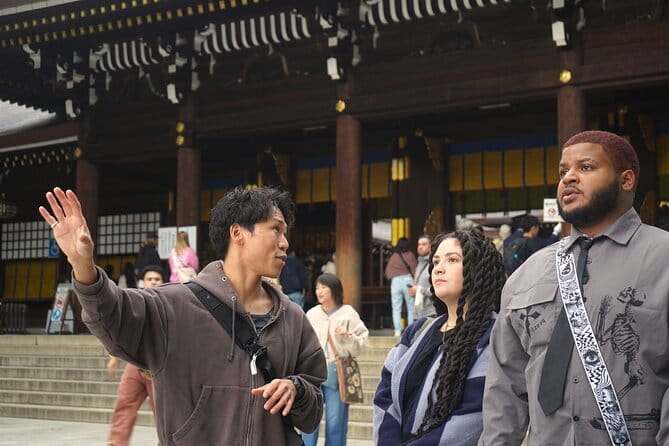
The central event is the traditional Shinto prayer ceremony. You enter a ceremonial hall with high wooden ceilings and the scent of cypress. Priests perform sacred chants, while flutes and drums provide traditional court music.
This is the kind of experience where respectful attention matters more than constant explanation. You may not understand the words, but you can follow the rhythm, the pauses, and the careful movements of the ceremony. The quiet atmosphere gives you time to notice details that are easy to miss during a quick shrine visit.
The tour fee includes the cost of taking part in the traditional Japanese praying ritual. The information does not spell out every action you will perform, so do not assume that you will have a long private ceremony or a personal blessing. The clear promise is that you will enter the ceremonial setting and witness the ritual.
You should also remember that this is a sacred place, not a stage show. Follow the guide’s instructions, keep your voice low, and avoid treating the hall like a photo studio. The presence of a professional photographer does not mean every part of the ceremony is designed for pictures.
The ritual may be especially meaningful if you have already seen shrines on your own and want to understand what happens beyond the outer grounds. It is also a good fit for people who prefer observation and atmosphere to a packed schedule of attractions.
Learning Japanese customs without a lecture

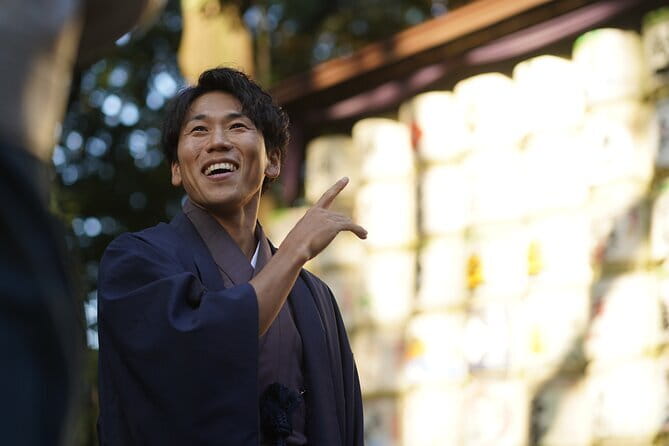
A strong guide can make the difference between seeing a ceremony and understanding why it matters. Kohei is described as having deep cultural knowledge, international experience, and a thoughtful way of answering questions.
That combination is useful. A guide who knows the shrine but also understands how customs can appear to people from other cultures can explain details in plain language. You can ask about the purpose of the ritual, the meaning of shrine behavior, or how Shinto traditions fit into daily life.
The experience is presented as a way to connect Japanese culture to your own background. That does not mean every question will have a quick comparison, but it suggests a guide-led conversation rather than a memorized speech.
I also like the stated emphasis on calm. This is not sold as a rapid tour that races from one landmark to the next. The forest walk and ceremony both reward a slower approach. If you want constant action, this may feel too quiet. If you want a thoughtful morning, the pace is a strength.




Handmade onigiri before or after the ceremony
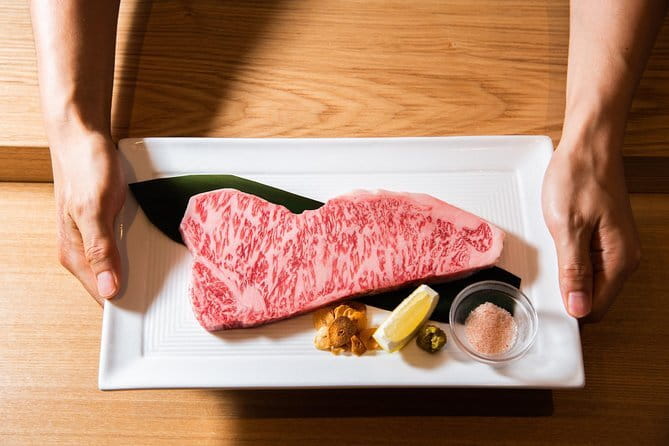
The included onigiri adds a small but welcome local touch. These are handmade rice balls made with premium Japanese rice, not the standard convenience-store version.
You can enjoy them as a pre-tour breakfast or as a snack afterward. That flexibility is useful because people arrive with different schedules and appetites. It also makes the food feel connected to the outing rather than an unrelated restaurant stop.
Do not book the tour expecting a full meal. The information only promises traditional onigiri, so you may still want breakfast or lunch plans of your own depending on your appetite. The value here is the chance to taste a simple Japanese food in a more personal setting.
The onigiri also helps the tour avoid feeling like a standard sightseeing package. The ritual provides the spiritual focus, while the rice balls offer something ordinary and familiar from Japanese daily life.
More than 30 photographs to take home

A professional photographer accompanies the group and captures more than 30 photographs at important moments. This is a major part of the package, especially if you are traveling alone, with a partner, or with family and want good pictures without asking strangers to take them.
The photographs are intended to cover significant moments from the experience, allowing you to share the day with family or friends. The available information does not specify the delivery method, editing style, or exact turnaround time, so ask those practical questions when booking if the photos are central to your decision.
Photography can also change how you experience a cultural site. On the good side, you can stop worrying about taking pictures and pay attention to the forest and ceremony. On the other hand, you may prefer a quieter visit with no camera activity at all. The photographer’s presence is worth considering if you are sensitive to being photographed in a sacred setting.
The package works best for people who see professional images as a real benefit, not just a bonus. If you already carry excellent camera equipment and prefer complete privacy, the photography may add less value for you.
Is $198.81 a fair price?
At $198.81 per person, this is an expensive two-and-a-half-hour activity by ordinary Tokyo sightseeing standards. You can visit Meiji Shrine without a tour for far less, and the shrine grounds are accessible to independent visitors.
The comparison changes once you count what is included. The fee covers all taxes and fees, the cost of the traditional praying ritual, a fluent English-speaking guide with official Meiji Jinguu membership, handmade onigiri, a small group of no more than six people, and professional photography with more than 30 images.
I would not recommend this based on the shrine walk alone. The value rests on the combination of special access, ceremony, a personal guide, and photographs. Remove any one of those elements and the price becomes harder to justify.
For a first-time visitor who wants a standard introduction to Meiji Shrine, an independent visit may be enough. For someone marking a special trip, traveling with a partner, or wanting a cultural experience that feels more personal, the package can make better sense.
The five available ratings are all at the top level, with praise focused on the guide’s kindness, cultural insight, the sacred atmosphere, the music, and the lasting photographs. That pattern points to the experience’s real strengths: human attention and atmosphere, not a long list of sights.
Who should book this experience?
I would recommend it to you if you:
- Want to understand Japanese customs instead of only photographing shrine buildings.
- Prefer a small group to a large scheduled tour.
- Are curious about a Shinto ceremony and comfortable sitting quietly during it.
- Value professional photographs from a special day.
- Like the idea of combining a forest walk, cultural explanation, ritual, and simple Japanese food.
- Have moderate physical fitness and can manage the walking involved.
I would think twice if you want a flexible, low-cost visit. You may also prefer another option if you dislike being photographed, want to explore Meiji Shrine at your own pace, or are looking for a full-day tour with several Tokyo sights.
This is also not the best choice for a rushed itinerary. The ceremony deserves attention, and the experience is built around quiet observation rather than checking off landmarks.
Practical details before you reserve
The tour starts and ends at the Yoyogi Station meeting point. It lasts approximately two hours and 30 minutes, and the group is limited to six people.
All fees and taxes are included, as is the fee for the traditional praying ritual. Coins for the offering box and purchases of shrine goods are not included, so carry some Japanese currency if you want to make an offering or buy something.
Confirmation arrives at booking, and the activity is near public transportation. A mobile ticket is provided, which keeps the booking simple.
The activity requires good weather. If poor weather forces a cancellation, you can choose another date or receive a full refund. You can cancel for a full refund up to 24 hours before the start time. Changes or cancellations made less than 24 hours before the start time are not accepted for a refund, and the cut-off follows local Tokyo time.
Should you book the Meiji Shrine ceremony?
Book it if you want the part of Meiji Shrine that independent sightseeing usually cannot provide: a guided approach through the forest, entry into a ceremonial hall, and a chance to witness a traditional gokito ritual with music and chanting.
The strongest reasons to choose it are the small group, Kohei’s personal guidance, the calm setting, and the combination of professional photographs with handmade onigiri. The main reason to skip it is the high price for a short activity, especially if you only want to see the shrine grounds.
For a meaningful first morning in Tokyo, I think this is a good choice for culturally curious people who value access and atmosphere more than bargain pricing. Just go in knowing that the experience is quiet, formal, and reflective. That is its appeal, but it will not suit every schedule or travel style.
FAQ
Where does the Meiji Shrine tour start?
The tour starts at Yoyogi Station, at 1 Chome-34 Yoyogi, Shibuya, Tokyo 151-0053, Japan.
Where does the experience end?
The activity ends back at the meeting point near Yoyogi Station.
How long does the experience last?
The tour lasts approximately two hours and 30 minutes.
How many people can join the tour?
The maximum group size is six people.
Is the traditional prayer ritual included in the price?
Yes. The fee for experiencing the traditional Japanese praying ritual is included, along with all fees and taxes.
Are shrine offerings and purchases included?
No. Coins for the offering box and money for buying goods are not included.
What food is provided?
The experience includes handmade onigiri made with premium Japanese rice. You can eat them as a pre-tour breakfast or a post-tour snack.
What happens if the weather is poor?
The experience requires good weather. If it is canceled because of poor weather, you will be offered a different date or a full refund.
More Temples & Meditation in Tokyo

More tours in Tokyo we've reviewed




Temples & Meditation, compared.
 ★ 4.7Tokyo: Meiji Shrine, Asakusa, Skytree Bus Tour and CruiseFrom $12210 hours
 ★ 4.8Tokyo: Asakusa Walking Tour with Sensoji Temple VisitFrom $222 hours
 ★ 4.5Tokyo: Kamakura & Enoshima Day Trip including Temple TicketsFrom $589 hours - 570 minutes
 ★ 4.5Tokyo: Nikko Toshogu Shrine and Kegon Waterfall TourFrom $8410h 30m
 ★ 4.5Tokyo Panoramic 1 Day: Meiji Shrine, Asakusa, Odaiba and SKYTREE®From $85
 ★ 5.0Asakusa Senso-ji Temple and Old Tokyo Walking TourFrom $20