Reviewed · MT FUJI DAY TRIPS
Tokyo: Mt. Fuji Hidden Gems and Aokigahara Forest Tour
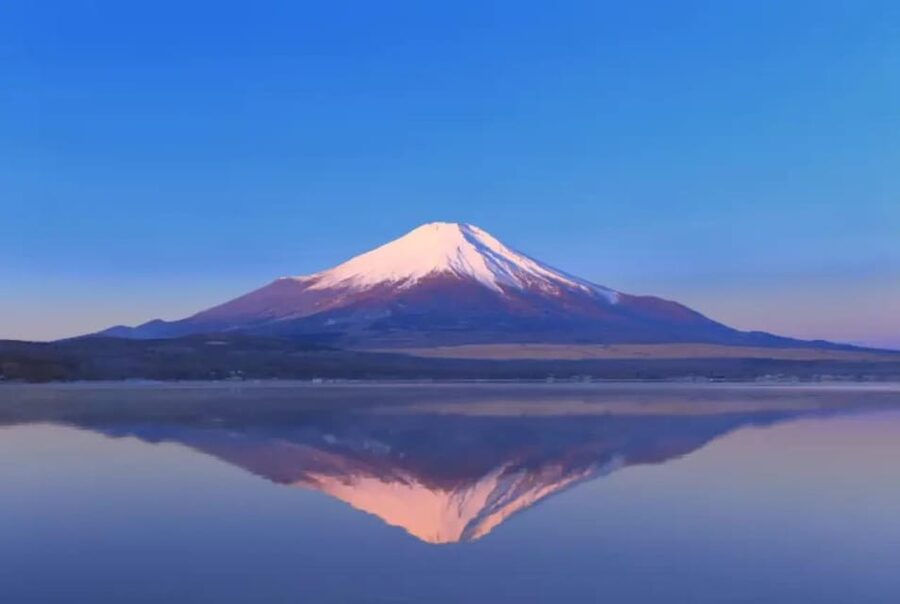
Mt. Fuji is the headline, but the best part of this day is what surrounds it: lava-formed caves, quiet lakes, and a forest with a serious story. You leave Tokyo in a private car and spend the day at places many bus tours skip.
In This Article
- Key points to know before booking
- Why this Mt. Fuji day feels different
- Oishi Park: a gentle start beside Lake Kawaguchi
- Saiko Nenba-hama: a quieter lunch setting
- Tatego-Hama Beach at Lake Motosuko
- Narusawa Ice Cave: cold, dark, and formed by fire
- Fugaku Wind Cave and its silkworm past
- Aokigahara Forest: go with respect
- The private vehicle is the real luxury
- What to pack and how to dress
- Who will get the most from this day?
- FAQ
- How long is the Mt. Fuji private tour?
- Where does hotel pickup apply?
- Are entrance fees included?
- Is food included?
- Is the tour suitable for people with claustrophobia?
- Are wheelchair users able to join?
- What happens if the tour runs over 10 hours?
- Should you book this Mt. Fuji tour?
I like the freedom of a private vehicle, especially when you want more time at a lakeside view or less time at a stop that does not suit you. I also like the mix of scenery and geology, from the cold, narrow Narusawa Ice Cave to the former silkworm storehouse at Fugaku Wind Cave.
The main catch is distance. Ten hours sounds generous, but Tokyo traffic can eat into the day, and entrance tickets are extra. The ice cave can also close for maintenance, and its famous ice formations are mainly visible from February through June, so check conditions before you go.
Key points to know before booking

- Private car for up to five people: The $577 group price becomes much better value when shared by four or five people.
- Six distinct stops: Oishi Park, Saiko Nenba-hama, Tatego-Hama Beach, two lava caves, and Aokigahara Forest give the day a varied rhythm.
- A flexible pace: Your English-speaking driver can offer advice and adjust the timing, though this is transport with guidance rather than a formal guided tour at every site.
- Caves require sturdy shoes: Narrow passages, uneven ground, and low sections can involve crouching or crawling.
- The Fuji view is never guaranteed: Clouds can hide the mountain, even when the lakes and forest are still worth seeing.
- Budget for extras: Food, drinks, admission fees, possible pickup surcharges, and overtime are not included.
Why this Mt. Fuji day feels different

Many Mt. Fuji day trips focus on a famous photo stop, a shopping area, and a quick lake visit. This one takes a more natural route. You get several viewpoints, but you also spend time below ground and inside Aokigahara, where the setting is quieter and more unusual.
I would describe the driver as a practical host rather than a full museum-style guide. The driver speaks English, can answer questions, suggest places to stop, and help shape the day. Recent drivers have included Saki, Amane, Soma, and Zeeshan, but your assigned driver may be different.
That distinction matters. If you want a long explanation at every cave or a formal talk about Japanese geology, you may need to ask questions or arrange a specialist guide. If you want a clean vehicle, hotel pickup, local advice, and the freedom to linger, this format works well.
The vehicle is air-conditioned and private, with no other party sharing your day. That gives you room to play your own music, stop for a bathroom break, and avoid the fixed pace of a large coach. Food and nonalcoholic drinks are allowed in the car, but alcohol is not, and an unusually dirty vehicle can bring a ¥7,000 cleaning charge.
A few more Fujikawaguchiko tours and experiences worth a look

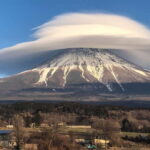
Oishi Park: a gentle start beside Lake Kawaguchi
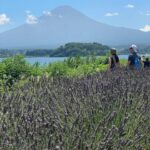
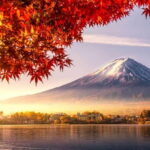
Oishi Park is the easiest introduction to the Fuji area. It sits beside Lake Kawaguchi, with views toward Mt. Fuji framed by seasonal flowers. The color and appearance change through the year, so this is a good stop for people who want a classic Fuji photograph without beginning the day with a hike.
You have about an hour here for pictures and a walk. Give yourself time to look away from the mountain, too. The lake, flowers, and open views explain why this area remains popular even when Fuji is covered by cloud.
The limitation is simple: Oishi Park is not secret. It can feel busier than the other stops, especially when the mountain is clear. Still, it earns its place because the view is easy to reach and works well as your first orientation to the region.
Bring your camera, but keep your expectations sensible. Mt. Fuji weather changes quickly. A cloudy morning can produce no mountain view at all, while the lake and flowers still make a pleasant stop.
Saiko Nenba-hama: a quieter lunch setting

Next comes Saiko Nenba-hama, a peaceful area beside Lake Saiko. The plan allows about an hour for a walk, photos, and lunch, making this a useful pause between the more active stops.
Food is not included, so bring snacks or buy lunch separately. You can also ask the driver for advice about where to eat. One useful detail from the day-to-day experience of this tour is that a meal stop may become one of the most enjoyable parts of the outing, particularly when you find a welcoming local place with good food and tea.
Lake Saiko gives you a different mood from Lake Kawaguchi. It feels less like a formal photo platform and more like a place to slow down. You might find the shoreline especially appealing if your Tokyo schedule has left you craving open space and quiet.
Do not expect a full restaurant tour here. The stop is flexible, and the exact lunch choice is not part of the booking. Carry cash, since it is specifically recommended for the day and may be useful for admission fees or small purchases.
Tatego-Hama Beach at Lake Motosuko

Tatego-Hama Beach is the most peaceful lakeside stop on the route. It sits by Lake Motosuko, known for clear water and strong views toward Mt. Fuji when conditions cooperate.
The name may suggest a swimming outing, but the planned activity is sightseeing, walking, and taking photographs. The appeal is the calm setting rather than a scheduled water activity. You get about an hour to enjoy the shore and take in the mountain view.
This is also where the weather can make a big difference. If clouds cover Fuji, you still have the lake and quiet shoreline, but the stop loses its main visual reward. I would keep your schedule flexible and avoid judging the entire day by one missed view.
Comfortable shoes are important here and throughout the tour. You are not signing up for a major trek, but this is not a purely curbside sightseeing day either.
Narusawa Ice Cave: cold, dark, and formed by fire

The Narusawa Ice Cave is one of the tour’s most distinctive stops. It was formed by eruptions from Mt. Fuji, and the route takes you into a narrow underground space where ice can remain even as the surface warms.
This is a geological experience, not just a photo stop. The cave helps you understand the force of Fuji’s volcanic activity in a direct way: the mountain’s eruptions shaped the ground, created lava tunnels, and left behind spaces with unusual conditions.
Expect a cool interior, uneven footing, and tight sections. The tour is not suitable for people with claustrophobia, and larger visitors may find one or two parts require crouching or crawling. Wear shoes with a good grip and bring a warm layer, even if Tokyo feels hot.
There is an important seasonal point here. The dramatic ice pillars are mainly visible from February through June. The cave can also close for a period of maintenance or other operational reasons. Since entrance fees are not included and closures can affect the schedule, confirm the day’s status before setting out. If it is closed, ask the driver how the time will be used and what alternative makes sense.
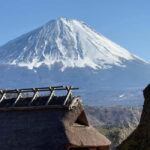
Fugaku Wind Cave and its silkworm past

The Fugaku Wind Cave offers another look at Fuji’s volcanic ground, but its story is different from the Ice Cave. The cave was once used to store silkworm eggs, taking advantage of its naturally cool and stable conditions.
That detail gives the stop a useful human connection. You are not only looking at a rock formation. You are seeing how local people made practical use of the environment created by volcanic activity.
The cave can be dark, cool, and uneven, so the same advice applies: sturdy shoes and warm clothing. Information signs may be mainly in Japanese, which means your driver’s explanations and your own questions can make the visit more rewarding.
The two caves are close enough in character to feel related, but they should not be treated as identical. The Ice Cave emphasizes cold and ice. The Wind Cave emphasizes airflow, geology, and its former use for silkworm eggs. If you enjoy natural science, this pairing gives the day real substance.
Some timing plans may include a pleasant walk through the forest between the cave areas. Ask your driver about the route on the day, especially if anyone in your group has trouble with uneven ground.
Aokigahara Forest: go with respect

Aokigahara is often called the Suicide Forest, a label that can turn a complex place into a dark curiosity. The better way to approach it is as a dense forest with a painful association, a distinctive ecosystem, and trails where you should behave quietly and respectfully.
The planned visit lasts about an hour and a half, making it the longest stop. You can walk through the trees, notice how different the forest feels from the open lake shores, and consider the volcanic ground beneath it.
Do not treat this as a haunted attraction. Avoid jokes, dramatic photographs, or wandering away from the marked route. Stay with your group and follow local signs and instructions. The point is not to chase a spooky story. It is to experience a calm natural setting while recognizing its serious history.
Aokigahara also provides a change of pace after the caves. The forest is quiet, shaded, and enclosed. Some people will find that peaceful. Others may find the density and silence uncomfortable. If that sounds like you, tell the driver before the stop so the visit can be handled thoughtfully.
This is another reason a private tour helps. You can discuss the stop privately, spend less time there if it feels wrong, or use the available time at another suitable location if the day needs adjusting.
The private vehicle is the real luxury

At $577 for a group of up to five, the price is not cheap for one person. For a full group, however, it works out to about $115 per person before admission fees and food. For four people, it is roughly $144 each, and for two people it becomes much harder to justify.
The value comes from transport and control. You receive hotel pickup and drop-off within Tokyo’s 23 wards, a modern air-conditioned vehicle, and an English-speaking driver for up to 10 hours. You are not paying for a large group’s fixed timetable or spending the day changing buses.
The private setup is especially useful for families, couples with different energy levels, and small groups that want to stop for photographs. It also lets you tell the driver what time you need to return and, where permitted, change the drop-off location at no extra cost.
There are boundaries. This is not a licensed specialist guide service based on the information provided. Drivers can give travel advice and answer questions, but the amount of explanation may differ from one driver to another. If detailed cultural interpretation is your top priority, ask about that before booking.
Tokyo traffic is the other practical issue. The advertised 10 hours applies to Tokyo-area pickup and drop-off. A day from the city can feel shorter at the sights because the Fuji region is far from central Tokyo and road conditions vary.
If you run over the allotted time, overtime costs ¥2,500 per 30 minutes, payable in cash to the driver. Keep an eye on the clock, especially if a cave closure or long lunch changes the plan.
What to pack and how to dress

Wear comfortable walking shoes with secure soles. The caves can have low, narrow, or uneven sections, and the lake stops call for walking rather than simply stepping out for a photograph.
Pack a warm layer even in mild weather. The underground caves are cool, and the forest can feel different from the city. Bring water, snacks, a camera, and cash. Food and drinks are not included, and admission tickets are purchased on site.
The tour runs in rain unless conditions become unsafe. That makes a weather-ready jacket useful, but it also means you should not assume Mt. Fuji will appear just because the forecast is dry. Clouds can hide the summit while leaving the rest of the day enjoyable.
Wheelchair users cannot take this tour, and people with claustrophobia should choose another outing. The caves are the clear reason, with the forest and shoreline adding further uneven walking.
Who will get the most from this day?
I would choose this tour for a small group that values privacy, geology, and quiet places more than famous shopping stops. It suits people who want several different settings in one day: flowers beside a lake, a forest walk, volcanic caves, and open Fuji viewpoints.
It is also a good match for first-time visitors who want a simple way to reach the Fuji area without learning the regional transport system. A driver such as Saki, Amane, Soma, or Zeeshan may also help with practical questions and timing, though your driver will be assigned separately.
I would be cautious if you need a guaranteed Fuji photograph, a fully narrated cultural tour, or a slow pace at every stop. I would also avoid booking without checking the Ice Cave’s status, especially if you are visiting outside the February to June period.
The cancellation policy allows a full refund when you cancel at least 24 hours ahead, and you can reserve now and pay later. That flexibility helps when the weather forecast is uncertain, but it does not remove the need to check cave access and pickup details.
FAQ
How long is the Mt. Fuji private tour?
The tour lasts 10 hours for pickup and drop-off within Tokyo’s 23 wards. Pickup or drop-off from other areas may change the timing.
Where does hotel pickup apply?
Pickup and drop-off apply to hotels and locations within Tokyo’s 23 wards. Other areas carry a surcharge of ¥5,000 to ¥20,000, depending on the location.
Are entrance fees included?
No. Attraction tickets are not included and must be purchased at each site.
Is food included?
No. Food and drinks are not included. You may bring food and nonalcoholic drinks into the vehicle, but alcohol is not allowed.
Is the tour suitable for people with claustrophobia?
No. The tour is not suitable for people with claustrophobia because it includes narrow cave spaces.
Are wheelchair users able to join?
No. The experience is not suitable for wheelchair users.
What happens if the tour runs over 10 hours?
Overtime costs ¥2,500 for each additional 30 minutes and is payable in cash to the driver.
Should you book this Mt. Fuji tour?
Book it if you have three to five people, want private transport, and prefer lesser-known natural sites to a standard Fuji sightseeing loop. The caves and Aokigahara give the day more character than a simple viewpoint tour, while the lakes provide plenty of chances for photographs.
Skip it if you are traveling alone, need guaranteed mountain views, or want a formal guide with detailed commentary at every stop. Before paying, confirm the Narusawa Ice Cave opening status, check the forecast, bring cash and warm clothing, and ask how much flexibility you will have if traffic or closures cut into the schedule. With those points clear, this is a strong, practical choice for seeing Mt. Fuji’s quieter side.
More Mt Fuji Day Trips in Fujikawaguchiko
More tours in Fujikawaguchiko we've reviewed
Mt Fuji Day Trips, compared.
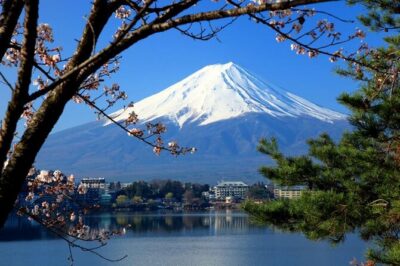 ★ 5.0Mt Fuji and Hakone 1-Day Bus Tour Return by Bullet TrainFrom $163
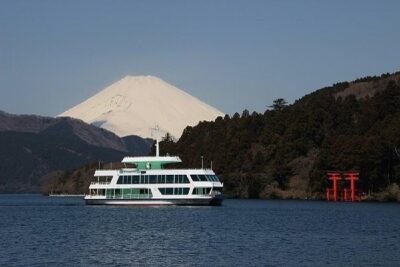 ★ 4.0Mt Fuji & Hakone Cruise, Drum Show Bullet Train 1 Day from TokyoFrom $149
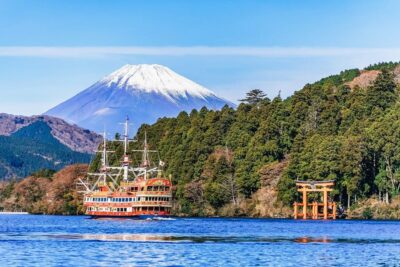 ★ 4.4Tokyo Mt Fuji 5th St & Hakone Cruise Bus Tour w/Bullet TrainFrom $15410 hours
 ★ 4.5From Tokyo: Mount Fuji Full-Day Sightseeing TripFrom $6810 hours
 ★ 4.7Tokyo: Mt. Fuji Tour, Hakone Ropeway, Owakudani, Lake AshiFrom $5410 hours
 ★ 4.4Tokyo:Mt.Fuji,Kawaguchiko Oishi Park,Arakurayama Sengen ParkFrom $5410 hours