Reviewed · ASAKUSA TOURS
Tokyo: Asakusa Sensoji Night Walk with a Local Brandy
The best part of this Asakusa night walk is the change of mood. Sensoji Temple and Nakamise Street feel far calmer after dark, while a drink of Denki Brandy connects you with an old Asakusa custom. I like the quiet temple setting and the chance to see photo spots that are easy to miss alone.
In This Article
- Key points to know before booking
- Why Asakusa after dark feels worth your evening
- Starting at the Asakusa Culture Tourist Information Center
- Denki Brandy and Asakusa’s retro drinking culture
- Night photography around Sensoji
- Nakamise Street and the approach to the temple
- Illuminated Sensoji without the daytime rush
- Hoppy Street and the final taste of local nightlife
- What the $48 price really covers
- Who should book this Asakusa walk
- Practical details that affect your decision
- Should you book the Asakusa Sensoji Night Walk?
- FAQ
- How much does the Asakusa night walk cost?
- What drink is included?
- Can I join if I do not drink alcohol?
- Can I enter Sensoji’s main hall during the walk?
- Where does the tour meet and finish?
- What language is the tour offered in?
I also like that the guide adds local stories instead of simply pointing at famous buildings. Guides Hiro and Inok have been praised for their cultural explanations and friendly way with families. The main drawback is timing: Sensoji’s main hall closes at 6 p.m., so you may only see the illuminated grounds rather than enter the hall.
Key points to know before booking
- Denki Brandy begins the evening: Taste the local blended whisky associated with Asakusa’s Meiji-era bar culture.
- Sensoji looks different at night: You get calmer temple grounds and striking views, but the main hall may be closed.
- Hiro or Inok may lead the walk: Guide quality matters here, since stories and local details are a major part of the experience.
- Nakamise Street is part of the cultural lesson: Your guide explains the district as you walk through its famous approach to Sensoji.
- Hoppy Street finishes the route: Expect a look at old-style local nightlife, not a full bar crawl.
- The price is $48 per person: That is reasonable if you value a guide, a drink, and easy evening sightseeing in one compact outing.
Why Asakusa after dark feels worth your evening
Asakusa is one of Tokyo’s best areas for a first look at old-style city culture. By day, the approach to Sensoji can feel packed and hurried. At night, the same gates, lanterns, temple buildings, and shopfronts take on a quieter character.
That contrast is the main reason to choose this tour instead of simply visiting Sensoji on your own. You are not just checking off Tokyo’s oldest temple. You are seeing how the district shifts from a sightseeing zone into a neighborhood with bars, local rituals, and evening life.
The route also gives you a useful mix. You get a drink in a historic bar, a guided walk through the temple district, several chances for night photography, and a final stop around Hoppy Street. The experience does not depend on a long list of attractions. Its appeal comes from connecting a few familiar places in a way that feels more local.
I would think of this as a cultural walk with one drink, not as a nightlife tour. You will not be spending the whole evening sampling bars. The value lies in the guide’s explanation, the after-dark atmosphere, and the ease of moving through Asakusa without planning your own route.
A few more Tokyo tours and experiences worth a look

Starting at the Asakusa Culture Tourist Information Center
Meet in front of the Asakusa Culture Tourist Information Center 10 minutes before departure. Look for a green Japan Wonder Travel signboard, and take the meeting time seriously. The group leaves on schedule and cannot wait for late arrivals.
This meeting point is practical because it is easy to identify in a busy part of Tokyo. Still, give yourself extra time to reach Asakusa, especially if you are coming from another neighborhood. Tokyo’s rail system is efficient, but changing lines and finding the right exit can take longer than expected.
The tour is offered in English, which makes the guide’s role especially important. The reviews point to two useful strengths in the guiding style. Hiro has been praised for fine cultural and historical knowledge of the area, while Inok has been noted for being friendly, flexible, and good at engaging children.
You are not guaranteed one particular guide, so book this for the format rather than for a named person. Still, those comments give you a good idea of what to value: clear background on Asakusa, an easy manner, and attention to what your group wants to see.
Denki Brandy and Asakusa’s retro drinking culture
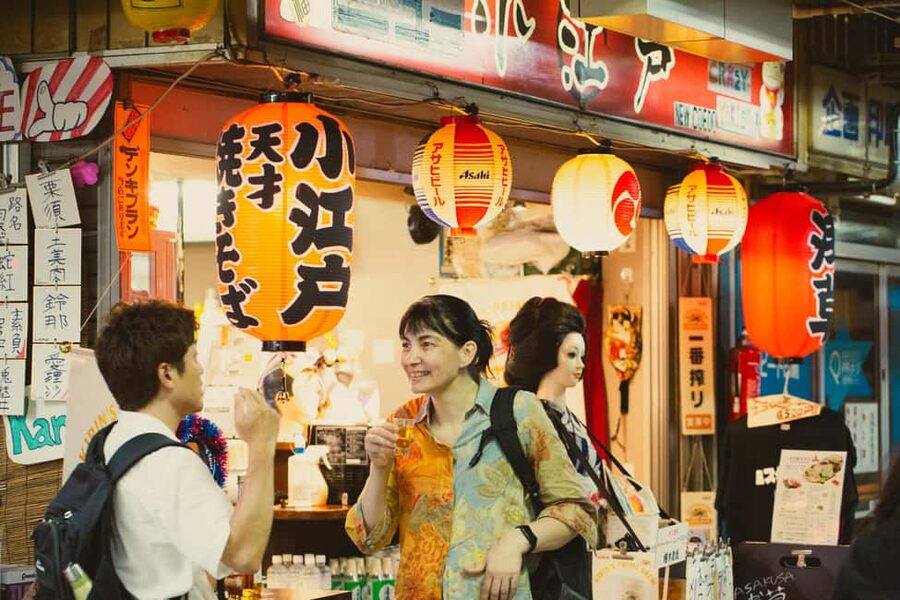
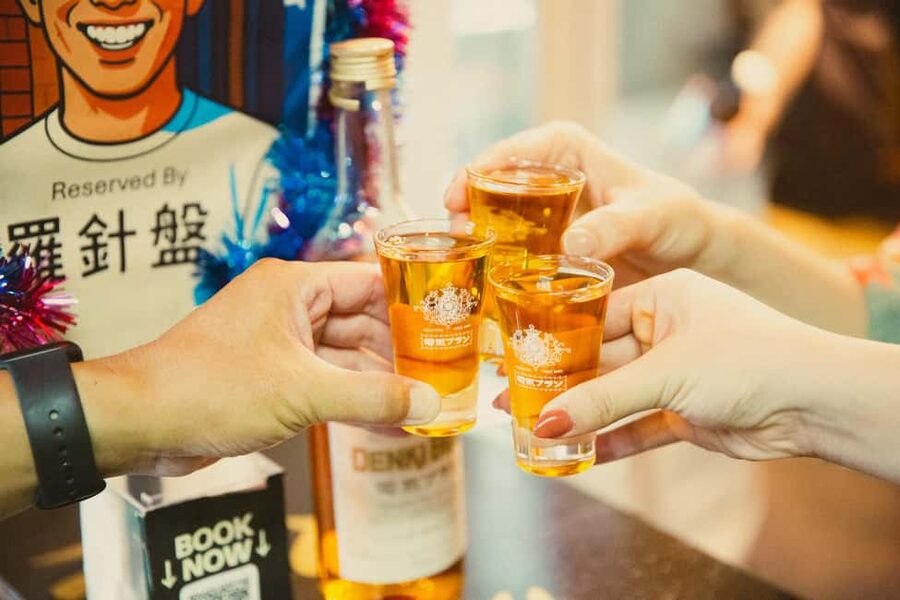
The first stop is a historic bar, where your included drink is served. The featured choice is Denki Brandy, described as a unique blended whisky born in Asakusa during the Meiji era.
The name and drink give the evening a distinct local angle. Many Tokyo tours begin with a standard beer or a generic tasting. This one uses a drink tied to the neighborhood, so the stop helps explain Asakusa’s older entertainment culture before you begin walking.
You receive one drink as part of the $48 price. Other personal expenses are not included, so any additional food or drinks at the end of the route are your responsibility. This keeps the cost clear, but you should not expect the tour price to cover a full evening meal.
If you do not drink alcohol, you are not left out. Non-alcoholic options are available. The exact drink may change on Wednesdays and on store holidays, so treat Denki Brandy as the planned theme rather than an absolute guarantee.
That small bit of flexibility matters. If you are booking mainly for the specific whisky, check the operating day before you commit. If you are more interested in the local setting and the guided walk, a substitute drink should not change the main value of the experience.
Night photography around Sensoji
After the drink, your guide takes you to scenic photo spots around Asakusa. The exact locations are not listed, and that is part of the point. A local guide can direct you toward views that you might pass without noticing while trying to follow a map.
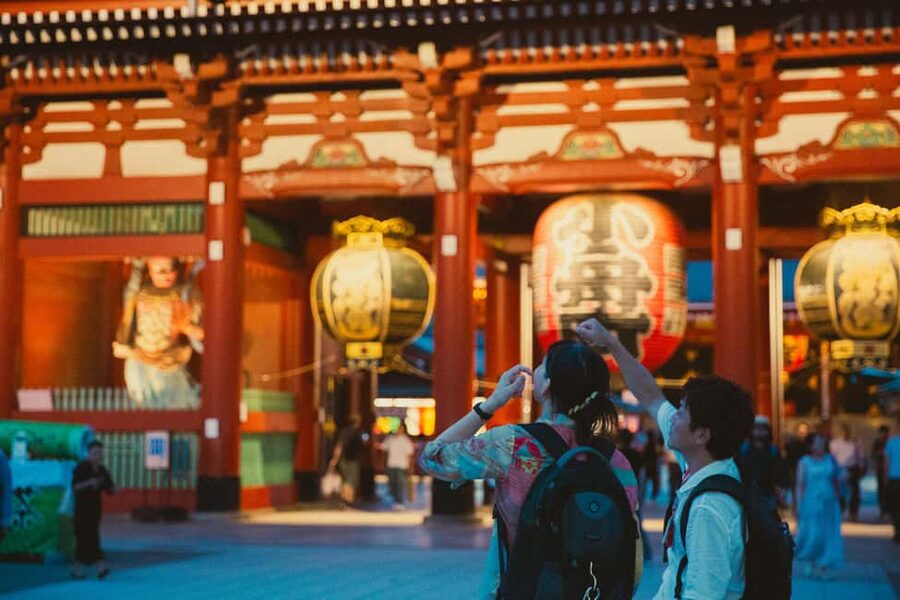
Night photography here is likely to appeal most to people who enjoy details: illuminated temple buildings, gates, lanterns, and the contrast between dark streets and bright historic structures. You do not need to be a serious photographer to benefit. A phone camera is enough to make the stop worthwhile, as long as you are ready for lower-light images.
The guide can also help you understand what you are photographing. That is more useful than simply finding a pretty angle. A temple roof, gate, or street may look impressive, but the story behind it gives the picture a stronger sense of place.
Keep your expectations realistic. This is a walking tour, not a dedicated photography workshop. You are not promised camera instruction, tripods, or a set number of photo stops. The benefit is access to local suggestions and a calmer setting after the daytime crowds have thinned.
Nakamise Street and the approach to the temple
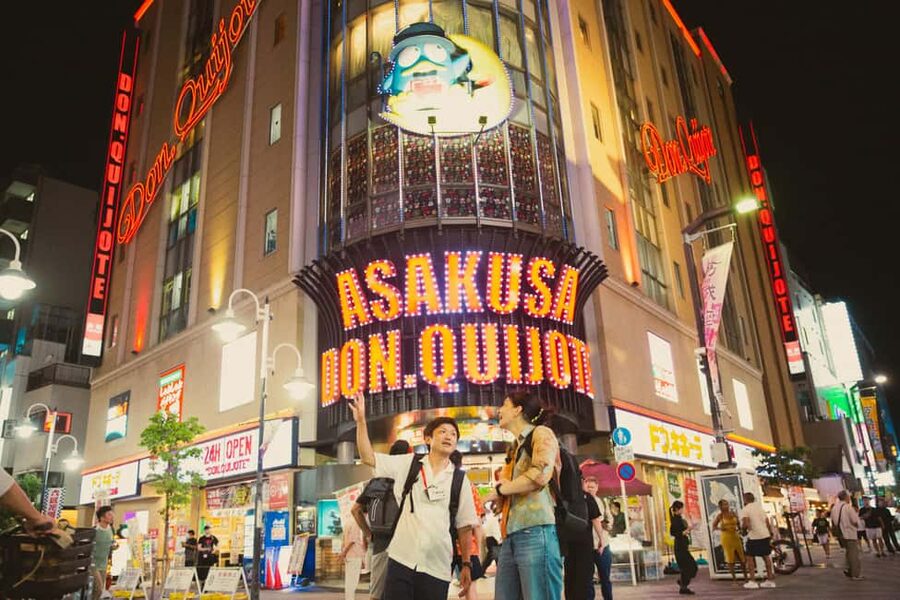
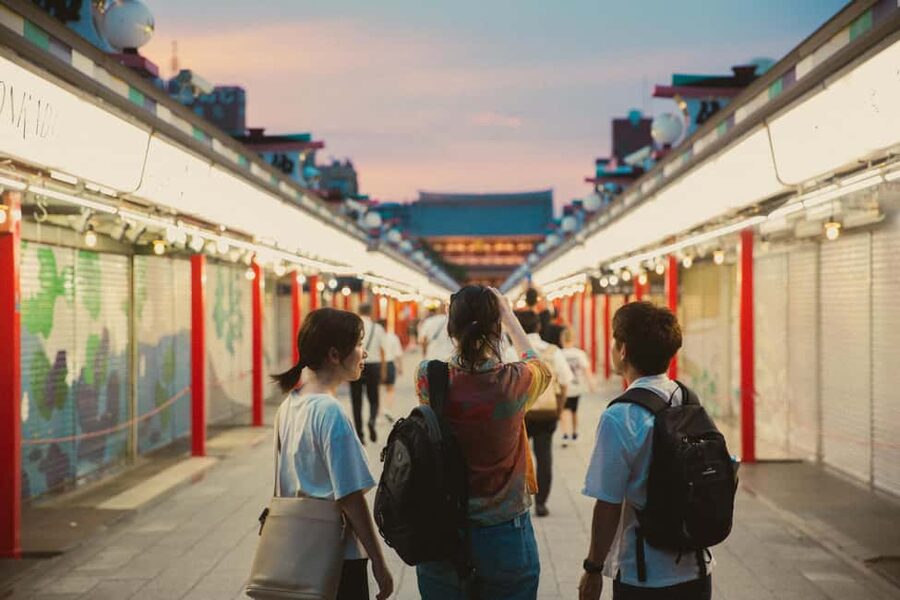
Nakamise Street leads toward Sensoji and is one of Asakusa’s best-known pedestrian areas. During the walk, your guide shares stories about the street and the district’s cultural background.
This section gives the tour its strongest sense of place. Nakamise is not just a route to the temple. It helps show how commerce, worship, visitors, and neighborhood life have long met around Sensoji.
At night, many shops may be closed or winding down, so do not book this expecting a shopping session. The quieter streets are the attraction. You can pay attention to the architecture and the guide’s explanations without trying to move through a packed line of people.
That calm pace also makes this a good choice for families. Inok has been praised for interacting well with children and adjusting to what they wanted to see. The walk may work particularly well for parents who want an evening activity with cultural content but do not want a formal museum visit.
A few more Tokyo tours and experiences worth a look




Illuminated Sensoji without the daytime rush
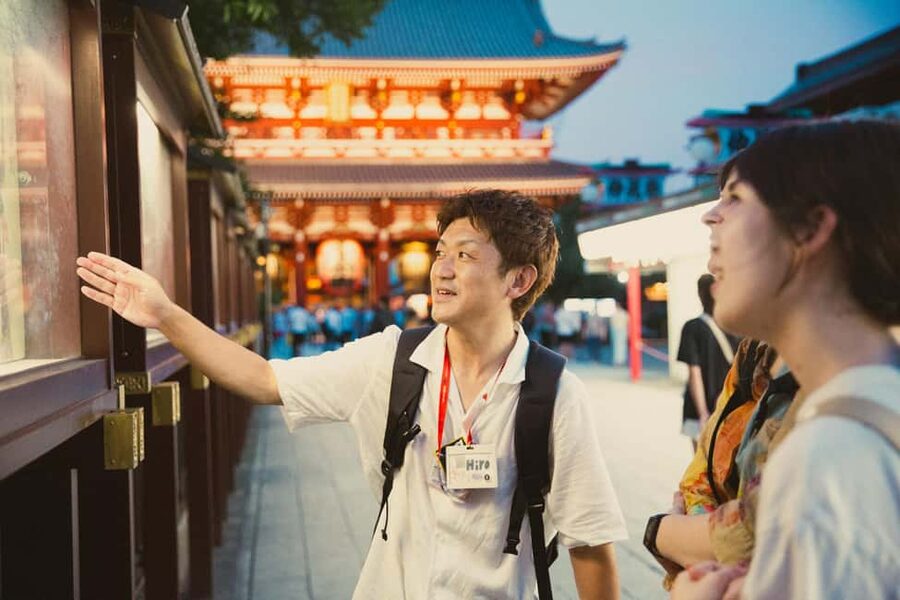
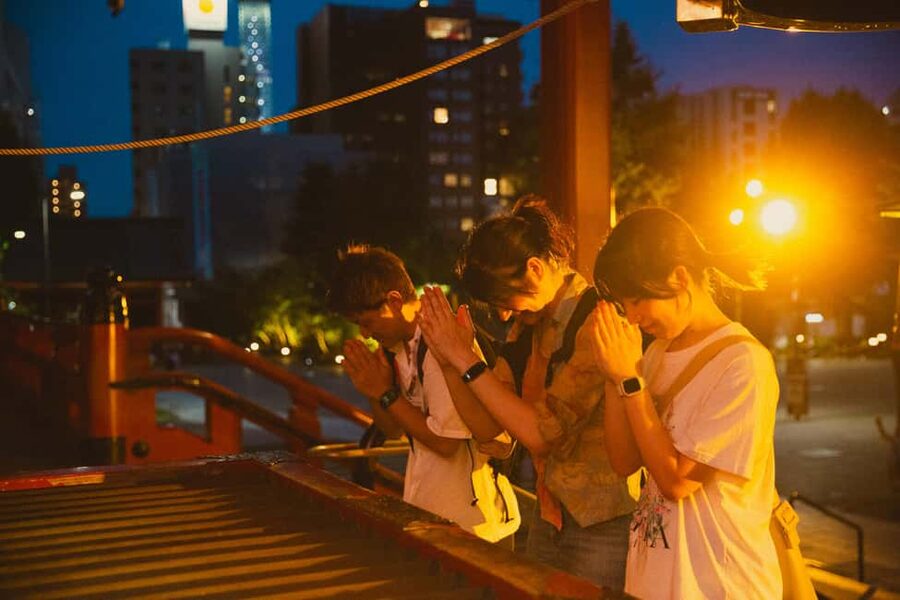
Sensoji is the centerpiece of the route. The temple is beautifully lit in the evening, and the quieter grounds allow you to appreciate the gates, buildings, and open spaces without the daytime pressure.
There is an important limitation. The main hall closes at 6 p.m., so this tour may not let you go inside. You should book it for the exterior views, atmosphere, and explanation of the temple’s importance, not for a complete interior visit.
That is not necessarily a flaw. Sensoji after dark offers something different from a daytime visit. The lighting draws attention to shapes and details that can be lost in a crowd, and the grounds can feel more reflective once the day’s main activity has faded.
If entering the main hall is essential to you, visit Sensoji earlier and use this walk as a second look. If you have already seen the temple by day, the evening tour makes more sense as a way to experience its surroundings in a new mood.
The guide’s context is valuable here. Sensoji is famous enough that many people snap a picture and move on. A good explanation helps you understand why this place matters to Asakusa and how the temple fits into the neighborhood around it.
Hoppy Street and the final taste of local nightlife
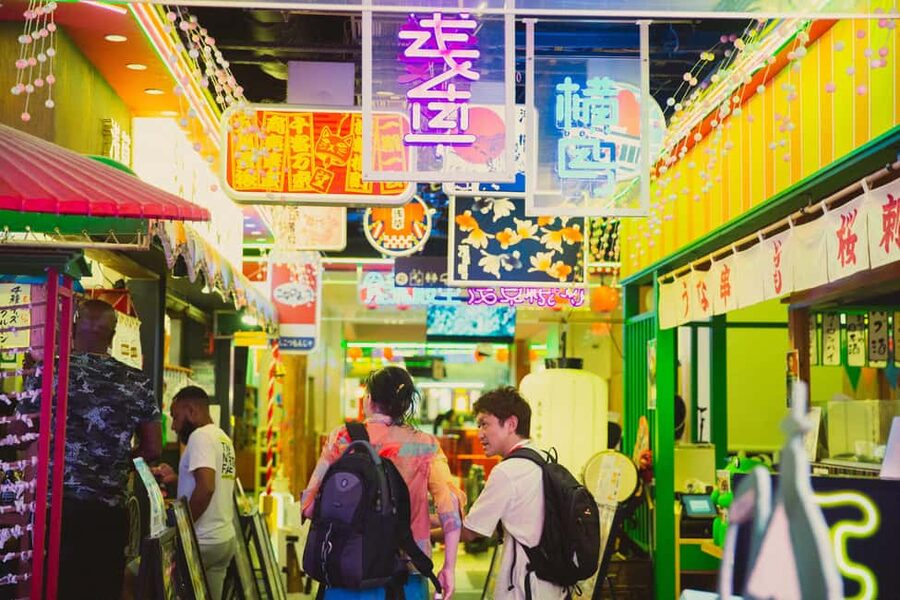
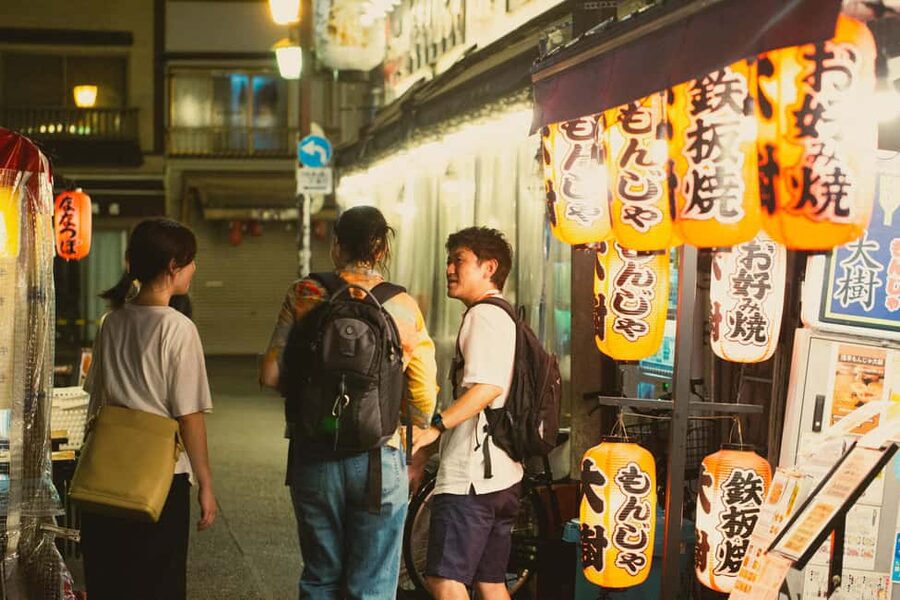
The route ends around Hoppy Street, a well-known area for old-fashioned local drinking culture. This is where the evening shifts from temples and historic approaches to casual nightlife.
Hoppy Street adds a useful final note because it shows another side of Asakusa. The district is not only a place for major religious sites and souvenir shops. It also has long-running bar streets and a relaxed evening identity.
The tour ends back at the original meeting point, so you can decide what to do next. You might continue looking for dinner, return to your hotel, or stay in Asakusa for another drink. Any further spending is extra.
Do not read Hoppy Street as a promise of a pub crawl. One drink is included earlier, but the tour description does not include additional drinks or food here. The stop is best understood as a guided look at the street and its atmosphere.
What the $48 price really covers
At $48 per person, the price is fair if you want a guided evening rather than a self-planned stroll. You receive one drink, an English-speaking local guide, access to suggested photo spots, and a route linking several important parts of Asakusa.
The drink alone is not enough to justify the cost. You are paying for the combination of a local guide and a well-timed route. That matters in Asakusa because the area is easy to visit but harder to interpret. You can find Sensoji on a map, yet you may not know which stories matter or where to pause for a good night view.
The value is stronger for first-time visitors, families, and anyone who has limited time in Tokyo. You do not need to research a bar, plan a temple route, or guess where to go for evening photographs.
The price may feel less attractive if you already know Asakusa well, do not want a guide, or only care about entering the temple hall. Independent visitors can walk through the area for little cost, but they will need to supply their own context and choose their own stops.
The 4.7 rating from seven reviews suggests a strong early response, though the sample is small. The feedback is not uniformly glowing, with one three-star assessment describing the experience as average. I would take that as a reminder that your enjoyment will depend on how much you value local storytelling and the night setting.
Who should book this Asakusa walk
I would recommend it to you if you want an easy first evening in Tokyo with a clear meeting point and a guide who can explain what you are seeing. It is also a good fit if you like taking photographs, enjoy historic neighborhoods, or want a drink connected to the area rather than a standard tourist cocktail.
Families may find the pace and guide interaction useful, especially if you are traveling with children who need a little flexibility. Non-drinkers can join because non-alcoholic options are available.
The tour is less suitable if you need wheelchair access. It is also marked as unsuitable for people with altitude sickness, although this is a street-level Asakusa walk and the supplied information gives no further explanation. If either issue affects you, ask the provider before booking.
I would also be cautious about booking this as your only Sensoji visit. Since the main hall may be closed, plan a separate daytime stop if going inside is important. This evening route works best as an addition to your Tokyo plans, not a replacement for every daytime sight.
Practical details that affect your decision
Book with the meeting time in mind. Arrive at least 10 minutes early at the Asakusa Culture Tourist Information Center and look for the green signboard. A late arrival can mean missing the group because the guide leaves on time.
The tour is conducted in English. One drink is included, but additional purchases are not. Wednesdays and store holidays may bring a different drink, and the featured Denki Brandy may therefore not always be served.
You can reserve now and pay later, which is useful if your Tokyo schedule is still shifting. Cancellation is allowed up to 24 hours before departure for a full refund.
Because the end point is the same as the start, you do not need to arrange a separate transfer from the final stop. That makes the evening simple, though you should still plan how you will continue from Asakusa afterward.
Should you book the Asakusa Sensoji Night Walk?
Book this tour if you want local stories, night views, and a neighborhood drink in one manageable evening. The strongest parts are the calmer Sensoji setting, the unusual Denki Brandy stop, and the personal touch a good guide can bring. Hiro and Inok have each been noted for qualities that matter here: cultural insight, friendliness, flexibility, and connection with children.
Skip it if your priority is temple interiors, independent exploration, or a full food and bar tour. For $48, the tour earns its price through interpretation and convenience, not through the amount of alcohol or the number of attractions.
For most first-time visitors, I would choose it after a daytime visit to Sensoji. You will understand the temple better, take advantage of the quieter evening atmosphere, and finish with a look at Hoppy Street that a standard daytime sightseeing plan would miss.
FAQ
How much does the Asakusa night walk cost?
The experience costs $48 per person.
What drink is included?
One drink is included, with Denki Brandy planned as the featured local blended whisky. A different drink may be offered on Wednesdays and on store holidays.
Can I join if I do not drink alcohol?
Yes. Non-alcoholic options are available.
Can I enter Sensoji’s main hall during the walk?
You may not be able to enter because the main hall closes at 6 p.m. The tour still visits the illuminated temple grounds.
Where does the tour meet and finish?
Meet in front of the Asakusa Culture Tourist Information Center 10 minutes before departure. The activity finishes back at the same meeting point.
What language is the tour offered in?
The tour is offered in English with a professional local guide. Guides associated with the experience include Hiro and Inok, though a specific guide is not guaranteed.
More Walking Tours in Tokyo

More Night Tours in Tokyo
More Asakusa Tours in Tokyo
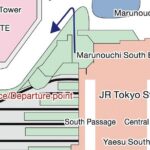
More tours in Tokyo we've reviewed












Asakusa Tours, compared.
 ★ 4.8Tokyo: Japanese Dance Cabaret Theater Asakusa-Kaguwa TicketFrom $492 hours
 ★ 4.7Tokyo: Meiji Shrine, Asakusa, Skytree Bus Tour and CruiseFrom $12210 hours
 ★ 4.9Tokyo: Roll and Authentic Sushi Making Class in AsakusaFrom $581h 40m
 ★ 4.8Tokyo: Asakusa Walking Tour with Sensoji Temple VisitFrom $222 hours
 ★ 5.0Tokyo Asakusa Rickshaw TourFrom $42
 ★ 4.5Tokyo Panoramic 1 Day: Meiji Shrine, Asakusa, Odaiba and SKYTREE®From $85