Reviewed · TOKYO FOOD TOURS
Tokyo Food Tour: The Past, Present and Future 11+ Tastings
Tokyo’s food story comes into focus on this 11-plus tasting tour through Nihonbashi, Tokyo Station, Yurakucho, Ginza, and Akihabara. You move from old pantry staples such as kelp and katsuobushi to salaryman comfort food, then finish with modern snack marketing aimed at Japan’s younger crowd.
In This Article
- Key points to know before you book
- Tokyo food explained through three different eras
- Nihonbashi: where Tokyo’s food pantry begins
- Tokyo’s railway districts and the food of office workers
- Yurakucho and Ginza: eat like a salaryman
- Akihabara: traditional snacks meet new marketing
- What the 11-plus tastings really offer
- Guides, group size, and the pace of the day
- Is $164 a fair price?
- Who should book this Tokyo food tour?
- Should you book it?
- FAQ
- Where does the Tokyo food tour start?
- Where does the tour finish?
- How long does the tour take?
- How much walking is involved?
- How many food tastings are included?
- Is a drink included?
- Are subway tickets included?
- Is the tour available as a private experience?
- What languages are available?
- Is the tour suitable for vegetarians, vegans, or wheelchair users?
I like the clear past-present-future structure, and I like that the tour uses real shops and everyday eating places rather than treating Tokyo cuisine as a parade of famous restaurant dishes. Guides Paiva and Miko have both been singled out for making the food and culture easy to understand. The main drawback is the pace: six and a half kilometers, subway stairs, and several hours of eating require comfortable shoes and a reasonable level of fitness.
Key points to know before you book
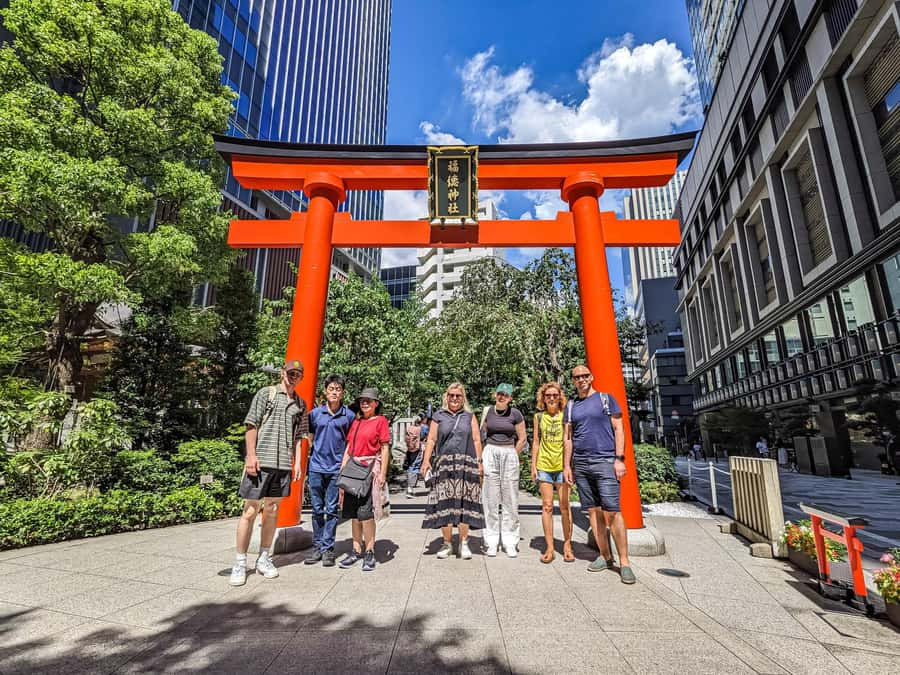
- Nihonbashi sets the historical stage: Taste dashi ingredients, kombu tsukudani, amazake, imo kenpi, and daifuku mochi in one of Tokyo’s old commercial districts.
- The middle of the tour feels very local: Eat at an izakaya and noodle stall under the railway tracks in Yurakucho, with a Japanese sour and contemporary comfort food.
- Tokyo Station explains gift-giving through food: Try a fruit sandwich and learn why packaged food matters in a country built around trains, work, and careful presentation.
- Akihabara provides the modern twist: See how traditional snacks are repackaged and marketed through electronics, anime, and youth culture.
- The group stays small: Join a private tour or a group capped at eight people, useful when you want to ask questions while walking and eating.
- Plan for physical walking: The route covers about 6.5 kilometers, includes two subway rides, and requires many stairs at stations.
Tokyo food explained through three different eras
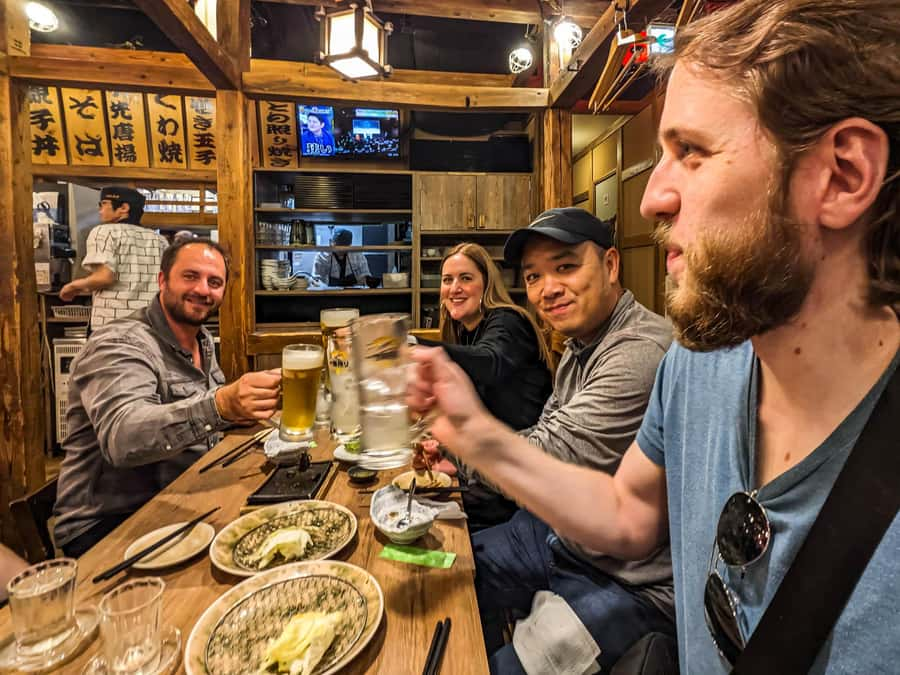
Many food tours in Tokyo focus on one neighborhood or one meal. This one uses the city itself as the organizing idea. You begin in Nihonbashi, move through the railway and office districts around Ginza and Tokyo Station, and end in Akihabara, where traditional foods meet modern marketing.
That structure helps you understand why Japanese food looks the way it does. You are not simply trying snacks. You are seeing how ingredients, work culture, transportation, gift-giving, and technology have shaped what people eat.
The tour takes about 5.5 to 6.5 hours, depending on the selected start time and the pace of the group. You receive more than 11 tastings and one alcoholic drink. Portions are spread across the day, so this is best viewed as a long grazing lunch rather than one formal meal.
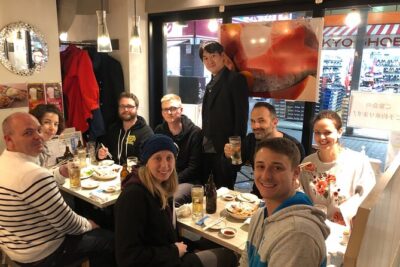
The group option has a maximum of eight people. That is small enough for a guide to explain what you are eating and keep the route moving. A private version is available if you want a slower pace, more attention, or greater flexibility with family and friends.
A few more Tokyo tours and experiences worth a look
Nihonbashi: where Tokyo’s food pantry begins
The tour starts at Nihonbashi Subway Station, Exit B12. This meeting point is inside a shopping mall on the basement level. After coming out of Exit B12, stay indoors and look for the bench on the right. If you arrive by taxi, ask for Coredo Nihonbashi at 1 Chome-4-1 Nihonbashi, then use the elevator near the entrance to reach the meeting point.
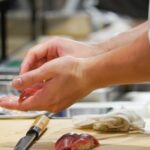
Nihonbashi is a fitting place to begin because the first part of the tour deals with the ingredients that give Japanese cooking its basic flavor. You learn about dashi, the savory stock used in many Japanese dishes, along with katsuobushi and kelp.
Katsuobushi is dried, fermented, and shaved bonito. Kelp, or kombu, adds another important layer of flavor. Together, these ingredients show why Japanese cooking can taste full and satisfying without relying on heavy sauces.
The tastings here include kombu tsukudani, a simmered kelp preparation, plus amazake, a lightly sweet fermented rice drink. You also try imo kenpi, crisp sweet potato strips, and daifuku mochi filled with a sweet center.
These foods are useful introductions because they cover several parts of Japanese eating culture. You get savory, sweet, soft, chewy, crisp, and fermented flavors in a short stretch. The stops are selected from shops with long histories, including some that have operated for more than a century.
The Nihonbashi segment lasts about 105 minutes. That gives the guide time to explain the products instead of rushing you from one bite to the next. I especially like this beginning because it gives context to foods you may otherwise pass over in a department store or market.
Do not expect Nihonbashi to feel like a single outdoor food market. This is a guided route through established shops and local snack stops. The value comes from understanding why these products matter, not from eating one oversized dish.
Tokyo’s railway districts and the food of office workers
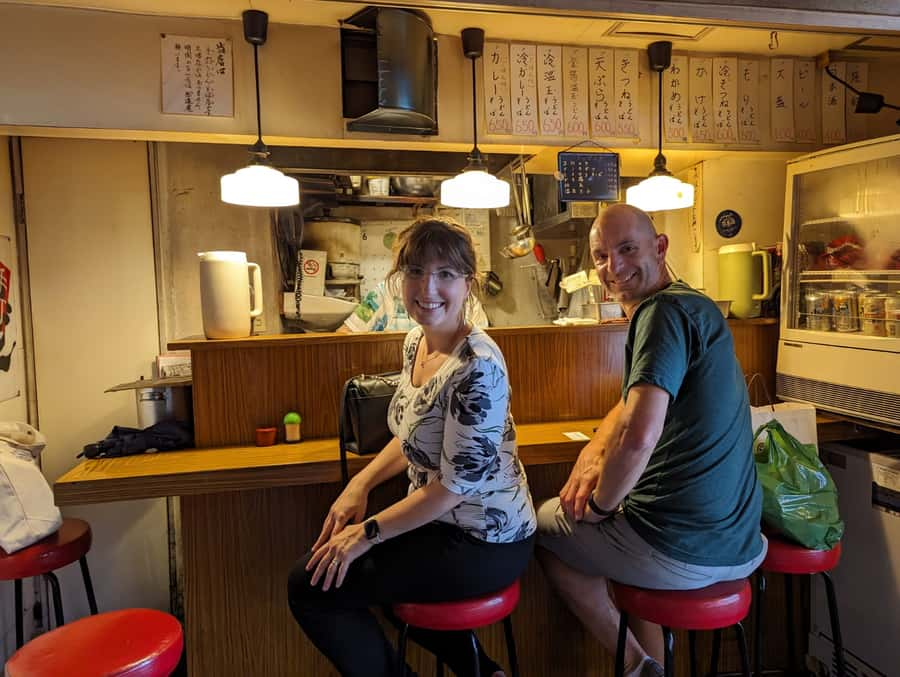
After Nihonbashi, you take a short subway ride of about 15 minutes to the Tokyo Station area. You pay for both subway rides yourself, so keep a little transit money or a suitable train ticket ready.
Tokyo Station adds another subject: Japanese gift-giving. Food is often bought as a present for family, colleagues, or hosts, and packaging matters almost as much as the contents. The tour uses this custom to explain how food travels through Japan and how visitors choose edible gifts.
Here you taste a fruits sando, a Japanese milk bread sandwich filled with fresh fruit and whipped cream. It is simple, photogenic, and very different from the savory snacks in Nihonbashi.
The fruit sandwich also fits the setting. Tokyo Station is a major transport hub, and food sold around major stations often needs to be portable, attractive, and easy to give away. The connection between packaged food, train travel, and Japan’s bullet train culture gives this stop more meaning than a quick dessert break.
The Tokyo Station portion includes about an hour of guided sightseeing and food tasting. You then walk for about 15 minutes toward Yurakucho. This is one of the route’s most useful transitions because the architecture and mood shift from formal station retail to the working districts beneath the railway tracks.
Yurakucho and Ginza: eat like a salaryman
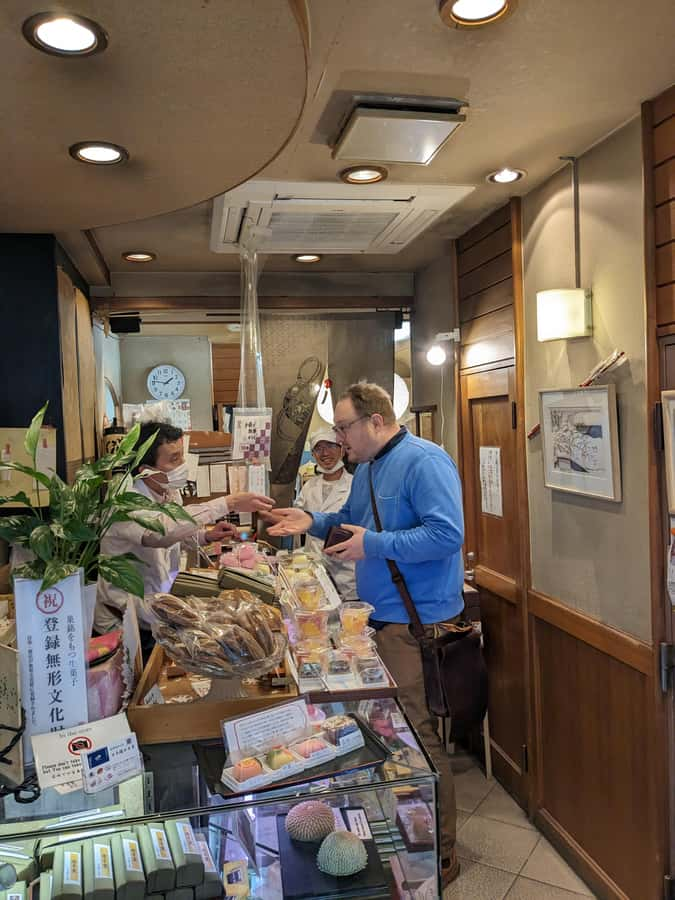
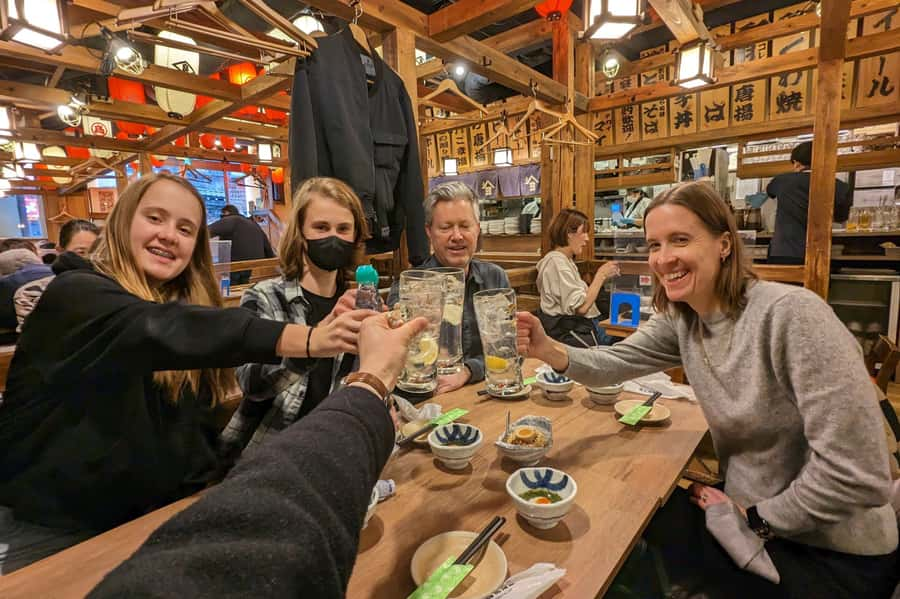
In Yurakucho, you eat in the kind of places associated with Japan’s salarymen, the office workers who gather after work for a quick meal or drink. The stops include an izakaya and a noodle stall tucked beneath the railway tracks.
This section brings you closer to everyday city eating. An izakaya is part restaurant, part bar, and part social meeting place. It is designed for sharing dishes, having a drink, and taking a break from the workday.
The food includes common chicken dishes, a Japanese sour, and curry udon. The sour is an alcoholic drink that gives you a taste of a familiar Japanese bar order. Curry udon shows how postwar industrial life helped shape modern comfort food: noodles, broth, and curry in a filling bowl that suits a quick lunch or after-work meal.
The setting matters here. Eating under the railway tracks is not a polished fine-dining experience, and that is precisely the point. You see a practical side of Tokyo where trains, offices, food counters, and small drinking places share the same tight urban space.
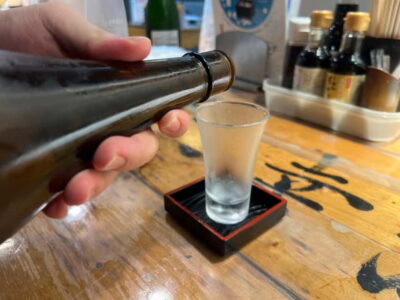
Lunch and street food are part of this one-hour stop. The tour includes one alcoholic drink, so you do not need to budget for a separate drink unless you want something extra. If you do not drink alcohol, check the arrangements before booking, since the included item is specifically listed as alcoholic.
This part may be the most satisfying for people who want ordinary Tokyo food rather than a tasting menu. It also has the greatest chance of feeling crowded or fast-moving, since the locations are working eateries rather than quiet tour venues.
Akihabara: traditional snacks meet new marketing
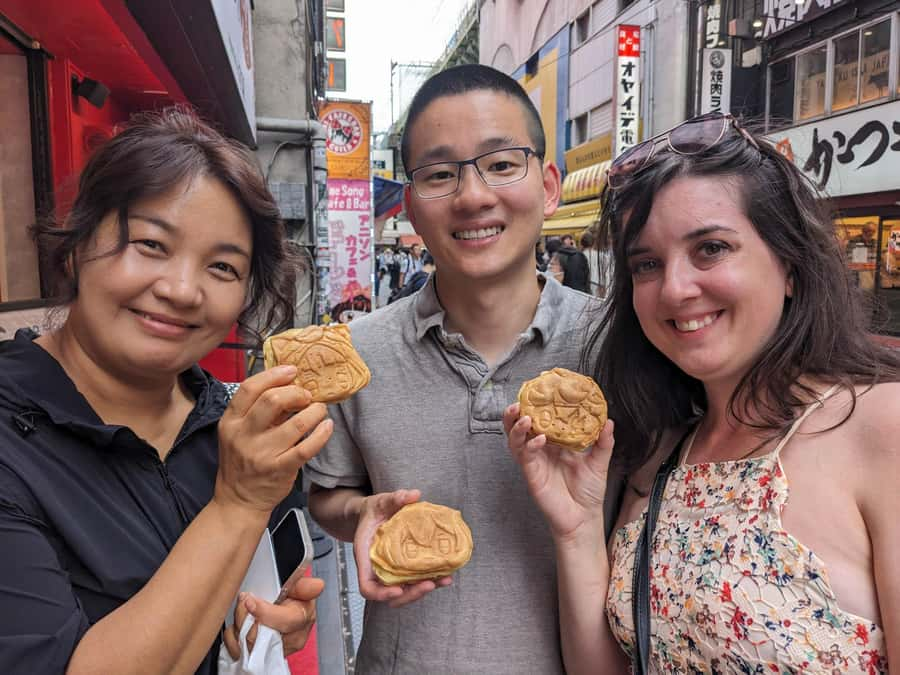
From Yurakucho, you take another short subway ride, listed as about 10 minutes, to Akihabara. The final neighborhood changes the subject from food traditions to the way food is presented to younger consumers.
Akihabara is known for electronics and anime culture, and the tour uses that setting to discuss technology, new ideas, and subcultures. You taste traditional Japanese snacks that have been given fresh marketing treatment.
This does not mean the tour turns into a technology demonstration. The focus remains food, but the guide explains how familiar snacks can be made attractive to new audiences through packaging, presentation, and modern branding.
That final chapter makes the route more interesting than a simple old-food tour. Japanese cuisine is not frozen in the past. Traditional flavors continue to appear in new forms, and Akihabara provides a useful place to discuss that change.
The Akihabara segment lasts about an hour and includes dessert and local snacks. The activity finishes at Akihabara Station. Since the route includes two subway rides and a good deal of walking, you may be ready for a slower evening by the time you reach the end.
A few more Tokyo tours and experiences worth a look


What the 11-plus tastings really offer
The number of tastings sounds generous, but the bigger strength is the range. You move through:
- Dashi ingredients and traditional pantry foods
- Fermented rice drink and old-style sweets
- Izakaya chicken and a Japanese sour
- Curry udon and railway-side street food
- Fruit sandwiches linked to gift-giving
- Modern snack products shaped by new marketing
This spread gives you a better feel for Tokyo than eating several versions of the same dish. You will taste foods that are familiar to local shoppers and office workers, not only dishes designed for international visitors.
You should also expect small portions rather than full servings at every stop. The goal is variety and explanation. If you arrive very hungry, have a light breakfast first, since the tour takes time to build into a substantial midday meal.
The tour is not suitable for vegans or vegetarians according to the provided information. It is also not suitable for wheelchair users or people with mobility impairments. You will walk about four miles and use subway stations with many stairs.
Guides, group size, and the pace of the day
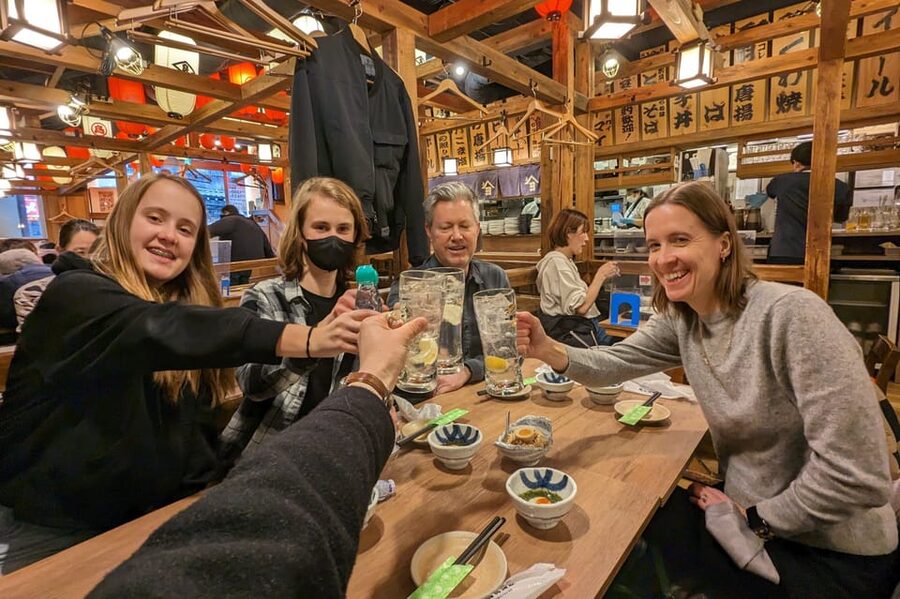
The experience is offered in English, Japanese, and Portuguese. Paiva and Miko are named guides associated with the tour, and both are praised for explaining Japanese culture alongside the food. That combination matters because many of the tastings are unfamiliar. A short explanation can turn a sweet or fermented item from a curiosity into something you understand.
The small group limit of eight is a practical advantage. You can hear the guide more easily than in a large coach group, and it is easier to move through compact shops and station areas. A private booking makes more sense if someone in your party needs a slower pace, though the tour still involves the same general route and walking demands.
The group needs to maintain a reasonable walking pace. You should be comfortable walking between districts, going up and down subway stairs, and remaining on your feet for much of the day. Comfortable shoes, light clothing, a towel, and a reusable water bottle are sensible choices.
The tour runs rain or shine. Bring weather protection when needed, but remember that some of the route uses indoor shopping areas, stations, restaurants, and covered railway spaces.
Is $164 a fair price?
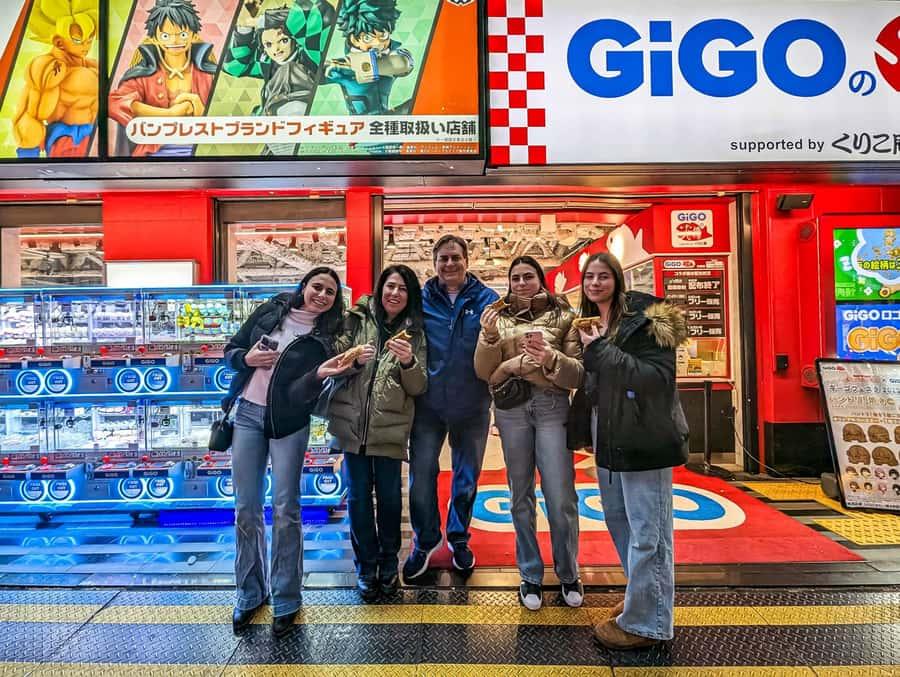
At $164 per person, this is not a cheap way to grab lunch in Tokyo. You could spend much less by buying individual snacks and noodles on your own.
The price is easier to justify if you place a value on the guide, the route design, and the cultural explanation. You receive more than 11 tastings, one alcoholic drink, two neighborhood-to-neighborhood transit connections, and a half-day of structured guidance. You also get access to historic shops and everyday food settings that can be difficult to connect on your own.
The real question is how much planning you want to do. If you enjoy researching food shops, understanding Japanese labels, navigating station passages, and building your own route, you may prefer to explore independently. If you want one organized day that ties four different parts of Tokyo together, the price is more reasonable.
A private tour is likely best for families or friends who want to set their own rhythm. The small-group option gives better value if you are happy to keep pace with others.
You can cancel up to five days in advance for a full refund. A minimum of two bookings is required for the tour to run, so a booking may be canceled and refunded if you are the only person signed up.
Who should book this Tokyo food tour?
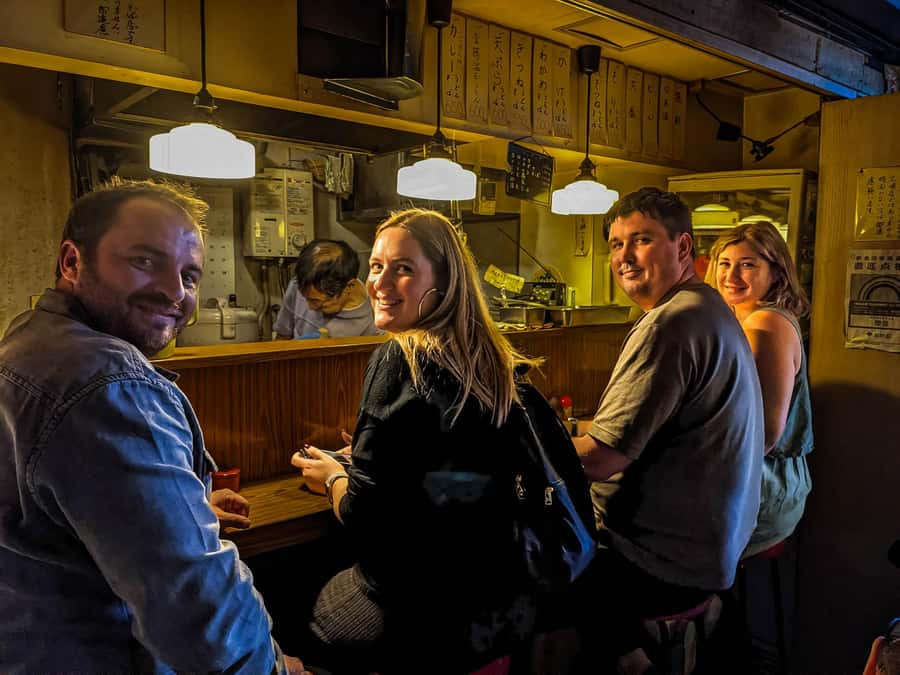
I would recommend it to first-time visitors who want food and context in the same outing. It is also a strong choice for repeat visitors who have seen the major sights but want a guided look at ordinary snacks, office-worker dining, station food, and modern Japanese branding.
Food-focused visitors will appreciate the range, especially if they want more than sushi and ramen. The tour also suits curious eaters who want a guide to explain ingredients such as kombu and katsuobushi before asking them to try the finished foods.
You should think twice if you dislike fermented flavors, sweet fillings, alcohol, or mixed food textures. The route is also a poor fit if you have limited mobility, cannot manage stairs, or prefer a slow, sit-down meal.
Should you book it?
Book this tour if you want Tokyo food explained as part of the city’s social and economic story. The strongest features are the clear three-part structure, the unusual range of tastings, and guides such as Paiva and Miko who connect each bite to Japanese culture.
Skip it if you want a low-cost meal, a wheelchair-friendly route, or a relaxed schedule with little walking. For everyone else, the $164 price buys a well-organized half-day that moves from old Nihonbashi shops to railway-side comfort food and Akihabara’s modern snack culture. That is a useful, enjoyable way to understand how Tokyo eats.
FAQ
Where does the Tokyo food tour start?
The tour starts at Nihonbashi Subway Station, Exit B12. Stay on the basement level inside the shopping mall and look for the bench on the right.
Where does the tour finish?
The activity finishes at Akihabara Station.
How long does the tour take?
The tour lasts about 5.5 to 6.5 hours. Check the available start times when booking.
How much walking is involved?
You should expect to walk about 6.5 kilometers, or four miles, at a reasonable pace. The route also includes many stairs at subway stations.
How many food tastings are included?
The tour includes more than 11 food tastings, covering traditional snacks, izakaya dishes, noodles, dessert, and modern snack products.
Is a drink included?
One alcoholic drink is included. The listed drink is a Japanese sour.
Are subway tickets included?
No. You need to pay for two short subway rides during the tour.
Is the tour available as a private experience?
Yes. You can book a private tour for your party or join a small group with a maximum of eight people.
What languages are available?
Live guides are available in English, Japanese, and Portuguese.
Is the tour suitable for vegetarians, vegans, or wheelchair users?
The tour is not suitable for vegans, vegetarians, wheelchair users, or people with mobility impairments.
More Food Experiences in Tokyo
More Tokyo Food Tours in Tokyo
More tours in Tokyo we've reviewed




Tokyo Food Tours, compared.
 ★ 5.0Tokyo: Shinjuku Food Tour (13 Dishes at 4 Local Eateries)From $86
 ★ 4.9Tokyo: Shinjuku Food Tour (13 Dishes and 4 Eateries)From $97
 ★ 5.0Tokyo Night Foodie Tour in Shinjuku – Seasonal Sushi, Wagyu BeefFrom $111
 ★ 5.0Eat and Drink Like a Local: Tokyo Ueno Food Tour-Taverns&RamenFrom $95
 ★ 5.0Tokyo: Shibuya Food Tour (13 dishes and 4 Eateries)From $77
Tokyo: Shinjuku Food Tour – 15 Dishes, 3 Drinks, 4 EateriesFrom $723 hours