Reviewed · JDM & CAR CULTURE
Daikoku Parking Tokyo Drift & APIT Car Meet JDM Culture Tour
Daikoku Parking Area is the main event: a plain Yokohama service area that can turn into an informal showroom of Japanese sports cars, American muscle, European classics, and supercars. This private evening tour takes you there by expressway, with a guide who knows the roads and can explain what you are seeing.
In This Article
- Key Points at a Glance
- Why Daikoku Parking Area Is Worth the Ride
- The Expressway Ride from Central Tokyo
- APIT Super Autobacs: More Than a Parts Shop
- One Hour Among the Cars at Daikoku
- Rainbow Bridge and Optional Tokyo Photo Stops
- Guides Who Make the Difference
- What the $130.81 Price Buys You
- Who Will Enjoy This Most?
- Timing, Weather, and Practical Details
- Should You Book the Daikoku Tour?
- FAQ
- Where does the tour start?
- Can I request hotel pickup?
- Where does the tour finish?
- How long does the tour last?
- Is this a private tour?
- What vehicle is used?
- What is included at APIT Super Autobacs?
- How long do you spend at Daikoku Parking Area?
- Can I add Tokyo Tower or Odaiba?
- What happens if the weather is poor?
- Can I cancel for a full refund?
I like the private format, which lets you adjust the evening around your group. You can spend more time at Daikoku, skip APIT, or ask about an extra stop at Tokyo Tower or Odaiba. I also like the comfortable Lexus LS460 transport and the chance to cross Rainbow Bridge at night.
The main catch is that Daikoku is a real parking area, not a guaranteed car show. The lineup changes by night, police activity can shorten your visit, and the tour is best for people who already care about cars rather than anyone seeking only a quick Tokyo photo stop.
Key Points at a Glance
- Daikoku after dark: See Japanese performance cars, modified vehicles, American muscle, European classics, and possible supercars in a working service area.
- APIT Super Autobacs: Browse one of the Tokyo area’s largest car stores, with parts, clothing, books, toys, gadgets, and JDM-related goods.
- Private and adjustable: Your group rides alone, with the option to change the balance between shopping, car spotting, and photo stops.
- English-speaking guides: Takeshi, Takashi, Hiro, and other guides have helped visitors understand both the cars and local car culture.
- Rainbow Bridge views: The return drive includes Tokyo’s skyline and a possible photo stop around Odaiba or Tokyo Tower for an extra fee.
- Hotel pickup: Pickup and drop-off can be arranged at your chosen location, preferably within 5 kilometers of central Tokyo.
Why Daikoku Parking Area Is Worth the Ride
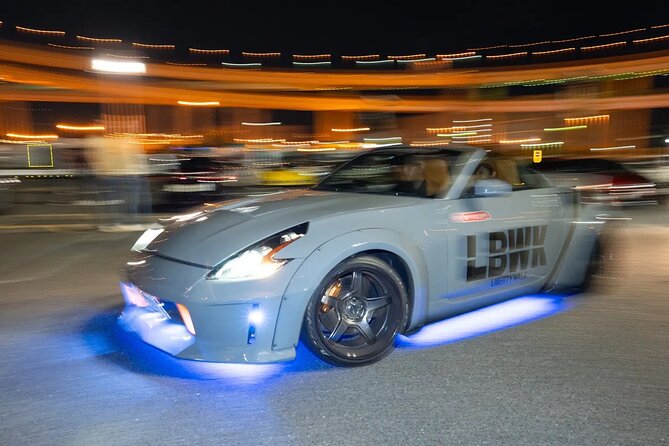
Daikoku is not a museum, dealership, or organized exhibition. It is a highway rest area in Yokohama that becomes a meeting place for car owners and enthusiasts. That uncertainty is part of the appeal. You are seeing a living car scene, not a display assembled for visitors.
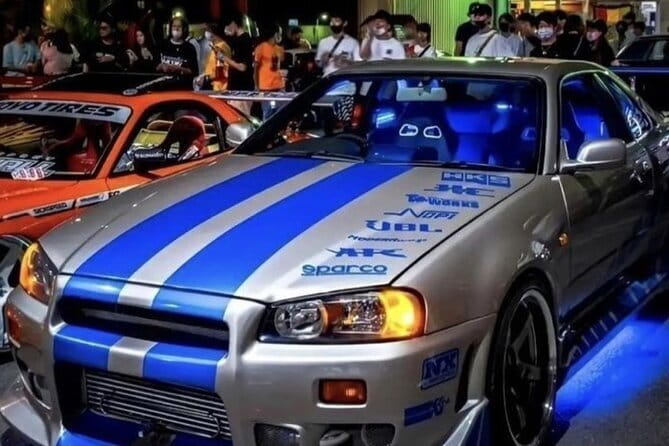
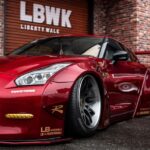
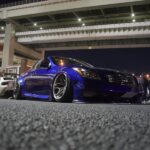
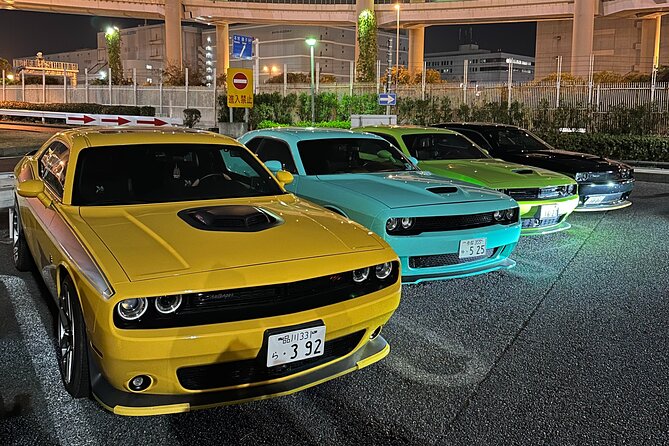
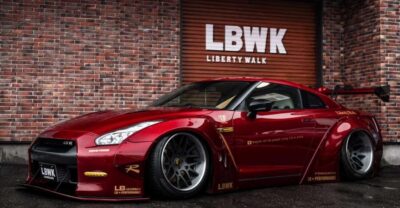
On a strong night, you might find Nissan GT-Rs, Toyota Supras, Mazda RX-7s, and other familiar JDM favorites. The mix can also include Italian supercars, McLarens, Ferraris, American muscle, and older European cars. The exact selection depends on the night, weather, and what local owners bring out.
I would set your expectations correctly. The word Tokyo Drift may help explain the mood, but this is not a movie set and there is no promise of racing or illegal driving. The tour operator says local laws are followed, which matters when you are visiting with children or teenagers and want a memorable night without needless risk.
Daikoku can also be affected by police or site management. One evening ended with the area being shut down around 8:30 PM, while another group found the full parking area was not available. This is not a flaw in the guide’s control, but it is a reason to value flexibility and local knowledge.
A few more Tokyo tours and experiences worth a look
The Expressway Ride from Central Tokyo
The evening begins with pickup at Tokyo Station Marunouchi North Gate, though you can request another pickup point, preferably within 5 kilometers of central Tokyo. The drive toward APIT takes about 30 minutes on the Metropolitan Expressway.
This first leg is more than simple transport. You get moving views of Tokyo’s skyline and a guide beside you who can answer questions about Japanese cars, the city, and the evening plan. Takeshi is described as fluent in English, and Takashi and Hiro have also led the tour. Clear communication is especially useful when you want to adjust the schedule or ask why a particular car matters.
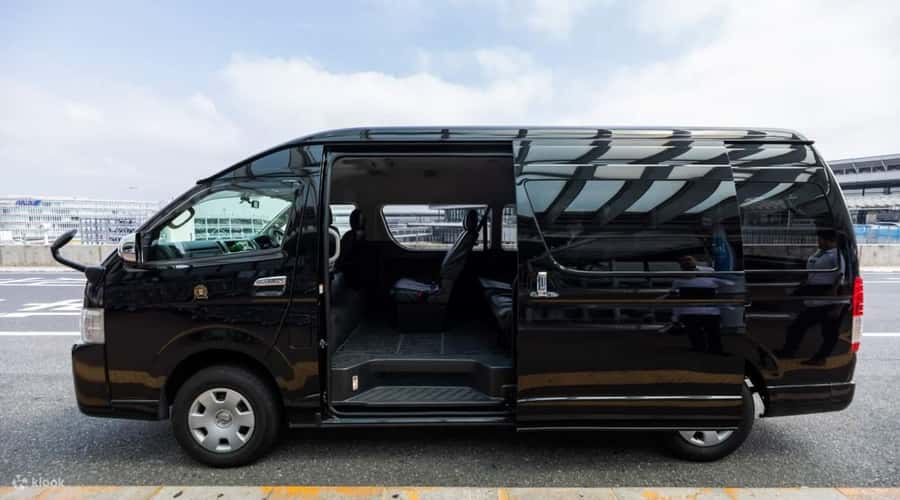
The standard vehicle is a Lexus LS460, a good match for an evening built around comfort and style. Larger groups use a Toyota van. The tour is private, so you are not sharing the vehicle with an unrelated group or trying to follow a stranger’s pace.
The listed duration is roughly three to five hours. Actual timing can vary with traffic, the time spent at APIT and Daikoku, and any added photo stop. One reported evening ran about three and a half to four hours, which makes it a practical way to finish a day in Tokyo.
APIT Super Autobacs: More Than a Parts Shop
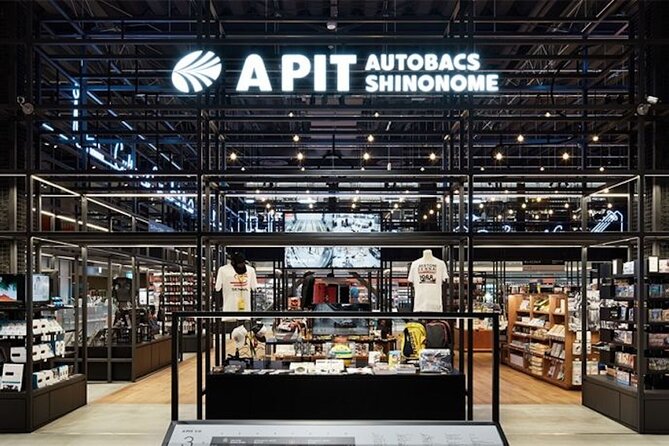
The first main stop is A-PIT Super Autobacs, described as the largest auto store in the Tokyo area. You get about 45 minutes here, with admission included.
If you are a serious car fan, this may be your favorite stop. The store carries car parts, apparel, books, toys, gadgets, and other JDM-related items. It gives you a look at the commercial side of Japanese car culture, where tuning, maintenance, clothing, collecting, and fan culture overlap.
For a casual companion, APIT may feel less essential. The store is not a general Tokyo attraction, and 45 minutes can seem long if you have little interest in automotive goods. The private setup helps here. A parent traveling with a younger teenager chose to skip the shopping stop, and the guide adjusted the plan.
That flexibility is one of the tour’s practical strengths. You are not locked into every stop simply because it appears in the schedule. If you want more time with the cars, ask about reducing the store visit. If you enjoy automotive shopping, ask the guide to explain what is worth seeing before you wander off.
There is also a small timing point to keep in mind. APIT may not be open at every possible time, and one Thursday evening found it closed. The guide offered to return the next day, though the group’s schedule did not allow it. Confirm the plan after booking, especially if APIT is a major reason you want the tour.
One Hour Among the Cars at Daikoku
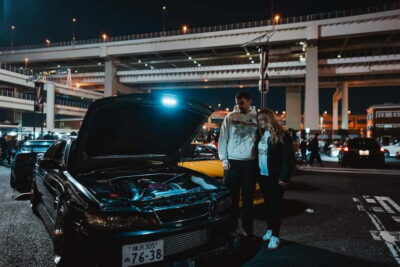
After APIT, the drive continues to Daikoku Parking Area. The planned visit lasts about one hour. That is enough time to walk around, look closely at the vehicles, take photos, and ask your guide what you are seeing.
Your guide will help you find the active part of the parking area and then give you free time to explore. That balance works well. You receive local direction at the start, but you are not forced to listen to a running lecture while trying to look at cars.
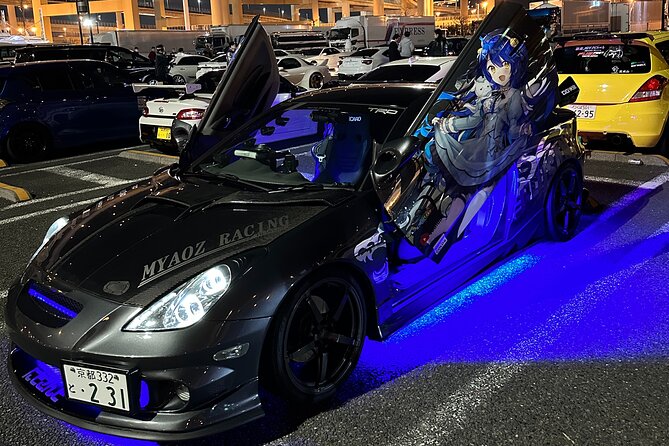
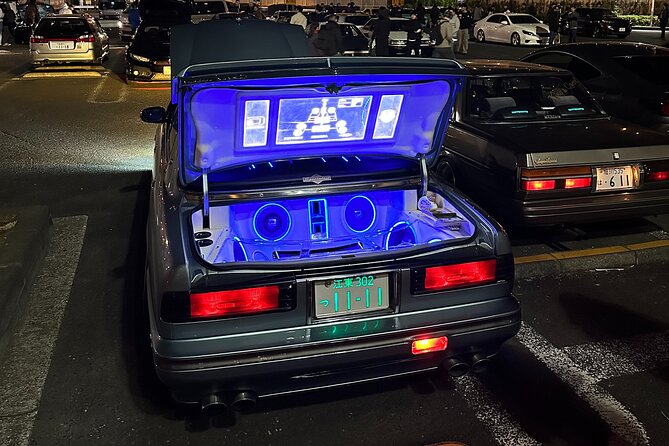
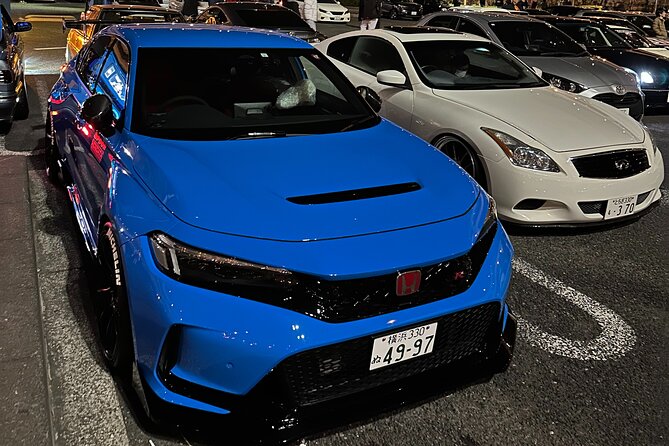
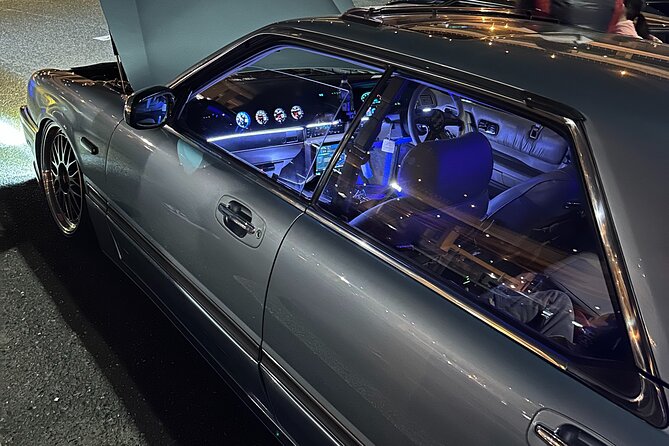
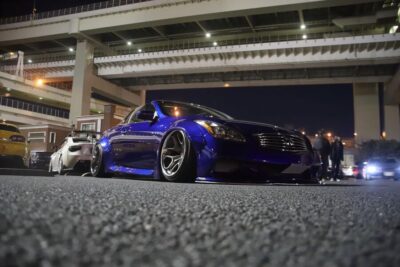
The scene can range from polished JDM icons to heavily modified builds. You might see GT-Rs, Supras, RX-7s, and other Japanese models, along with European and American cars. The setting is informal, so the atmosphere may feel more natural than a ticketed motor show.
Still, one hour is not a long time for a dedicated enthusiast. One person specifically wished the meet lasted longer. If you want to stay well past the planned hour, ask before the tour about an extended visit and any added cost.
The best nights appear to be those with plenty of cars arriving and enough time before the area closes. Friday and Saturday evenings have produced strong lineups, but the experience is never fixed. Weather, police action, and the changing habits of local owners all affect what you find.
Rain does not automatically ruin the night. Umbrellas have been provided when needed, but the activity requires good weather and may be canceled if conditions are poor. Wear shoes you can walk in and bring a light rain layer if the forecast looks uncertain.
Rainbow Bridge and Optional Tokyo Photo Stops
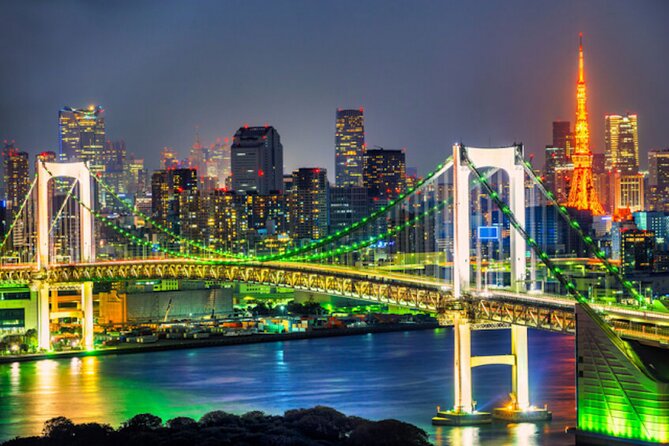
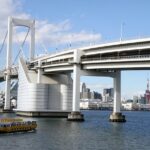
The return route passes Rainbow Bridge, one of Tokyo’s most attractive night views. You may see the illuminated bridge, the water, and the city skyline from the moving vehicle. This is included as part of the drive back.
You can also request an optional stop around Odaiba. The tour describes a local photo spot with views of Rainbow Bridge and the Odaiba area. The stop lasts about 30 minutes and is available by request after booking.
Tokyo Tower is another possible add-on. The tour says a stop at Tokyo Tower or Odaiba costs an additional 10,000 yen. Confirm whether that fee applies to the full group and exactly what timing it buys before agreeing.
I would treat these photo stops as extras, not the core reason to book. If your main goal is a night view of Tokyo, there are other ways to arrange that. Here, the bridge and skyline work best as a pleasant finish to a car-focused evening.
The route can also be adapted around your final destination. Drop-off is available at a location you choose, preferably within 5 kilometers of central Tokyo. One guide even helped a group find a restaurant afterward, taking them inside to check that it was open. That kind of practical help is useful late at night, though you should not assume a restaurant stop is part of every booking.
Guides Who Make the Difference
The vehicle gets you to Daikoku, but the guide is what makes this more than a ride. Takeshi is repeatedly described as friendly, punctual, easy to talk with, and passionate about Japanese car culture. Takashi has been praised for explaining the local scene and adapting the route, while Hiro has led smooth, informative evenings.
English ability is a clear advantage. You can ask about the difference between factory performance and aftermarket tuning, learn how the meet works, or simply talk about cars without worrying about a language barrier. The guides also offer background about Japanese culture and their own experience in the local car scene.
Punctual pickup matters here because the evening depends on timing. The guides have picked people up at hotels and at the stated Tokyo Station meeting point, then returned them after the outing. A clean, comfortable vehicle and a friendly conversation make the expressway journey part of the experience rather than dead time.
Communication before the tour is important. If you do not have Japanese mobile service, make sure you have a working way to contact the guide. Share your pickup location clearly and tell the operator in advance if you want to skip APIT or add Odaiba or Tokyo Tower.
What the $130.81 Price Buys You
At $130.81 per person, this is not the cheapest way to spend an evening in Tokyo. Its value depends on how difficult Daikoku would be for you to reach on your own.
The price includes a private vehicle, a driver who knows the local roads, pickup and drop-off, the APIT visit, and the drive to Daikoku. You are also paying for the chance to reach a location that can be awkward to visit without a car and for the guide’s help when plans change.
For a group of car enthusiasts, the cost can make good sense, particularly with group discounts available. A larger party can use the Toyota van, while a smaller group can ride in the Lexus LS460. Because the tour is private, you are also buying control over the pace and stops.
The value is weaker if you only want a guaranteed photo with one famous car. There may be fewer cars than expected, the area may be partly closed, or the lineup may not match your favorite models. You should book this for access, context, transport, and flexibility, not for a promised inventory of vehicles.
The optional 10,000 yen charge for Tokyo Tower or Odaiba is separate. Ask about that cost before the evening if you are keeping a tight budget.
Who Will Enjoy This Most?
I would recommend the tour first to people who can name a few JDM models and want to see how car culture works in Japan. It is particularly well suited to couples, families with car-loving teenagers, and small groups who want a private evening instead of a general sightseeing bus.
You do not need to be an expert. Casual fans have enjoyed the cars, the guide’s stories, and the night drive. But if you have no interest in vehicles, much of the time at Daikoku may feel like looking at cars in a parking lot, because that is exactly what it is.
The tour also suits anyone who wants a safer, simpler plan. Driving a rental car to a highway service area you do not know, at night and in another country, is a poor use of vacation time. A local driver handles the route while you look out the window and talk.
Families should note that the experience is private and most people can participate. The guides have taken groups with children and teenagers. You still need to make sure the evening timing and car-focused stops suit your family.
Timing, Weather, and Practical Details
The stated operating period runs from December 1, 2024, through January 18, 2027, with published hours from 6:30 PM to 10:30 PM Monday through Thursday. Since some recorded outings took place on Friday and Saturday, confirm the available date and start time before booking.
The experience requires good weather. If poor weather cancels the outing, you are offered another date or a full refund. You can cancel for a full refund up to 24 hours before the start time, but late cancellations and late changes are not accepted.
Plan for three to five hours, not a fixed three-hour appointment. Traffic and added stops can change the finish time. If you have a dinner reservation, theater ticket, or train to catch, leave a generous buffer.
Pickup is offered at any location you request, with the preferred area within 5 kilometers of central Tokyo. The listed meeting point is Tokyo Station Marunouchi North Gate, at Marunouchi Ekimae Hiroba. The tour ends back at the meeting point unless another suitable drop-off has been arranged.
Should You Book the Daikoku Tour?
Book it if Daikoku is high on your Tokyo wish list and you do not have a rental car. The private Lexus ride, English-speaking guide, flexible schedule, APIT stop, and Rainbow Bridge drive make the $130.81 price easier to justify, especially for a group.
I would also book it for a teenager who is serious about cars. The chance to see a real meet, rather than only a showroom, can become one of the most memorable nights of a Japan trip.
Skip it if you need a guaranteed car lineup, dislike shopping stops, or have no real interest in automotive culture. Before paying, confirm the operating date, ask about the current Daikoku timing, and decide if you want the optional Odaiba or Tokyo Tower stop.
FAQ
Where does the tour start?
The listed meeting point is Tokyo Station Marunouchi North Gate, at Marunouchi Ekimae Hiroba, 1-chome-9-1 Marunouchi, Chiyoda City, Tokyo.
Can I request hotel pickup?
Yes. Pickup can be arranged at a location you choose, preferably within 5 kilometers of central Tokyo.
Where does the tour finish?
The activity ends back at the meeting point unless another suitable drop-off location has been arranged.
How long does the tour last?
The approximate duration is three to five hours. One recorded outing lasted about three and a half to four hours.
Is this a private tour?
Yes. Only your group participates in the activity.
What vehicle is used?
The standard vehicle is a Lexus LS460. A Toyota van is used for larger groups.
What is included at APIT Super Autobacs?
You can browse car parts, apparel, books, toys, gadgets, and other goods connected with JDM cars. Admission is included.
How long do you spend at Daikoku Parking Area?
The planned visit is about one hour, though you can ask about adjustments to the schedule.
Can I add Tokyo Tower or Odaiba?
Yes. Odaiba can be requested as an optional photo stop, and Tokyo Tower is also available by request. The listed additional fee is 10,000 yen.
What happens if the weather is poor?
The experience may be canceled in poor weather. You will be offered another date or a full refund.
Can I cancel for a full refund?
Yes, if you cancel at least 24 hours before the experience start time. Cancellations or changes made less than 24 hours before the start are not accepted.
More JDM & Car Culture in Tokyo
More tours in Tokyo we've reviewed












JDM & Car Culture, compared.
 ★ 4.8Tokyo: Fast & Furious Tokyo Drift 3 Experience (Kaila Yu SP)From $157
 ★ 4.8Tokyo: FAST&FURIOUS EXPERIENCE Daikoku Tokyo Car ClubFrom $157
 ★ 4.8Tokyo Drift: GT-R Car Club R35 Liberty Walk Daikoku meetingFrom $240
 ★ 4.8Tokyo: Daikoku JDM Fast Furious Drift Style Car ExperienceFrom $123
 ★ 4.8Tokyo Drift: GO Daikoku Car Meet R34 Skyline Car ClubFrom $246
 ★ 4.7Tokyo Drift: Daikoku PA Supreme Car Experience 大黒PAFrom $583 hours