Reviewed · TOKYO
Let’s make kimono !(Kimono is a gift for you
This is not a standard kimono rental. You choose a vintage garment, adjust it to fit, learn a simpler way to wear it, and take the finished piece home. I like the small maximum group of five and the warm, personal setting in Kiba. I also like that children, men, and larger or taller participants can take part.
In This Article
- Key points
- A Tokyo kimono workshop with a useful twist
- Choosing a vintage kimono in Kiba
- What you actually make during the 90-minute session
- Men get a real outfit, not an afterthought
- Children have their own kimono process
- Learning to wear a kimono the easier way
- What is included, and what can raise the price
- The residential setting and group size
- Who will get the most from this experience
- Should you book the Kiba kimono workshop?
- FAQ
- How long does the kimono experience last?
- Where does the activity meet?
- What is included in the price?
- Are sandals and tabi included?
- Can I choose a more ornate kimono?
- Can men participate?
- Can children participate?
- Do I keep the kimono?
- How many people can join, and can I cancel?
The main thing to understand is the name. You are not sewing a traditional kimono from raw fabric. In many cases, you are remaking or altering a vintage kimono into an easier-to-wear outfit, sometimes by hemming or cutting it. Extra charges for fancier pieces can also change the final price.
Key points
- Choose from vintage fabrics and kimonos: Basic options are included, with upgrades generally costing ¥2,000 to ¥6,000.
- Learn a practical way to wear it: Staff help you adjust the garment and show you how to put it on.
- Small-group format: The experience accepts no more than five people, so help is close at hand.
- Men and children are welcome: Men can add a haori jacket, while children have their own kimono process.
- Keep the kimono: The garment becomes a souvenir you can wear again, not just a costume for an hour.
- Plan for extras: Sandals and tabi are not included, and more ornate kimonos or obi may cost more.
A Tokyo kimono workshop with a useful twist
At about 90 minutes, this is a tidy fit for a Tokyo day. You do not spend half a day being dressed, posing, and returning a rental outfit. Instead, you make practical changes to a vintage kimono, learn how it works, and leave with the garment.
That difference matters. Traditional kimono dressing can involve several layers, careful folding, special ties, and a trained dresser. This workshop aims to make the clothing easier for you to wear on your own. It is a hands-on craft activity, a cultural introduction, and a souvenir purchase rolled into one.
You meet at 6-chōme-8-6 Kiba in Koto City. The setting is a local residential home rather than a large costume shop. That gives the experience a more intimate feel, but it also means you should pay close attention to the meeting point. One participant had trouble finding the home at first and needed help from the staff.
Morning and afternoon sessions are available. That makes this easy to pair with other Tokyo plans, especially if you want a quieter activity between major sightseeing stops. The group limit is five people, which is useful when you need help with sizing, folding, ironing, or choosing accessories.
If you're still narrowing it down, here are other tours in Tokyo we've reviewed.



Choosing a vintage kimono in Kiba
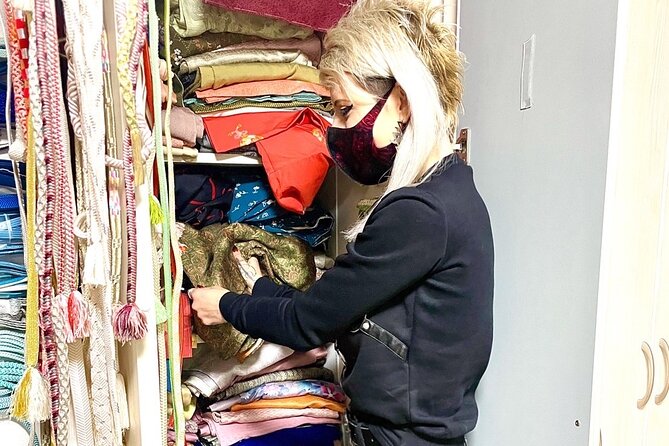
The first important decision is the garment itself. You can look through vintage and preowned kimonos in a range of colors, prints, textures, and fabrics. Several participants especially enjoyed handling the different materials and comparing patterns before settling on a piece.
The basic price is $43.11 per person, but do not assume every kimono on the rack is included. The selection covered by the base fee is smaller and simpler. More ornate choices usually add about ¥2,000 to ¥6,000, and the exact amount depends on the garment.
That extra cost is not automatically unreasonable. One participant paid about ¥11,000 for a complete set with kimono, collar, obi, and related pieces. Another paid ¥6,000 extra for a kimono and an additional amount for the obi. The sensible approach is to ask for the price of your chosen kimono and accessories before you commit.
I like this arrangement because it keeps the entry price fairly low while giving you control over the final look. You can stay with a basic garment, or pay more for a fabric you truly want to keep. The downside is that the advertised price does not tell the whole story if you fall for one of the more elaborate choices.
The kimonos are vintage, so some may have stains or worn areas. That is part of the character of secondhand clothing, but you should inspect your choice carefully. If you want an immaculate formal garment, this may not be the right experience. If you like old textiles and one-of-a-kind patterns, the condition is easier to accept.
What you actually make during the 90-minute session
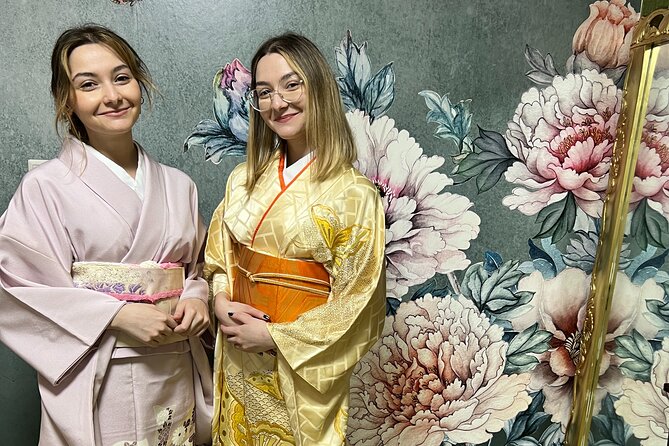
The women’s program begins with selecting a kimono and adjusting it to your size. You may hem the waist, fold the material, or use simple construction methods to make the piece easier to wear. One participant described the work as manageable if you can cut, fold, and iron, while also noting that staff are ready to help if those tasks are not your strength.
This is why the activity works well for people who want to create something without signing up for a full sewing course. The techniques are simple enough to complete within the session, yet you still take part in changing the garment. You are not just being dressed by someone else.
The exact result can vary. Some people leave with an altered kimono, while others describe a jacket and skirt made from a kimono divided into separate pieces. That is an important distinction. The finished outfit may look like a kimono-inspired set rather than a traditional, untouched kimono.
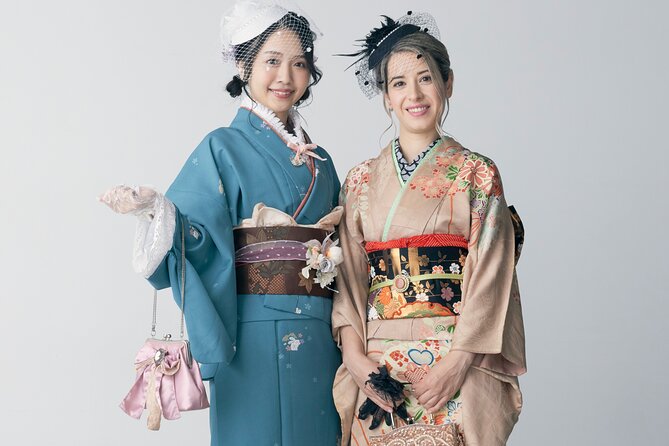
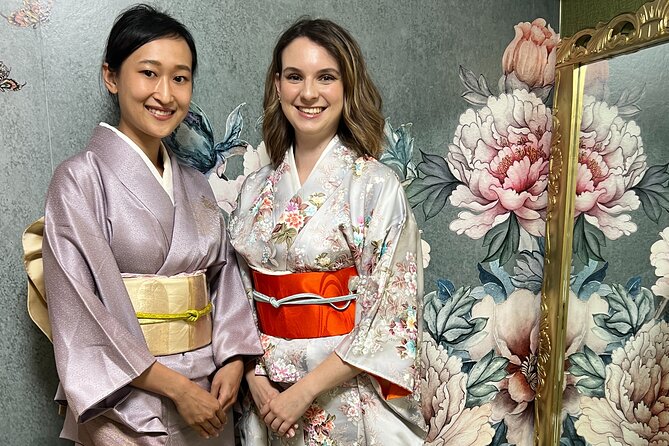
After the alteration, the staff show you how to wear the garment. You learn how the obi, obiage, obijime, and obi pillow fit into the outfit. These pieces are available as free rentals during the activity, and some can also be purchased if you want to build a set for future use.
The workshop ends with a photo session. Staff take pictures of you in the finished outfit, and one participant received photos afterward when a phone battery had died. You should still bring your own phone if you want additional pictures, but the staff help create a clear record of the experience.
Men get a real outfit, not an afterthought
The men’s program follows a slightly different path. You select a men’s kimono, and you can add a haori jacket and kimono set for an extra ¥2,000. The staff also print your name in Kanji and let you choose the font color before ironing it onto the kimono.
That name detail gives the men’s option a personal souvenir element. It also makes the activity more than a generic costume fitting. The men’s process includes photo time and guidance on how to wear the outfit.
Do check the cost of the haori set before choosing it. The base experience includes the kimono, but the jacket combination is listed as an upgrade. As with the women’s garments, vintage condition can mean small stains or signs of age.
Children have their own kimono process
Children can join, but the children’s itinerary is not identical to the women’s program. Some girls’ kimonos do not need adjustment, so the child can simply wear the garment without cutting the material.
For boys, the workshop can print the child’s name in Japanese on the collar. That is a particularly nice touch for a child who wants a personal keepsake rather than a borrowed outfit.
The activity appears well suited to families because the staff help with dressing and fitting, and the group is small. Still, the experience involves handling fabric and participating in simple alterations, so parents should be ready to help younger children follow instructions.
Several families used the session as a shared activity for mothers, daughters, and teenagers. It also worked for an older parent who was concerned about sitting on the floor. That participant had no trouble, though the information does not promise a specific chair arrangement or formal accessibility setup. If seating is important for you, ask ahead.






Learning to wear a kimono the easier way
This workshop does not aim to train you as a professional kimono dresser. Its goal is more practical: help you wear an altered kimono without the full complexity of formal dressing.
That makes the session useful for taller or larger participants. A standard rental shop may have fewer garments that fit, while an adjustable vintage piece can be adapted more easily. One tall participant valued learning how to alter other kimonos in the future, and another larger participant said the staff made it possible to fit into a garment.
You should keep your expectations realistic. The lesson is not a long talk on Japanese clothing customs, textile production, or ceremonial rules. Some people wanted more background about the tradition and had to ask questions during the session. If cultural context matters to you, arrive with a few questions about the obi, seasonal patterns, formal versus casual wear, and how the garment is normally tied.
The staff can also offer styling advice. That is useful because an obi and kimono need to work together in color and proportion. The friendly, patient approach was one of the strongest parts of the experience, especially for families and people who were unsure how to handle the material.
What is included, and what can raise the price
The $43.11 starting price includes:
- A kimono
- An obi rental
- An obiage rental
- An obijime rental
- An obi pillow rental
- Fitting and dressing guidance
- Photo time
The listed accessories are rentals, not necessarily items you take home. You can purchase some of them, but those purchases are separate. Japanese sandals and tabi socks are not included, so you need to plan your footwear separately.
The price is good if you choose one of the basic garments and mainly want the activity, instruction, and photos. It becomes less of a bargain if you select a fancier kimono, add an obi, buy accessories, or choose a men’s haori set.
I would budget beyond the advertised amount if you already know you want a special fabric. Ask to see which kimonos are included before you start choosing. That avoids the common disappointment of finding the most attractive pieces are upgrades.
The garment you keep gives the experience lasting value. A rental session ends when you return the clothing. Here, you leave with a wearable reminder that you can style separately or together later. Just remember that an upcycled set may need slightly different handling from a formal kimono.
The residential setting and group size
The home-based setting is part of the charm. You are working with staff in a quieter neighborhood rather than moving through a large tourist operation. One person enjoyed walking through a residential part of Tokyo because it felt different from staying only around the major sightseeing districts.
The tradeoff is convenience. A private home can be harder to spot than a shop with a large sign. Keep the exact address available on your phone and allow a little time to find the entrance. The staff can help if you get turned around.
A maximum of five participants keeps the session personal. You can ask about fit, fabric, and dressing without waiting behind a large group. It also means the atmosphere may depend on the people booked for your time, though small groups generally make the practical work easier.
The experience is near public transportation, and a mobile ticket is accepted. Confirmation is provided when you book. Service animals are allowed, and most people can participate, but the supplied information does not list detailed mobility arrangements.
Who will get the most from this experience
I would choose this for you if you want a souvenir with a personal story, enjoy simple creative work, or prefer a local setting to a polished rental studio. It is also a strong pick for families, couples, and parents with older children.
It suits people who are tall or larger than average particularly well because the garment can be adjusted. Men should book with confidence, since the program includes men’s kimono, optional haori, Kanji name printing, and photo time.
This may not suit you if your main goal is a formal lesson in kimono etiquette or a detailed account of Japanese clothing history. It may also disappoint you if you expect to construct a complete traditional kimono from scratch. The activity is best understood as vintage kimono upcycling and easy dressing, not full garment-making.
The experience requires good weather. If poor weather causes cancellation, you are offered another date or a full refund. Otherwise, the booking is non-refundable and cannot be changed for any reason, so choose your date carefully.
Should you book the Kiba kimono workshop?
Book it if you want to choose your own vintage fabric, work with helpful staff, take photos, and keep an outfit afterward. The small group, flexible morning or afternoon schedule, and options for women, men, and children make it easy to fit into a Tokyo visit.
Before booking, decide how much you want to spend on upgrades and make sure you understand the final product. You may leave with a modified kimono, or with a skirt-and-jacket set made from one. If that sounds like a creative souvenir rather than a problem, the experience offers good value and a welcome personal touch.
FAQ
How long does the kimono experience last?
The experience lasts approximately 1 hour and 30 minutes.
Where does the activity meet?
It starts at 6-chōme-8-6 Kiba, Koto City, Tokyo 135-0042, Japan, and ends at the same meeting point.
What is included in the price?
The price includes a kimono, plus rental use of an obi, obiage, obijime, and obi pillow. Fitting, dressing guidance, and photo time are part of the activity.
Are sandals and tabi included?
No. Japanese sandals and tabi are not included.
Can I choose a more ornate kimono?
Yes. Basic kimono options are included, while upgraded garments generally cost an additional ¥2,000 to ¥6,000. Confirm the exact price of your choice before selecting it.
Can men participate?
Yes. Men can choose a kimono, and a haori and kimono set is available for an additional ¥2,000. Men can also have their name printed in Kanji on the kimono.
Can children participate?
Yes. Children can join through separate girls’ and boys’ kimono options. Some children’s garments do not require adjustment, and boys can have their names printed in Japanese on the collar.
Do I keep the kimono?
Yes. The experience is designed so you take the kimono or finished kimono garment home as a gift and souvenir.
How many people can join, and can I cancel?
The activity accepts a maximum of five participants. It is non-refundable and cannot be changed for any reason, except that a weather cancellation offers another date or a full refund.
More tours in Tokyo we've reviewed












Tokyo, compared.
 ★ 5.0Mt Fuji and Hakone 1-Day Bus Tour Return by Bullet TrainFrom $163
 ★ 5.01-Day Tokyo Bus TourFrom $129
 ★ 4.6Tokyo: teamLab Planets TOKYO Digital Art Museum Entry TicketFrom $251 day
 ★ 4.0Mt Fuji & Hakone Cruise, Drum Show Bullet Train 1 Day from TokyoFrom $149
 ★ 5.0Tokyo: Shinjuku Food Tour (13 Dishes at 4 Local Eateries)From $86
 ★ 4.4Tokyo Mt Fuji 5th St & Hakone Cruise Bus Tour w/Bullet TrainFrom $15410 hours