Reviewed · SHOPPING TOURS
Best of Tokyo’s Shopping & Food: Japanese Cultural Experience
Tokyo’s best shopping often hides behind an ordinary doorway. This three-hour walk leads you through Ningyocho and Nihonbashi, where family shops still make sweets, paper, brushes, fans, incense, and other goods by hand. You also get a taste of old Edo life through local food and neighborhood stories.
In This Article
- Key points at a glance
- Why Ningyocho is a fine place to begin
- Ningyoyaki at Itakuraya
- Amazake Yokocho and a full hour of local stops
- Shrines, customs, and the old neighborhood atmosphere
- Nihonbashi’s paper, brushes, fans, and gold leaf
- Shopping value: browsing more than buying
- Guide quality and group size
- Walking, timing, and practical comfort
- Is $63.68 a fair price?
- Who should book this Tokyo walk?
- Should you book it?
- FAQ
- How long does the tour last?
- What time does the tour begin?
- Where does the tour start?
- Where does the tour end?
- What food and drinks are included?
- Is amazake alcoholic?
- Are vegetarian and vegan options available?
- How many people can join?
- What happens if I need to cancel?
I especially like the small group limit of 10 and the generous tasting stops, including ningyoyaki cakes, rice crackers, amazake, and possibly a Wagyu beef sukiyaki croquette. I also like the chance to see parts of Tokyo that are easy to miss without a guide, such as a 1653 washi paper shop and a fan store with a 430-year history.
The main caution is that this is a walking tour, not a dedicated shopping trip. You will see many appealing stores, but buying time may be short, and the route can feel slow if your guide’s English is limited or the group grows close to the maximum size.
Key points at a glance
- Ningyoyaki fresh from the shop: Taste a small red bean cake from Itakuraya, founded more than a century ago, and possibly watch it being made.
- Amazake changes with the season: Expect cold kome-koji amazake in summer and warm sake-kasu amazake in winter.
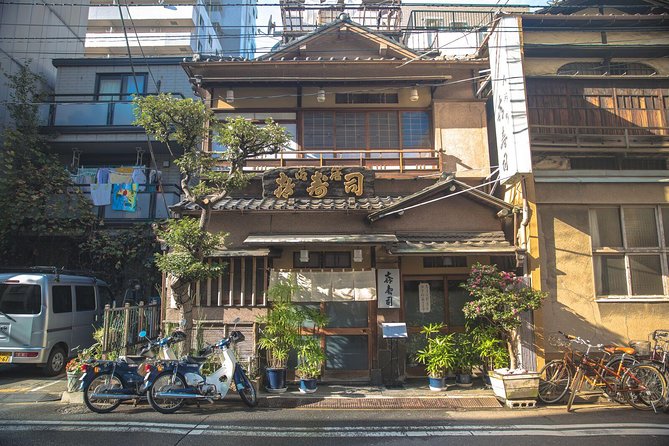
- Old Tokyo survives in ordinary streets: Ningyocho’s alleys reveal long-running food shops, shrines, craft stores, and traditional businesses.
- Nihonbashi is a handmade-shopping stop: Look for washi paper, brushes, fans, dashi, kitchen knives, incense, and gold-leaf goods.
- Food is part of the ticket: Several traditional snacks are included, while extra purchases and drinks cost more.
- English quality can vary: Guides such as Kaori, Miki, Yoshi, Aya, Ayaka, Meg, and Seishi have led this route, but communication has not been equally strong on every departure.
Why Ningyocho is a fine place to begin
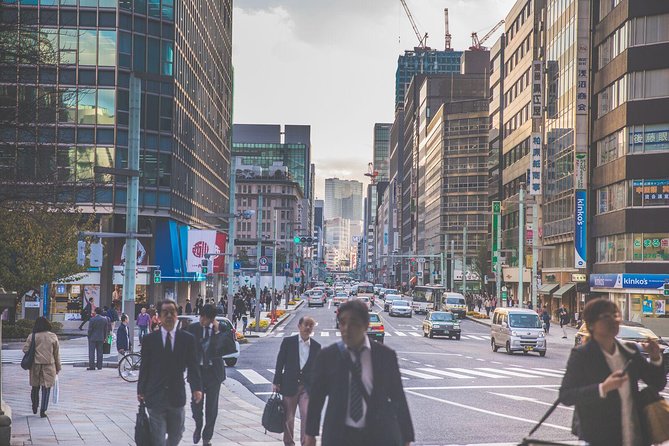
The tour starts at 12:45 pm outside the McDonald’s near Ningyocho Station. That meeting point is practical, if not picturesque. Look for the mechanical clock tower nearby, where a display at 12:45 pm tells a story connected with daily life in the Edo period.
This first stop gives the walk a useful frame. Ningyocho is not an open-air museum. It is a working Tokyo neighborhood, with modern buildings and familiar businesses mixed among small stores that have served local customers for generations. Your guide explains how the district developed and points out details you would probably pass without noticing.
I like this kind of introduction because it helps you read the streets. Instead of seeing only signs and storefronts, you begin to understand why certain shops are still here and why food, theater, religion, and craft work mattered in the area.
The route also gives you a view of Tokyo that differs from the usual Shibuya, Harajuku, and Asakusa circuit. There are no giant attractions here. The pleasure comes from paying attention to small doors, old signs, displays, and the work taking place inside.
A few more Tokyo tours and experiences worth a look
Ningyoyaki at Itakuraya
One of the first edible stops is Itakuraya, a Ningyocho shop founded 116 years ago. It is known as the original store that began making ningyoyaki, small cakes traditionally filled with sweet red bean paste.
The treat is simple but tied closely to the neighborhood. You receive one made in front of you, and if the shop is not too crowded, the guide may take you to the back so you can watch the production. That brief look at the cooking process is more useful than simply buying a packaged sweet at a department store.
The cake itself is a good introduction to Japanese snack culture. It is modest in size, lightly sweet, and easy to eat while walking. The red bean filling may be unfamiliar if you usually associate cakes with cream or chocolate, but this is exactly the kind of local taste the tour handles well.
Space and crowd levels can affect what you see. The back-room observation is not guaranteed, so treat it as a bonus rather than a promised demonstration. The stop is also short, around 10 minutes, so you will not have much time to browse or linger.
Amazake Yokocho and a full hour of local stops
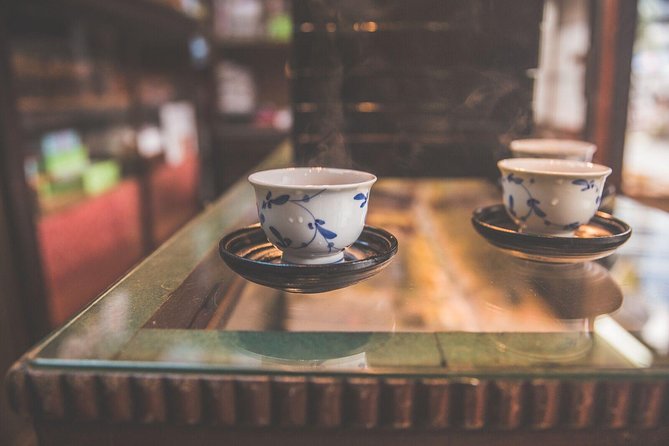
Amazake Yokocho is the heart of the walk, with about 90 minutes set aside for the lane and surrounding shops. The name refers to amazake, a sweet Japanese drink, and the guide explains the difference between its two common forms.
In summer, you can expect cold kome-koji amazake. It is made with steamed rice and rice malt, contains no alcohol, and has a mild natural sweetness. In winter, the tour serves warm sake-kasu amazake, made from sake lees with added sugar. It may contain less than 1 percent alcohol, though it is counted as a non-alcoholic beverage in Japan.
This seasonal detail is one of the tour’s nicest touches. You are not just sampling a drink. You are learning how Japanese food changes with weather, custom, and ingredients. The amazake also gives you a small pause during a fairly active walk.
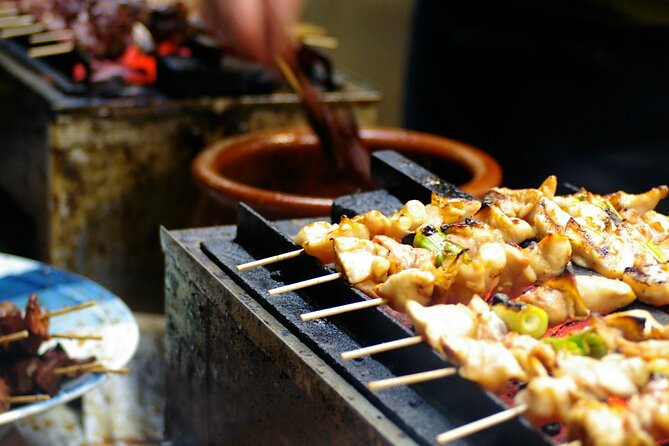
Along Amazake Yokocho, you might visit food shops selling rice crackers, sweets, and other everyday Japanese treats. The exact selection can vary, but the included food is meant to be sampled along the way. Some departures have included freshly made rice crackers, pastries, cookies, ice cream, and meat-based snacks.
The food can add up quickly. One person described the included samples as surprisingly filling, so I would not plan a large lunch immediately before the tour. At the same time, you should not assume this replaces a full meal. The amount depends on the shops open that day and what the guide arranges.
Vegetarian and vegan choices are available, but state your needs when booking or before the walk begins. The listed food can include Wagyu beef sukiyaki croquettes, so plant-based diners should not simply assume every stop will suit them.
Shrines, customs, and the old neighborhood atmosphere
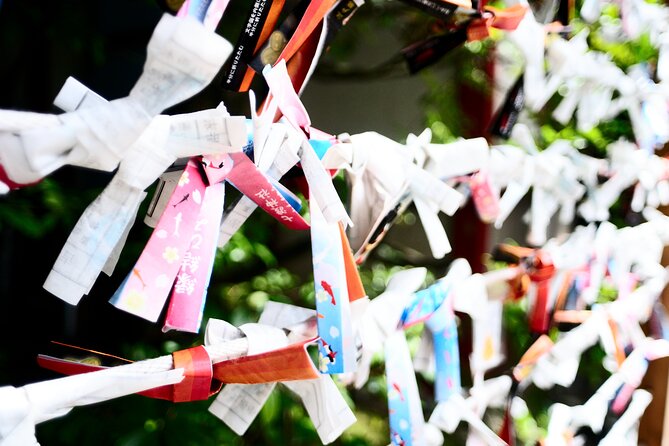
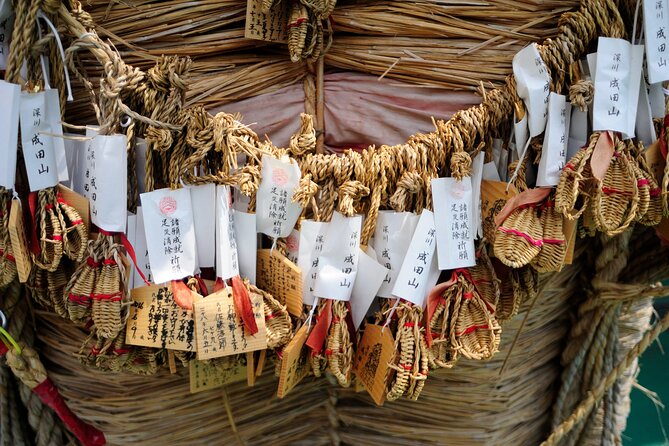
The route may include a visit to a local shrine in Ningyocho, including a fertility shrine where families pray for children or give thanks for a healthy birth. This adds a religious and social layer to the walk that food alone cannot provide.
If your route includes the shrine, dress with reasonable modesty and follow your guide’s instructions. You may learn the proper way to offer a prayer at a Shinto shrine, including basic manners that are easy to miss when visiting alone.
The shrine stop also helps explain how these neighborhoods function. Food shops, craft businesses, and religious sites are not isolated attractions. They are part of local life, and the tour connects them in a way that a self-guided shopping visit may not.
Rain does not necessarily ruin this section, since much of the walk is along streets and through shops, but bad weather can make the pace less comfortable. One rainy-day route used the subway to reach Nihonbashi rather than walking the full way. That is a useful reminder that the guide may adjust the route when conditions require it.
Nihonbashi’s paper, brushes, fans, and gold leaf
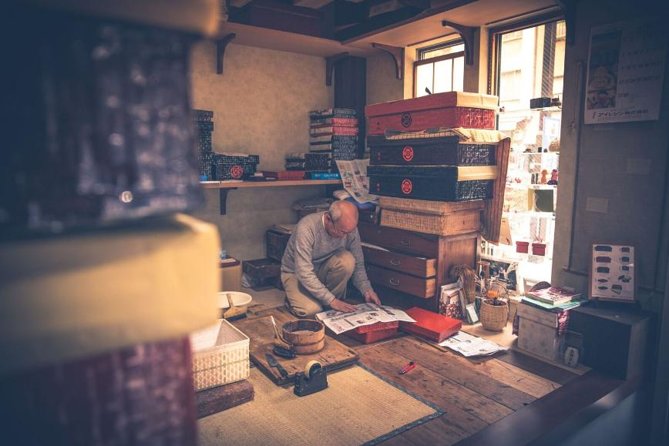
The final hour takes you into Nihonbashi, a more modern commercial district that still preserves some remarkable old businesses. The tour ends at Mitsukoshi department store, which has operated for 350 years, but the most interesting stops are often the small specialist shops along the way.
At the washi paper store, you can see high-quality Japanese paper from a business established in 1653. Washi is used for writing, artwork, decorations, and traditional crafts. Even if you do not buy anything, the range of textures and weights makes this a useful stop for anyone interested in stationery or calligraphy.
The brush store dates from 1718 and carries several kinds of brushes. Hair brushes and clothing brushes are popular, along with makeup brushes. These are practical objects, but Japanese makers often give them a level of finish that turns an everyday tool into a thoughtful souvenir.
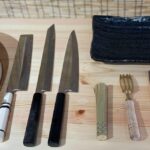
A fan shop with a 430-year history may display valuable ukiyo-e prints. This is a good place to slow down and look closely. Fans are light and easy to pack, though delicate designs need careful handling. You might also encounter incense, gold-leaf decorations, handmade toothpicks, kitchen knives, or stores specializing in dashi soup stock.
These stops are especially useful because the shops are easy to overlook. Their entrances may be narrow, and their products may not be displayed in the loud, brightly lit style found in major shopping districts. A local guide helps explain what you are seeing and how the objects fit into Japanese life.
Other shopping tours in Tokyo
Shopping value: browsing more than buying
The tour is called a shopping and food experience, but you should set your expectations correctly. It is primarily a guided neighborhood walk with tastings. You will visit shops and receive ideas for souvenirs, but the schedule does not promise long, private shopping sessions at every store.
That distinction matters. If you want handmade paper, a quality brush, a fan, incense, Japanese kitchen tools, or gold-leaf goods, this tour can help you find the right area and understand what you are buying. If you want to spend an hour comparing products and prices, you may feel hurried.
Some departures have varied from the published route. One group visited a jewelry district, while another explored toothpick crafts and a soup stand inside a shopping complex. This flexibility can be a benefit, since Tokyo shops change and local conditions matter. It can also disappoint you if one particular store mentioned in the tour description is your main reason for booking.
I would bring a small amount of space in your luggage and avoid buying fragile items too early in your trip. The final stop at Mitsukoshi gives you a convenient place to continue shopping after the tour, though additional purchases are not included.
Guide quality and group size
The experience depends heavily on the guide. Strong guides have included Kaori, Miki, Yoshi, Aya, Ayaka, Meg, and Seishi. They have been praised for explaining food, customs, local businesses, and the history of the neighborhoods in clear English.
Several guides have also added stops or details beyond the basic route. That personal touch is one reason a small walking tour can work well in Tokyo. You can ask questions, stop briefly at an interesting storefront, and get suggestions for what to eat or see later in your trip.
The less positive side is worth taking seriously. One departure was led by a guide on a first day whose English was difficult to understand, making the route feel slow and disconnected. Another participant found that a group of eight was already too large for some small shops.
The official maximum is 10 people. That is still much more personal than a large bus tour, but it is not a private walk. At crowded storefronts, you may need to stand outside or take turns looking. If guide quality is important to you, understand that the guide’s ability and the day’s group dynamics will shape the experience.
Walking, timing, and practical comfort
The tour lasts about three hours and involves a moderate amount of walking. Most of the route is flat, but the walk can feel long, especially in humid summer weather or rain. Wear comfortable walking shoes, and do not schedule a major activity immediately afterward if you prefer a relaxed pace.
The 12:45 pm start works well for a half-day plan. You can eat a light breakfast or early lunch, then use the included samples as an afternoon snack. Since the food may be filling, I would avoid booking a serious meal for the exact end of the tour.
The start is near public transportation at Ningyocho. The finish is at Mitsukoshimae Station, served by the Ginza and Hanzomon lines. Hotel pickup and drop-off are not included, so you need to reach the starting point yourself and make your own way onward after Mitsukoshi.
Children age five and younger are free. Most people can participate, but the walking requirement makes comfortable footwear more important than dressing for a formal shopping excursion.
Is $63.68 a fair price?
At $63.68 per person, this is not the cheapest way to eat a few snacks in Tokyo. You are paying for the guide’s time, neighborhood interpretation, several tastings, and the convenience of being led into shops you might otherwise miss.
The value is strongest if you are new to Tokyo, interested in traditional crafts, or unsure how to explore Ningyocho and Nihonbashi on your own. The guide can also help you get oriented early in your visit, including basic shrine manners and practical suggestions for later meals and sightseeing.
The value is weaker if you mainly want a shopping spree, dislike walking, or prefer to explore at your own pace. You may also find it less satisfying if the listed shops are your only priority and the route changes on the day.
The company operating the tour is B Corp certified and describes the experience as carbon neutral. That matters to some people when comparing similar activities, though the practical value here still comes from the food, access to specialist shops, and quality of the guide.
Who should book this Tokyo walk?
I would choose this tour for first-time visitors who want a gentle introduction to local Tokyo life beyond the major sights. It also suits return visitors who have already seen the famous districts and want food, craft, and neighborhood details instead.
Food lovers will appreciate the repeated tastings, while shoppers interested in stationery, calligraphy, fans, brushes, paper, incense, knives, dashi, or gold leaf will gain useful direction. Families can join, and vegetarian or vegan arrangements are available.
I would hesitate if you want a fast-paced sightseeing tour, a private shopping assistant, or a guaranteed visit to every shop named in the description. The walk is at its best when you are curious, flexible, and happy to look closely at ordinary streets.
Should you book it?
Book it if you want to taste your way through two old Tokyo districts and learn why small family businesses still matter there. The strongest parts are the ningyoyaki, amazake, shrine customs, specialist shops, and the chance to see craftsmanship that is easy to miss alone.
Skip it if your priority is department-store shopping or a large meal. Also, go in knowing that the guide makes a big difference and that the maximum group of 10 can feel crowded inside tiny shops.
For most visitors, the $63.68 price is fair when the guide is strong and the tastings are plentiful. Make it an early-trip activity, wear good shoes, and leave room in your afternoon for a little extra shopping around Mitsukoshimae Station.
FAQ
How long does the tour last?
The walking tour lasts approximately three hours.
What time does the tour begin?
The tour begins at 12:45 pm local time.
Where does the tour start?
The meeting point is the McDonald’s at 2 Chome 3-1 Nihonbashiningyocho, Chuo City, Tokyo.
Where does the tour end?
The tour ends at Mitsukoshimae Station in Nihonbashimuromachi. The station is served by the Ginza and Hanzomon lines.
What food and drinks are included?
Included tastings can include ningyoyaki cakes, rice crackers, Wagyu beef sukiyaki croquettes, other traditional treats, and amazake.
Is amazake alcoholic?
The summer kome-koji amazake is non-alcoholic. The winter sake-kasu amazake may contain less than 1 percent alcohol and is counted as a non-alcoholic beverage in Japan.
Are vegetarian and vegan options available?
Yes. Vegetarian and vegan options are available on the tour.
How many people can join?
The tour has a maximum of 10 travelers.
What happens if I need to cancel?
You can cancel up to 24 hours before the start time for a full refund. Cancellations or changes made less than 24 hours before the start time are not accepted for a refund.
More Shopping Tours in Tokyo
More Food Experiences in Tokyo

More tours in Tokyo we've reviewed












Shopping Tours, compared.
 ★ 5.0Tokyo Tsukiji Fish Market Food and Culture Walking TourFrom $99
 ★ 5.0Tokyo: Tsukiji Fish Market Food and Walking tourFrom $30
 ★ 4.9Tokyo: Tsukiji Fish Market Guided Walking TourFrom $222 hours
 ★ 5.0Tsukiji Fish Market Guided Tour and Sushi Making with Pro ChefFrom $104
★ 4.7Tokyo: Tsukiji Fish Market Food and Culture Walking TourFrom $963 hours
★ 5.0Tsukiji Fish Market Guided Tour and Sushi Making with Pro ChefFrom $104
★ 4.7Tokyo: Tsukiji Fish Market Food and Culture Walking TourFrom $963 hours
 ★ 5.0Tsukiji Fish Market: Street Food & Culture Walking TourFrom $33