Reviewed · WALKING TOURS
Tokyo Custom Private Walking Tour with Licensed Guide (4/8h)
Tokyo can feel like several cities stacked together, and this private walking tour gives you a human guide through the maze. You can link Tsukiji Market, Senso-ji, Meiji Shrine, and Takeshita Street in one day, or choose just two areas during the four-hour option.
In This Article
- Key points to know before booking
- Why a private guide helps in Tokyo
- Choosing between four hours and a full day
- Tsukiji Market, Tokyo’s best first food stop
- Asakusa and Senso-ji for old Tokyo atmosphere
- Lunch with room for your own appetite
- Meiji Shrine and Tokyo’s quieter side
- Takeshita Street and modern Tokyo
- The metro lesson may be worth the price alone
- A strong choice for families and mixed-age groups
- What the $281 price really buys
- Practical details that affect your day
- Should you book this Tokyo tour?
- FAQ
- How long is the Tokyo private walking tour?
- How many people can join the private tour?
- Is hotel pickup included?
- Is transportation included in the price?
- Is lunch included?
- What happens if Tsukiji Market is closed?
- What should I bring?
I especially like the flexible planning and the practical metro coaching. Guides such as Yuriko, Yeonmi, Sachimi, and Naoko have adjusted routes for children, food interests, fitness levels, and a desire for old and modern Tokyo. The main caution is cost: at $281 per group of up to six, the tour is good value for a larger group, but transportation, meals, and admissions cost extra.
Key points to know before booking

- A private group of up to six: You get one guide and a route shaped around your interests, not a fixed bus itinerary.
- Two time choices: The four-hour tour covers two areas or points of interest, while the full-day option offers a longer route and usually finishes around 4 PM.
- Tokyo by foot and metro: Your guide handles the confusing connections and can show you how to use the system for the rest of your trip.
- Classic Tokyo in one day: The longer route may include Tsukiji Market, Asakusa and Senso-ji, Meiji Shrine, and Takeshita Street.
- Central Tokyo pickup only: Hotel pickup and drop-off apply within Tokyo’s 23 wards, not at airports, ports, Chiba, or Kanagawa.
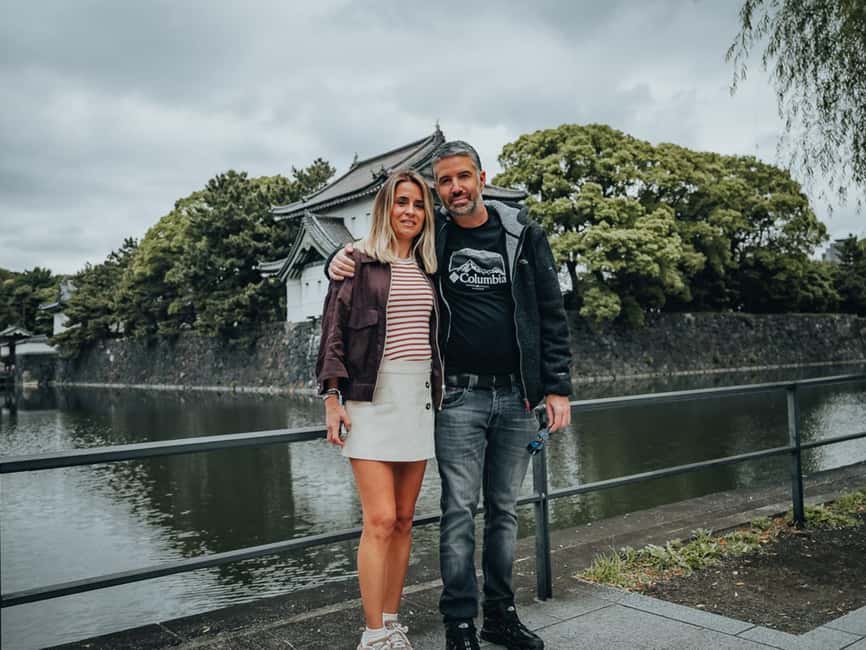
- Market days matter: Tsukiji is generally closed Wednesdays and Sundays, with the Imperial Palace or Hamarikyu Garden used instead.
Why a private guide helps in Tokyo

Tokyo rewards curiosity, but it can punish poor planning. Stations are large, signs may be hard to read, and a short distance on a map can involve a long walk, a platform change, and a hunt for the correct exit.
This is where the tour earns its keep. Your guide meets you at your central Tokyo hotel, discusses what you want to see, and builds the day around it. You are not simply following a flag through a crowd. You can ask for food, temples, shopping, modern pop culture, family stops, or a mix of old and new.
The personal approach matters most on a first visit. Guides have helped families learn the metro, adjusted the pace for children, and changed the order of stops when energy levels shifted. Naoko even made sure two children, ages 10 and 7, were safe in crowded areas. Yeonmi adjusted a route to suit a group’s fitness level, while Mami moved from shrines to anime and electronics when younger visitors needed a change.
That flexibility is the heart of the experience. You still see major Tokyo sights, but the day can feel less like a checklist.
Other walking tours we've reviewed in Tokyo

Choosing between four hours and a full day
The four-hour option is best if you want an introduction rather than a complete sweep of the city. It includes two areas or points of interest, so you might pair Asakusa with another neighborhood, or focus on food and shopping. The shorter format also works well if you have afternoon plans, a dinner reservation, or limited energy for walking.
Do not expect the four-hour version to cover the entire full-day route. Tokyo’s main districts are spread out, and the metro rides take time. Discuss your priorities clearly at the start, then let the guide build a sensible pair of stops.
The full-day option is the better choice for first-time visitors with only a short stay. The listed route begins after hotel pickup and moves through several very different parts of Tokyo. It generally finishes at about 4 PM, giving you the evening to eat, shop, or revisit a favorite area.
The longer tour is also the better value for a group of four to six. The $281 price is charged per group, not per person. For two people, the cost is harder to justify unless the convenience and local help are especially important to you. For a family or group of friends, the per-person cost becomes more reasonable, though you still need to budget for train fares, lunch, entrance fees, and personal purchases.
Tsukiji Market, Tokyo’s best first food stop

If the market is open, Tsukiji is usually the first major stop on the full-day route. The inner wholesale market moved years ago, but Tsukiji’s outer market remains a dense food district with seafood stalls, prepared food, kitchen goods, and small shops.
A guide makes the area easier to understand. Without help, you may see plenty of appealing food but have little idea what it is, how to order it, or which stalls fit your tastes. The tour can turn a confusing walk into a practical introduction to Japanese food culture.
You should expect walking, crowds, and the need to pay attention to vehicles and deliveries. One especially useful part of the experience is learning how to move safely through market lanes rather than treating the area like a regular pedestrian street.
Food is not included, but that is also part of the freedom. You can choose what interests you and pay directly for it. The supplied route includes lunch later at a local restaurant, but lunch for both you and the guide remains your responsibility.
Check the market calendar before you book a particular date. Tsukiji is generally closed on Wednesdays and Sundays, though the official schedule should be checked because opening times can vary. If it is closed, the tour substitutes the Imperial Palace or Hamarikyu Garden.
Asakusa and Senso-ji for old Tokyo atmosphere

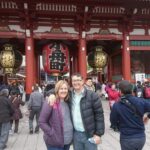
From Tsukiji, the day continues to Asakusa, home of Senso-ji, Tokyo’s largest temple. This is one of the city’s essential stops, but a guide adds useful context to the gates, worship practices, temple grounds, and nearby streets.
You will also walk along Nakamise shopping street, the approach to Senso-ji lined with souvenirs, snacks, and traditional-style goods. It is an easy place to browse, but it can also be crowded and commercial. Your guide can help you understand what is worth looking at and how this shopping street fits into the temple visit.
I like this pairing because Tsukiji and Asakusa show two different sides of everyday Tokyo. One is tied to food and commerce, the other to religious tradition and long-established neighborhood life. The contrast gives the day more shape than a string of unrelated photo stops.
The drawback is that both areas involve plenty of walking and crowds. If you have mobility limits, small children, or a group that tires quickly, tell the guide before setting out. The itinerary can be adjusted, but comfortable shoes are essential.
Lunch with room for your own appetite

After Asakusa, the full-day route includes lunch at a local restaurant. Lunch is not included in the tour price, and you also pay for the guide’s meal.
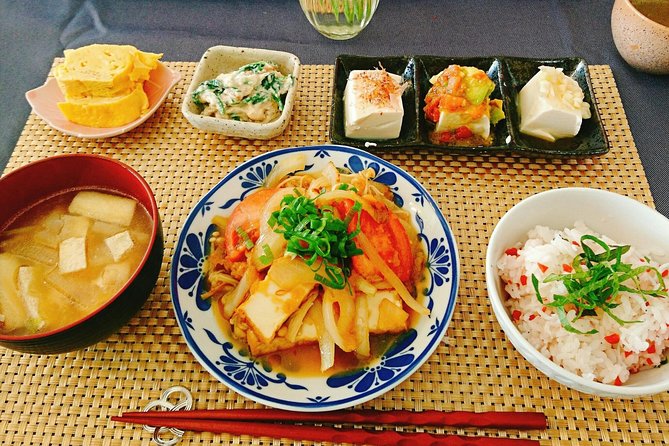
That arrangement keeps the choice flexible. You can ask for a vegetarian option, a family-friendly place, or a particular Japanese food interest. Sachimi, for example, took one group to a vegetable ramen restaurant, while Laila shaped a food-focused route around Ueno.
You should be clear about food preferences at the beginning of the day. The tour description does not promise a set restaurant, menu, or dietary arrangement, so the final choice depends on your requests and the guide’s planning.
Other guided tours in Tokyo



Meiji Shrine and Tokyo’s quieter side

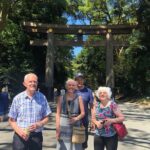
The route then shifts to Meiji Shrine, one of Tokyo’s major Shinto shrines. Set in a wooded shrine setting, it offers a welcome change from the dense streets and shopfronts of the earlier stops.
The value here is not simply taking a picture at a famous gate. Your guide can explain how to behave at a shrine, what you are seeing, and how Shinto customs differ from the Buddhist setting at Senso-ji. That comparison makes the two visits more meaningful.
Meiji Shrine can also be a good reset for families. After market lanes, shopping streets, and metro stations, the pace feels calmer. Still, the approach requires walking, and the full route can be tiring in hot weather or rain.
The tour runs rain or shine. Bring shoes you can comfortably wear for several hours and dress for the forecast. The guide may adjust the order of the day, but poor weather will not automatically cancel the experience.
Takeshita Street and modern Tokyo

The final major stop is Takeshita Street in Harajuku, a useful counterpoint to Meiji Shrine. Here, the focus shifts toward youth fashion, pop culture, and the more playful side of modern Tokyo.
It is a particularly smart stop for families with older children and teenagers. Mami moved her group from traditional shrines to anime and electronics when the children needed a more engaging subject. Other guides have kept children interested by changing the pace and responding to their moods.
Takeshita Street is not a quiet, reflective place. It can feel crowded and commercially driven, and some visitors may prefer more time at the shrine or in a food district. This is exactly why a private tour helps: you can ask for more time where your group is having fun and less time where interest fades.
The full-day itinerary ends at about 4 PM. That timing works well if you want an evening in Shibuya, Shinjuku, or elsewhere, but the tour does not promise to include those areas unless your customized plan replaces other stops.
The metro lesson may be worth the price alone

Tokyo’s train and subway network is efficient, but first-time use can be stressful. Stations have many exits, lines are operated by different companies, and a simple journey may require careful attention to signs and platforms.
Several guides have made metro instruction part of the day. Yeonmi showed a group how the stations worked so they could travel independently later. Mami’s route saved one family time by teaching them how to use the system early in their stay. Hiro also helped a family of five get comfortable with train travel.
That is a practical benefit you carry beyond the tour. You are not just being transported from one sight to another. You can learn how to read the station signs, follow the route, and handle transfers with less worry afterward.
The tradeoff is that you pay your own transportation costs, including the guide’s fare. The exact amount depends on the route, so bring a way to pay for metro or train tickets. Since the tour uses public transportation, it is not a private vehicle sightseeing tour.
A strong choice for families and mixed-age groups

The best match for this tour is a family, couple, or group of friends with different interests. One person may want temples, another may want food, and the children may need shopping or pop culture. A fixed group tour cannot easily balance those needs. A private guide can.
The guides have also adjusted for fitness levels and changing energy. That matters in Tokyo, where a full day can combine long station walks, stairs, crowded streets, and outdoor visits. Tell your guide if you need regular breaks or a slower pace.
Families should also appreciate the personal attention. Guides such as Yuriko, Yeonmi, Yuki, Hiro, Yoko, and Yoshino have been praised for keeping children involved and helping parents manage busy crossings and crowded areas. Yuriko even brought paper to teach children origami on the subway.
Solo visitors can benefit too, especially if it is their first day in Japan. But the group pricing makes the tour easier to justify for several people sharing the fee.
What the $281 price really buys
At $281 per group of up to six, this is not a cheap walking tour. It becomes more attractive when you divide the cost among four, five, or six people, particularly if your group values a custom route and hotel pickup.
You are paying for planning help, an English-speaking guide, private attention, and the ability to change course. You are not paying for lunch, train fares, admissions, or shopping. Those exclusions are normal for a flexible private outing, but they should be included in your day’s budget.
The strongest value comes when you use the guide to solve a real problem: a short Tokyo stay, children with different interests, food questions, or uncertainty about the metro. If you already know the city well and prefer to set your own pace, the price may be harder to defend.
Practical details that affect your day
Hotel pickup and drop-off are included for hotels within Tokyo’s 23 wards. Pickup is not available from Chiba, including Maihama, Kanagawa, including Yokohama, airports, or ports. If you stay outside the eligible area, you must travel to the designated meeting point.
The tour is private, conducted in English, and available for four or eight hours. Starting times depend on availability. You should confirm your preferred sights early, especially if Tsukiji is important to you.
Cancellation is free up to eight days before the tour for a full refund. The tour operates in all weather, so comfortable shoes are the one item specifically called for, and a rain plan is sensible.
Should you book this Tokyo tour?
Book it if you want a custom first day in Tokyo, need help with the metro, or are traveling with children and want the freedom to change plans. It is especially good for a group of up to six that can share the price.
Choose the full day if you want the classic sequence of Tsukiji, Asakusa, Meiji Shrine, and Harajuku in one outing. Choose four hours if you would rather focus on two areas and keep your afternoon open.
Skip it if you want a low-cost, fixed walking tour or if you prefer complete independence. For the right group, though, the guide’s local judgment, family-friendly pacing, and practical Tokyo orientation can save time and frustration while showing you more than you might manage alone.
FAQ
How long is the Tokyo private walking tour?
You can choose a four-hour or eight-hour tour. The four-hour option includes two areas or points of interest. The full-day experience generally finishes at approximately 4 PM.
How many people can join the private tour?
The price covers a private group of up to six people.
Is hotel pickup included?
Yes, pickup and drop-off are included for hotels within Tokyo’s 23 wards. Pickup is not available from hotels in Chiba or Kanagawa, airports, or ports. If you stay outside Tokyo, you must go to the designated meeting point.
Is transportation included in the price?
No. The tour uses public transportation, and you pay transportation fees for yourself and your guide.
Is lunch included?
No. Lunch is not included, and you are responsible for paying for both your meal and the guide’s meal.
What happens if Tsukiji Market is closed?
The tour visits either the Imperial Palace or Hamarikyu Garden instead. Tsukiji is generally closed on Wednesdays and Sundays, but you should check the official market schedule.
What should I bring?
Bring comfortable shoes. The tour involves walking and public transportation, and it operates rain or shine.
More Private Tours in Tokyo


More Guided Tours in Tokyo
More Walking Tours in Tokyo
More tours in Tokyo we've reviewed












Walking Tours, compared.
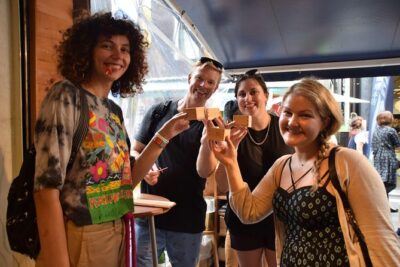 ★ 5.0Tokyo Tsukiji Fish Market Food and Culture Walking TourFrom $99
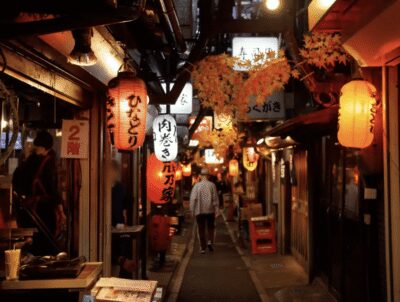 ★ 4.9Tokyo: Shinjuku Local Bar and Izakaya Guided Walking TourFrom $343 hours
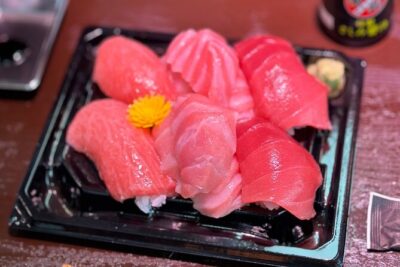 ★ 5.0Tokyo: Tsukiji Fish Market Food and Walking tourFrom $30
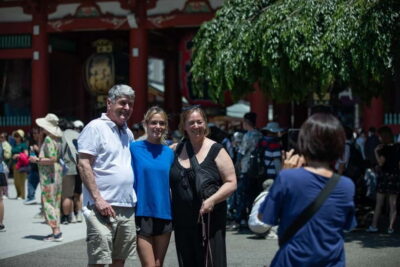 ★ 4.8Tokyo: Asakusa Walking Tour with Sensoji Temple VisitFrom $222 hours
 ★ 4.9Tokyo: Tsukiji Fish Market Guided Walking TourFrom $222 hours
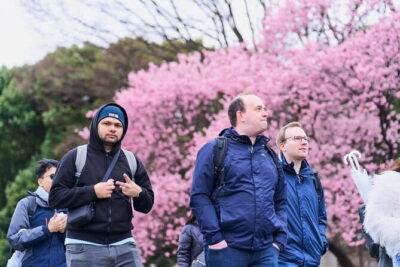 ★ 4.7Tokyo Castle & Imperial PalaceーShogun Walking TourFrom $232 hours