Reviewed · TSUKIJI MARKET TOURS
Tokyo: Toyosu Tuna Auction+Seafood Breakfast/Tsukiji Stroll
Toyosu’s bluefin tuna auction is the main event here. You watch huge fish graded and sold at close range while your guide explains the auction signals, including how three fingers can represent a ¥3 million opening bid. I like the rare look at a working food market, and I like that the morning continues with breakfast and Tsukiji rather than ending after the auction.
In This Article
- Key points to know before booking
- Why the tuna auction is worth the early alarm
- Meeting at Shijomae before sunrise
- Toyosu: a modern market built for efficiency
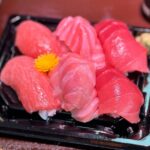
- A seafood breakfast that changes with the catch
- The 30-minute look behind the market
- Moving from Toyosu to Tsukiji
- Tsukiji’s small shops and old market character
- What $128 buys you
- Practical limits you should take seriously
- Who should book this morning
- Should you book the Toyosu and Tsukiji tour?
- FAQ
- Where does the tour begin?
- Is first-floor tuna auction viewing guaranteed?
- What happens if I win the first-floor lottery?
- What food is included?
- Can the tour accommodate vegetarian, halal, gluten-free, or allergy-friendly diets?
- Which days does the tour not operate?
The main drawback is the hour. You may need a hotel near Toyosu, Tsukiji, or Ginza, since public transport may not be running when you leave. The first-floor close-up viewing also depends on a random lottery, so you should book early but not count on winning.
Key points to know before booking

- Bluefin tuna grading comes first: You see the fish and learn how auction staff assess and sell them.
- The first-floor view is not guaranteed: Apply by the fifth day of the previous month for the optional lottery. Everyone else watches from the second floor.
- Breakfast changes with the market: Expect fresh seafood dishes, but the exact meal depends on the catch and restaurant hours.
- Toyosu and Tsukiji feel very different: Toyosu is modern and organized, while Tsukiji is a compact maze of small food and kitchenware shops.
- The morning starts extremely early: Meeting time is 5:15 AM at Shijomae Station, with an optional pickup and drop-off window beginning around 4:20 AM.
- This is best for flexible seafood eaters: Vegetarian, halal, gluten-free, and allergy-friendly diets cannot be accommodated.
Why the tuna auction is worth the early alarm

The tuna auction gives you something that a normal market visit cannot: a look at seafood before it becomes a restaurant meal. The auction floor is a place of sorting, grading, inspection, and fast decisions. Your guide helps turn what could look like a blur of hand signals into a readable process.
The supplied example of three fingers indicating a ¥3 million starting bid shows the scale of the business. These are not small retail purchases. Large bluefin tuna can move through the market at serious prices, then head to restaurants and sushi counters across Tokyo.
You will watch the fish being graded up close, though the exact viewing distance depends on your access level. The regular arrangement is observation from the second floor. That still lets you see the auction, but the optional first-floor lottery offers a much closer view for those selected.
If you want the first-floor option, finish your booking by the fifth day of the previous month. The lottery is random, spots are limited, and selection is not guaranteed. Bring your passport or another ID if you win. If you do not, the tour still includes auction viewing from the second floor, so the morning does not collapse if luck goes elsewhere.
Photography and loud talking are not allowed. That is worth taking seriously. This is a working market, not a staged show, and the rules protect the auction process. Keep your attention on the floor and let the guide explain what you are seeing.
A few more Tokyo tours and experiences worth a look
Meeting at Shijomae before sunrise
The official meeting point is the south exit of Shijomae Station at 5:15 AM. The supplied schedule also describes hotel pickup and drop-off from about 4:20 AM, so confirm your exact arrangement with the guide before the morning itself.
This timing matters. Early trains and buses may not be operating from your neighborhood, and a taxi can add a noticeable cost to a ¥128 tour. Staying near Toyosu, Tsukiji, or Ginza makes the start much easier. Contact the guide in advance with your WhatsApp number and ask for the most practical route from your hotel.
Arrive at least five minutes early. There is no refund for a late arrival or a missed departure, which is a hard rule for a tour built around a fixed auction schedule. Set two alarms, check the route the night before, and carry some cash for personal purchases.
The group is described as small, which should help when the guide is explaining auction signals or leading you through market corridors. You will still be walking at a steady pace, and comfortable shoes are important.
Toyosu: a modern market built for efficiency

Toyosu replaced Tsukiji as Tokyo’s main wholesale fish market, and this tour lets you see its organized, modern side before visiting the older market district. The contrast is one of the best reasons to book the full morning instead of visiting only one location.
The auction section runs from about 5:15 to 6:45 AM. Along with the tuna sale, your guide explains the seasonal auction cycle and points out alternatives during periods when particular seafood is not at its best. That information helps you understand that Tokyo’s seafood culture is not only about famous bluefin tuna. Availability changes, and the best choice on a given day may be something else.
The tour also includes an ingredient processing demonstration. You can watch how market products are handled before they reach restaurants and shops, then hear about the supply chain connecting the auction floor with the meal on your plate. This is a useful bit of context, especially if your only previous market experience has been buying finished sushi.
The guide’s role matters here. Names connected with this experience include Tim, Tome, and Lin, with English and Chinese offered as tour languages. The quality of the morning depends partly on how clearly your assigned guide explains the signs, grading, and movement of seafood through the market, so it is sensible to contact the operator ahead of time if you have language questions.
A seafood breakfast that changes with the catch

From roughly 6:45 to 7:45 AM, you sit down for a market breakfast. The meal is included, but the menu is not fixed. Daily ingredients, vendor availability, and restaurant hours determine what you receive.
Possible dishes include seafood ramen with shrimp and octopus or sushi made with the day’s available fish. That uncertainty is part of the appeal, but it also means you should not book expecting one exact restaurant or dish. The experience is about eating what the market can offer that morning.
I like this timing because the meal follows the auction naturally. You have just seen how seafood is graded and sold, then you taste the result while the market is still part of the scene. It connects the working side of Toyosu with the dining culture that makes Tokyo such a rewarding food city.
The breakfast may be simple rather than a long omakase meal. One guide-led experience included a meal at Yamazaki, a restaurant associated with the Toyosu market after its earlier Tsukiji history, and described the food as fresh and good value. Treat that as an example of what may be arranged, not a guarantee of the restaurant or menu.
Some food tasting activities have age restrictions, so ask before booking if you are bringing a child. Infant meals are not included. The tour cannot accommodate vegetarian, halal, or gluten-free diets, and it is not suitable for people with food allergies. Those limits are significant, not minor footnotes.
The 30-minute look behind the market

After breakfast, the tour continues through Toyosu for about 30 minutes. The focus is on the market’s daily work, including ingredient handling and the path food takes from supplier to restaurant.
This short section is valuable because the auction alone can be hard to interpret. Fish, prices, hand signals, and buyers move quickly. Seeing some of the processing and supply chain afterward gives the auction a practical meaning.
You should not expect a long museum-style explanation or a leisurely shopping period here. The pace is shaped by the next transfer and the market’s operating conditions. The guide may adjust the exact route or stop based on what is happening that day.
The total timing needs a little attention when you book. The description calls the experience a four-hour morning tour, with a pickup and drop-off window beginning around 4:20 AM. Elsewhere, it describes the main program as three hours from 6:00 to 9:00 AM, while the detailed schedule begins at 5:15 AM and finishes near 9:00 AM. Ask the operator to confirm your precise start time, hotel transport, and meeting instructions.

Moving from Toyosu to Tsukiji

At about 8:15 AM, you leave Toyosu for Tsukiji. Transportation costs between the markets are included, and the guide helps arrange the transfer.
That is a small but useful part of the package. Toyosu and Tsukiji are not the same market, and arranging the move yourself during a tightly scheduled morning would add time and uncertainty. The transfer also lets you compare two very different parts of Tokyo’s seafood trade without planning separate visits.
Still, keep your expectations sensible. The move is brief, with about 15 minutes allowed, and it is a transfer rather than a sightseeing stop. You will not have time for a relaxed detour or an extended coffee break.
Tsukiji’s small shops and old market character
The final stop is a 30-minute stroll through Tsukiji. This is not the wholesale auction floor you have just seen. Tsukiji is known here for its smaller shops selling seafood to take home, kitchenware, and other food-related goods.
The appeal is less about one grand sight and more about the details. You might see vendors displaying ingredients, browse knives or cooking tools, and look for a small edible souvenir. The guide can point out seasonal tastings recommended by vendors, and an extra food stall experience may be available only as an add-on to the main tour.
Half an hour goes quickly. If you enjoy shopping, you may wish you had more time to compare kitchenware or stop at several stalls. On the other hand, the short visit keeps the morning moving and gives you a useful introduction to Tsukiji without requiring a full separate outing.
Some tour arrangements have included a matcha latte, which adds a pleasant final touch, but it is not listed as a guaranteed inclusion in the main package. Ask before treating it as part of the price.
What $128 buys you

At $128 per person, this is not a cheap market walk. You are paying for a very early guided start, the auction explanation, a seafood meal, a Toyosu market tour, and transportation to Tsukiji.
The value depends on how much help you want. If you are comfortable navigating Tokyo before dawn, understanding auction rules on your own, choosing breakfast without assistance, and arranging the Toyosu to Tsukiji transfer, you can likely spend less by visiting independently. You would also have more freedom over how long you stay at each market.
The tour earns its price through timing and interpretation. The auction occurs at a fixed hour, the early transport can be awkward, and the guide gives you a framework for understanding what you see. The included breakfast also saves you from paying separately for a market meal, though the exact value depends on the dish served that day.
I see it as good value for a first Tokyo visit if the tuna auction is high on your list and you want the morning organized for you. It is less attractive if you mainly want to shop at Tsukiji, sleep late, or choose your own restaurants.
Practical limits you should take seriously

Wear light but warm clothing. The morning can be cold, and you may spend time waiting or observing rather than walking continuously. Comfortable shoes are essential because the tour includes moderate walking across two market areas.
This experience is not suitable for wheelchair users or people with mobility impairments. It is also listed as unsuitable for people over 70, which likely reflects the pre-dawn start, walking, and market conditions. If that age guidance applies to someone in your group, ask the operator before paying.
Carry cash. You may want to buy seafood, kitchenware, or snacks at Tsukiji, and cash is specifically recommended. Personal travel and accident insurance are not included.
The tour does not operate on fixed no-auction days, including Wednesdays, Sundays, and Japanese public holidays. New Year’s Day, Golden Week, and other dates can affect the market calendar, so check the official schedule and confirm the date before booking.
You can cancel up to 24 hours in advance for a full refund. The more immediate concern is punctuality: late arrival and no-shows do not receive a refund.
Who should book this morning
I would choose this for a seafood enthusiast, a first-time Tokyo visitor who wants expert help, or anyone curious about how a restaurant ingredient moves through a professional market. It also suits people dealing with jet lag, since a 5:15 AM meeting may be easier on your first full day than on a normal morning.
The tour works well for solo visitors and small groups who prefer a planned route. The mix of auction, meal, processing, and Tsukiji gives you more variety than a single-market visit.
I would skip it if you are vegetarian, have serious food allergies, need a gluten-free or halal meal, dislike early mornings, or want a slow shopping trip. The lottery option can improve the auction view, but it should never be the reason you book. The guaranteed experience is the second-floor observation, not first-floor access.
Should you book the Toyosu and Tsukiji tour?
Book it if the tuna auction is a priority and you value a guide who can explain the hand signals, grading, seasonal supply, and route from Toyosu to Tsukiji. The seafood breakfast and market transfer make the ¥128 price easier to justify, especially when early transport would otherwise be a hassle.
Before paying, confirm the exact start time, hotel pickup details, assigned guide, breakfast arrangements, and whether any optional food tasting or matcha drink is included. If you can handle the early alarm and the dietary limits, this is a focused, useful way to see Tokyo’s seafood trade before the city is fully awake.
FAQ
Where does the tour begin?
You meet the guide at the south exit of Shijomae Station. The scheduled meeting time is 5:15 AM, though hotel pickup and drop-off arrangements may begin around 4:20 AM.
Is first-floor tuna auction viewing guaranteed?
No. First-floor viewing is an optional lottery with limited spaces. You must complete your reservation by the fifth day of the previous month to receive help entering it. If you are not selected, you can watch the auction from the second floor.
What happens if I win the first-floor lottery?
Bring your passport or another valid ID on the tour day. Selection is random and cannot be guaranteed.
What food is included?
A fresh seafood breakfast at Toyosu Market is included. The dishes vary with daily ingredient availability and restaurant operating hours. Examples may include seafood ramen or sushi.
Can the tour accommodate vegetarian, halal, gluten-free, or allergy-friendly diets?
No. The tour cannot accommodate vegetarian, halal, or gluten-free dietary requirements and is not suitable for people with food allergies.
Which days does the tour not operate?
The auction does not operate on fixed no-auction days, including Wednesdays, Sundays, and Japanese public holidays. Specific dates can change, so check the official market schedule before booking.
More Tsukiji Market Tours in Tokyo
More tours in Tokyo we've reviewed












Tsukiji Market Tours, compared.
 ★ 5.0Tokyo Tsukiji Fish Market Food and Culture Walking TourFrom $99
 ★ 5.0Tokyo: Tsukiji Fish Market Food and Walking tourFrom $30
 ★ 4.9Tokyo: Tsukiji Fish Market Guided Walking TourFrom $222 hours
 ★ 5.0Tokyo Sushi Making Class in Tsukiji with Professional ChefFrom $49
 ★ 5.0Tsukiji Fish Market Guided Tour and Sushi Making with Pro ChefFrom $104
★ 4.7Tokyo: Tsukiji Fish Market Food and Culture Walking TourFrom $963 hours
★ 5.0Tsukiji Fish Market Guided Tour and Sushi Making with Pro ChefFrom $104
★ 4.7Tokyo: Tsukiji Fish Market Food and Culture Walking TourFrom $963 hours