Reviewed · SHIBUYA TOURS
Make traditional sweets “Nerikiri” and Matcha in Shibuya
Making Nerikiri turns a sweet snack into edible Japanese art. In this small Omotesando class, you shape bean paste and rice flour into four designs, then sit down for matcha and carefully selected sweets from around Japan. I like the mix of clear instruction and creative freedom, and I like that you take your handmade sweets home. The one drawback is the 90-minute format: if you work slowly or bring young children, the making portion may feel brisk.
In This Article
- Key points at a glance
- Shaping Nerikiri in four distinct designs
- What the hands-on lesson feels like
- A table-style matcha service after the sweets
- Why the Omotesando address helps your Tokyo plans
- What the $46 price includes
- Who will get the most from this activity
- A few practical limits to keep in mind
- FAQ
- How long does the Nerikiri and matcha experience last?
- Where do I meet the host?
- What time does the experience start?
- How many Nerikiri sweets will I make?
- Can I take my sweets home?
- Is the tea ceremony formal?
- Is the activity suitable for children?
- Is the experience wheelchair accessible and available in English?
- Should you book this Omotesando sweets class?
I also like the setting. You meet near CHUMS Omotesando, just three minutes from Omotesando Station, then walk about 20 seconds to the studio. Hannah guides the class in English or Japanese and explains the cultural background, with her experience as a professor of Japanese History adding useful context. Children under five cannot join, and the four-person limit means booking early matters.
Key points at a glance
- Four sweets, including your own design: Follow sample shapes, then create one original Nerikiri.
- A small class of up to four: Hannah can give step-by-step help without the feel of a large workshop.
- Matcha served at a table: You learn through a relaxed tea service rather than a formal floor-seated ceremony.
- A smart Omotesando location: Meiji Shrine, Harajuku, Takeshita Street, and Shibuya Crossing fit easily around the class.
- Suitable for many ages and diets: The activity welcomes children five and older, seniors, vegans, and vegetarians.
- Practical booking value: The $46 price includes the class, matcha, premium sweets, and your finished creations.
Shaping Nerikiri in four distinct designs
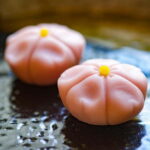
Nerikiri is made from sweet white bean paste mixed with glutinous rice flour or yam. The result is soft and smooth, more like a fine, moldable dough than a baked pastry. That texture lets you pinch, press, and shape it by hand into flowers, leaves, seasonal forms, and playful characters.
You begin by choosing from sample designs. The class includes four styles, with the first three based on examples and the fourth left open for your own idea. This is a good arrangement for beginners. You get enough structure to learn the basic hand movements, but you are not forced to copy someone else from start to finish.
The designs are not just decoration. In Japanese tea culture, Nerikiri often reflects the season, the mood of the gathering, or the character of a particular sweet. A flower-shaped confection can suggest spring, while a leaf or another natural form can point to a different time of year. Your design choices give you a small but direct connection to that way of thinking.
Hannah explains each stage clearly and helps you work through the techniques. This matters because the paste may look easy to shape, but smooth edges and neat details take a light touch. The instruction is step by step rather than a quick demonstration followed by guesswork. A written recipe is also provided, which gives you something useful to keep after the class.
The final sweet is the most personal part. You can make an original Nerikiri instead of simply repeating a sample. That option works well for children, couples, and anyone who enjoys crafts. It also makes this more than a standard cooking lesson. You are learning a traditional method, then deciding how to use it.
Everything you make can be taken home. That is a practical bonus, though you should remember that Nerikiri is a fresh confection rather than a long-lasting souvenir. The activity details do not specify storage or shelf life, so ask Hannah about the best way to handle your sweets after the class.
A few more Tokyo tours and experiences worth a look


What the hands-on lesson feels like
The class is designed to be friendly and approachable. Hannah’s manner is warm and careful, and the small group size gives her room to help each person. With a maximum of four participants, you should have a better chance to ask questions, compare shapes, and get assistance with fiddly details.
The pace should suit most people, but it is still a compact class. The whole activity lasts 90 minutes, and that time covers both sweet-making and the matcha service. If you want a long, leisurely craft session with lots of time for repeated attempts, this may feel short. If you want a focused cultural activity that fits neatly into a Tokyo day, the length works well.
The class welcomes a broad age range, from children five and older to seniors. Young children may need help with the fine handwork, especially during the original design. The experience is also suitable for vegans and vegetarians, a useful point for anyone who finds Japanese sweets and tea activities hard to assess in advance.
There is no smoking during the activity. The location is wheelchair accessible, which removes a concern for many people planning an accessible Tokyo itinerary. The class is offered in English and Japanese.
A table-style matcha service after the sweets
Once the Nerikiri is finished, the mood shifts from handwork to tasting. Hannah serves matcha at a table, alongside a selection of premium Japanese sweets sourced from different parts of Japan. This is a table-style tea ceremony, not a formal ceremony requiring you to sit on the floor or follow a complex set of movements.
That distinction is important. You still get an introduction to the role of matcha and sweets in Japanese culture, but the setting is informal enough for questions and conversation. It gives you a chance to compare flavors and textures rather than simply drink green tea as a final refreshment.
Matcha has a distinct taste that can be grassy, bitter, creamy, or slightly sweet depending on how it is prepared and what you eat with it. Pairing it with Japanese sweets helps balance the bitterness. The selection from around Japan also gives the tasting some range, although the available information does not list the exact sweets or regions for each session.
I like this part because it puts your Nerikiri in context. You are not just making a pretty confection for a photograph. You are seeing how a sweet functions alongside tea and hearing about the customs and history connected to it. Hannah’s background in Japanese History can add another layer here, especially if you enjoy learning why a food is made and served in a particular way.
Why the Omotesando address helps your Tokyo plans
The meeting point is 5-2-21 Jingumae, Shibuya City, Tokyo, in front of the brown building near CHUMS Omotesando. After meeting Hannah there, you walk together for about 20 seconds to the studio. Follow the meeting instructions carefully, since the class begins at the meeting point rather than at a large, obvious attraction.
Omotesando is one of Tokyo’s most stylish areas, with easy links to several major sights. The activity begins at 9:00 AM, 1:00 PM, or 3:30 PM. The morning session can leave your afternoon open for Harajuku and Shibuya. The 1:00 PM session fits well after a morning in another part of Tokyo. The 3:30 PM option works for a late-day cultural stop, though your sightseeing time afterward will be shorter.
Meiji Shrine is within walking distance, as are Takeshita Street and the wider Harajuku area. Shibuya Crossing is also close enough to combine with the class. You should allow yourself enough time to reach the meeting point, particularly if you are coming from another part of the city. The exact meeting instructions are more useful than simply entering the studio address into a map.
This central setting also makes the class a good choice for a day when you want a break from Tokyo’s big streets and major sights. The activity is quiet, seated, and personal. You get a cultural experience without spending half a day traveling out to a separate district.
What the $46 price includes
At $46 per person, the price is reasonable if you value instruction, a small group, and the tasting portion. You are paying for a 90-minute class, four Nerikiri styles, matcha, premium Japanese sweets, cultural explanation, and the sweets you create. It is not simply a snack stop where you watch someone else work.
The strongest value comes from the combination of activities. A short cooking lesson alone might feel expensive, while a tea tasting alone might feel brief. Together, the two parts create a fuller experience. You learn a technique, make something tangible, then taste Japanese sweets in a setting that explains their place in tea culture.
The four-person limit also helps explain the price. Hannah can guide each participant carefully rather than managing a crowded room. This is especially useful if you are nervous about shaping the sweets or if you want to ask questions in English.
The tradeoff is time. Ninety minutes is enough for a clear introduction, but not a full course in Japanese confectionery. You should book this for a compact cultural activity, not for advanced pastry training or an all-afternoon workshop.
Free cancellation is available up to 24 hours before the start time for a full refund. You can also reserve and pay later, which helps if your Tokyo schedule is still shifting.
A few more Tokyo tours and experiences worth a look



Who will get the most from this activity
This class suits couples looking for a shared activity, families with children aged five and over, and solo visitors who prefer a small group. It also makes a thoughtful birthday gift. One couple used it as a birthday present, and the format makes sense for that purpose: you learn together, make something personal, and finish with tea.
It is a good match for anyone interested in Japanese food beyond sushi and ramen. Nerikiri shows a quieter side of Japanese food culture, where shape, season, texture, and presentation matter as much as sweetness.
I would also recommend it to people who enjoy history and explanation. Hannah’s teaching style includes cultural and historical background, and her academic experience can make the tea and confectionery traditions easier to understand.
Families should consider the fine motor work and the 90-minute length. Children who enjoy crafts should have fun, but children under five are not allowed. The activity is suitable for vegans and vegetarians, though anyone with allergies should confirm ingredients directly before booking because the provided information does not list allergen details.
A few practical limits to keep in mind
The class is hands-on, so you will be shaping the sweets yourself rather than watching a professional make everything. That is the point, but it also means your finished pieces may not look exactly like the samples. Take the pressure off. The value is in learning the method and making your own design, not producing a shop-window display.
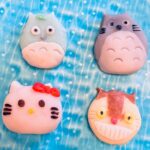
The seasonal and character options sound varied, but the exact sample designs can change. You choose from the designs available during your session, then create an original piece. If you have a particular character or motif in mind, do not assume it will be offered.
The meeting point is close to Omotesando Station, but you still need to identify CHUMS Omotesando and the brown building correctly. The final walk is only about 20 seconds, so the main challenge is reaching the right meeting spot.
The class has a perfect rating from seven verified bookings, with repeated praise for Hannah’s kindness, clear explanations, and careful help. Those are the qualities I would consider most important here, since the experience depends heavily on patient instruction. Still, seven ratings are a small sample, so I would treat the rating as encouraging rather than as a guarantee of every session.
FAQ
How long does the Nerikiri and matcha experience last?
The activity lasts 90 minutes.
Where do I meet the host?
Meet at 5-2-21 Jingumae, Shibuya City, Tokyo, in front of CHUMS Omotesando, near the brown building. From there, you walk with the host for about 20 seconds to the studio.
What time does the experience start?
Starting times are 9:00 AM, 1:00 PM, and 3:30 PM.
How many Nerikiri sweets will I make?
The session includes four styles. You make three shapes based on sample designs and then create one original design.
Can I take my sweets home?
Yes. Everything you make during the activity can be taken home.
Is the tea ceremony formal?
It is a table-style tea ceremony. Matcha is served with a selection of premium Japanese sweets.
Is the activity suitable for children?
Children under five are not permitted. The activity is suitable for children aged five and older, as well as seniors.
Is the experience wheelchair accessible and available in English?
Yes. The location is wheelchair accessible, and the activity is offered in English and Japanese.
Should you book this Omotesando sweets class?
Book it if you want a small, friendly introduction to Japanese confectionery, especially if you enjoy making things with your hands. The combination of four Nerikiri designs, your own creative piece, matcha, and premium sweets gives the $46 price solid value.
I would choose the 9:00 AM or 1:00 PM session if you want to pair it with Meiji Shrine, Harajuku, or Shibuya Crossing. Choose the 3:30 PM time if you prefer a relaxed late-day activity. Skip it only if you want a long technical pastry lesson, a formal floor-seated tea ceremony, or a completely unstructured workshop. For most visitors seeking a personal cultural activity in central Tokyo, this is a well-sized and thoughtfully planned choice.
More Dessert Tours in Tokyo


More Tea Ceremony & Matcha in Tokyo
More Shibuya Tours in Tokyo



More tours in Tokyo we've reviewed












Shibuya Tours, compared.
 ★ 5.0Official Street Go-Kart in ShibuyaFrom $76
 ★ 5.0Shibuya Meltdown Nightlife Tour: All-You-Can-Drink Bar HoppingFrom $106
 ★ 4.9Tokyo: Street Kart Experience in ShibuyaFrom $99
 ★ 5.0Shibuya Official Street Go-Kart in Shibuya AnnexFrom $69
 ★ 5.0Tokyo: Shibuya Food Tour (13 dishes and 4 Eateries)From $77
 ★ 5.0Best of Shibuya Food TourFrom $217