Reviewed · GUIDED
Hidden Tokyo: Explore Kitchen Street with a Local Guide
Kappabashi is Tokyo’s kitchen-supply district, but its best shops can be easy to miss. This private walk takes you from Tawaramachi Station into a focused run of knife, tableware, glass, ironware, and food-sample shops. The star attraction is Japanese craftsmanship, including rare water-hardened knives made with techniques linked to samurai sword forging.
In This Article
- Key points at a glance
- Why Kappabashi is worth two hours
- Starting at Tawaramachi Station, Exit 3
- Dengama and Majimaya: beginning with Japanese table culture
- TSUCHI-YA and Hashitou: glassware, chopsticks, and small details
- Iidaya and Tsubaya: where the knife lesson becomes serious
- Ganso Shokuhin Sample-ya: Tokyo’s edible-looking souvenirs
- Musashi Japan: knives and sake in one final stop
- What makes Hirose-san’s local guidance useful
- Price, pace, and what you actually receive
- Who should book this Kappabashi walk
- Should you book Hidden Tokyo?
- FAQ
- Where does the tour meet?
- How long does the experience last?
- What languages does the guide speak?
- Is the tour private?
- What does the $19 price include?
- Are purchases included?
- Are transportation costs included?
- Which shops are visited?
- Can I learn about Japanese knives?
- Can I cancel for a refund?
I like the way this tour turns shopping into a lesson, especially when you handle a knife or piece of tableware and learn what makes it Japanese-made. I also like the local angle: Hirose-san, who was born and raised in Asakusa, can add neighborhood stories and practical suggestions for food and sightseeing. The main consideration is that shopping costs are extra, so the $19 fee covers the guide and walk, not your souvenirs.
Key points at a glance
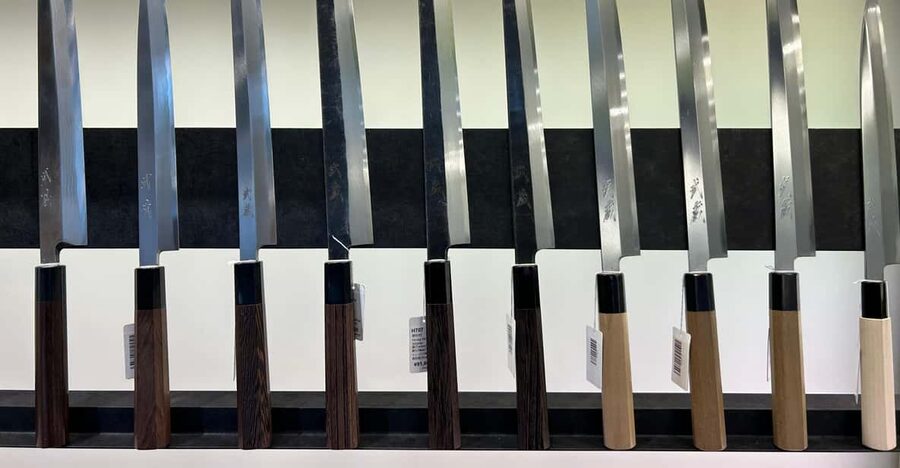
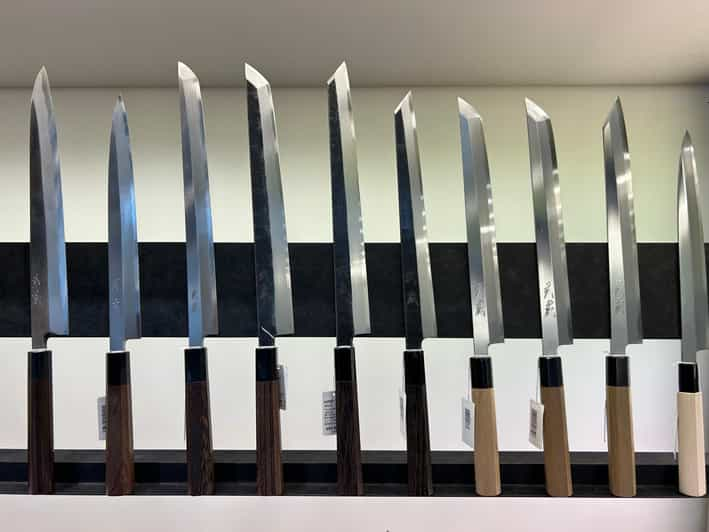
- Rare Japanese knives: See honyaki knives and learn about water-hardening, a demanding method used by skilled craftsmen.
- Eight focused stops: The route includes knife shops, tableware stores, glassware, ironware, chopsticks, and realistic food samples.
- Private two-hour format: You get a personal guide rather than a large group moving through the shops.
- Local Asakusa connection: Hirose-san can share stories about local festivals and suggest places to eat nearby.
- Useful for non-shoppers: Even if you buy nothing, you can learn how Japanese kitchen goods are made and used.
- Simple meeting point: Meet at Tawaramachi Station, Exit 3, where the guide carries a GetYourGuide sign.
Why Kappabashi is worth two hours
Kappabashi is not a typical sightseeing street lined with temples and viewpoints. It is a working shopping area built around professional cooking supplies. Restaurants and food businesses come here for knives, dishes, pans, chopsticks, signs, food models, and small tools that are difficult to find in ordinary department stores.
That practical purpose gives the district its character. You are not only looking at souvenirs made for tourists. You are seeing objects designed for daily use in Japanese kitchens and restaurants. A small bowl, wooden chopstick set, or iron pan can carry more meaning than a generic Tokyo souvenir because it connects directly to how food is prepared and served.
I find the area most rewarding when you slow down and look closely. A knife may have a particular steel construction. A bowl may be made for one type of dish. A food sample may use a clever method to show texture and color. The guide helps explain these differences before you spend money.
The $19 price is reasonable if you want direction and interpretation. Kappabashi is easy enough to visit on your own, but the range of shops can make independent browsing unfocused. A private guide can save time by taking you to specific stores and explaining what deserves attention.
Other guided tours in Tokyo
Starting at Tawaramachi Station, Exit 3
The meeting point is Exit 3 of Tawaramachi Station. Look for the guide holding a sign marked GetYourGuide. The station location puts you near the southern end of the Kappabashi area, so you can begin walking toward the specialist shops without spending time finding the district.
The tour lasts two hours, with about 15 minutes at each listed stop. That rhythm keeps the walk moving, but it also means you should tell Hirose-san early if you want extra time with a particular product. A private group offers more room for questions than a set large-group walk.
Wear comfortable shoes. The experience is walking based, and the route includes eight shops. You will also want a little space in your bag for purchases, although the cost of anything you buy is separate.
The guide speaks Japanese, English, and German. This matters in a district where product labels and specialist terms may not always be easy to understand. Hirose-san has also been praised for taking time with explanations and for being especially warm with families and children.
Dengama and Majimaya: beginning with Japanese table culture
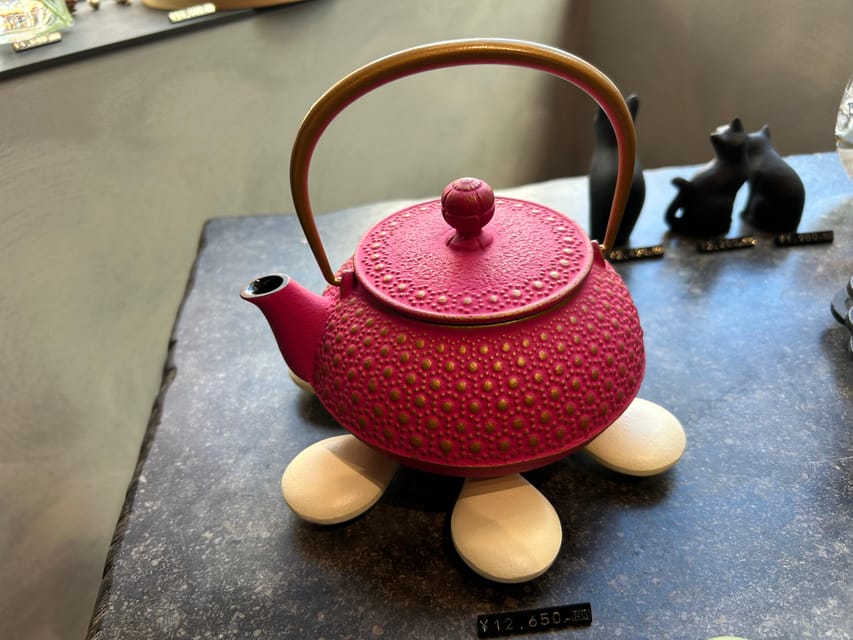
The first stop is Dengama, where the focus is guided browsing and shopping. The available information does not specify one single product line for this shop, so think of it as an introduction to the kind of tableware and cooking goods found in Kappabashi.
This is where I would begin forming a shopping plan. Look at size, weight, finish, and intended use. If you like Japanese food, tableware can be a practical souvenir because it connects to dishes you already know: small plates, serving pieces, bowls, and other items that can be used at home.
Majimaya follows with another 15-minute stop. The value here is comparison. Two nearby shops may carry similar categories but different styles, materials, or price points. Rather than buying at the first counter, ask Hirose-san what separates the choices.
You may find products that are only available in this Asakusa Kappabashi shopping area. The key is to ask before purchasing, since the special value may be in the local availability or traditional production rather than in a famous brand name.
TSUCHI-YA and Hashitou: glassware, chopsticks, and small details
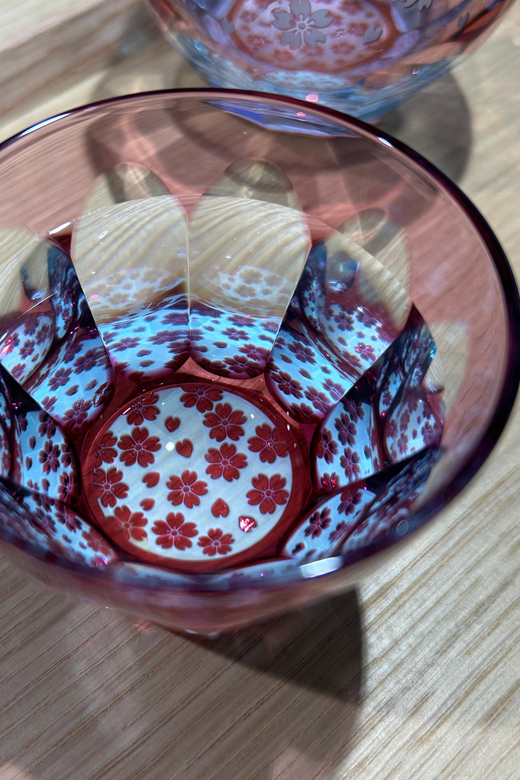
TSUCHI-YA, listed as TSUCHI-YA Glassware and Craft, brings a different feel to the route. Here you can examine glass dishes and craft items. Glassware is often more delicate to carry than cloth or packaged food, so consider your luggage before buying.
The stop is useful even if you do not shop. Glass reveals how much visual character can come from a simple serving object. A plate or bowl can change how food looks, and the guide can help explain the difference between an attractive piece and one that suits your practical needs.
Hashitou adds another part of Japanese dining culture. The name points to chopsticks, and this is a good place to think about shape, length, finish, and intended use. Chopsticks make easy souvenirs because they are compact and usually simpler to pack than ceramics or ironware.
Still, do not assume every pair is interchangeable. Ask about the material and care instructions. If you are buying for someone else, the guide can help you choose something that feels like a useful gift rather than a random decorative item.
Iidaya and Tsubaya: where the knife lesson becomes serious
Iidaya is another guided shopping stop among Kappabashi’s specialist stores. The route gives you time to compare products across several shops instead of treating the district as one large store. That is important if you are searching for a particular type of kitchen tool or table setting.
The most specialized knife stop is つば屋庖丁店, also known as Cutlery Tsubaya. Japanese knives are not simply attractive souvenirs. They are working tools, and their steel, shape, edge, maintenance needs, and intended food all matter.
The tour explains how sword techniques passed down into Japanese knife making. Honyaki knives are made from a single piece of steel punched from a block, following a forging approach associated with Japanese swords. The process requires skill, and the finished knife can have a clean, refined appearance.
You may also learn about water-hardened knives sold in Kappabashi. These are described as extremely rare because water hardening demands advanced technique. This is a valuable part of the experience for anyone interested in craft, even if the price of a serious knife is beyond your souvenir budget.
I would not buy a knife simply because it looks beautiful. Ask what it is designed to cut, how it should be sharpened, and what maintenance it requires. A guide can help you understand the object, but you should still choose within your own cooking habits and budget.


Ganso Shokuhin Sample-ya: Tokyo’s edible-looking souvenirs
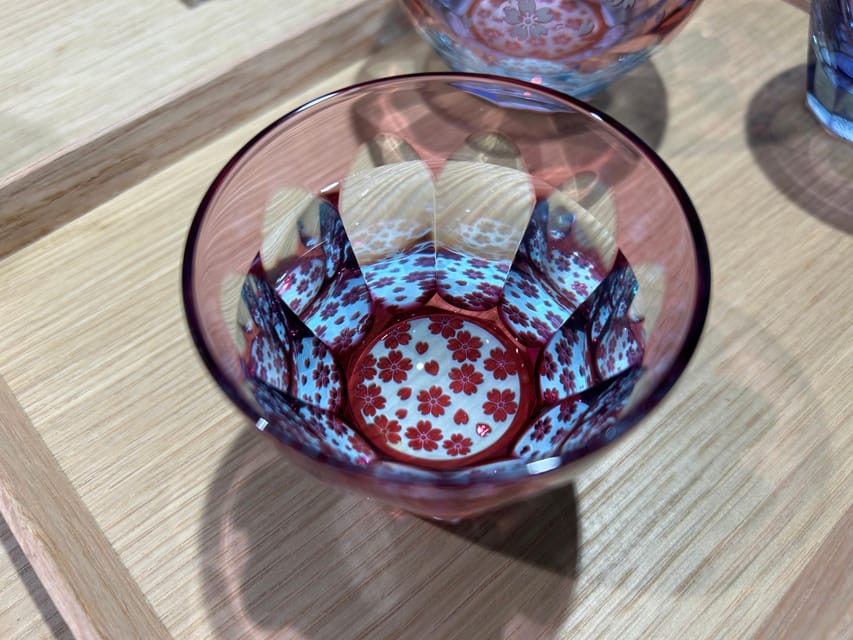
Ganso Shokuhin Sample-ya Kappabashi Showroom is one of the most playful stops. It specializes in Japanese food samples, the realistic plastic or wax-like displays used to show restaurant dishes. They can look remarkably close to actual food, which is why they make memorable souvenirs.
This stop gives the tour a lighter change of pace after the serious knife discussion. You can see how familiar dishes are represented as objects, and you might find something small and unusual to take home.
Food samples are also a good choice if you want a Kappabashi souvenir but do not want fragile ceramics or a heavy iron pan. Check the size and packaging before you buy. Some pieces may be compact, while others are better suited to display than to travel.
For children, this may be one of the easiest stops to enjoy. The tour has been described as suitable for families, and the food samples offer an immediate visual hook without requiring technical knowledge.
Musashi Japan: knives and sake in one final stop
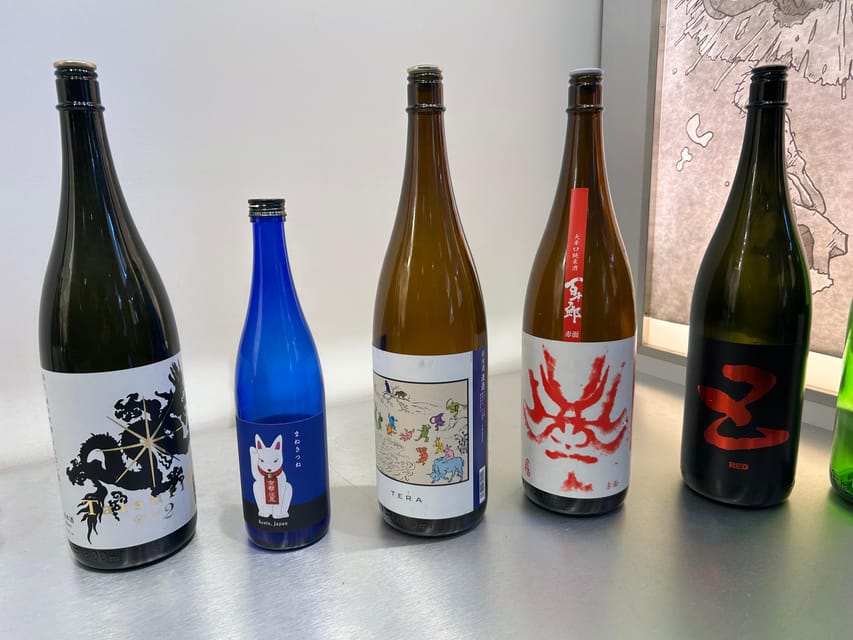
The final listed shop is MUSASHI JAPAN Kappabashi, a knife and sake shop. It brings two Japanese traditions together: kitchen blades and serving culture. If you have been comparing knives throughout the route, this is a useful final chance to ask questions before making a decision.
The sake connection also shows why Kappabashi is more than a knife district. Japanese dining involves the complete setting, from preparation to presentation and serving. A sake-related item, tableware piece, or pair of chopsticks can give you a more manageable souvenir than a large cooking tool.
The timing is worth noting. With roughly 15 minutes at each of eight stops, you will not have unlimited time to study every shelf. The private format helps because Hirose-san can adjust explanations and guide you toward products that match your interest, but you should identify your priorities at the start.
What makes Hirose-san’s local guidance useful
Hirose-san, also identified as Hirose Kazuo, brings a local Asakusa connection to the walk. He was born and raised in Asakusa and can talk about the Sanja Matsuri, one of the area’s important festivals. That kind of neighborhood context adds something that a product-only shopping trip would miss.
The guidance also extends beyond kitchen goods. You can ask for suggestions about activities and restaurants in Tokyo, with particular help around Asakusa. A recommended soba restaurant was singled out as a memorable part of one visitor’s day, especially because dining there with a local made the place feel easier to approach.
That does not mean a restaurant meal is guaranteed as part of the tour. It is an example of the practical local advice you may receive, and you should treat any food stop as a suggestion after the walk unless your booking details say otherwise.
Hirose-san has also been praised for being patient, kind, and willing to spend time explaining details. For a private experience, that personal pace is one of the strongest reasons to book.
Price, pace, and what you actually receive
At $19 per person, the tour includes the guide and walking route. It does not include anything you buy in the shops or transportation expenses. The price is therefore best judged as a fee for interpretation, route planning, and personal attention.
If you already know Kappabashi and have a full shopping list, you may prefer to explore alone. You can spend your own time comparing prices and returning to stores. But if this is your first visit, the guide can help you make better use of two hours and avoid wandering past specialist shops without understanding what they sell.
The private group format improves the value. You can ask about knives, tableware, food samples, or local dining without waiting for a large group to catch up. It also suits families, since the guide can explain products at a pace that works for children.
The tour is not a bargain shopping promise. There is no indication that the guide secures discounts. Think of it as a compact introduction to Japanese kitchen culture, with shopping built into the experience.
You can cancel up to 24 hours before the start for a full refund, and you can reserve now and pay later. Starting times vary, so check availability when you choose a date.
Who should book this Kappabashi walk
I would recommend this tour to first-time visitors who want more than a quick look at souvenir shops. It is especially suitable if you are interested in Japanese knives, cooking, ceramics, glassware, chopsticks, or restaurant culture.
Families can also benefit from the private setup and the food-sample stop. The mix of serious craftsmanship and amusing displays keeps the two hours from feeling like a technical lecture.
You should also consider it if you want local Asakusa advice. Hirose-san’s neighborhood background and restaurant suggestions can help you plan the rest of your day.
I would be less likely to recommend it to someone who wants a long, unhurried shopping session. Eight stops in two hours is efficient, not leisurely. If you plan to inspect and buy an expensive knife, you may need to return to a shop after the tour or accept that the visit will only begin your research.
Should you book Hidden Tokyo?
Book it if you want a focused introduction to Kappabashi, help understanding Japanese-made goods, and a private guide who can connect the shopping district with everyday Asakusa. The rare water-hardened knives, traditional knife-making story, and food-sample showroom give the route plenty of character.
Skip it if you already know the area well or want to browse without a schedule. For most first-time visitors, though, $19 is a fair price for two hours of direction, translation, and local context. Meet at Tawaramachi Station, bring comfortable shoes, and decide before you arrive whether your main interest is knives, tableware, or unusual souvenirs.
FAQ
Where does the tour meet?
Meet at Tawaramachi metro station, Exit 3. The guide will hold a sign stating GetYourGuide.
How long does the experience last?
The walking tour lasts two hours.
What languages does the guide speak?
The tour is available in Japanese, English, and German.
Is the tour private?
Yes. It is offered as a private group experience.
What does the $19 price include?
The price includes the tour guide and the walking tour.
Are purchases included?
No. Any knives, tableware, chopsticks, food samples, or other items you buy at the shops cost extra.
Are transportation costs included?
No. Transportation expenses are self-paid.
Which shops are visited?
The route includes Dengama, Majimaya, TSUCHI-YA Glassware and Craft, Hashitou, Iidaya, Cutlery Tsubaya, Ganso Shokuhin Sample-ya Kappabashi Showroom, and MUSASHI JAPAN Kappabashi.
Can I learn about Japanese knives?
Yes. The tour covers Japanese knife craftsmanship, including honyaki knives and rare water-hardened knives.
Can I cancel for a refund?
Yes. You can cancel up to 24 hours in advance for a full refund.
More Guided Tours in Tokyo


More tours in Tokyo we've reviewed












Guided, compared.
 ★ 5.0Tokyo 6hr Private Tour with Government-Licensed GuideFrom $155
 ★ 4.9Tokyo: Shinjuku Local Bar and Izakaya Guided Walking TourFrom $343 hours
 ★ 4.8Tokyo: Private City Highlights Tour with Local GuideFrom $1064 - 8 hours
 ★ 4.9Tokyo: Tsukiji Fish Market Guided Walking TourFrom $222 hours
 ★ 5.0Tokyo 4hr Private Tour with Government-Licensed GuideFrom $109
 ★ 5.0Tokyo Guided Small-Group Biking TourFrom $106