Reviewed · SHIBUYA TOURS
Make Traditional Nerikiri Sweets & Matcha experience in Shibuya
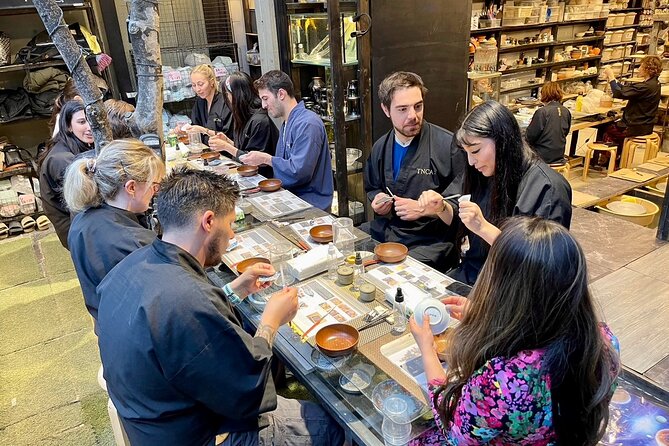
The most appealing part of this 90-minute Harajuku-area class is that you do not simply watch a demonstration. You shape four nerikiri sweets yourself, starting with three sample designs and finishing with one of your own. Hana then serves matcha and Japanese sweets in her home, turning a cooking lesson into a calm look at everyday life in central Tokyo.
In This Article
- Key points at a glance
- Shaping nerikiri instead of just eating it
- A small Tokyo home near Omotesando
- What the 90-minute class feels like
- Why Hana makes a difference
- Matcha without a formal ceremony hall
- A useful activity for families and mixed-age groups
- Choosing the right time: 9:00, 1:00, or 3:30
- Is $60 good value?
- Getting more from the surrounding area
- Practical details before you book
- Who should book this class?
- Should you book Make Traditional Nerikiri Sweets & Matcha?
- FAQ
- How long does the nerikiri and matcha experience last?
- Where does the experience meet?
- How many people can join the class?
- How many sweets will I make?
- Can I take the sweets home?
- What start times are available?
I like the small group limit of four, which gives Hana time to help each person with fine details. I also like the useful timing: the 9:00 AM class gets you finished before many shops open, leaving the rest of the day for Meiji Shrine, Takeshita Street, or Shibuya Crossing. The main consideration is price: at $60 per person, this is not a cheap snack stop, though the hands-on lesson, four sweets, tea, and personal instruction make it more substantial than a quick tasting.
Key points at a glance
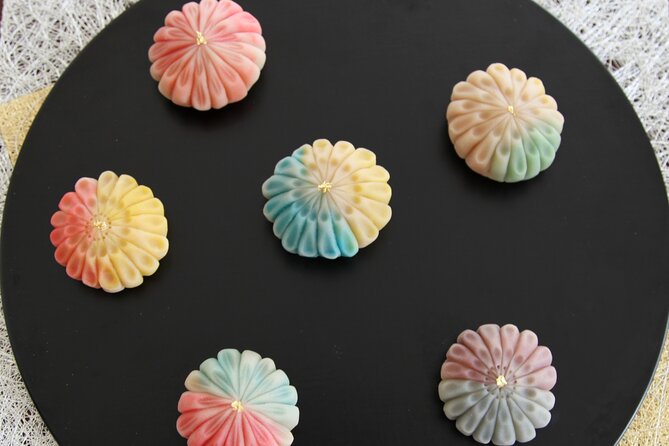
- Four sweets to shape and keep: Make three designs based on examples, then create one original nerikiri.
- A home setting near Omotesando: Meet across from CHUMS Omotesando and walk about 30 seconds to Hana’s home.
- Small groups matter: The maximum is four people, allowing close help with colors, tools, and decoration.
- Matcha is part of the lesson: Finish with a table-style tea ceremony and freshly prepared matcha.
- Good for mixed ages: Children as young as seven and older adults have taken part, with patient guidance.
- Easy morning start: Choose from 9:00 AM, 1:00 PM, or 3:30 PM, with the early slot best for a full sightseeing day.
Shaping nerikiri instead of just eating it
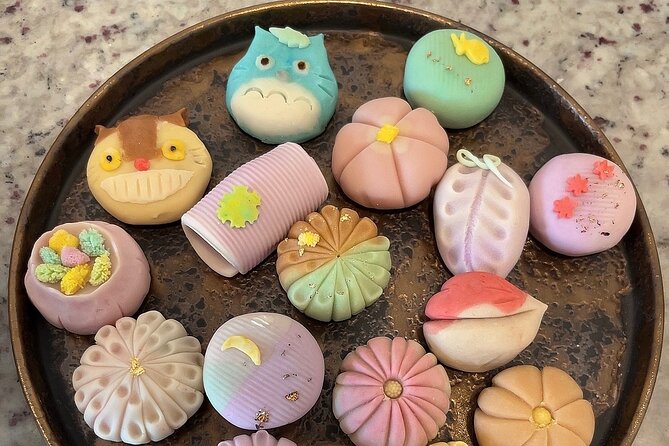
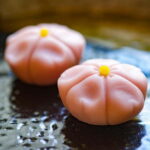
Nerikiri is a traditional Japanese confection made from bean paste, sugar, and other ingredients. Its appeal is visual as much as culinary. These sweets are formed into flowers, seasonal motifs, animals, and other small designs, so the lesson asks you to pay attention to shape, color, texture, and proportion.
You begin by choosing three designs from a selection of examples. Hana demonstrates the techniques, then guides you as you work through each piece. The process is made for beginners, but it still gives you enough detail to feel like you are learning a real craft rather than assembling a novelty snack.
The final sweet is your own design. This is where the class becomes more personal. You can copy a favorite character, build a simple flower, or try something entirely new. Past creations have included cherry blossoms, pumpkins, Hello Kitty, Totoro, Pikachu, and original animals and characters. You do not need to arrive with artistic skill. Hana’s role is to simplify complicated-looking work and help you correct small mistakes without taking over.
That balance matters. A class like this can become frustrating if the instructor makes every piece for you or moves too quickly. Here, the emphasis is on your hands doing the work. The finished sweets may not look exactly like Hana’s examples, but that is part of the charm.
A few more Tokyo tours and experiences worth a look


A small Tokyo home near Omotesando
The meeting point is at 5-chōme-2-21 Jingūmae, Shibuya, Tokyo 150-0001. You meet across from CHUMS Omotesando, in front of the brown building, and walk with Hana for about 30 seconds to her place.
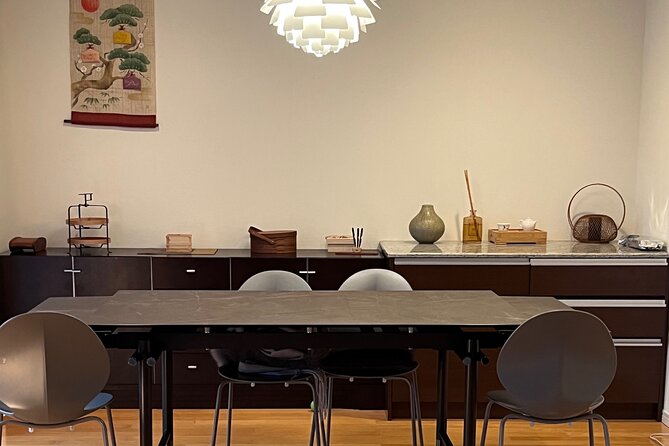
This arrangement gives the activity a different feel from a class in a large commercial studio. You get a glimpse of how an inner-city Tokyo resident lives, while still being in one of the city’s most polished areas. The home setting is especially useful for anyone curious about daily Japanese life beyond temples, department stores, and busy train stations.
You should pay close attention to the meeting instructions. The class takes place in a private home, and the short walk together is part of the arrival process. The experience ends back at the meeting point, so you can continue sightseeing without arranging another transfer.
Omotesando Station is about a three-minute walk away. Shibuya and Harajuku are also within walking distance, giving you several easy plans after class. The neighborhood is convenient, but it is also stylish and central, so you are paying partly for location as well as for the lesson itself.
What the 90-minute class feels like
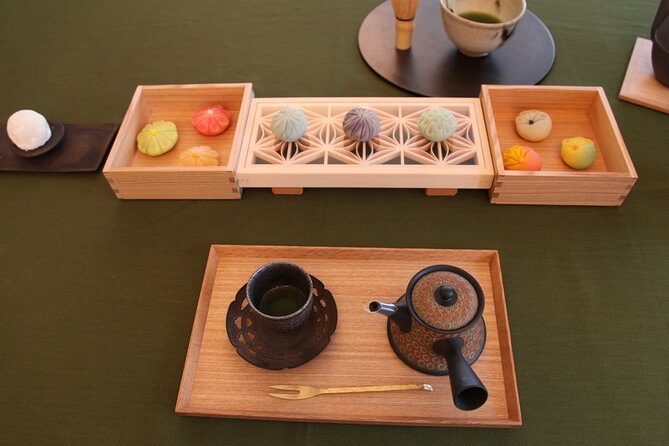
The class follows a clear rhythm. First comes the introduction to nerikiri and the sample designs. Hana explains how the sweets are formed and colored, then shows you the basic movements needed to create the shapes.
Next, you make three sweets based on the selected examples. This gives you a chance to practice before inventing your own design. The first pieces may feel awkward, especially when you are trying to make a clean flower petal or a neat character face. Hana’s patient, step-by-step approach helps keep the work relaxed.
You then make a fourth sweet using your own idea. This is usually the most memorable part because it shows how much you have picked up during the earlier pieces. You can also take everything you make home with you, so the result becomes a souvenir rather than something eaten and forgotten before the next train ride.
The class then shifts from sweet-making to matcha. Hana prepares and serves the tea as part of a table-style tea ceremony, with carefully selected Japanese sweets sourced from different parts of Japan. The tea segment gives context to the sweets. You are not only learning how to shape them, but also how they fit into Japanese food culture and presentation.
The total time is approximately one hour and 30 minutes. That is long enough for a proper activity, but short enough to fit into a busy Tokyo schedule.
Why Hana makes a difference
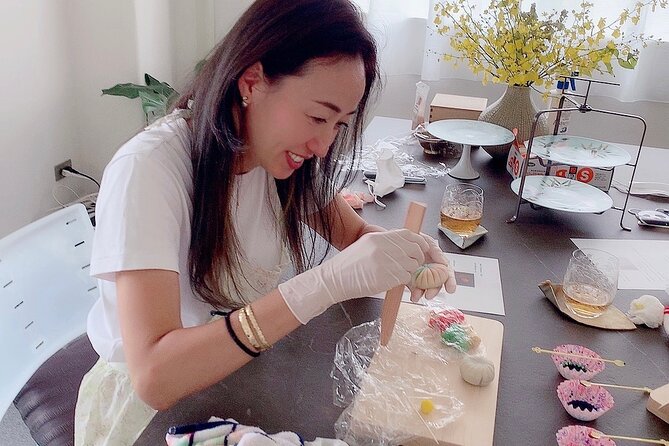
Hana is the instructor and host, and her teaching style is one of the strongest reasons to book this class. She speaks English and Japanese fluently and has lived in the United States, which can make explanations easier for English-speaking visitors.
Her approach is patient and encouraging. She works with children, adults, families, grandparents, and first-time visitors who may feel unsure about their artistic ability. Several families have brought children aged seven, ten, eleven, thirteen, and fourteen. The class is structured so younger participants can receive extra help while adults continue working on their own sweets.
Hana also adds practical Tokyo advice to the visit. She has suggested places to eat, shop, and visit after class, including local ideas connected with later stops in Japan. That advice is a pleasant extra, though you should view it as informal help rather than a separate guided tour.
Her warmth also suits visitors who want conversation along with instruction. The class is not a silent craft session. You have room to ask questions about Japanese sweets, tea, local customs, and the rest of your trip.
Matcha without a formal ceremony hall
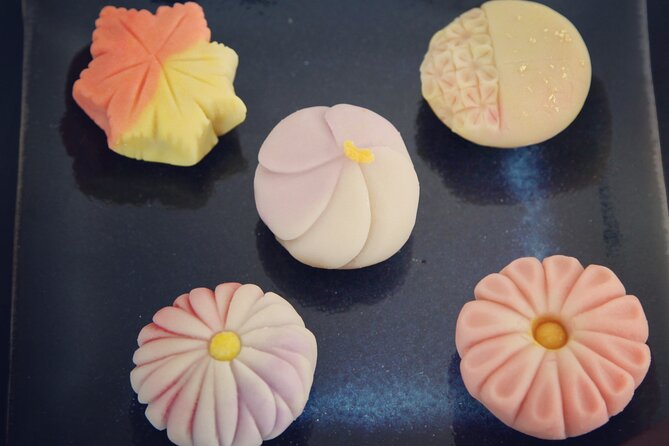
This is not presented as a long, formal tea-school ceremony. Instead, you learn matcha preparation and etiquette in a table-style setting at Hana’s home.
That makes the experience approachable. You can learn the basic actions, understand how matcha is served with sweets, and take part without needing prior knowledge of tea customs. The setting also keeps the focus on participation rather than strict performance.
The selected sweets served with the matcha add variety beyond the four pieces you make. Some visitors have especially enjoyed the pairing of tea and small Japanese treats. If you are curious about the taste of matcha, this is a gentler introduction than ordering a sweetened matcha drink at a café.
The tea can be an important part of the experience for families, too. Children may be most excited by the colorful nerikiri, while adults often appreciate the slower pace and the chance to learn how tea and sweets are presented together.
A few more Tokyo tours and experiences worth a look



A useful activity for families and mixed-age groups
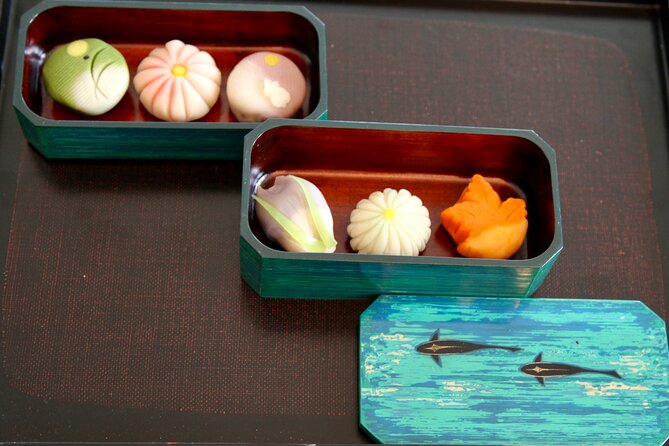
The class suits a wide range of ages. Children can focus on recognizable designs such as Pikachu, Hello Kitty, or Totoro, while adults can try seasonal flowers or more abstract shapes. Grandparents and grandchildren can work side by side without needing the same level of skill.
The activity is also suitable for vegans and vegetarians, according to the provided information. If you have another dietary concern, tell Hana in advance. One visitor with halal concerns contacted her about alcohol-containing ingredients and received follow-up information about possible substitutions. That is a useful reminder to raise food questions before the class rather than at the table.
The class does involve detailed handwork. If you prefer a fast-paced food tour with lots of tasting, this may feel slow. If you enjoy making something carefully and taking it with you, the pace is a strength.
Choosing the right time: 9:00, 1:00, or 3:30
You can select a 9:00 AM, 1:00 PM, or 3:30 PM start.
I would choose 9:00 AM if you want to make the most of your day. Many shops in the area open around 11:00 AM, so the class fills an otherwise quiet part of the morning. Afterward, you can walk toward Meiji Shrine or Takeshita Street, continue into Shibuya, or plan lunch nearby.
The 1:00 PM session works well as an afternoon break after morning sightseeing. It places you near Harajuku and Omotesando during shopping hours, so you can continue browsing afterward.
The 3:30 PM class is a good fit if you want a slower end to the day. Keep the 90-minute duration in mind when planning dinner or another timed activity. Since the class finishes back at the meeting point, you can easily continue toward Shibuya, but you should allow enough time for city traffic and train connections.
Is $60 good value?
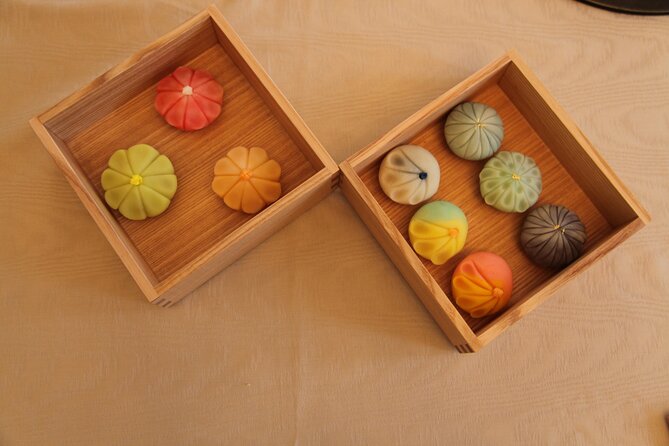
At $60 per person, the class costs more than simply buying a nerikiri at a Japanese confectionery shop. The difference is that you are paying for instruction, ingredients, four handmade sweets, matcha, additional Japanese sweets, and a small-group setting.
The maximum of four people is important here. In a large class, you might spend much of the session watching someone else receive help. With four or fewer, Hana can check your technique and help refine the details. Families also avoid being split into a crowd of strangers.
The home visit adds another layer of value. You see a private residential setting in central Tokyo, something a standard food stop does not provide. For visitors who care about culture and daily life, that may justify the higher cost.
Still, this is not the best choice for someone counting every yen or looking mainly for a filling meal. The sweets are part of a craft lesson and tea experience, not a substitute for lunch. I would book it for the personal instruction and cultural setting, not simply for the amount of food.
Getting more from the surrounding area
The location makes this easy to pair with major Tokyo sights. Meiji Shrine is a natural follow-up from the morning class, especially if you want a quiet change after the precision of sweet-making. Takeshita Street offers a louder, more youthful contrast, with fashion, character goods, and snack shops.
You can also walk toward Shibuya Crossing after the class. That makes the activity a useful anchor for a day that combines food, shopping, and famous city sights.
For the 9:00 AM start, I would avoid overloading the morning with another reservation. Meet Hana on time, enjoy the class without rushing, then decide whether to eat, shop, or visit a shrine. The experience works best when treated as a calm first activity rather than squeezed between two train connections.
Practical details before you book
Confirmation is provided at booking, and the meeting point is near public transportation. The activity uses a mobile ticket, so keep the booking available on your phone.
The group size is capped at four people. That is excellent for personal attention, but it also means spaces may be limited on the date you want. The experience is offered by Mum Japanese sweets studio.
Free cancellation is available if you cancel at least 24 hours before the local start time. Cancellations or changes made less than 24 hours ahead are not accepted for a refund.
Wear something that lets you work comfortably with your hands. The most important preparation is not special clothing or prior cooking ability. It is arriving at the correct meeting point on time and telling Hana in advance about any food restrictions.
Who should book this class?
I would choose this for you if you want a hands-on cultural activity, enjoy small groups, or need something that works for several generations. It is especially good for families with children, couples looking for a quieter Tokyo activity, and anyone who wants a souvenir made with their own hands.
It also suits repeat visitors who have already seen the major sights and want a more personal look at Japanese culture. The class gives you food, craft, tea, and a local home setting in one short visit.
I would skip it if you want a formal tea ceremony in a traditional temple setting, a full cooking lesson, or a large tasting tour. This experience is more intimate and creative. You spend much of the time shaping sweets, not touring or eating your way through the city.
Should you book Make Traditional Nerikiri Sweets & Matcha?
Yes, if the $60 price fits your budget and you value personal instruction. The four sweets, matcha lesson, extra Japanese treats, and home setting make this a well-rounded cultural activity rather than a quick demonstration.
The best reason to book is Hana’s patient guidance in a group of no more than four. Choose the 9:00 AM slot if you want a full day in Harajuku and Shibuya afterward. For families, older children, and creative beginners, this is one of the easier ways to slow down in Tokyo and leave with something you made yourself.
FAQ
How long does the nerikiri and matcha experience last?
The activity lasts approximately one hour and 30 minutes.
Where does the experience meet?
Meet at 5-chōme-2-21 Jingūmae, Shibuya, Tokyo 150-0001, across from CHUMS Omotesando in front of the brown building. You then walk with the instructor for about 30 seconds to her home.
How many people can join the class?
The maximum group size is four travelers.
How many sweets will I make?
You will make four sweets in total. Three are based on sample designs, and the fourth is your own original design.
Can I take the sweets home?
Yes. Everything you make during the activity can be taken home with you.
What start times are available?
The available start times are 9:00 AM, 1:00 PM, and 3:30 PM.
More Dessert Tours in Tokyo


More Tea Ceremony & Matcha in Tokyo
More Shibuya Tours in Tokyo



More tours in Tokyo we've reviewed












Shibuya Tours, compared.
 ★ 5.0Official Street Go-Kart in ShibuyaFrom $76
 ★ 5.0Shibuya Meltdown Nightlife Tour: All-You-Can-Drink Bar HoppingFrom $106
 ★ 4.9Tokyo: Street Kart Experience in ShibuyaFrom $99
 ★ 5.0Shibuya Official Street Go-Kart in Shibuya AnnexFrom $69
 ★ 5.0Tokyo: Shibuya Food Tour (13 dishes and 4 Eateries)From $77
 ★ 5.0Best of Shibuya Food TourFrom $217