Reviewed · WALKING TOURS
Tokyo: Customizable Private Guided Walking Tour
Tokyo is easier to understand when someone helps you connect the dots. This private four-hour walk lets you choose the city you want to see, from Tokyo Tower and the Imperial Palace to Shibuya Crossing, local food stops, shrines, gardens, and quiet side streets.
In This Article
- Key points at a glance
- A private start from your Tokyo hotel
- Tokyo’s famous sights, chosen with care
- The rail system becomes part of the lesson
- Side streets, shrines, and places with character
- Building a food tour around what you like
- Guides who adjust the day to you
- Pace, weather, and physical demands
- What the $87 price really buys
- Booking details that affect your decision
- Who should book this Tokyo walk?
- Should you book it?
- FAQ
- How long is the Tokyo private walking tour?
- How much does the tour cost?
- Is the tour private?
- Where does the tour begin?
- Are trains and subway fares included?
- Are food and drinks included?
- Are entrance fees included?
- Which languages are available?
- Can I choose what to see?
- Is the tour wheelchair accessible?
I like the guide-to-you format, especially for a first day in Tokyo. Guides such as Mika, Lauren, Brian, Niza, and Trevor have helped visitors use the rail system, find restaurants, arrange reservations, and adjust the route to suit their interests. I also like the hotel pickup on foot, since it gets you moving without first wrestling with Tokyo Station.
The main drawback is distance. Tokyo’s headline sights are spread across several districts, so a four-hour outing may include a good deal of train travel. Food, transit fares, and entry fees are extra, and you will need to tell the guide clearly what matters most.
Key points at a glance
- Your interests set the route: Focus on landmarks, food, history, shopping, temples, gardens, art, or local neighborhoods.
- Hotel pickup is on foot: Your guide meets you at your hotel and begins the outing without arranging a separate taxi.
- The subway lesson is part of the value: Guides help you read the system and gain confidence for the rest of your trip.
- Four hours goes quickly: Several far-flung districts are possible, but seeing every major sight in depth is not.
- The experience is fully private: You travel at your own pace with an English or Japanese speaking guide.
- Extra costs need planning: Food, drinks, trains, and admission charges are not included in the $87 price.
A private start from your Tokyo hotel
The tour begins with your guide meeting you at your hotel and setting out on foot. That small detail matters in Tokyo, where the first challenge can be figuring out which station entrance, platform, or train line to use.
Before the tour, you should be ready with a short wish list. Tell the guide if you care most about Japanese history, modern city life, food, photography, shopping, anime, gardens, or avoiding crowded streets. The best outings appear to come from this early conversation. Lauren contacted one visitor before the tour to learn their interests, while other guides adjusted plans after discovering which places had already been visited.
This is not a fixed sightseeing circuit. Your guide might build a route around Meiji Shrine and Harajuku, connect the Imperial Palace with central Tokyo, or focus on markets and neighborhood food. You can also ask for a broad introduction to Tokyo if you are arriving with no firm plan.
That flexibility is useful, but it places some responsibility on you. A vague request to see all of Tokyo will lead to compromises. A focused request, such as traditional sights plus one food stop, gives the guide a far better chance of creating a satisfying half-day.
Other walking tours we've reviewed in Tokyo

Tokyo’s famous sights, chosen with care
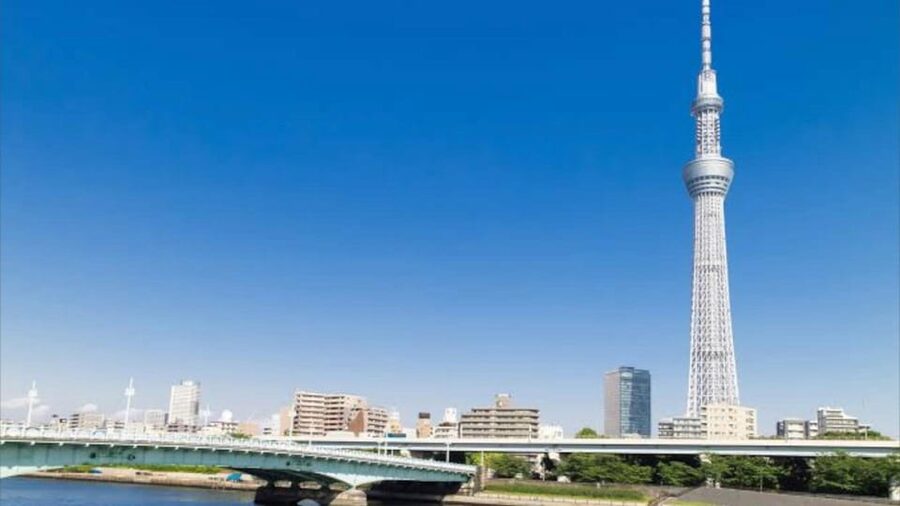
The suggested sights include Tokyo Tower, the Imperial Palace, and Shibuya Crossing. These are sensible choices for a first look at the city, but each offers a different experience.
Tokyo Tower gives you the classic skyline image and a clear sense of Tokyo’s scale. If you want to go up a tower or observation deck, remember that admission is not included and that time spent waiting or viewing the city reduces time for other districts. The supplied information does not promise a visit inside the tower, so confirm your plan with the guide.
The Imperial Palace area offers a change of mood from Tokyo’s commercial streets. Gardens and historic settings make it a good choice if you want space, culture, and a slower pace. The tour may also include other palace related sites, but exact access depends on your chosen route and the day’s timing.
Shibuya Crossing delivers the modern Tokyo spectacle: huge screens, crossing waves, department stores, and a maze of streets. It is a memorable stop, though it is not a quiet one. If crowds wear you down, ask your guide to balance Shibuya with a calmer shrine, garden, or side street.
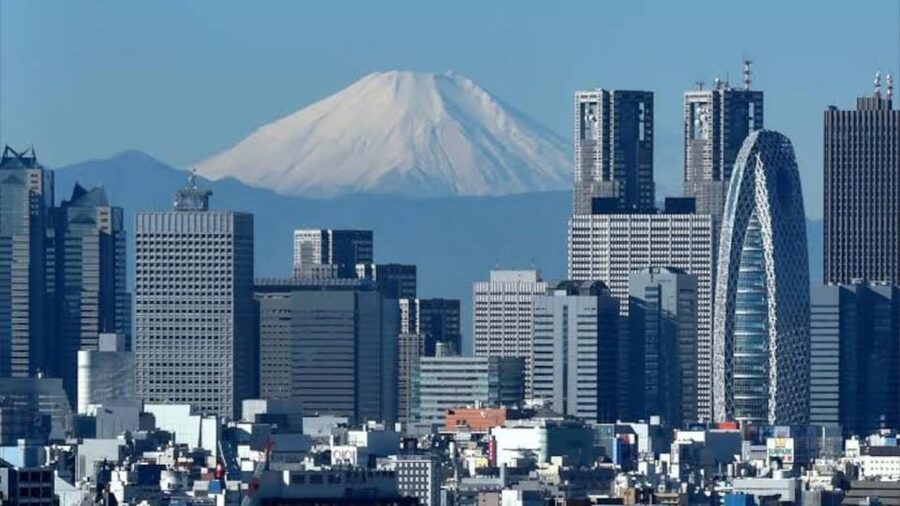
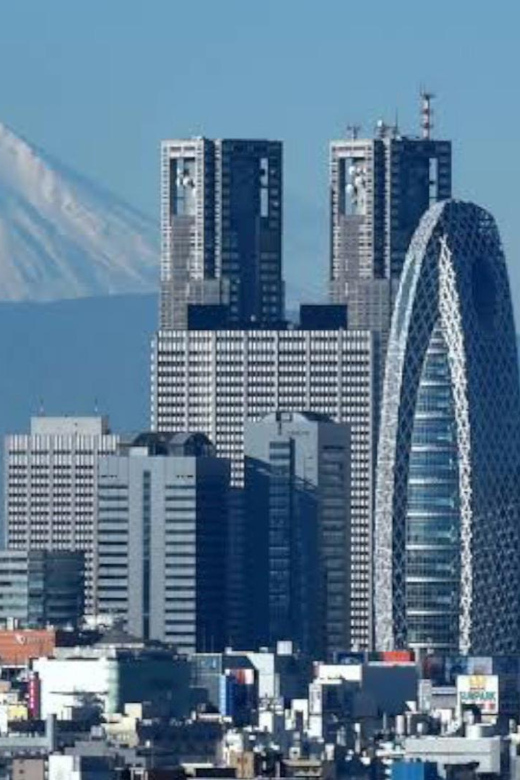
Other routes have included Meiji Shrine, Takeshita Street in Harajuku, Shinjuku Gyoen, Tsukiji Fish Market, Ginza, a Buddhist temple, and a government building observation tower. One guide helped a visitor see Mount Fuji from the government building tower. That kind of bonus depends on weather and visibility, but it shows the benefit of having someone who can adjust the plan on the spot.
The rail system becomes part of the lesson
This is called a walking tour, but you should not expect four hours entirely on foot. Tokyo’s districts are too spread out for that. You may walk between stations and sights, then use the subway or train to reach the next area.
Several guides have made public transportation part of the experience. They have shown visitors how to navigate stations, transfer between lines, and return to a hotel after the tour. For a first visit, this may be more valuable than another landmark. Once you understand the rail system, Tokyo becomes much less intimidating.
You will need to stay close to your guide in stations. One visitor learned this the hard way after becoming separated on the subway. Tokyo’s stations can have several exits and long underground passages, so keep your guide in sight and avoid stopping suddenly in a busy flow of people.
The train time also creates a practical limit. One account noted that more than an hour of the four-hour outing went toward the rail network while connecting major attractions. That is not a flaw in the guide’s work. It is simply the cost of covering a city this large. If you want a relaxed walking day, choose one or two neighboring districts rather than landmarks on opposite sides of Tokyo.
Side streets, shrines, and places with character
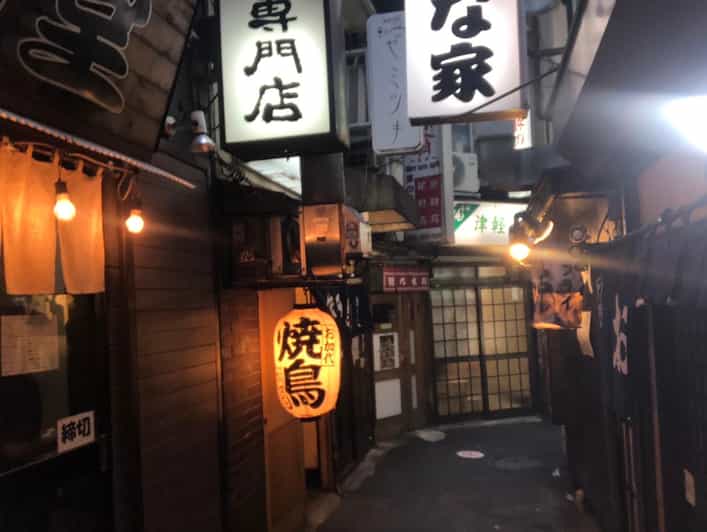
The strongest reason to book a private guide is the chance to move beyond the standard checklist. Tokyo’s smaller streets can reveal traditional restaurants, teahouses, local shops, temples, and neighborhoods that are easy to miss when you follow a map between major attractions.
The exact locations are not fixed, which is useful. Your guide can suggest a quieter area if you have already seen the main sights or want a break from crowds. Eduardo designed one outing around a visitor’s age and physical abilities, avoiding crowded areas and choosing places with good views. That is a valuable feature for anyone who wants a gentler day.
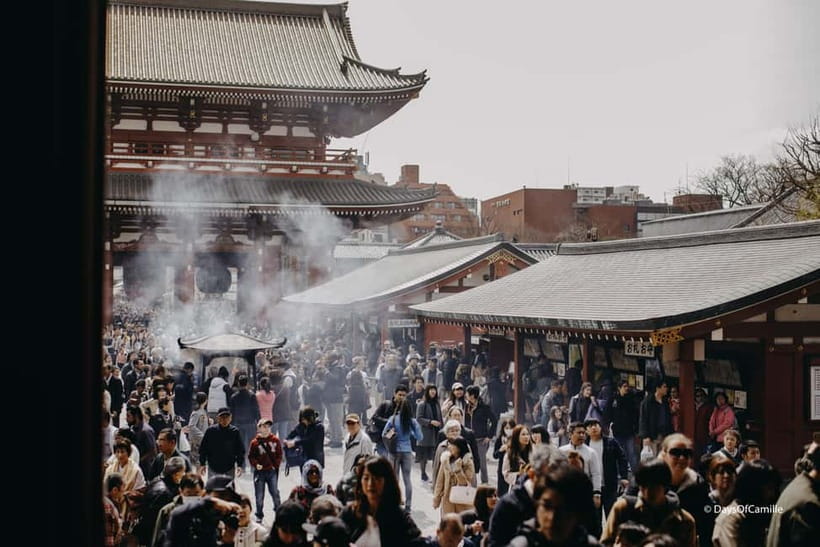
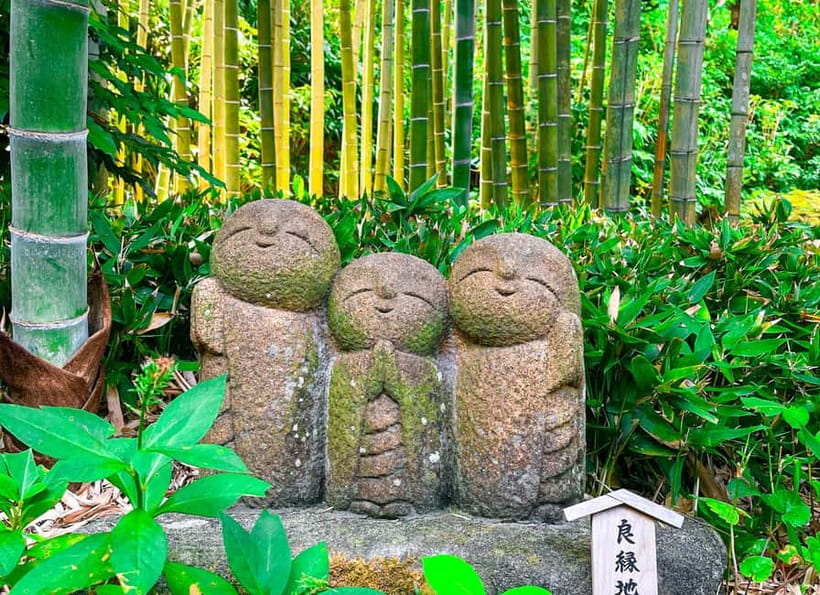
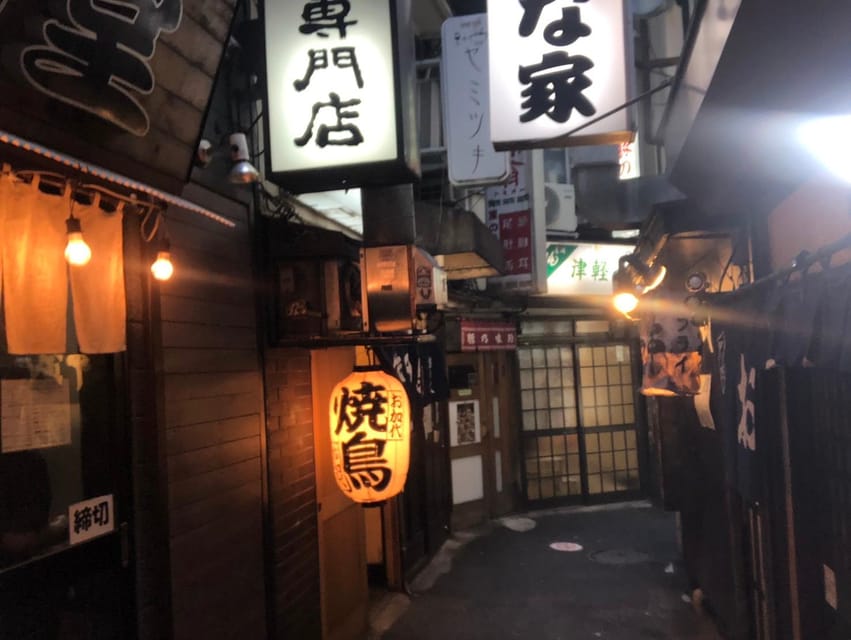
You might visit a shrine or Buddhist temple, walk through an older alley, or pause for a street performance. The activity description specifically allows time for characteristic alleys and informal local sights, but it does not promise a particular performance or neighborhood. Think of these as possible discoveries, not guaranteed stops.
The guides also add cultural background as you walk. You can ask about customs, daily life, history, and the way modern Tokyo fits alongside older traditions. Some guides have helped visitors understand how to behave at shrines and temples, while others have focused more on social and economic life in Japan.
I would ask for this context directly. A private guide can tailor explanations far better than a recorded audio tour, but the result depends on your questions and the guide assigned to you.
Building a food tour around what you like
Food can be the central theme rather than a quick break. The tour can include street food, local shops, traditional restaurants, or places suggested by your guide. Food and drinks are paid separately, so you control both the menu and the spending.
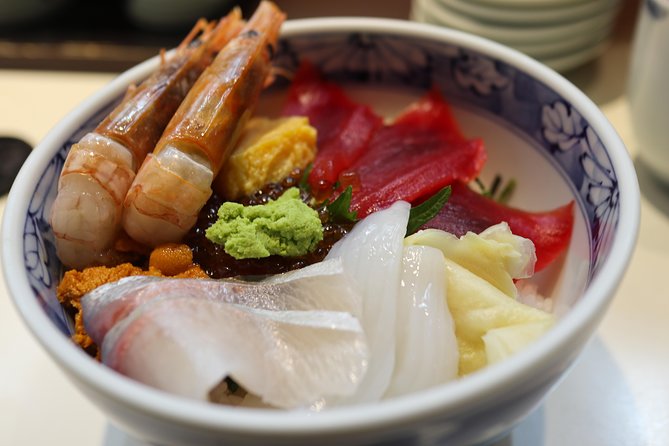
Past outings have included okonomiyaki, karaage, a traditional Japanese restaurant, fish market stops, unusual sweets, and casual food around Harajuku. One guide took a visitor to panda ice cream parfaits and rainbow cheese, while another helped a group try restaurants they would not have chosen alone.
This range is helpful because Tokyo food trips can mean very different things. You might want a classic Japanese meal, simple market fare, playful sweets, or dishes that are hard to identify from an English menu. Tell the guide your comfort level, allergies, budget, and appetite before you set off.
A meal can also consume a large part of a four-hour schedule. If your priority is sightseeing, choose one short food stop. If eating is the main event, accept that you may see fewer monuments.
The tour does not include restaurant reservations as a standard feature, though Mika secured a reservation at an important location for one visitor after speaking with them before the tour. If you have a specific restaurant in mind, ask early. Do not assume the tour price covers the meal or guarantees a table.
Other guided tours in Tokyo


Guides who adjust the day to you
The experience is delivered by different local guides, so personalities and strengths will vary. The names associated with particularly strong outings include Mika, Lauren, Brian, Niza, Trevor, Eduardo, Lucy, Juan, Matias, and Shish.
Mika has helped visitors make the best use of a short schedule, arranged a reservation, explained the subway, and added a traditional restaurant. Lauren has been praised for pre-tour communication, a relaxed pace in hot weather, and adapting to mixed interests. Brian has helped several groups cover multiple districts and learn the rail system.
Niza has arranged kimono rental, helped with photographs during cherry blossom season, and built routes around interests such as the Pokémon Centre. Trevor has combined city orientation with history and practical advice. Eduardo has been a useful choice for a slower outing and less crowded areas.
These examples are useful, but you cannot assume you will receive a particular guide unless the provider confirms one. The booking information lists English and Japanese, and many of the named guides have been described as fluent or easy to understand in English. If language ability is especially important to you, confirm it when booking.
The private format also works well for solo visitors. One solo visitor used the tour to learn train travel, find local shops, and locate food spots. Couples and families with teenagers have also found the small, personal format useful. You can stop to ask questions without holding up a larger group.
Pace, weather, and physical demands
Four hours on Tokyo streets can be tiring. One outing involved substantial walking, and another took place in extreme heat and humidity. Even with a flexible guide, you should wear comfortable shoes and be ready for stairs, station corridors, and periods of standing.
The activity is listed as wheelchair accessible, but the route is custom built. If you use a wheelchair or have mobility limits, explain your needs before the day begins. The experience can be adjusted, as Eduardo did for one older visitor, but a route involving several stations and historic sites may need careful planning.
Your guide can also help with pace. Lauren slowed an outing during hot weather, and several guides adjusted stops to give visitors enough time at each place. You should speak up if you need water, shade, food, a restroom, or a shorter walking stretch.
The activity is not suitable for people over 95, according to the booking information. No other age restriction is given, and children or teenagers are not excluded. A family with two teenagers found the format fun and informative, but your group should still choose a route that matches everyone’s energy.
What the $87 price really buys
At $87 per person, the main purchase is time and personal help, not admission to a major attraction. You are paying for a private English or Japanese speaking guide, hotel pickup and drop-off on foot, route planning, local advice, and practical support with Tokyo’s transport system.
For a solo visitor, the price may feel high compared with a group walking tour. The value improves for a couple or small private group because the guide can focus on your shared interests instead of following a standard route. It is also stronger if you are in Tokyo for only a short stay or feel uneasy handling the rail system alone.
You must budget separately for trains, meals, drinks, and entry fees. This matters if you want to visit a tower, eat at several restaurants, or cross multiple districts. The tour itself can help you learn how to use public transport, but it does not cover the fares.
I see the best value during your first day or two in Tokyo. You get orientation, local context, and a route built around your priorities. If you already know the city well and are comfortable on trains, the benefit may be smaller unless you want a food focused or neighborhood based outing.
Booking details that affect your decision
The outing lasts four hours, with starting times available according to the selected date. It is a private group experience, not a shared bus or large walking party.
Cancellation is free up to 24 hours before the start time for a full refund. You can also reserve now and pay later, which helps if your Tokyo schedule is still changing. Hotel pickup and drop-off are included on foot, while transportation during the tour is not.
Ask yourself three questions before booking:
- Which two or three things matter most to me?
- Do I want more walking, more trains, more food, or more cultural sites?
- Am I comfortable paying extra for food, transit, and admissions?
Send those answers to the provider or guide. The more specific you are, the more useful the four hours should be.
Who should book this Tokyo walk?
I would choose this tour if you are visiting Tokyo for the first time, have limited time, or want help making sense of the rail network. It is also a good fit for solo visitors, couples, families, older people who need a gentler route, and anyone who wants a local companion rather than a fixed script.
It suits curious eaters and photographers too. A kimono rental, unusual sweets, a traditional restaurant, local shops, and seasonal views have all formed part of different custom routes.
I would hesitate if you want guaranteed entry to every famous attraction. Four hours cannot provide a long visit to Tokyo Tower, the Imperial Palace, Shibuya, Harajuku, Tsukiji, and Shinjuku without tradeoffs. I would also hesitate if you dislike walking, stations, or paying extra for the day’s activities.
Should you book it?
Book this tour if you want a personal Tokyo orientation, not just a list of monuments. Its best features are the private guide, hotel meeting point, flexible pace, local food options, and practical help with trains. The guides have also shown real kindness in unusual situations, including helping locate medical care and arranging transport assistance.
Choose a compact route and name your priorities in advance. If you do that, $87 can buy a very useful first look at Tokyo and skills you can use for the rest of your Japan trip. If your goal is a slow, fully included sightseeing day with no extra fares or meals, this is not that kind of tour.
FAQ
How long is the Tokyo private walking tour?
The tour lasts four hours.
How much does the tour cost?
The listed price is $87 per person.
Is the tour private?
Yes. It is offered as a private group experience.
Where does the tour begin?
The guide provides hotel pickup on foot. Hotel drop-off on foot is also included.
Are trains and subway fares included?
No. Transportation is not included, so you pay for trains or other transport used during the tour.
Are food and drinks included?
No. Food and drinks are extra.
Are entrance fees included?
No. Entry costs are not included in the tour price.
Which languages are available?
Live guiding is available in English and Japanese.
Can I choose what to see?
Yes. The itinerary can be adjusted around your interests, including famous sights, food, temples, gardens, art, shopping, and local neighborhoods.
Is the tour wheelchair accessible?
Yes, the activity is listed as wheelchair accessible. You should explain your mobility needs in advance so the route can be planned appropriately.
More Private Tours in Tokyo


More Guided Tours in Tokyo
More Walking Tours in Tokyo
More tours in Tokyo we've reviewed












Walking Tours, compared.
 ★ 5.0Tokyo Tsukiji Fish Market Food and Culture Walking TourFrom $99
 ★ 4.9Tokyo: Shinjuku Local Bar and Izakaya Guided Walking TourFrom $343 hours
 ★ 5.0Tokyo: Tsukiji Fish Market Food and Walking tourFrom $30
 ★ 4.8Tokyo: Asakusa Walking Tour with Sensoji Temple VisitFrom $222 hours
 ★ 4.9Tokyo: Tsukiji Fish Market Guided Walking TourFrom $222 hours
 ★ 4.7Tokyo Castle & Imperial PalaceーShogun Walking TourFrom $232 hours