Reviewed · TOKYO FOOD TOURS
Asakusa: Tokyo’s #1 Family Food Tour
Asakusa’s best moments often happen away from Sensoji’s main gate. This three-hour food walk leads you through old downtown streets, local shops, rustic lanes, and small eating places while your guide explains the customs behind the food. I like the small group of up to 10 and the way the tour combines a proper lunch with snacks, dessert, and one drink.
In This Article
- Key points to know before booking
- Why this Asakusa food walk works
- Starting at the Asakusa Culture and Tourism Center
- Walking through Asakusa’s old downtown character
- Street snacks and the famous melon pan
- A traditional lunch in a local setting
- Stories that give the food more meaning
- Who will get the most from this tour
- Dietary needs, group size, and timing
- Is $173 a fair price?
- Booking advice and cancellation flexibility
- Should you book the Asakusa family food tour?
- FAQ
- Where does the Asakusa food tour meet?
- What time does the tour start and finish?
- What food and drinks are included?
- Is the tour suitable for families?
- Is hotel pickup included?
- Can I cancel the booking?
I also like that it works well for mixed-age families. Guides including Michael, Daisuke, and Motoko have been praised for patience, warmth, and clear storytelling. The main drawback is price: at $173 per person, this is a costly three-hour walk, especially for a family, so you should book it for the guide and local access rather than for the amount of food alone.
Key points to know before booking

- A food-focused walk through old Asakusa: Expect side streets, local shops, shrines, lanterns, rickshaws, and stories about the district’s samurai-era entertainment culture.
- Several tastings plus lunch: The tour includes dishes at multiple stops, one drink, dessert, and the well-known warm melon pan.
- A good choice for families: The pace and stories are designed for children, adults, couples, and grandparents traveling together.
- English-speaking local guide: Guides such as Michael, Daisuke, and Motoko have received especially strong praise for kindness and inclusion.
- Three hours, starting at 11:00 AM: You finish at about 2:00 PM, making this an easy first or second activity for your day in Tokyo.
- High price for a short tour: The value depends on how much you want personal guidance, food introductions, and a smoother introduction to Asakusa.
Why this Asakusa food walk works

Asakusa is one of Tokyo’s easiest districts to recognize. Sensoji Temple, Kaminarimon Gate, red lanterns, souvenir stalls, and rickshaws give the area a strong sense of place. The trouble is that a quick visit can become a slow shuffle along the same crowded shopping street.
This tour takes a different approach. You still get the traditional sights, but food provides the route. Instead of only looking at Asakusa, you stop to taste it. A local English-speaking guide connects the dishes to the neighborhood and to food traditions from other parts of Japan.
That matters if you are new to Japan. A snack at a shop can seem like a small purchase, but the guide can explain what it is, where it comes from, and why people line up for it. You also avoid the common problem of choosing a restaurant at random when you are hungry and unsure how the menu works.
The tour is limited to 10 people. That is large enough to keep the price below a private tour, yet small enough for questions and conversation. Families should find this easier than a large bus excursion, especially when children want to ask about unusual foods or stop to look at something along the way.
A few more Tokyo tours and experiences worth a look
Starting at the Asakusa Culture and Tourism Center
You meet in front of the Asakusa Culture and Tourism Center, across from the well-known Kaminarimon area. Your guide will hold a sign, making the meeting point fairly simple to find.
Arrive early. The tour can wait only five additional minutes after the 11:00 AM start. Once the group leaves, the guide cannot provide directions or call you to help you catch up. This is a firm rule, not a flexible suggestion, so give yourself extra time to reach Asakusa.
The location is useful for a first visit because you begin close to the district’s major sights. You can see the grand entrance area before the food walk moves into smaller streets. If you arrive early, use the time to get oriented rather than trying to squeeze in a distant attraction.
The tour finishes around 2:00 PM. That timing gives you a natural afternoon in Asakusa after lunch. You can continue sightseeing, visit another part of Tokyo, or return to a food shop that caught your attention.
Walking through Asakusa’s old downtown character

The heart of the experience is the walk itself. Asakusa is a traditional shitamachi district, a term often used for Tokyo’s old downtown neighborhoods. The streets here preserve a more approachable, local feel than the polished shopping areas found elsewhere in the city.
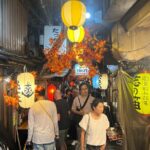
You might see rickshaws gliding past, red lanterns hanging over storefronts, and signs pointing toward long-established shops. The tour also explores rustic side streets and smaller lanes, where the atmosphere changes quickly once you leave the main tourist path.
Your guide fills in the setting with stories about Asakusa’s entertainment past and its connection to older Japanese culture. This is useful because the neighborhood can otherwise feel like a collection of pretty façades and food counters. With context, the shrine, alley, shop, and theater district become part of one larger story.
The walk covers roughly a compact local area rather than a wide stretch of Tokyo. That keeps the route manageable for children and older family members, but it also means you should not expect a grand survey of the whole city. This is a close look at Asakusa, not a general Tokyo sightseeing tour.
Street snacks and the famous melon pan

Food comes in several forms during the tour. You receive a variety of dishes at multiple food stops, along with one drink and dessert. The exact selection can vary, but the purpose is clear: introduce you to several flavors rather than fill the entire afternoon with one large restaurant meal.
Street food is one of the best ways to understand Asakusa. Freshly grilled items, small sweets, and regional specialties let you try more than you could comfortably order on your own. The portions are part of a sequence, so you can keep walking and tasting without committing to a full meal at every stop.
One expected highlight is melon pan. Despite its name, this Japanese sweet bread does not taste like melon. It is known for its golden, crisp outer layer and soft bread inside. The tour presents it as an iconic local treat, and it is an easy favorite for children who may be cautious about unfamiliar savory foods.
The melon pan stop also shows the practical value of having a guide. A shop with a long line can be hard to judge when you are visiting for the first time. Your guide can make the stop part of the route and explain why it has become such a popular Asakusa snack.
Still, do not expect every tasting to be a large serving. This is a sampling walk with lunch, not an all-you-can-eat food event. If you or your children need extra food, you can buy additional items at your own expense.
A traditional lunch in a local setting

The tour includes a Japanese lunch at a place described as popular with local residents. The meal is intended to be satisfying and traditional, giving you a proper break after the earlier snacks.
That combination is practical. A food walk made only of sweets and samples can leave you hungry, while a standard restaurant meal would not show as much variety. Here, you get both: smaller tastings along the route and a sit-down lunch within the three-hour schedule.
You should keep your expectations measured. The lunch has been described as nice but basic, so the price is not justified by an expensive gourmet meal. The strongest reason to value it is convenience and local introduction. You are not merely paying for a plate of food. You are paying for a guide to make the meal easier to understand and fit it into a well-organized walk.
The experience also includes one drink and dessert. Additional drinks and food are not included, so check your appetite as the walk continues. Families may want to budget a little extra for children who want a second snack or for adults who find a tasting particularly tempting.
A few more Tokyo tours and experiences worth a look


Stories that give the food more meaning

Food tours work best when the guide does more than point at a dish and name it. This experience places storytelling at the center, with explanations about Asakusa and the traditions linked to its streets.
The strongest comments about the guides focus on personal attention. Michael is described as able to answer questions and explain Japan in an interesting way. Daisuke made a point of helping everyone feel included and happy. Motoko is remembered as a fun and informative guide.
Those details matter for families. A child may ask a question that takes the group away from the planned subject. A grandparent may need a slower pace. A good small-group guide can adjust the conversation and keep everyone involved without turning the walk into a lecture.
You should also expect an experience shaped by the individual guide. The company is Arigato Travel KK, and the tour is conducted in English, but the exact personality and storytelling style will depend on who leads your group. The available feedback is especially strong on friendliness and patience, which are valuable qualities for a family food walk.
Who will get the most from this tour

I would recommend this experience to first-time visitors who want an easy introduction to Asakusa without researching every food stop themselves. It is also a good fit for families who want culture and lunch in one activity, rather than separating a temple visit from a restaurant booking.
Couples can enjoy it too. The old streets, lanterns, food counters, and small discoveries give the afternoon more character than simply eating at a well-known restaurant. Friends who want to try Japanese dishes together may also appreciate having several tastings in one route.
The tour is particularly useful for mixed-age groups. Children have snacks and dessert to look forward to, adults get history and local context, and grandparents can enjoy a compact district rather than a full-day outing.
You may want to skip it if you prefer to explore alone, already know Asakusa well, or judge a food tour mainly by the quantity and quality of its meal. At $173 per person, the cost is high for three hours. A family of five would pay $865 before any extra purchases, so the total deserves careful thought.
The price includes food at multiple stops, a drink, dessert, and the English-speaking guide. It does not include transportation, gratuity, hotel pickup, or extra food and drinks. Pickup can be arranged for an additional charge, but meeting at the stated location is the standard option.
Dietary needs, group size, and timing
Tell the tour supplier about food allergies or dietary requirements before the day of the tour. The information provided does not promise that every diet can be accommodated, so you should ask before booking if your needs are strict.
At least two people are required per booking. This is not a solo booking option based on the stated rules. A copy of passport information is required for each participant aged 10 and older, so have those details ready during the booking process.
The tour runs daily and starts at 11:00 AM. It ends at approximately 2:00 PM, which makes it easy to place between a morning visit to another Tokyo district and an afternoon in Asakusa.
Because the route involves walking between food stops, wear comfortable shoes. The supplied details do not state the walking distance or accessibility arrangements, so contact the supplier directly if someone in your group has mobility concerns.
Is $173 a fair price?
This is the decision point. The tour costs more than a simple lunch, and much more than exploring Asakusa’s food stalls independently. You can certainly buy melon pan, snacks, and a basic meal for far less.
What you are paying for is the guide’s time, the planned route, the English explanations, and access to several stops without having to make each choice yourself. For a family unfamiliar with Japanese food, that support can reduce stress and make the afternoon more enjoyable.
The small group also helps explain the price. A group capped at 10 allows more questions than a large sightseeing tour. The guide can keep track of children, explain unfamiliar dishes, and adjust the conversation when your group shows interest in a particular part of Asakusa.
But the price is still a serious weakness. One family found the total unexpectedly high after mistaking the listed amount for a group price rather than a per-person price. Read the pricing carefully before you reserve. If you have two adults and several children, compare the total with a full-day excursion or a private restaurant-and-sightseeing plan.
My advice is to book only if the guided access has real value for you. If you are comfortable ordering food, reading menus with translation tools, and wandering Asakusa on your own, self-guided exploration will cost much less.
Booking advice and cancellation flexibility
You can cancel up to 24 hours in advance for a full refund. You can also reserve now and pay later, which helps if your Tokyo plans are still changing.
The most important practical rule is the five-minute meeting limit. Do not count on phone directions after the walk begins. Plan to be at the Asakusa Culture and Tourism Center before 11:00 AM, with your group ready to leave.
Remember that the tour requires at least two people per booking, and participants aged 10 and over must provide passport information. These details are easy to handle in advance and annoying to discover at the last moment.
Should you book the Asakusa family food tour?
Book it if you want a friendly English-speaking guide, a compact introduction to Asakusa, and a planned mix of snacks, lunch, dessert, and local stories. The best parts are the small group, the family-friendly pace, the side streets, and the guides’ personal touch. Michael, Daisuke, and Motoko have each been praised for making the experience welcoming and informative.
Do not book it expecting a lavish feast or a full-day value bargain. At $173 per person, the food alone does not make the price easy to defend. The tour makes sense when you are paying for guidance, cultural explanation, and a simple way to bring the whole family into Asakusa’s food traditions.
For a first visit, I can see the appeal. For an experienced Tokyo visitor on a tight budget, I would spend the money elsewhere and explore Asakusa independently.
FAQ
Where does the Asakusa food tour meet?
The meeting point is in front of the Asakusa Culture and Tourism Center, or 浅草文化観光センター. Your English-speaking guide will be holding a sign.
What time does the tour start and finish?
The tour starts daily at 11:00 AM and finishes at approximately 2:00 PM. It lasts about three hours.
What food and drinks are included?
The tour includes a variety of dishes at multiple food stops, one drink, dessert, and a traditional Japanese lunch. Additional food and drinks can be purchased at your own expense.
Is the tour suitable for families?
Yes. The experience is designed for families, couples, friends, children, teens, and grandparents. The group is limited to 10 participants.
Is hotel pickup included?
No. Hotel pickup is not included, though it can be arranged for an additional charge. Transportation costs are also not included.
Can I cancel the booking?
You can cancel up to 24 hours in advance for a full refund. The tour also offers a reserve-now, pay-later option.
More Food Experiences in Tokyo
More Tokyo Food Tours in Tokyo
More Asakusa Tours in Tokyo
More tours in Tokyo we've reviewed












Tokyo Food Tours, compared.
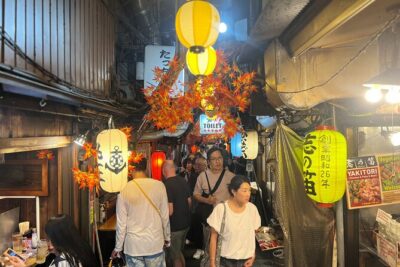 ★ 5.0Tokyo: Shinjuku Food Tour (13 Dishes at 4 Local Eateries)From $86
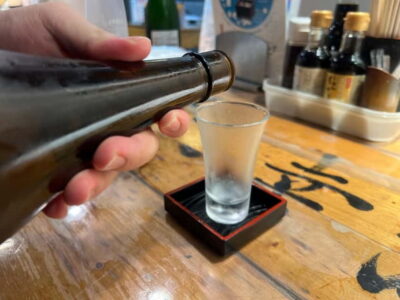 ★ 4.9Tokyo: Shinjuku Food Tour (13 Dishes and 4 Eateries)From $97
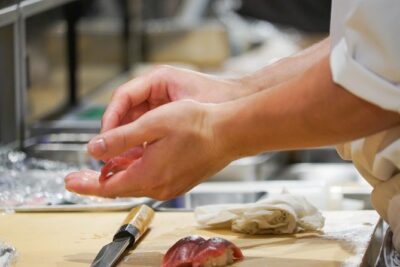 ★ 5.0Tokyo Night Foodie Tour in Shinjuku – Seasonal Sushi, Wagyu BeefFrom $111
 ★ 5.0Eat and Drink Like a Local: Tokyo Ueno Food Tour-Taverns&RamenFrom $95
 ★ 5.0Tokyo: Shibuya Food Tour (13 dishes and 4 Eateries)From $77
Tokyo: Shinjuku Food Tour – 15 Dishes, 3 Drinks, 4 EateriesFrom $723 hours
★ 5.0Tokyo: Shibuya Food Tour (13 dishes and 4 Eateries)From $77
Tokyo: Shinjuku Food Tour – 15 Dishes, 3 Drinks, 4 EateriesFrom $723 hours