Reviewed · GUIDED
Freely set up plans Guided Private Tours in Tokyo
Tokyo is easiest to enjoy when someone else handles the subway maze. This private tour lets you choose a 4 to 10-hour day, then work with an English-speaking guide to connect major sights, food stops, and oddball favorites such as owl or hedgehog cafes. Guides including Kono, Yumi, Yoshi, and Yumiko have been praised for patience, local insight, and flexible planning.
In This Article
- Key points to know before booking
- A private Tokyo plan instead of a fixed sightseeing circuit
- Tsukiji Jogai Market: begin with Tokyo’s food culture
- Senso-ji Temple: Tokyo history with a clear sense of place
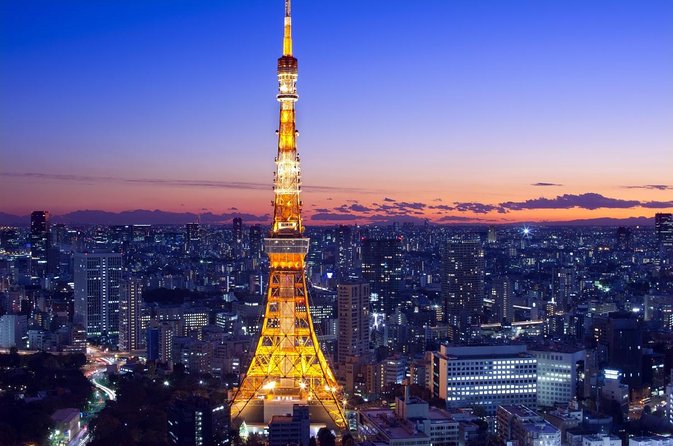
- Tokyo Skytree and Tokyo Tower: choose one grand view
- Ueno Zoo: worthwhile for animal lovers, costly in time
- Shibuya Crossing and Meiji Jingu: modern energy beside forested calm
- Shinjuku Gyoen and Hamarikyu Gardens: two very different green escapes
- Owl and hedgehog cafes: unusual stops with practical limits
- What the guides add to the day
- The real cost: $132.14 plus transport and admission
- Timing, walking, and meeting details
- Who should book this private Tokyo tour
- Should you book it?
- FAQ
- How long does the private Tokyo tour last?
- Where does the guide meet the group?
- Is transportation included?
- Are entrance tickets included?
- Can I choose which Tokyo sights to visit?
- Is this tour suitable for most people?
- What is the cancellation policy?
I like the custom itinerary, especially if you have only one day or want help turning a long wish list into a workable route. I also like the public-transport focus. Your guide meets you in your hotel lobby within Tokyo’s 23 wards and shows you how to use the city’s trains while leading you from place to place.
The catch is simple: Tokyo sightseeing means walking, stairs, and transfers. One customer counted about 22,000 steps, while another spent too much time walking to stations in heavy rain. A few people also found a guide’s English difficult to follow, and two serious booking failures involved a guide arriving on the wrong day or no guide being available.
Key points to know before booking
- You choose the day’s shape: Pick the length and places that matter most to you rather than following a fixed route.
- Tsukiji and Senso-ji make a strong first-day pair: Start with traditional foods and a market, then move to one of Tokyo’s best-known temples.
- The guide teaches you the trains: This is useful beyond the tour, especially during a first visit.
- Admission costs are extra: Tokyo Skytree, Tokyo Tower, Ueno Zoo, gardens, animal cafes, and some other stops require separate payment.
- Walking is part of the deal: Public transportation saves road time, but stations can mean long corridors, stairs, and crowded platforms.
- The price is $132.14 per person: That can be good value for a private group needing help with navigation, but less so if you want a slow visit to only one or two sights.
A private Tokyo plan instead of a fixed sightseeing circuit
The great strength here is choice. You are not locked into all 12 listed stops, and you should not try to visit them all in one day. Instead, you tell your guide what you care about, how long you have, and perhaps what you have already seen. The guide then builds a route using Tokyo’s train and subway system.
That flexibility matters because Tokyo is not one compact sightseeing zone. Tsukiji sits near Ginza and the bay. Senso-ji is in Asakusa, far to the northeast. Shibuya and Meiji Jingu are on the west side, while Ueno, Shinjuku, and Tokyo Skytree each pull you in different directions.
I would treat the advertised stops as a menu, not a promise to see everything. A four-hour plan might sensibly pair Tsukiji with Senso-ji, or Shibuya with Meiji Jingu. A six-hour day can cover several highlights at a brisk pace. Eight to ten hours gives you more room, but you will still need to accept plenty of walking and limited time at each site.
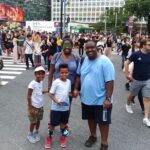
The private format is especially useful for families and mixed-age groups. Guides have adjusted for families of five and groups of eight, kept people together, and made room for lunch, water breaks, shopping, and photographs. You can also ask for a specific type of day, such as temples and food, modern Tokyo, gardens, or a broad introduction to the city.
Other guided tours in Tokyo
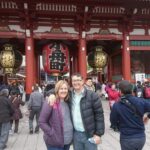
Tsukiji Jogai Market: begin with Tokyo’s food culture
Tsukiji Jogai Market is one of the most rewarding choices for a first morning. The outer market is lined with wholesale and retail food shops, small restaurants, and places selling traditional Japanese ingredients. It is a good spot to see how food fits into everyday city life, not just into a formal restaurant meal.
Plan about an hour here. That is enough for an introduction, a few food discoveries, and perhaps a snack, but not enough for an unhurried market feast plus a long meal. Your guide can explain what you are seeing and help you make sense of the many small shops.
Food is a recurring high point of this experience. Several plans included sushi, with one particularly memorable stop at a local sushi shop and fresh tuna. If lunch matters to you, say so when planning the day. A private guide can make food part of the route rather than treating it as an afterthought.
Senso-ji Temple: Tokyo history with a clear sense of place

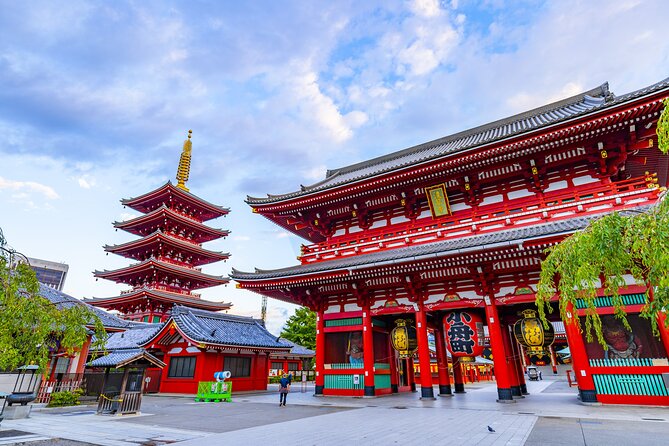
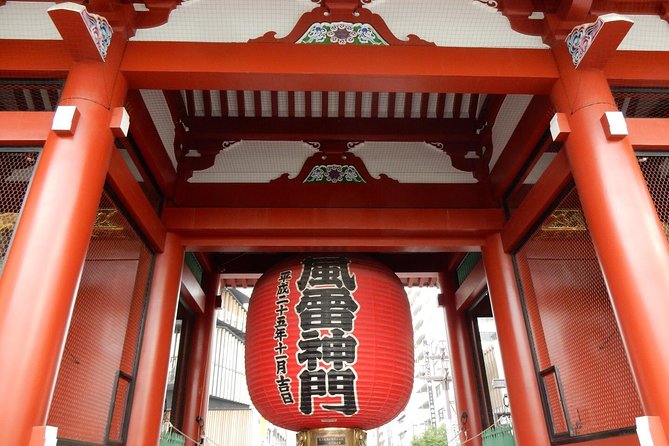
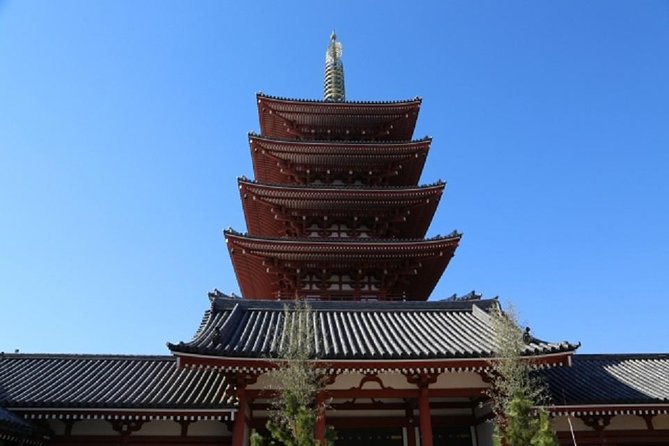
Senso-ji in Asakusa gives you a very different view of Tokyo. The temple grounds include the five-story pagoda and Hozo-mon Gate, also called the Treasure-House Gate. It is one of the city’s most popular sights, so expect a well-known destination rather than a quiet shrine visit.
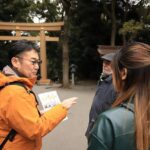
That popularity is not a reason to skip it. Senso-ji offers a strong introduction to Buddhist temple architecture, religious customs, and the older side of Tokyo. A guide can explain what you are looking at and how to behave respectfully, which is more useful than simply taking photographs and moving on.
Allow about an hour. Pairing Senso-ji with Tsukiji works well because both places introduce traditional Tokyo through different senses: food at the market and faith, architecture, and ritual at the temple.
Tokyo Skytree and Tokyo Tower: choose one grand view
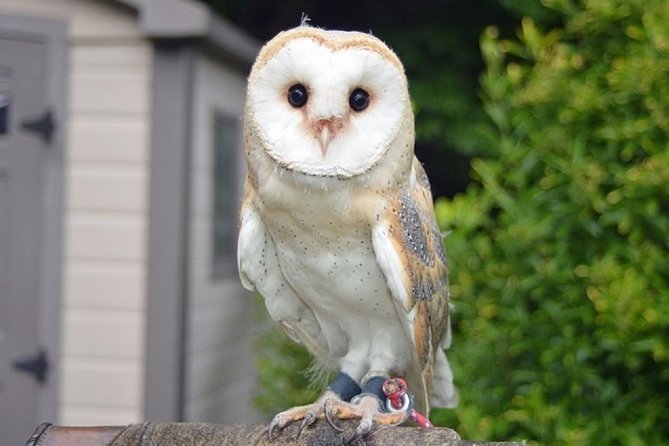
Tokyo Skytree rises 634 meters and has observation areas at about 340 and 450 meters. It is the better choice if you want height and a broad view across the enormous city. Admission is not included, and both your ticket and your guide’s ticket are excluded from the tour price.
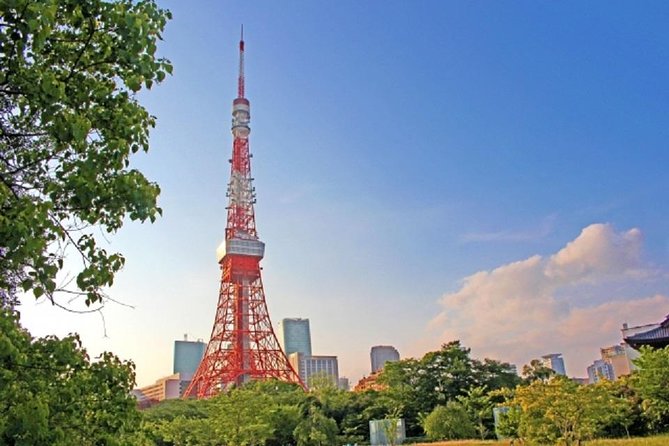
Tokyo Tower is shorter at 333 meters and dates from 1958. Its observation areas include a view cafe, and the tower has its own shrine. Lighting changes after dark, with Landmark Light and Diamond Veil patterns. It is a more historic symbol of postwar Tokyo, while Skytree feels newer and more dramatic.
I would choose one, not both, unless towers are your main interest. Each takes transport time, waiting time, and paid admission. If your main goal is to see Tokyo’s districts from above, Skytree may suit you. If you prefer an older city symbol and a shorter visit, Tokyo Tower may be the better fit.
The tour price covers guiding, not entry. That distinction is important when you compare costs. A private guide may be valuable here because you avoid losing time figuring out the route, but you still need to budget separately for tower tickets.
Ueno Zoo: worthwhile for animal lovers, costly in time
Ueno Zoo opened in 1882 as Japan’s first zoo. It now houses about 400 species, including the Sumatran tiger. The listed visit lasts two and a half hours, making it one of the longest options on the menu.
That time commitment can work well for families or anyone who wants a break from temples and city streets. It can also crowd out other sights. Entry is extra for you and your guide, so ask about the total cost before making the zoo the centerpiece of your day.
Because the tour uses public transport and includes several possible districts, Ueno Zoo is best paired with nearby Ueno or Asakusa interests rather than added casually to a packed route. The private format helps you decide if it fits your pace.
Other private tours in Tokyo


Shibuya Crossing and Meiji Jingu: modern energy beside forested calm
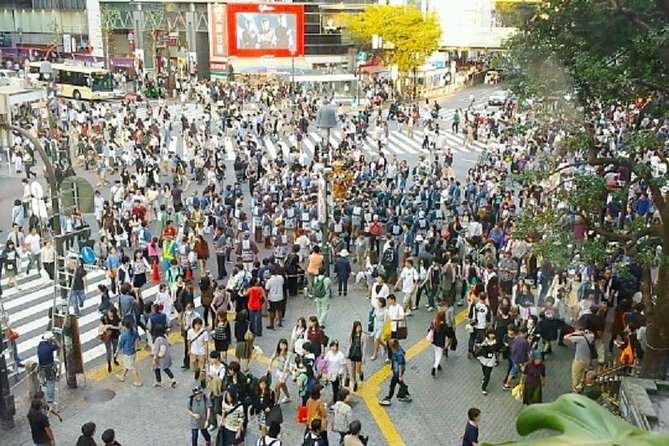
Shibuya Crossing is Tokyo’s famous scramble crossing, with huge flows of people crossing at each green light. The planned stop is only 30 minutes, which is about right for watching the crossing, taking photographs, and getting a quick feel for the district.
Do not expect a full Shibuya visit in half an hour. You will not have time for serious shopping or a long meal. Still, the crossing makes a good short stop between larger visits, especially if modern Tokyo is high on your list.
Nearby Meiji Jingu offers a sharp change of mood. Built in 1920, it honors Emperor Meiji and Empress Shoken, and people visit throughout the year. The shrine is a useful place to learn about Japanese customs and the role of worship in city life.
Give Meiji Jingu about an hour. The two stops complement each other: Shibuya shows Tokyo’s speed and spectacle, while Meiji Jingu gives you a more reflective place to walk and observe. If you have limited time, this pairing is one of the most efficient choices.
Shinjuku Gyoen and Hamarikyu Gardens: two very different green escapes
Shinjuku Gyoen National Garden combines a formal garden, a landscaped garden, and a Japanese garden. It was created as an imperial garden in 1906 and represents the Meiji period. The planned visit lasts about an hour, though the garden can easily absorb more time if you want a slow walk.
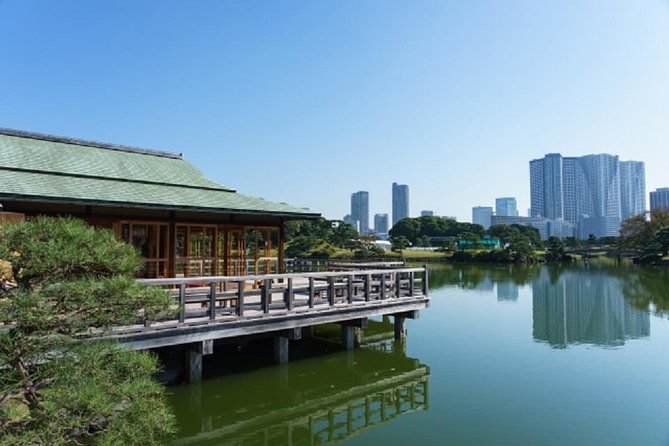
Hamarikyu Gardens covers about 250,165 square meters around Shioiri Pond. Its moat is filled by Tokyo Bay, giving the garden a direct connection to the city’s waterfront. It opened to the public in 1946.
Both gardens are paid attractions, and admission for you and your guide is not included. I would choose one based on location and your wider plan. Shinjuku Gyoen fits naturally with western Tokyo sights. Hamarikyu works better with Tsukiji and the bay area.
These gardens are also smart choices if you need a calmer hour in a long day. Tokyo can be noisy and demanding. A garden visit gives you space to slow down, but do not assume it will remove the walking involved.
Owl and hedgehog cafes: unusual stops with practical limits
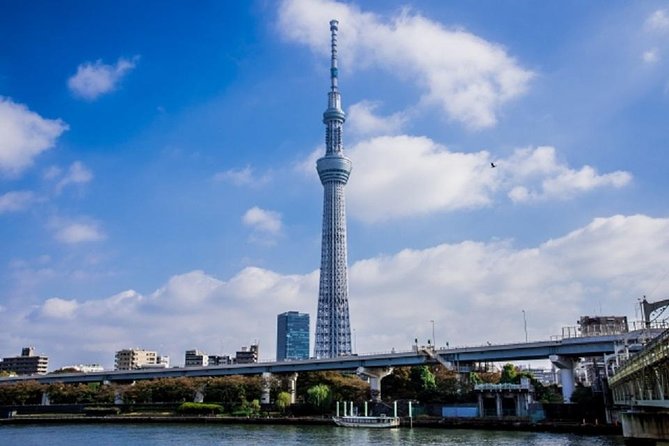
Owl cafe Tokyo Akiba Fukurou offers interaction with owls in a setting that uses classical music. The visit is listed as one hour, and admission is extra. It is an unusual choice for animal lovers and families, but it is not a substitute for a major Tokyo sight.
Chiku Chiku Cafe lets you interact with hedgehogs while having drinks. It does not open for lunch or dinner and serves drinks only. Some hedgehogs want to play, while others may sleep in your hands, so the experience can be gentle and unpredictable rather than nonstop activity.
Animal cafes also require careful planning. One booking included an animal cafe that was closed, so ask your guide to confirm opening hours before building the whole day around one. These stops work best as add-ons when you have already covered your main priorities.
What the guides add to the day
The best part of a private tour is not simply being led from one pin on a map to another. It is having someone explain customs, answer questions, take pictures, and adjust the pace when your group needs food, water, or a change of plan.
Kono is repeatedly described as friendly, efficient, and helpful with public transit. His tours have included Tsukiji, sushi, Senso-ji, animal cafes, shopping, and cherry-blossom stops. Yumi has been praised for patience with families and for making time to explain Japanese customs.
Yumiko has led a six-hour walking plan covering four selected sights and helped a group navigate the subway. Yoshi has worked with guests to choose both the sights and their order. Yoshio has been singled out for patient answers and ease with the train system, even during a rainy day that involved about 22,000 steps.
These names are useful preferences to note, but you cannot assume a particular guide unless the provider confirms one. Guide quality is not perfectly uniform. One person found the English difficult and felt the guide walked too far ahead, so speak up early if you need slower walking or clearer explanations.
The real cost: $132.14 plus transport and admission
At $132.14 per person, this is not the cheapest way to see Tokyo. You also pay admission for your guide and yourself at paid attractions, and the tour uses public transportation rather than including private cars.
The value improves when you are short on time, traveling with several people, or uneasy about Tokyo’s train system. A guide can help you avoid wrong turns, organize a sensible route, explain what you are seeing, and keep a family or group moving together. Reviews describe groups of five and eight being handled with patience and care.
The value drops if you are comfortable with trains and want to visit only one or two free sights at your own speed. You may spend much of the day walking between stations, transferring lines, and keeping up with the schedule. A private tour does not turn Tokyo into a compact city.
Ask yourself what you are buying: not a private vehicle or included tickets, but time, planning, interpretation, and confidence. For a first day, that can be worth the price.
Timing, walking, and meeting details
You can choose from several start times, and the activity lasts roughly four to ten hours. Pickup is offered from your hotel lobby if it is within Tokyo’s 23 wards. The tour is private, so only your group takes part.
Wear comfortable shoes and tell the guide about mobility limits before the day begins. Public transit in Tokyo can involve many stairs and long station walks, and one person with mobility problems found the system less accessible than expected. Even a rain-friendly plan may still involve substantial outdoor walking.
The tour is generally suitable for most people, but the pace depends on your chosen sights. A day built around gardens, markets, and temples may feel easier than one that combines distant districts, a zoo, a tower, and multiple train transfers.
Confirmation is provided at booking, and free cancellation is available up to 24 hours before the start time. After that cutoff, changes and refunds are not accepted. Because two serious complaints involved a wrong date and an unavailable guide, check your meeting date and guide details soon after booking.
Who should book this private Tokyo tour
I would recommend it to first-time visitors who want a fast introduction without spending their first day learning the train system alone. It also suits cruise passengers with a short window, families that need help staying organized, and groups with a clear wish list.
Food-focused visitors should ask for Tsukiji and sushi. Culture-focused visitors should consider Senso-ji, Meiji Jingu, and one garden. Fans of modern Tokyo can build a day around Shibuya, a tower, and Shinjuku. Families may prefer Ueno Zoo or an animal cafe, provided opening times are confirmed.
I would hesitate if you dislike brisk walking, have strict accessibility needs, or want a slow, spontaneous day. I would also avoid cramming every listed stop into ten hours. The best results come from choosing a few areas that fit together.
Should you book it?
Book this tour if you want a personal guide for Tokyo’s trains, a flexible route, and help mixing famous sights with food or unusual stops. The 4.7 rating from 130 reviews and 93 percent recommendation figure reflect strong satisfaction, especially for guides such as Kono, Yumi, Yoshi, Yumiko, and Yoshio.
Before paying, decide your top three priorities, ask how many paid admissions will be added, and request a realistic walking plan. Confirm the meeting date and accessibility needs. If you do that, this can be a very useful first day in Tokyo, especially when your time is short and the city feels like a puzzle.
FAQ
How long does the private Tokyo tour last?
The experience lasts approximately 4 to 10 hours. You choose the length when planning your private day.
Where does the guide meet the group?
The guide meets you in the hotel lobby if your hotel is located within Tokyo’s 23 wards.
Is transportation included?
Public transportation to and from the tour locations is used, and the guide accompanies you. Admission fees are not included.
Are entrance tickets included?
No. Admission for customers and guides is not included. This applies to paid stops such as Tokyo Skytree, Tokyo Tower, Ueno Zoo, Shinjuku Gyoen, Hamarikyu Gardens, and the animal cafes.
Can I choose which Tokyo sights to visit?
Yes. The tour is private, and you can choose the places that interest you and the order in which you visit them, with the guide helping create a workable plan.
Is this tour suitable for most people?
Most people can participate, but the day involves public transportation, walking, and possibly many stairs. Tell the provider about mobility concerns before booking.
What is the cancellation policy?
You can cancel up to 24 hours before the start time for a full refund. Cancellations or changes made less than 24 hours before the start time are not accepted, and the amount paid is not refunded.
More Private Tours in Tokyo
More Guided Tours in Tokyo


More tours in Tokyo we've reviewed












Guided, compared.
 ★ 5.0Tokyo 6hr Private Tour with Government-Licensed GuideFrom $155
 ★ 4.9Tokyo: Shinjuku Local Bar and Izakaya Guided Walking TourFrom $343 hours
 ★ 4.8Tokyo: Private City Highlights Tour with Local GuideFrom $1064 - 8 hours
 ★ 4.9Tokyo: Tsukiji Fish Market Guided Walking TourFrom $222 hours
 ★ 5.0Tokyo 4hr Private Tour with Government-Licensed GuideFrom $109
 ★ 5.0Tokyo Guided Small-Group Biking TourFrom $106