Reviewed · TOKYO FOOD TOURS
Tokyo Local Food Tour: Noodles, Skewers, Dumplings, Sweets
Tokyo’s best food memories often begin in a narrow restaurant you would never have found alone. This Shimbashi food tour takes you from dumplings to udon, yakitori, drinks, and a fish-shaped sweet, with a guide handling the menus and ordering.
In This Article
- Key points to know before booking
- Why Shimbashi is a smart place for a Tokyo food tour
- Meeting at SL Square at 6:30 pm
- First course: gyoza and a drink near Shimbashi Station
- Second course: a bowl of udon
- The main event: yakitori and included drinks
- Finishing with taiyaki
- What the guide adds to the meal
- How much food do you get for $74.64?
- Dietary rules and practical limits
- Who will enjoy this Shimbashi evening?
- Should you book the Tokyo Local Food Tour?
- FAQ
- How long is the Tokyo Local Food Tour?
- What time does the tour start?
- Where does the tour meet?
- Where does the tour finish?
- What food is included?
- Can children drink alcohol on the tour?
I like the short walks between stops, and I like the easy rhythm of eating four different bites in about two hours. Guide Ryu is praised for fluent English, warm conversation, and useful restaurant suggestions. The main catch is that the food is familiar Japanese comfort fare, not a parade of rare or unusual dishes, and the operator says it cannot accommodate vegetarian, vegan, or gluten-free diets.
Key points to know before booking

- Four food stops near Shimbashi Station: Gyoza, udon, yakitori, and taiyaki form the evening’s menu.
- Guide Ryu is often the host: He is known for clear English, humor, cultural tips, and help with ordering.
- The tour begins at 6:30 pm: Meet at SL Square and finish back at the same meeting point.
- Drinks are part of the evening: The yakitori stop includes an all-you-can-drink alcohol option.
- Come hungry: Several people found the food plentiful, especially once noodles and skewers were added.
- Dietary limits matter: Vegetarian, vegan, and gluten-free requests cannot be accommodated under the stated policy.
Why Shimbashi is a smart place for a Tokyo food tour
Shimbashi is a working neighborhood with a strong after-work eating culture. It is not presented as a grand sightseeing route. Instead, the point is to see how an ordinary Tokyo evening can unfold around a major station: quick dumplings, a bowl of noodles, skewers with drinks, then a sweet to finish.
That makes the setting useful for your first or second night in Tokyo. You get a sense of local dining habits without having to decode every menu or work out which small restaurant will welcome a first-time visitor. The route stays close to Shimbashi Station, with the food stops only a few blocks apart, so most of your time goes toward eating and talking rather than finding your way.
I especially like this format for anyone who feels a bit nervous about ordering in Japan. The guide leads the way, gets the group seated, and helps explain what is being served. You still get to taste ordinary Japanese dishes, but with someone nearby to answer the questions that can make a casual meal feel complicated.
The tour has a maximum of 20 people. That is small enough to remain manageable, though it is not the same as a private night out. Private bookings are also possible based on the experiences described, and solo departures have been run, but you should not assume every date will be private.
A few more Tokyo tours and experiences worth a look
Meeting at SL Square at 6:30 pm

The starting point is SL Square, at 2-chōme-7-先 Shinbashi in Minato City. The spot is near public transportation and is easy to identify by the famous steam locomotive display. Allow enough time to get there, especially if you are coming from another part of Tokyo.
The meeting lasts only about five minutes before the group moves on. This is not a long orientation or a sightseeing stop. Its value is practical: arrive on time, find the guide, and let somebody else take over the route.
The tour ends back at the meeting point after roughly two hours and 15 minutes. That return is handy if you want to continue your evening near the station or need a familiar place from which to catch your train. The listed start time is 6:30 pm, so plan on eating dinner during the tour rather than before it.
First course: gyoza and a drink near Shimbashi Station
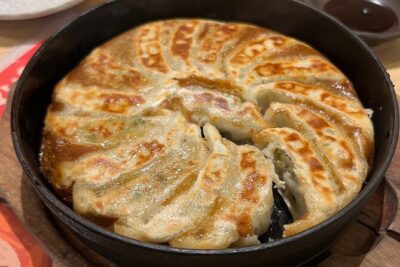
The opening food stop is Japanese dumplings, usually called gyoza. This is a sensible first plate because gyoza are familiar enough for cautious eaters but still show how Japanese restaurants handle a simple dish with care.
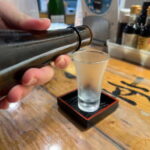
The meal also includes drinks. The descriptions mention enjoying a drink with the dumplings, giving you an early chance to ask the guide about Japanese food and drinking customs. If you do not drink alcohol, the available experience indicates that alternatives may be possible, but the specific nonalcoholic choices are not listed. Tell the provider about your needs rather than assuming the menu.
This stop is less about discovering an obscure specialty and more about settling into the evening. A guide who can order for the group makes a difference in a compact restaurant, where menus may be in Japanese and staff may have limited English.
You may find the gyoza similar to dumplings you have already eaten elsewhere. That is the fair criticism of this tour: it focuses on recognizable foods. Still, eating them in a local Shimbashi setting, with an explanation of what you are having, can be more useful than ordering the same dish from a familiar international menu.
Second course: a bowl of udon
Next comes udon, the thick wheat noodle dish. The stop lasts about 20 minutes, so expect a focused meal rather than a long restaurant visit. Some descriptions call the noodle shop tucked away and difficult for a first-time visitor to locate, which is exactly where a local guide earns his keep.
Udon adds a different texture and pace to the meal. After the small dumplings, a warm noodle bowl makes the food feel more substantial. It also gives the guide another chance to explain how to approach Japanese noodles, from the broth to the proper way to eat them.
I would save room here. The tour keeps adding food, and the noodle course is one reason several participants found the total amount generous. If you have a small appetite, you may need to eat slowly or treat the tour as a series of shared tastes rather than four full dinners.
The menu may not be adventurous. One account found the dishes very good but not especially unusual, noting that dumplings and noodles were foods already familiar to the group. That is worth keeping in mind if you are searching for obscure regional cooking. For a relaxed introduction to everyday Japanese dining, though, udon fits the bill.
The main event: yakitori and included drinks

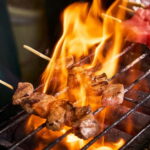
The longest stop is yakitori, with about an hour set aside for Japanese skewers and an all-you-can-drink alcohol option. This is the social center of the night. Yakitori restaurants are built around small portions, shared ordering, and conversation, so the format works well for a group.
Expect several varieties of skewered food rather than one single plate. The available descriptions specifically mention chicken skewers, though the exact selection can change. Since the full menu is not provided, you should not book this expecting a fixed list of every skewer.
The drink package is a major part of the value for adults who want to participate. It can make the tour feel like a Japanese evening out rather than a sequence of tastings. At the same time, all-you-can-drink can be more than you need. If you drink little or not at all, the food and guide are still the core reasons to book, but the included alcohol will not add much value for you.
Japanese law prohibits alcoholic beverages for anyone under 20. The tour information refers to guests below age 19, but the practical point is simple: minors cannot drink alcohol in Japan. Families with teenagers can still consider the food tour, but the alcohol element will not apply to them.
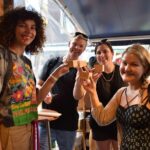
This hour also gives you the best chance to talk with Ryu. He is repeatedly described as friendly, funny, attentive, and easy to understand in English. He has answered questions about Japanese culture, chatted with teenagers about manga, and offered restaurant tips for Tokyo, Kyoto, and Osaka. That personal exchange may be the most memorable part of the evening for you.
A few more Tokyo tours and experiences worth a look


Finishing with taiyaki

The last stop is a Japanese sweet called taiyaki, a fish-shaped cake. It is often filled with custard or red bean paste, though the supplied details specifically note a custard-filled version in one account. You may recognize it from social media, but eating it fresh at the end of a food walk gives the familiar shape more context.
The stop takes about 10 minutes. It is a neat finish because the dessert is portable, simple, and not as heavy as another sit-down course. After gyoza, udon, and skewers, that matters.
Taiyaki is also a good example of the tour’s overall approach. You are not being asked to master a complicated dish. You are getting a practical taste of food you can look for again during the rest of your stay.
What the guide adds to the meal
A food walk is only as useful as its host, and Ryu receives the strongest praise in the available feedback. The qualities that come through most clearly are his English, organization, humor, and willingness to help after the tour.
He has contacted participants before the meeting, helped people who were lost, and shared extra restaurant recommendations afterward. That kind of care is useful in Tokyo, where a small mistake with a station exit can put you several blocks from the right place.
Ryu also seems comfortable with different kinds of groups. Parents have found him engaging with teenagers, couples have enjoyed the easy conversation, and larger groups have been handled without fuss. The tone is casual rather than formal. You should expect a friendly evening with food and conversation, not a lecture on Japanese cuisine.
Guide names in the available accounts are not fully consistent. Ryu is the name most often attached to the evening, while a few accounts refer to Ryo, Lou, or Liu. If having a particular guide matters to you, confirm that when booking. The provider is True Japanese Food.
How much food do you get for $74.64?

At $74.64 per person, this tour costs more than simply buying one bowl of noodles and a few skewers on your own. The comparison is not quite fair, since the price includes four stops, food, drinks, a guide, menu help, and the work of arranging the route.
I see the value in the first-night convenience. You avoid the risk of choosing four places at random, and you receive suggestions you can use later in the trip. The short walking distances also keep the night efficient.
The value is weaker if you do not drink, have strict food restrictions, or already feel confident ordering in small Japanese restaurants. It is also less compelling if you want high-end dining or rare regional specialties. One negative assessment found the food plentiful and good but not especially different from dishes already eaten independently.
For most people, I would judge the price fair if the tour replaces a dinner and helps you get comfortable with Tokyo’s casual food scene. Come with a strong appetite, but do not eat a large meal beforehand. Four stops in just over two hours can add up quickly.
Dietary rules and practical limits
The operator states that vegetarian, vegan, and gluten-free diets cannot be accommodated. This is the clearest reason some people should skip the tour. Japanese food can contain fish stock, soy, wheat, seafood, and meat in ways that are not obvious from an English translation.
A few individual accounts describe successful attention to soy or shrimp allergies. That is encouraging, but it should not override the official restriction. If you have a serious allergy or need strict ingredient control, do not rely on an informal adjustment at the restaurant.
The experience is near public transportation, and most people can participate. The route returns to the meeting point, uses short walks between nearby stops, and includes a mobile ticket. No special physical demands are listed, but you should be comfortable moving between several eateries during an evening.
Free cancellation is available if you cancel at least 24 hours before the 6:30 pm start time. Changes or cancellations inside that window are not accepted for a refund.
Who will enjoy this Shimbashi evening?
I would recommend it most strongly to:
- First-time visitors who want help ordering local food
- Solo participants who would rather eat with a small group
- Couples looking for a casual evening instead of a formal meal
- Families with older children or teenagers who enjoy trying several dishes
- People who want restaurant ideas for the rest of a Tokyo stay
- Adults who enjoy yakitori and included drinks
I would be more cautious if you want vegetarian, vegan, or gluten-free food. I would also look elsewhere if your main goal is sushi, luxury dining, unusual ingredients, or a detailed food-history lesson. Sushi is not part of this route, and the menu centers on popular everyday dishes.
The tour can also work well as an early-trip confidence builder. You learn the feel of ordering, see how small restaurants operate, and leave with a few dishes you can recognize later. That practical boost can be worth more than a single flashy meal.
Should you book the Tokyo Local Food Tour?
Book it if you want a friendly, organized introduction to ordinary Japanese eating in Shimbashi. The strongest reasons are the compact route, four included food stops, menu help, and Ryu’s approachable style. You get gyoza, udon, yakitori, drinks, and taiyaki without spending the evening studying station maps.
Skip it if you need strict dietary accommodation or expect every dish to be new and surprising. The food is familiar, filling, and local in setting, but not designed as an exotic tasting menu.
For most omnivorous visitors, especially on a first Tokyo trip, I think the $74.64 price makes sense when you value ease, conversation, and a ready-made dinner. Arrive at SL Square before 6:30 pm, bring an appetite, and treat the evening as a friendly introduction to the city’s everyday food culture.
FAQ
How long is the Tokyo Local Food Tour?
The tour lasts approximately 2 hours and 15 minutes.
What time does the tour start?
The tour starts at 6:30 pm.
Where does the tour meet?
The meeting point is SL Square at 2-chōme-7-先 Shinbashi, Minato City, Tokyo 105-0004, Japan.
Where does the tour finish?
The activity ends back at the meeting point.
What food is included?
The tour includes Japanese dumplings or gyoza, udon noodles, yakitori skewers, and a fish-shaped Japanese sweet called taiyaki.
Can children drink alcohol on the tour?
No. Anyone below the legal drinking age in Japan cannot have alcoholic beverages. The tour information specifically states that guests below age 19 cannot drink.
More Dessert Tours in Tokyo




More Food Experiences in Tokyo
More Tokyo Food Tours in Tokyo
More tours in Tokyo we've reviewed












Tokyo Food Tours, compared.
 ★ 5.0Tokyo: Shinjuku Food Tour (13 Dishes at 4 Local Eateries)From $86
 ★ 4.9Tokyo: Shinjuku Food Tour (13 Dishes and 4 Eateries)From $97
 ★ 5.0Tokyo Night Foodie Tour in Shinjuku – Seasonal Sushi, Wagyu BeefFrom $111
 ★ 5.0Eat and Drink Like a Local: Tokyo Ueno Food Tour-Taverns&RamenFrom $95
 ★ 5.0Tokyo: Shibuya Food Tour (13 dishes and 4 Eateries)From $77
Tokyo: Shinjuku Food Tour – 15 Dishes, 3 Drinks, 4 EateriesFrom $723 hours
★ 5.0Tokyo: Shibuya Food Tour (13 dishes and 4 Eateries)From $77
Tokyo: Shinjuku Food Tour – 15 Dishes, 3 Drinks, 4 EateriesFrom $723 hours