Reviewed · MT FUJI DAY TRIPS
Tokyo: Mount Fuji Day Trip with Scenic & Local Stops
Mount Fuji is the star here, but the best part of this tour is the variety of places used to frame it. In one long day, you move from a hilltop pagoda view to a clock shop, spring-fed village, lakeshore, convenience store, and a swan-filled lake. Six Fuji photo stops give you several chances to catch the mountain under changing light and weather.
In This Article
- Key points to know before booking
- Why this Fuji day trip works from Tokyo
- Niikurayama Asama Park and the classic pagoda view
- Hikawa Clock Shop and Fuji above the rooftops
- Oshino Hakkai, clear springs and village details
- Lake Kawaguchi, the day’s best all-around Fuji stop
- Fuji Lawson, an ordinary stop with an iconic backdrop
- Lake Yamanaka and feeding the swans
- Guides, transport, and the pace of the day
- What to pack for a better day
- Who should book this Fuji tour
- Should you book it?
- FAQ
- How long does the Mount Fuji day trip last?
- What is included in the price?
- Are meals included?
- Which places does the tour visit?
- Can I feed swans during the tour?
- What should I bring?
- Is the tour suitable for people with mobility impairments or wheelchair users?
I like the no mandatory shopping stops, which keeps the day focused on sights rather than sales pitches. I also like the helpful mix of guides, including Will, Yulina, Agnes, Yuan, and Tim, who have been praised for friendly service, clear explanations, humor, and careful attention to the group.
The main drawback is simple: this is a packed day of about 10 hours, and Mount Fuji may hide behind clouds. Traffic can cut visits short, especially on weekends and holidays, so do not schedule a same-day flight, Shinkansen, or tight evening commitment.
Key points to know before booking
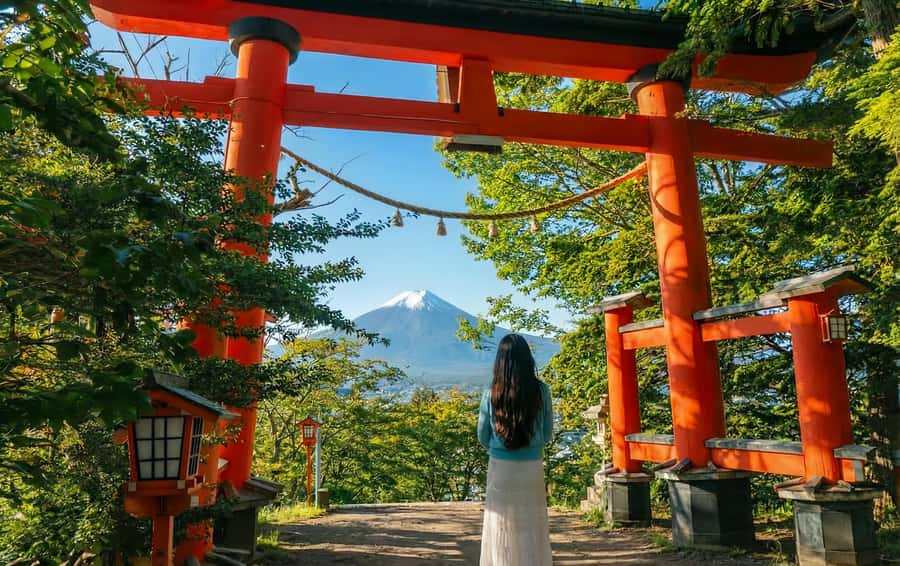
- Niikurayama Asama Park gives you the classic pagoda, cherry blossoms, and Mount Fuji view, but the hilltop setting requires a climb.
- Hikawa Clock Shop offers one of Japan’s most recognizable street photographs, with Fuji framed above a retro shopping street.
- Oshino Hakkai adds clear spring water, koi ponds, and a traditional village atmosphere to a day otherwise built around photographs.
- Lake Kawaguchi and Lake Yamanaka provide two different waterside views, including optional seasonal activities and swan feeding.
- The $44 price is strong value for round-trip transport, six stops, a bilingual guide, and a full day outside Tokyo.
- Weather controls the experience, so bring patience, comfortable shoes, and realistic expectations about seeing the summit.
Why this Fuji day trip works from Tokyo
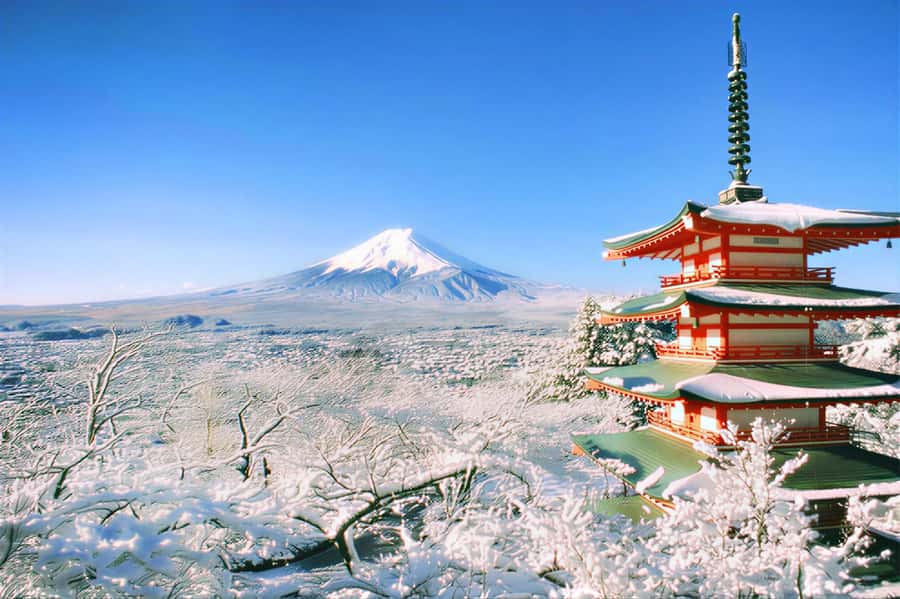
Mount Fuji is close enough to visit from Tokyo, but reaching the best viewpoints on your own can involve several train and bus connections. This tour handles the round-trip transport and links six well-known stops in one route. That matters because the mountain is often hidden by cloud, and moving between several viewpoints gives you better odds of seeing at least part of it.
You should think of this as a photo-focused sightseeing day with cultural side trips, not a quiet nature outing. The schedule is full, and each stop has a clear purpose. You get the famous views, but you also see old streets, spring ponds, lakes, local snacks, and a small family-friendly wildlife encounter.
The tour costs $44 per person. For a full day with transport and a guide, that is a low price, especially if you want the Fuji area without arranging a rental car or several separate tickets. Meals and personal expenses are extra, so the real cost depends on what you buy during the day.
The strongest value comes from the coverage. You are not paying for one viewpoint and a quick return to Tokyo. You are visiting six different settings, each with a different way to photograph Fuji. The tradeoff is time. You see many places, but you will not have hours to linger at each one.
A few more Tokyo tours and experiences worth a look
Niikurayama Asama Park and the classic pagoda view
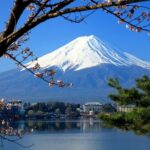
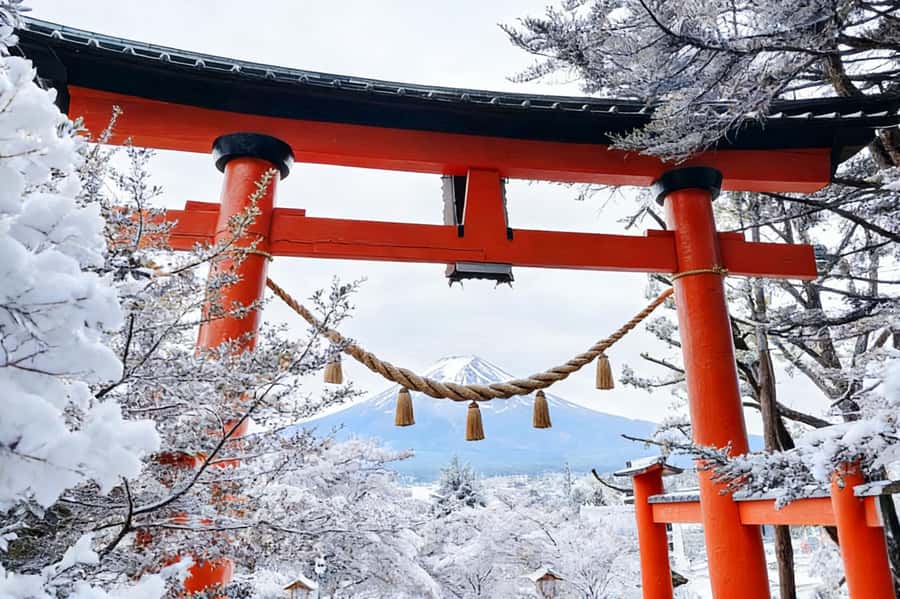
The day begins at Niikurayama Asama Park, one of the most recognizable viewpoints in the Fuji area. From the hilltop observatory, you look across a broad view toward snow-capped Mount Fuji, with the Chureito Pagoda and surrounding town helping create the familiar Japanese postcard composition.
Spring adds cherry blossoms, while fall brings colored leaves. Those seasonal backdrops can make this the most striking stop of the day, but they also bring bigger crowds. If you visit during peak blossom or fall foliage periods, expect a slower pace and more people competing for the same photograph.
Your guide can offer composition advice, which is useful if you are not comfortable planning Fuji photographs yourself. The supplied gear advice is worth taking seriously: a telephoto lens is recommended for Asama Park. A phone can still produce a good image, but a longer lens gives you more control over the pagoda and mountain in the frame.
You should also wear shoes with good grip. The park is reached by mountain paths and a hilltop route, so this is not the easiest stop for anyone with limited mobility. The tour is not suitable for wheelchair users, people with mobility impairments, pregnant women, or people over 70 years old according to the booking restrictions.
Hikawa Clock Shop and Fuji above the rooftops
The Hikawa Clock Shop stop has a completely different mood. Instead of a wide-open park, you walk along a retro streetscape where Mount Fuji appears at the end of the road or above the shopfronts. The contrast between ordinary local buildings and the perfectly placed mountain is what makes the photograph work.
This is one of those places where a guide can save you time. The classic image depends on position, framing, and the direction of the street. A hands-on tutorial for the clock tower and Fuji shot means you can spend less time guessing and more time taking pictures.
The setting is also a reminder that Fuji is woven into daily life, not just viewed from formal observation decks. You are photographing a working local street rather than a purpose-built attraction. Be considerate with your camera, keep clear of entrances, and follow the guide’s instructions about where to stand.
As with most Fuji viewpoints, the result depends on visibility. If clouds cover the peak, the street still offers a retro Japanese scene, but the signature image may not happen. The tour cannot control that part.
Oshino Hakkai, clear springs and village details
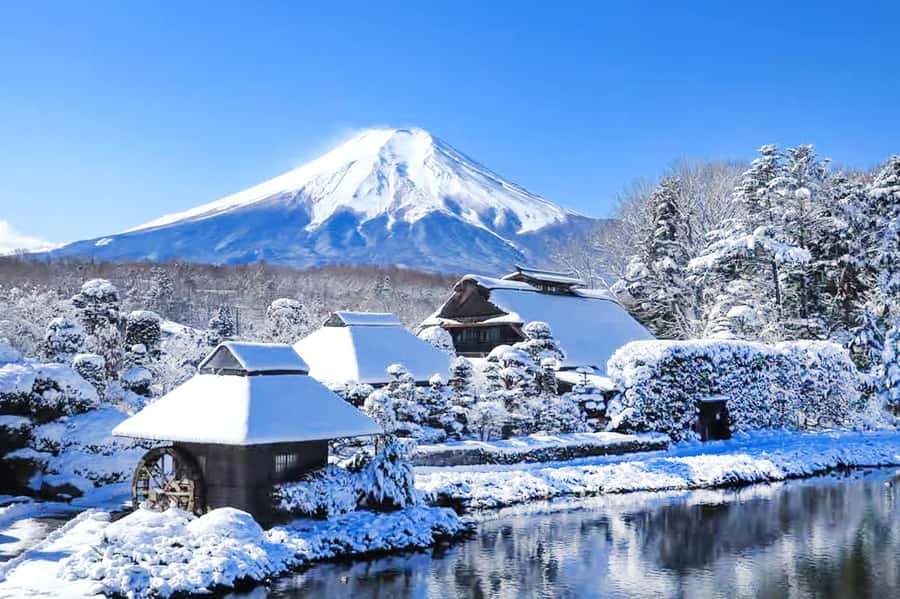
Oshino Hakkai changes the pace and subject matter. The area is known for natural springs with crystal-clear water, koi-filled ponds, and a traditional village setting. After the wide views from the park and street photography at Hikawa, this stop gives you close-up details to photograph.
Look for reflections in the ponds, the koi, village structures, and the movement of water. You do not need a powerful camera here. A phone is enough for many of the smaller scenes, and the clear water makes this a good place to shift from mountain photography to detail shots.
The site is described as UNESCO-listed, which adds cultural interest, but you should not expect a museum visit or a long historical lecture. The attraction is mainly the combination of springs, ponds, and traditional village scenery. Your guide provides cultural context in English and Chinese, depending on the language support available for the group.
This stop also helps the day feel less repetitive. If you only want Mount Fuji from different angles, six viewpoints could blur together. Oshino Hakkai gives you something else to see, and the village setting offers a more grounded view of the region.
Lake Kawaguchi, the day’s best all-around Fuji stop
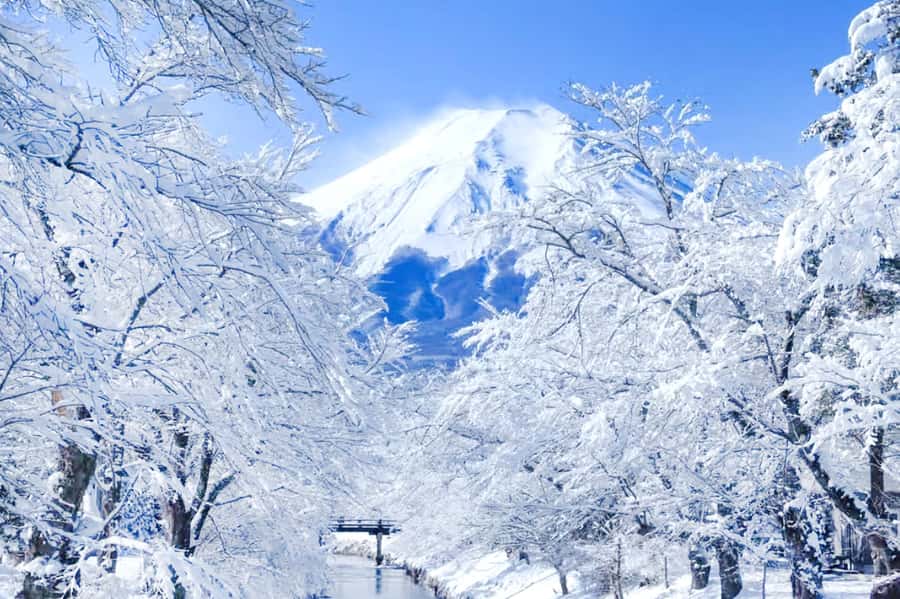
Lake Kawaguchi is often the most photogenic of the Fuji Five Lakes, and it earns a central place in this itinerary. On a clear day, the lake can reflect Mount Fuji, creating a clean horizontal composition that is quite different from the pagoda view at Asama Park.
The lake is especially useful when the mountain is partly hidden elsewhere. One review describes seeing only a small portion of Fuji because of cloud, but still catching part of the mountain at Lake Kawaguchi. That is a realistic way to approach this trip: even imperfect conditions can produce a worthwhile view.
There is an optional seasonal activity for more dynamic Fuji photographs. The information provided does not specify the exact activity or its cost, so ask the guide what is available on your date before counting on it. Seasonal conditions affect both the view and what you can do by the water.
Lake Kawaguchi is also where you may wish you had more time. A full-day route with six stops cannot offer a long, unhurried lakeside visit. You will see the lake as part of a wider tour rather than staying in one area for the afternoon.
A few more Tokyo tours and experiences worth a look



Fuji Lawson, an ordinary stop with an iconic backdrop
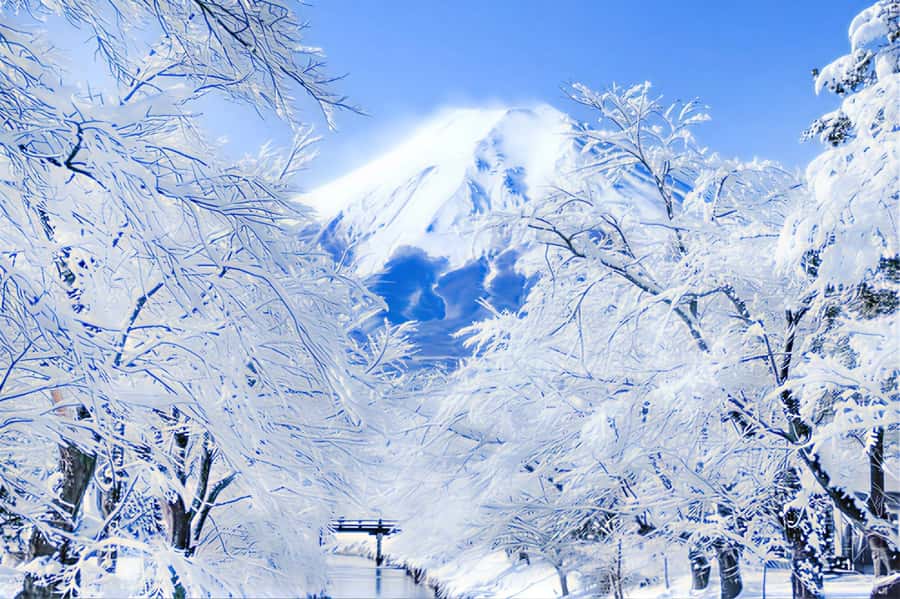
The Fuji Lawson Store is an unusual addition. The blue and white Lawson logo, set against Mount Fuji, has become a popular photo subject. It is not a grand cultural site, but it captures the way modern Japanese daily life and the mountain appear side by side.
Your guide can point you toward Fuji-limited snacks, and a spring mochi snack is included. That small food element is useful because meals are not included, and you will have personal purchases to manage throughout the day. Bring cash as requested, especially if you want snacks or small items along the route.
This stop will appeal most to people who enjoy contemporary Japan and recognizable social media images. If you prefer temples, gardens, and historic buildings, the convenience store may feel less important. Still, it breaks up the traditional scenery and adds a bit of humor to the route.
Remember that food and drinks are not allowed in the vehicle. Plan to eat only during appropriate stops, and do not assume you can use the ride as a moving lunch break.
Lake Yamanaka and feeding the swans
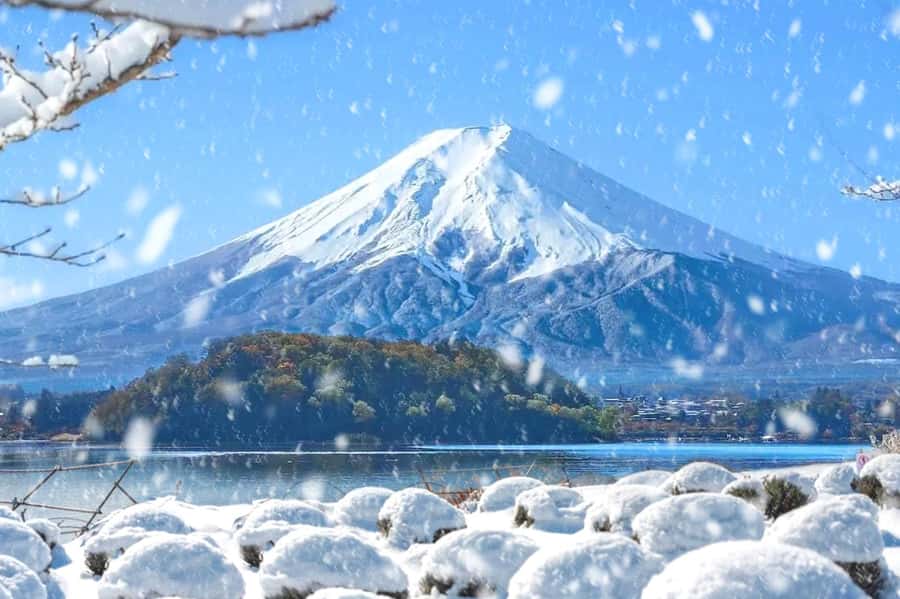
The final stop is Lake Yamanaka, where you can feed swans with Mount Fuji behind them. It is the gentlest part of the day and should work well for families, since swan feeding is suitable for all ages.
The appeal here is less about a single perfect mountain photograph and more about the interaction with nature. Swans in the foreground can add movement and scale, while the lake gives you another open setting for Fuji views. If the mountain is hidden, you still have the birds and water to photograph.
This stop may feel especially welcome after a long day of moving between viewpoints. The tour is fast-paced, and a peaceful lakeside visit gives you a chance to slow down before returning to Tokyo. Do not expect a long nature walk, however. The itinerary includes the swan encounter as one stop within a packed route.
Guides, transport, and the pace of the day
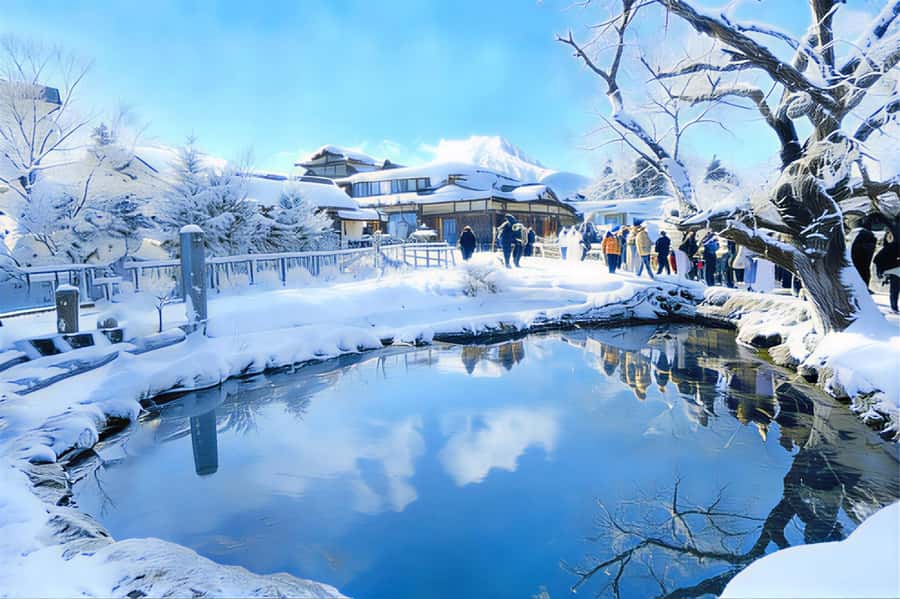
The tour includes round-trip transport from Tokyo and a bilingual English-Chinese guide. On smaller daily groups, the driver may also serve as the guide. That arrangement keeps the group compact, but English commentary can be limited, and there is no commentary while the vehicle is moving.
Guide quality matters on a route like this because the schedule is tight. Will has been especially praised for being kind, funny, and informative. Yulina is described as a strong guide for a roughly 10-hour day, while Agnes is noted for being considerate and helpful when Fuji was covered by cloud. Yuan is praised for careful attention to group needs, and Tim for sharing history and personal experiences.
You may not get one of these specific guides, so treat the names as examples of the service style rather than a guarantee. The important point is that the experience depends partly on the assigned guide, particularly when weather or traffic forces changes.
The vehicles have been described as spotless and comfortable, with comfortable seats. That makes a real difference because you will spend a fair amount of time on the road. Weekend and holiday traffic can cause delays, early closures, or shorter visits. The guide may adjust the order or timing of stops when needed.
Do not book this if you need to be back in Tokyo at a precise hour. The operator advises against same-day flights, Shinkansen departures, or tight evening plans. Traffic, weather, disasters, and other events can disrupt the route, and there is no refund for changes caused by such conditions.
What to pack for a better day
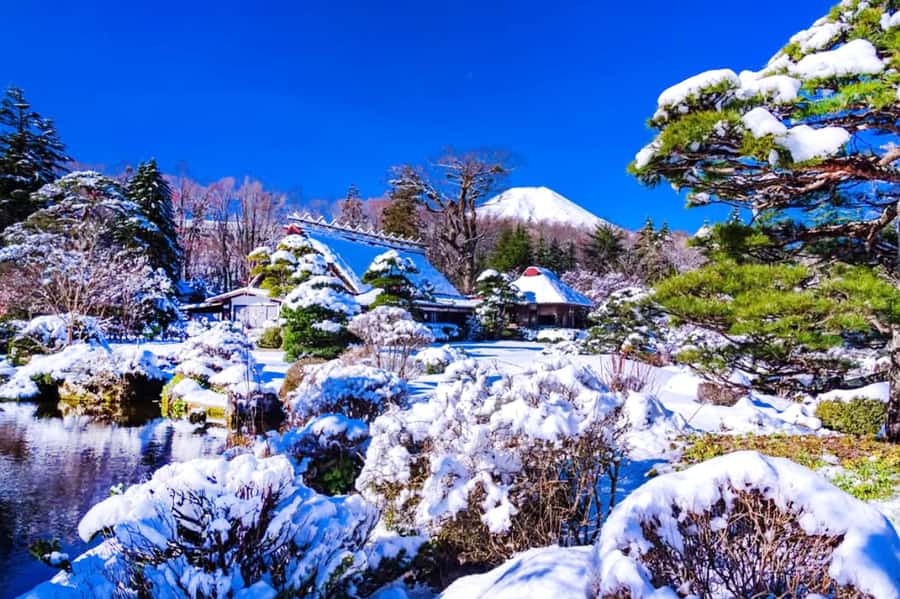
Bring comfortable shoes with non-slip soles. The Asama Park climb and mountain paths are the main reason, but good footwear will also help during repeated stops throughout the day.
A camera is obvious, but a phone works well for many stops. If you own a telephoto lens, bring it for the pagoda and Fuji framing. A small amount of cash is also recommended for snacks and personal expenses.
Pack according to the weather, since conditions can shift the route. If facilities close because of weather, the guide may move time to other stops. That flexibility helps protect the day, but it cannot guarantee a clear view of Fuji.
Luggage requires advance notice and may involve an extra fee. Smoking is not allowed in the vehicle, and eating and drinking are also prohibited there.
Who should book this Fuji tour
I would recommend this tour to you if you have one day in Tokyo and want to see several Fuji-area sights without handling complicated transport. It suits photographers, first-time visitors, families interested in the swans, and anyone who values a broad sightseeing route for a modest price.
It is also a good choice if you want a tour without forced shopping stops or paid extras built into the day. That keeps the $44 price easier to judge. You still pay for meals and personal purchases, but the main route stays focused on scenery and local stops.
I would be cautious if you dislike early starts, long vehicle rides, crowds, or fixed schedules. The day is fast-paced, and poor weather can hide the mountain. It is also unsuitable for wheelchair users, people with mobility impairments, pregnant women, and people over 70 according to the stated restrictions.
The cancellation policy allows a full refund when you cancel at least 24 hours ahead. No refunds are offered for no-shows, late arrivals, or personal cancellations. Confirm your meeting point carefully because it may vary by booking option, and changes require three days of notice.
Should you book it?
Book this Mount Fuji day trip if you want maximum variety for $44 and understand that you are buying a busy sightseeing day, not a slow retreat by the lake. The six stops give you several kinds of photographs and a better chance of seeing Fuji between clouds.
The best reason to choose it is the combination of value and focus. You get transport, a bilingual guide, local scenery, the pagoda view, both lakes, Oshino Hakkai, the Lawson photo stop, and swan feeding without mandatory shopping. Just leave your evening open, wear sturdy shoes, and accept that Mount Fuji sets the terms.
FAQ
How long does the Mount Fuji day trip last?
The tour takes about 10 hours in total, including the journey from Tokyo and the visits to six Fuji-area stops.
What is included in the price?
The price includes a bilingual English-Chinese guide, round-trip transport from Tokyo, and a Fuji spring mochi snack.
Are meals included?
No. Meals are not included, and other personal expenses are also extra.
Which places does the tour visit?
The route includes Niikurayama Asama Park, Hikawa Clock Shop, Oshino Hakkai, Lake Kawaguchi, Fuji Lawson Store, and Lake Yamanaka.
Can I feed swans during the tour?
Yes. Swan feeding at Lake Yamanaka is included as part of the final stop and is suitable for all ages.
What should I bring?
Bring comfortable shoes, a camera, and cash. Non-slip shoes are useful for mountain paths, and a telephoto lens is recommended for Niikurayama Asama Park.
Is the tour suitable for people with mobility impairments or wheelchair users?
No. The tour is not suitable for people with mobility impairments or wheelchair users. It is also listed as unsuitable for pregnant women and people over 70 years old.
More 1-Day Tours in Tokyo
More Mt Fuji Day Trips in Tokyo

More tours in Tokyo we've reviewed












Mt Fuji Day Trips, compared.
 ★ 5.0Mt Fuji and Hakone 1-Day Bus Tour Return by Bullet TrainFrom $163
 ★ 4.0Mt Fuji & Hakone Cruise, Drum Show Bullet Train 1 Day from TokyoFrom $149
 ★ 4.4Tokyo Mt Fuji 5th St & Hakone Cruise Bus Tour w/Bullet TrainFrom $15410 hours
 ★ 4.5From Tokyo: Mount Fuji Full-Day Sightseeing TripFrom $6810 hours
 ★ 4.7Tokyo: Mt. Fuji Tour, Hakone Ropeway, Owakudani, Lake AshiFrom $5410 hours
 ★ 4.4Tokyo:Mt.Fuji,Kawaguchiko Oishi Park,Arakurayama Sengen ParkFrom $5410 hours