Reviewed · TRAIN EXPERIENCES
Snow Monkey Park and Miso Production Tour Bullet Train from Tokyo
The real prize here is Jigokudani Monkey Park, where Japanese macaques gather around a hot spring in the mountains above Nagano. Reaching them takes effort, but the forest walk, cold mountain air, and sight of wild monkeys grooming, playing, and soaking make this much more than a quick photo stop.
In This Article
- Key points to know before booking
- Why the monkeys are worth the long day from Tokyo
- Leaving Tokyo by Hokuriku Shinkansen
- Suzaka and the old craft of miso making
- Obuse, Hokusai, and chestnut country
- The forest path to Jigokudani Monkey Park
- Returning to Tokyo after a long mountain day
- Is $289.91 a fair price?
- Who should book this day trip?
- Should you book it?
- FAQ
- How long is the Snow Monkey Park and Miso Production Tour?
- Is the bullet train included?
- Is a guide present on the bullet train?
- Where do I meet the guide in Nagano?
- Is lunch included?
- How much walking is required at the monkey park?
- Can I see the monkeys bathing in the hot spring?
- What should I wear in winter?
- Can children or people with walking difficulties join?
I like the easy round-trip bullet train connection and the mix of stops: miso production in Suzaka and the Hokusai-linked town of Obuse give you a taste of rural Japan before the monkeys. The drawback is the long day and demanding walk, especially in winter, when ice and snow can make the path slippery.
Key points to know before booking

- Wild monkeys in their own mountain setting: The macaques are not fed or touched, and their behavior can change from day to day.
- A useful rural Japan combo: See miso being made in Suzaka, stroll through chestnut-famous Obuse, then visit the monkey park.
- Reserved shinkansen seats included: You travel between Tokyo and Nagano in an ordinary reserved car, but without a guide on the train.
- Expect about 100 minutes of walking: The route between the Shiga Kogen Roman Museum area and the monkey park takes about 50 minutes each way.
- Winter clothing matters: Jigokudani sits about 850 meters above sea level, and the path may freeze or become slippery.
- A full 12-hour commitment: The day begins around 7:20 a.m. and ends at Tokyo Station around 8 p.m.
Why the monkeys are worth the long day from Tokyo

Japan’s snow monkeys are Japanese macaques, not a special snow-dwelling species. They live in the mountains year-round, and the cold months are when you have the best chance of seeing them soak in the park’s hot spring.
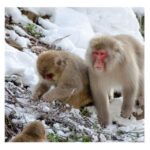
That detail matters. This is not a zoo visit with trained animals performing on schedule. The monkeys decide where to sit and when to enter the water. You may see adults grooming one another, young monkeys playing, or a single macaque enjoying the pool while others remain on the rocks.
The park can be especially atmospheric in winter, with snow around the hot spring and steam rising from the water. The sight is less predictable in warmer weather, and the hot spring bathing may not be visible after around March. Weather, timing, and monkey behavior all play a part. You receive no refund if the monkeys are not bathing.
The walk also shapes the experience. You do not step off a bus beside the hot spring. The route takes roughly 50 minutes each way from the drop-off area near the Shiga Kogen Roman Museum. It includes an uphill section, stairs, and potentially icy ground. The forest and nearby river make the approach attractive, but you need steady footwear and patience.
A few more Tokyo tours and experiences worth a look
Leaving Tokyo by Hokuriku Shinkansen
Your day starts early. You make your own way to Tokyo City i, the tourist information center in the basement of the KITTE JP Tower at 2-7-2 Marunouchi. The listed start time is 7:20 a.m., and the train ride to Nagano takes about 90 minutes.
Your tickets are for the Hokuriku Shinkansen in an ordinary reserved car. This is a comfortable and efficient way to cover the distance, but the arrangement has one important catch: you are on your own during the train rides. The English-speaking National Government Licensed Guide Interpreter joins you at Nagano Station rather than boarding with you in Tokyo.
Allow time to find Tokyo City i and collect your tickets before the trip. Pickup is available from three days before departure through the day before departure, during the center’s stated 9 a.m. to 7 p.m. opening hours. Pickup is not available on the booking day or the following day, and the facility can close without notice.
The ticket arrangement is not ideal for every visitor. You must carry your own luggage, and storage space on the shinkansen is limited. If you miss the designated train, you may use a later same-day train only in the non-reserved section. The scheduled train cannot be changed, and an unused ticket does not qualify for a refund.
At Nagano Station, meet the guide in the concourse on the second floor, in front of the Nagano City Tourist Information Center, by 9:50 a.m. The group departs at 10 a.m. The tour has a maximum of 20 people, though the vehicle may be smaller depending on the final group size.
Suzaka and the old craft of miso making

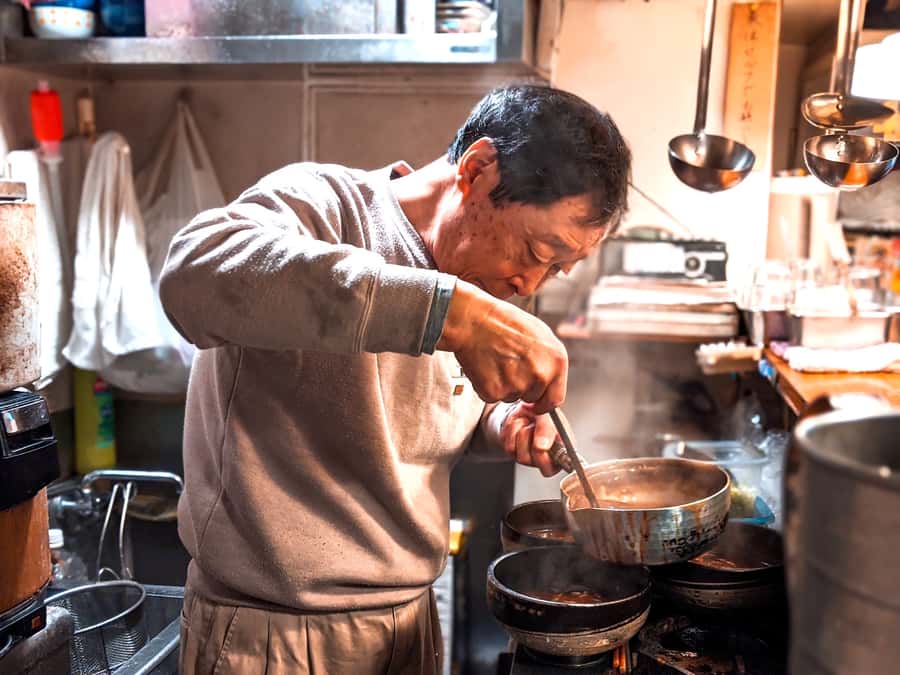
The first stop is Suzaka, where you visit Shioya Jozo, a traditional producer of miso. Miso is one of the basic building blocks of Japanese cooking, especially in miso soup, and it has a close connection to washoku, Japan’s traditional food culture.
The visit lasts about 40 minutes. You see how miso is produced and sample the products. This stop is short, but it adds a useful layer to the day. Instead of only looking at scenic streets and animals, you learn about an ingredient that appears on Japanese tables every day.
The tour was updated for 2025, replacing a former Zenkoji Temple visit with the miso production stop and Obuse. That change makes the day more varied, though anyone expecting a temple visit should know it is not part of the current itinerary.
Do not expect a long cooking lesson or a full food workshop. The appeal is seeing the production process and tasting the finished products. If you enjoy food traditions and small-scale cultural stops, this is a worthwhile use of 40 minutes. If your only goal is the monkeys, it may feel like time taken away from the main event.
Obuse, Hokusai, and chestnut country

Next comes Obuse, a compact town linked with Katsushika Hokusai, the famous ukiyo-e artist who spent his final years there. You have about 80 minutes to stroll at your own pace and take in the traditional townscape.
Obuse is also known for chestnuts. You may find chestnut sweets and other local produce as you walk, though the cost of food is your responsibility. This is the day’s most flexible stop, and it gives you a chance to stretch your legs before the longer route to Jigokudani.
The timing is enough for a pleasant walk, but not a full museum-heavy visit. You should treat Obuse as a short town visit rather than a deep Hokusai study. The value is in the change of pace: old streets, local food, and a small-town feel after the noise and scale of Tokyo.
Lunch is not included. You need to pay for it yourself, and the schedule leaves a limited window around the Obuse visit and later travel. The tour information does not promise a set restaurant or meal, so budget separately and follow your guide’s timing closely.
The forest path to Jigokudani Monkey Park

The final approach is the most physical part of the day. From the vehicle drop-off area, you walk about 50 minutes each way to the park. The route includes a climb, stairs, and uneven sections. In winter, snow and ice can make parts of the path wet, slick, or hard to negotiate.
This is not a good choice for anyone who has trouble walking, and the operator cannot provide special support for visitors with limited mobility or small children. A moderate level of fitness is the minimum, but winter conditions can make the walk feel tougher than the distance suggests.
Wear warm clothing even if Tokyo feels mild. Jigokudani is at roughly 850 meters, so temperatures are cooler than on the plain. In snowy months, winter boots or other non-slip footwear are essential. A lightweight city sneaker is a poor choice here. If the guide decides your cold-weather equipment is not sufficient, you may be directed to rent gear nearby at your own cost.
The path follows the forest and runs near the river, giving the walk a peaceful mountain setting. It is part of the attraction, but you should allow extra time and take care on icy sections. Some parts have stairs and steep inclines, and there is no promise that every section will feel easy or fully protected.
Once inside, you have about two and a half hours at the park. That is a generous amount of time for watching the macaques and taking photographs. Keep food out of sight, do not feed the monkeys, and never try to touch them. They are wild animals, and their actions can change quickly.
The monkeys may be close, but you still need to respect their space. Their social behavior is often more interesting than the bathing itself. Watch for grooming, squabbling, mothers with babies, and young macaques learning how to fit into the group.
The park can close suddenly because of severe weather, seasonal conditions, or unexpected changes in monkey behavior. The tour itself can also be canceled. If the operator cancels, a full refund is provided, but the ordinary disappointment of missing the monkeys cannot be avoided.
Returning to Tokyo after a long mountain day

After the park, you return to Nagano Station by vehicle and board the shinkansen for Tokyo. The ride takes about 90 minutes, again in ordinary reserved seating and without the guide on board.
The tour ends when you arrive at Tokyo Station, usually around 8 p.m. That makes this a genuine full-day outing, not a quick side trip. You should avoid booking an important evening reservation, theater ticket, or airport transfer after the tour.
The timetable can shift because of road congestion, weather, or conditions at the stops. The order of activities may also change. A good guide keeps the group moving, but this is not a leisurely countryside stay. You spend part of the day on trains, part in a vehicle, and part walking.
Guides such as Mariko and Ken have been praised for keeping groups organized, explaining local customs, and helping people through the day’s connections. The guide’s role is most useful after you reach Nagano, since the Tokyo to Nagano train segment is independent.
Is $289.91 a fair price?

At $289.91 per person, this is not a cheap day trip. The price makes more sense when you add up the round-trip shinkansen tickets, local transportation, guide service, and monkey park admission. Organizing the same route independently would require handling the train tickets, Nagano connections, park transportation, timing, and trail logistics yourself.
The package is most valuable if you want to see the monkeys but do not want to spend time planning the route. The guide also adds context at the miso producer and Obuse, while helping the group stay on schedule.
Still, the price does not include lunch, and there is no guide on the train. You are also paying for a tightly managed day rather than a slow visit to Nagano Prefecture. If you are comfortable arranging rail travel in Japan and can spare more than one day, an independent visit may offer more freedom.
Because the tour is often booked about 63 days ahead, popular dates may fill early. The cancellation policy allows a full refund if you cancel at least 24 hours before the start time. Changes or cancellations inside that window are not accepted for a refund.
Who should book this day trip?

I would choose this tour if you have only a few days in Tokyo and want one well-organized escape into the mountains. It suits first-time visitors who want the bullet train experience, a taste of local food culture, and a famous wildlife sight in one day.
It is also a good fit for people who prefer a guide at the destination but do not mind managing a train ride independently. The group limit of 20 keeps it more personal than a huge coach outing, though the actual group may vary.
I would think twice if you have a cane, serious walking difficulty, vertigo, or a young child who cannot manage a long, uneven route. Some families and older visitors may handle the day well with help, but the operator gives no special mobility support. Winter visitors need to take the footwear warning seriously.
The timing also matters. If you want a relaxed visit with long meals, museums, and unplanned wandering, this schedule will feel tight. If you want to see a remarkable animal encounter and are willing to work for it, the long walk is part of the bargain.
Should you book it?
Book it if wild snow monkeys are high on your Japan wish list and you want a simple way to reach them from Tokyo. The combination of shinkansen travel, Suzaka miso, Obuse, and Jigokudani gives the day more depth than a straight ride to the park.
Skip it if the walking conditions, early start, or late return will make the day stressful. Check the season carefully, pack proper shoes, collect your tickets in advance, and leave room in your budget for lunch. With those points settled, this is a strong choice for a memorable day beyond Tokyo.
FAQ
How long is the Snow Monkey Park and Miso Production Tour?
The tour lasts about 12 hours. It begins around 7:20 a.m. in Tokyo and ends at Tokyo Station at approximately 8 p.m.
Is the bullet train included?
Yes. Round-trip Hokuriku Shinkansen tickets from Tokyo to Nagano are included in ordinary reserved seating.
Is a guide present on the bullet train?
No. There is no National Government Licensed English Guide Interpreter on the train between Tokyo and Nagano. You meet the guide at Nagano Station.
Where do I meet the guide in Nagano?
Meet the guide by 9:50 a.m. in the Nagano Station concourse on the second floor, in front of the Nagano City Tourist Information Center.
Is lunch included?
No. Lunch is not included, so you must pay for it yourself.
How much walking is required at the monkey park?
The route between the Shiga Kogen Roman Museum area and Jigokudani Monkey Park takes about 50 minutes each way. The walk includes uphill sections, stairs, and uneven ground.
Can I see the monkeys bathing in the hot spring?
You may see the macaques bathing, especially during colder months through around March. Their behavior depends on the weather and timing, so bathing is not guaranteed and no refund is issued if it does not happen.
What should I wear in winter?
Wear warm clothing and winter boots or other non-slip footwear. Jigokudani is about 850 meters above sea level, and the path may be frozen or slippery when snow is present.
Can children or people with walking difficulties join?
The tour requires moderate physical fitness, and special support is not available for people with walking difficulties or small children. Anyone under 15, or not yet enrolled in middle school, must be accompanied by a parent or guardian. Participants under 18 need written parental permission.
More Winter Activities in Tokyo


More tours in Tokyo we've reviewed












Train Experiences, compared.
 ★ 5.0Mt Fuji and Hakone 1-Day Bus Tour Return by Bullet TrainFrom $163
 ★ 4.0Mt Fuji & Hakone Cruise, Drum Show Bullet Train 1 Day from TokyoFrom $149
 ★ 4.4Tokyo Mt Fuji 5th St & Hakone Cruise Bus Tour w/Bullet TrainFrom $15410 hours
 ★ 4.2From Tokyo: Mt. Fuji & Hakone Tour w/ Return by Bullet TrainFrom $11711 hours
 ★ 4.0From Tokyo 1-Day Kyoto English-guided Tour by Bullet TrainFrom $452
 ★ 4.0Mt. Fuji and Hakone Day Trip From Tokyo with Bullet Train OptionFrom $97