Reviewed · NARITA
Tokyo Layover Tour with Licensed Guide:Narita Airport Dep
Tokyo is too large for a greatest-hits tour in eight hours, so this experience takes a smarter approach: you choose three or four sights, then a licensed English-speaking guide builds the day around them. You might spend your time at Senso-ji and Meiji Shrine, focus on Shibuya and Harajuku, or choose quieter old Tokyo neighborhoods such as Nezu and Shibamata.
In This Article
- Key points for making a Tokyo layover count
- Why this tour works for a Narita layover
- Choosing your four Tokyo stops
- Imperial Palace and Tokyo’s central gardens
- Asakusa, Senso-ji, and the older side of Tokyo
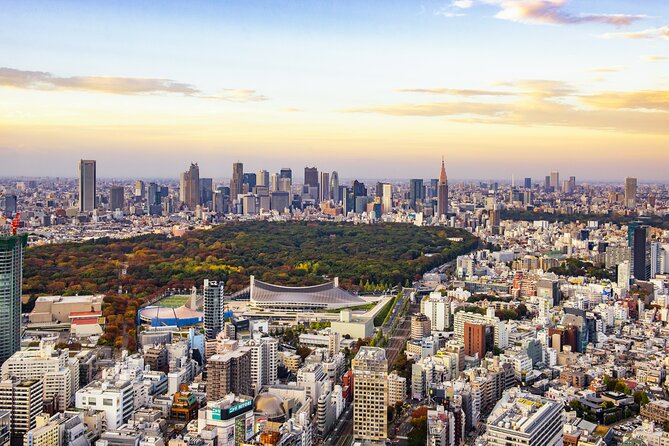
- Meiji Shrine, Yoyogi Park, and Harajuku
- Shibuya, Shinjuku, and Tokyo after dark
- Tsukiji, Akihabara, and Odaiba
- What the guides add to the day
- Price, train fares, and the real value
- Narita timing, walking, and practical limits
- Should you book this Tokyo layover tour?
- FAQ
- Where does the tour begin?
- Where does the tour end?
- How long is the tour?
- How many Tokyo sights can I visit?
- Is the tour private?
- Is a guide included?
- Is transportation included in the price?
- Are entrance fees included?
- Does the tour include lunch?
- Can visitors with walking difficulties take this tour?
I like two things right away. First, the guide meets you inside Narita International Airport, which removes a major source of stress after a long flight. Second, this is a private tour, so the day can change as you go. Masa has adjusted times, neighborhoods, and sights for his group, while Shuji helped a visitor navigate the bullet train and subway system.
The catch is the pace. Tokyo trains, walking, and the return trip to Narita consume much of the day. One traveler found the tour felt like a forced march and wished the guide had slowed down. Choose fewer stops, allow time for meals and photos, and tell your guide clearly what matters most.
Key points for making a Tokyo layover count
- Eight hours from Narita and back: The day includes roughly an hour to reach Tokyo and another hour to return to the airport.
- Three or four sights only: The long list is a menu of choices, not a promise that you will visit every stop.
- Private guide service: Only your group takes part, with a government-licensed English-speaking guide.
- Train travel is part of the adventure: Transportation is not included, but your guide takes you to the station for the return to Narita.
- Traditional and modern Tokyo: Pair Senso-ji or Meiji Shrine with Shibuya Crossing, Akihabara, or Roppongi Hills.
- A walking-heavy day: You need to manage stations, transfers, and city streets comfortably.
Why this tour works for a Narita layover
Narita Airport is not in central Tokyo. Getting from the airport into the city takes time, and the return trip cannot be treated as an afterthought. This tour builds both train journeys into the day, giving you a practical way to see Tokyo without trying to plan every transfer yourself.
Your guide meets you at Narita International Airport, then accompanies you into Tokyo by train. At the end, the guide takes you to the nearest suitable station for the Narita Express or another train back to the airport. That final handoff matters. You are not left in an unfamiliar neighborhood with luggage, a departure deadline, and a maze of ticket machines.
The tour lasts about eight hours, but that is not eight hours of sightseeing. The airport connection takes about an hour each way, leaving a more modest window for the city. I would treat this as a focused introduction, not a full Tokyo tour.
The private format is a real advantage. You do not have to follow a fixed bus route or wait while a large group gathers. You can tell your guide that food matters more than shopping, that you prefer gardens to skyscrapers, or that you want one major temple and one modern district.
If you're still narrowing it down, here are other tours in Narita we've reviewed.



Choosing your four Tokyo stops
The best way to use this tour is to pick sights that belong to the same general part of the city. Tokyo rewards a focused plan. It punishes a checklist that jumps from western Tokyo to the eastern edge and back again.
For a first visit, Asakusa, Meiji Shrine, Shibuya Crossing, and Takeshita Street give you a broad look at old and new Tokyo. If you prefer calm spaces, consider Koishikawa Korakuen Garden, Rikugien Garden, the Imperial Palace area, and Nezu. If modern city life is your priority, Shibuya, Akihabara, Roppongi Hills, and Shinjuku Golden Gai offer a stronger mix.
Tell the guide what you want before the day starts, but also be willing to cut a stop. A 15-minute visit to Senso-ji or Odaiba may give you a quick look and a photograph, but it will not allow much time to understand the place. The stated visit times for some sights are very short, and they should be read as rough planning markers rather than leisurely visits.
Imperial Palace and Tokyo’s central gardens
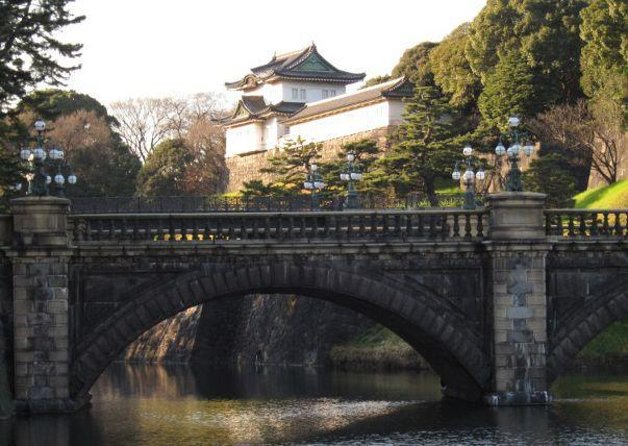
The Imperial Palace occupies the former site of Edo Castle and is surrounded by moats, stone walls, and a large park area. This is a good choice if you want an important central Tokyo setting without paying an admission fee.
You should know that this tour does not include access inside the Imperial Palace. Your visit centers on the outside grounds and surroundings, so do not choose it expecting palace rooms or a long indoor visit.
Tokyo’s gardens offer a different kind of city break. Koishikawa Korakuen is one of the city’s oldest Japanese gardens, created during the early Edo period for the Mito branch of the ruling Tokugawa family. Rikugien, built around 1700 for the fifth Tokugawa shogun, is another strong choice for carefully arranged paths, water, and seasonal scenery.
Hama Rikyu sits beside Tokyo Bay and includes seawater ponds that change with the tides, along with a teahouse. The suggested time here is only five minutes, so you would need to request more time if the garden is central to your plan.
Admission to Koishikawa Korakuen, Hama Rikyu, and Rikugien is not included. The guide’s entry fees are covered only for sights listed under the tour details, so ask about any entrance cost before committing to a garden-heavy itinerary.
Asakusa, Senso-ji, and the older side of Tokyo
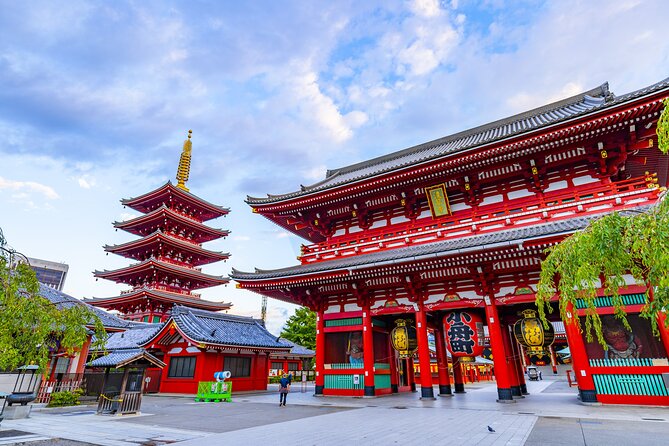
Asakusa is one of the most useful choices for a short Tokyo visit. The district gives you a traditional setting, and Senso-ji is one of the city’s most popular Buddhist temples. Its colorful grounds and long approach make it easy to recognize Tokyo’s older character even during a brief stop.
Senso-ji comes with a local origin story involving two fishermen who found a statue in the Sumida River in the year 628. Your guide can add context and help you understand what you are seeing, rather than leaving you to snap a picture and move on.
Nearby Asakusa is a sensible pairing with the Imperial Palace or Meiji Shrine, but it is not close to every stop on the list. Adding Shibuya, Odaiba, and Shibamata in the same eight-hour window could leave you spending too much of the day on trains.
Shibamata offers another look at old Tokyo, this time on the city’s eastern edge near the Edogawa River and the border with Chiba Prefecture. It retains an old-fashioned town feel and suits you if you want a less polished side of the city. The tradeoff is location: it is not an efficient choice with several western Tokyo districts.
Nezu, along with nearby Yanaka, belongs to Tokyo’s old downtown area. These neighborhoods avoided major damage during wars and natural disasters and retain much of their last-century character. Choose Nezu if local streets and older Tokyo matter more to you than famous crossings and high-rise views.
Meiji Shrine, Yoyogi Park, and Harajuku
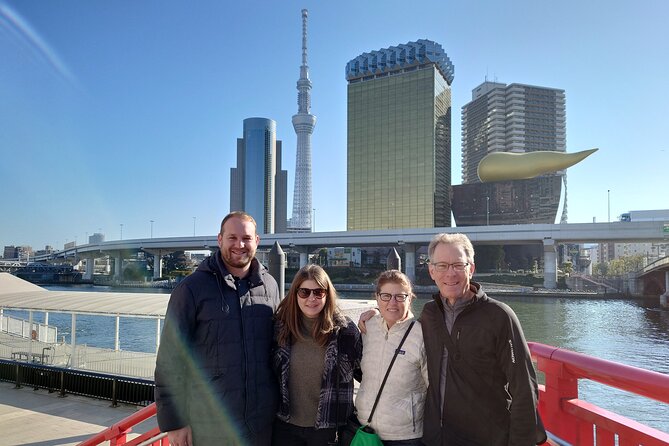
Meiji Shrine sits beside Harajuku Station and honors the deified spirits of Emperor Meiji and Empress Shoken. Its setting gives you a traditional Shinto shrine experience within a major urban district.
The suggested stop is about 20 minutes, enough for a first look but not much more. If you want to walk slowly through the grounds or spend time observing shrine customs, say so when you plan the route.
Yoyogi Park is close by and provides wide lawns, ponds, and wooded areas. It is a useful choice if you need open space after train travel and dense streets. The park works well with Meiji Shrine and Takeshita Street because these stops are near one another.
Takeshita Street is the more youthful side of Harajuku, known for teenage fashion and unusual styles. The area also has broader appeal, but the narrow street can feel very different from the quiet shrine grounds a short distance away.
I like this three-stop combination because it reduces unnecessary travel. You get a shrine, a park, and a fashion district in one part of Tokyo. It also gives your guide room to explain the contrast between religious tradition, public park life, and youth culture.




Shibuya, Shinjuku, and Tokyo after dark
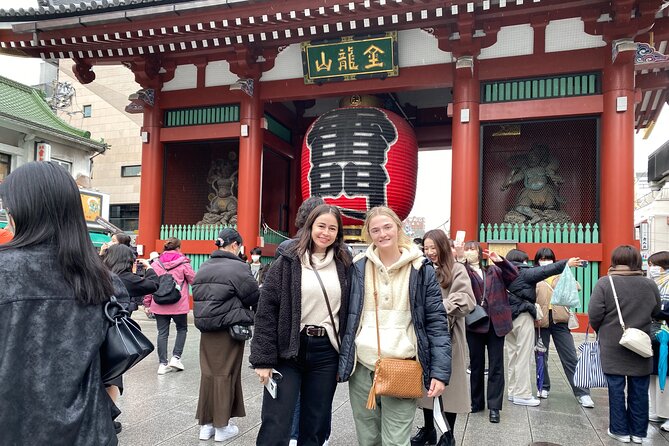
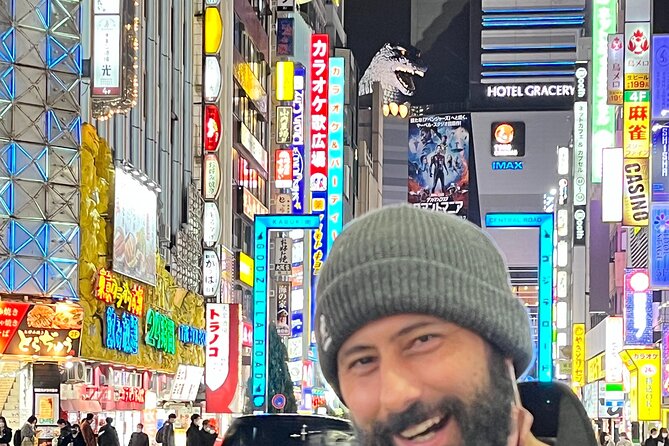
Shibuya Crossing is the city’s famous intersection, and it makes a strong choice if you want one unmistakable image of modern Tokyo. Your stop is about the crossing and the surrounding district, not a dedicated observation deck or paid attraction.
Shinjuku Golden Gai has a very different mood. The small district began around 1950, after a black market near Shinjuku Station relocated and eating and drinking establishments grew in the new area. Its tight lanes and small establishments offer a glimpse of a more intimate nightlife district.
Shinjuku Gyoen National Garden gives you another option in the same broad part of the city. Admission is not included, and the listed adult price is ¥500, with a group rate of ¥400. Seniors and students need valid identification for their reduced rates.
Roppongi Hills combines shops, restaurants, apartments, offices, a hotel, and art facilities in a city-within-a-city complex. It is a reasonable choice if you want modern architecture and urban shopping, though a 15-minute stop will provide only a quick orientation.
You can pair Shibuya with Harajuku, or Shinjuku with Shinjuku Gyoen. I would not try to give all four places equal attention. Pick the one that best matches your interests, then let the guide build the rest of the day around it.
Tsukiji, Akihabara, and Odaiba
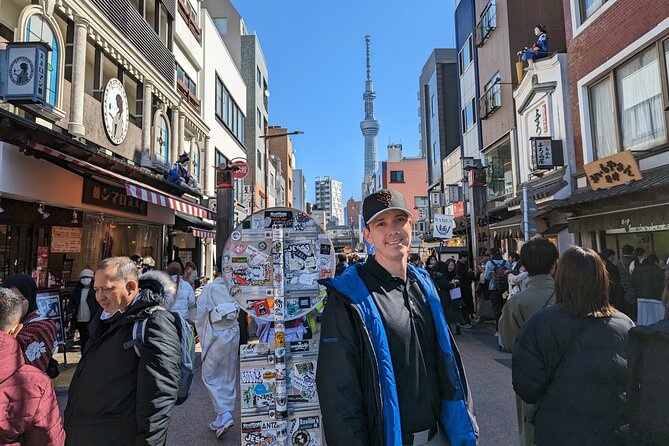
Tsukiji Fish Market is presented as a chance to explore Tokyo’s old fish-market district. It is a useful choice if food is one of your reasons for visiting Japan, though the planned 30-minute stop is brief for browsing and eating.
Ask your guide how much time to reserve if you want to buy food. Lunch is not included, and you are responsible for personal expenses. A short stop may work for a look around, but it may not leave enough time for a relaxed meal.
Akihabara is known for electronics shops and, in recent years, for its role in Japanese anime, manga, and gaming culture. It makes sense for you if modern pop culture or technology is a priority. The listed duration is only five minutes, so request additional time if you want to browse.
Odaiba is a shopping and entertainment district on a man-made island in Tokyo Bay. Its position makes it less convenient than central districts for a short layover. Choose it because you specifically want Odaiba, not simply because it appears on a long list of possible stops.
These three choices illustrate the main planning issue. Tokyo has many appealing districts, but distance matters. Your guide can help, yet no guide can remove the travel time between far-flung neighborhoods.
What the guides add to the day
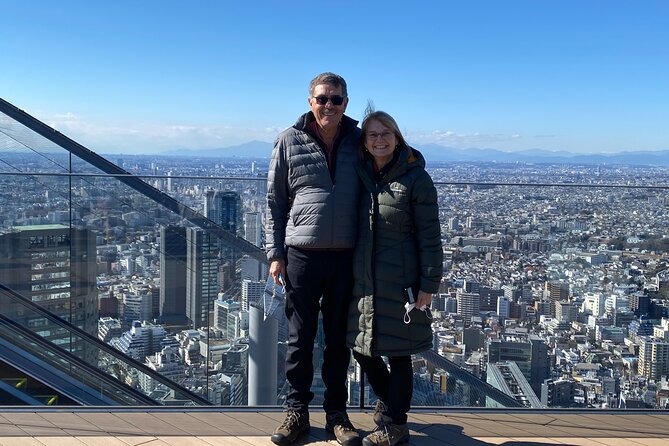
The strongest part of this experience is not simply having someone point out landmarks. It is having a local professional help you use Tokyo’s rail system and make decisions when the clock is running.
Masa helped one group leave the airport smoothly, manage trains efficiently, and change the schedule, city area, and selected sights during the tour. That kind of flexibility is especially useful when your priorities change after you see how long a transfer takes.
Shuji was praised for being punctual, carrying a Welcome sign at the busy airport, and helping with translation. He also guided a visitor through the bullet train and subway system. The available guide may differ, so you should not book expecting a particular person, but these examples show the sort of practical help the tour is designed to provide.
Yoshi adjusted a tour around a group’s requests and added sights based on the locations they selected. The useful point here is not a promise of a specific route. It is that you should speak up about your interests and ask the guide to make the day fit them.
There is one important lesson from the less positive experience: flexibility needs to work both ways. If you want a slower pace, say so plainly at the start. Ask the guide to focus on fewer sights rather than rushing through four or more districts.
Price, train fares, and the real value
The price is $435.74 per person. That is a serious cost for an eight-hour layover outing, especially because transportation, admission fees, lunch, and other personal expenses are not included.
You also pay for the train journey. The stated round-trip Narita Express price is ¥6,140 for adults and ¥3,060 for children, though the fare varies by destination. You should budget for this separately, along with any garden or museum admission.
The value depends heavily on your situation. For a solo visitor or a small group that wants help with Japanese trains, the private guide and custom planning may justify the cost. For a larger party, group discounts may improve the per-person value, but groups cannot be combined with other tour parties.
The tour is less useful if you already know Tokyo’s rail system, have a very short layover, or mainly want to shop at your own pace. In that case, the price of a private guide may be better spent on a single attraction, a meal, or a longer future visit.
Narita timing, walking, and practical limits
This is a walking tour with public transportation. Pick-up is on foot, and the operator does not recommend it for anyone who has difficulty walking or taking public transportation.
Most travelers can participate, and service animals are allowed. Still, you should be honest about your energy level. A layover often follows an overnight flight, and Tokyo stations can involve long walks even when the train ride itself is short.
Build in a safety margin before your next flight. The guide takes you to a station for the return trip, but the tour does not include a private vehicle. You remain responsible for reaching Narita and allowing enough time for airport procedures.
The meeting point is Narita International Airport, at 1-1 Furugome, Narita, Chiba 282-0004. The activity ends back at the airport meeting point after the train ride.
Free cancellation is available if you cancel at least 24 hours before the start time. Cancellations or changes made inside that window are not accepted for a refund.
Should you book this Tokyo layover tour?
Book it if you have a long Narita layover, want a private guide, and would rather spend your limited time seeing Tokyo than planning rail routes from scratch. It is particularly suitable for a first visit, a small group with mixed interests, or anyone who wants help with translation and train connections.
Choose a tight route of three or four sights. Asakusa with Meiji Shrine and Harajuku is a sensible first-day plan. Shibuya with Harajuku and Shinjuku offers more modern Tokyo. Nezu, a garden, and Asakusa suit you better if you prefer quieter streets and traditional settings.
Skip it if the $435.74 per-person price feels high once train fares, food, and admissions are added, or if you want a slow, independent day. Most of all, book only if you can walk comfortably and accept that an eight-hour airport excursion leaves limited time in each district.
FAQ
Where does the tour begin?
The tour begins at Narita International Airport, 1-1 Furugome, Narita, Chiba 282-0004, Japan.
Where does the tour end?
The activity ends back at the Narita airport meeting point after your return by train.
How long is the tour?
The experience lasts approximately eight hours.
How many Tokyo sights can I visit?
You choose three or four sights from the available selection with your guide.
Is the tour private?
Yes. Only your group participates, and you cannot combine multiple tour groups.
Is a guide included?
Yes. The experience includes a licensed local English-speaking guide who meets you at Narita International Airport.
Is transportation included in the price?
No. Transportation fees are not included. The stated adult round-trip Narita Express fare is ¥6,140, while the child fare is ¥3,060, with prices varying by destination.
Are entrance fees included?
No general entrance fees are included. Guide entry fees are covered only for sights listed under the tour details. Admissions for several gardens and Shinjuku Gyoen are specifically not included.
Does the tour include lunch?
No. Lunch and other personal expenses are not included.
Can visitors with walking difficulties take this tour?
The tour is conducted on foot and uses public transportation. It is not suggested for people who have difficulty walking or taking public transportation.
More tours in Narita we've reviewed





Narita, compared.
 ★ 4.5Narita Airport (NRT) Private Transfer to Central TokyoFrom $166
 ★ 4.5Private arrival Transfer from Narita Airport(NRT) to central Tokyo cityFrom $92
 ★ 4.5Airport transfer: Narita, Haneda (Tokyo), HND-NRT Airport shuttleFrom $224
 ★ 5.03 Day Japan Highlights Tour: Tokyo, Mt.Fuji, Nara, Kyoto, OsakaFrom $1,310
 ★ 3.5Tokyo Narita Airport(NRT) : Private Transfers to/from Tokyo CityFrom $92
 ★ 5.0Private Car transfer from Narita airport to TokyoFrom $193