Reviewed · TOKYO
Osaka: Kyoto By The Sea with Amanohashidate & Ine no Funaya
Amanohashidate is the star here: a pine-covered sandbar crossing Miyazu Bay, famous as one of Japan’s three great scenic views. Add Chionji Temple and the floating boat houses of Ine, and you get a rewarding look at Kyoto’s northern coast, far from the usual city circuit.
In This Article
- Key points to know before booking
- Why this coastal day trip is worth your time
- Leaving Osaka early from Tsurutontan Soemoncho
- Seeing Amanohashidate from above and below
- Chionji Temple and the fan-shaped fortunes
- Kaisen Bridge, the beach, and your free time
- Ine no Funaya, a village built over the water
- The coach ride back to Osaka
- Guides, language, and the feel of the day
- Is the $55 price good value?
- Who should book this experience?
- Should you book the Kyoto by the Sea tour?
- FAQ
- Where does the tour start?
- What languages does the guide speak?
- Are meals included?
- How much do the optional rides cost?
- Is the tour wheelchair-accessible?
- Can I cancel the booking?
I especially like the slow pace at the two main stops and the chance to choose your own extras, from a chairlift ride to a boat trip in Ine. Guides such as Yuri, Jun, and Jo have also helped make the day personal by explaining the sights, taking photographs, and even giving some passengers a printed picture.
The main consideration is time. The booking information labels the experience as three hours, but the detailed schedule describes a full-day outing with several hours on the bus. Traffic and weather can also change how long you stay at each stop.
Key points to know before booking

- Amanohashidate gives you Japan’s famous Bridge to Heaven view, with more than 5,000 pine trees running along the sandbar.
- Chionji Temple adds a cultural stop near the beach, including its unusual fan-shaped fortune slips.
- Ine no Funaya is the quieter second half, with traditional boat houses built directly beside the water.
- The optional rides cost extra, including the Amanohashidate chairlift or monorail and the Ine sightseeing boat.
- You get free time rather than a tightly scripted day, useful for lunch, photographs, a beach walk, or a bicycle ride.
- The trip suits people who want to leave Osaka and Kyoto city behind, but you should be comfortable with a long coach journey.
Why this coastal day trip is worth your time

Northern Kyoto feels very different from the temples and shopping streets around central Kyoto. Here, the pleasures are open water, sea air, pine trees, fishing boats, and small coastal communities. You are not simply checking off another major shrine. You are seeing a slower side of Japan.
At $55 per person, the tour offers good value if you want transportation from Osaka and an English or Korean-speaking guide without arranging several train and bus connections yourself. Amanohashidate and Ine are separated from Osaka by substantial travel time, so the included coach matters. Public transport is possible in the wider region, but reaching both places independently requires more planning and less room for error.
The price does not include meals, admission charges, personal expenses, or insurance. You should also budget for the optional rides. The listed cost for the Amanohashidate chairlift or monorail is 850 yen, while the Ine boat is listed at 1,000 yen. One recent booking account reported paying 1,000 yen for the chairlift, so check the current amount before you go.
If you're still narrowing it down, here are other tours in Tokyo we've reviewed.
Leaving Osaka early from Tsurutontan Soemoncho
The meeting point is in front of Tsurutontan Soemoncho. You should arrive before 7:50 AM for the scheduled 8:00 AM departure, with Jtourstory staff waiting for the group. There are two starting and drop-off references for the same location, so confirm the exact meeting instructions when you book.
The first part of the ride takes about 80 minutes. That is followed by a 20-minute stop at Kyotamba-Ajimunosato service area. This is a useful chance to stretch your legs, buy a snack, and get your first taste of regional roadside food before continuing north.
A further 50-minute coach ride brings you toward Amanohashidate. In practical terms, this is a day for sitting back between stops. Bring water, a light layer, and something to occupy you during the longer driving sections. The route is part of the trade-off for reaching places that are not easy additions to a standard Osaka holiday.
Seeing Amanohashidate from above and below

Amanohashidate means Bridge to Heaven, a fitting name for the long natural sandbar crossing Miyazu Bay. More than 5,000 pine trees grow along it, giving the route a distinctive shape when seen from a high viewpoint. The classic way to appreciate the sandbar is from above, where the narrow strip of land appears to link the two sides of the bay.
A visit to Amanohashidate View Land is available as an optional add-on. You can reach the hilltop park by chairlift or monorail for a broad view over the bay and the pine-covered sandbar. The park also has the sky bicycle, which lets you pedal along a raised track while looking out over the scenery.
The sky bicycle sounds like fun for anyone who likes a little motion with a view, but it should not be the sole reason you book the excursion. The attraction is an optional part of the stop, and the supplied information does not specify its separate admission cost. Ask the guide about operating conditions and current fees on the day.
You also have time to enjoy Amanohashidate from ground level. The beach and pine-lined path offer a calmer experience than the hilltop park. You can walk beside the water, feel the sea breeze, or rent a bicycle for a more active ride. Since the schedule allows about two and a half hours in the Amanohashidate area, you should have room to choose rather than rush from one photo stop to the next.
Chionji Temple and the fan-shaped fortunes

Chionji Temple sits close to the Amanohashidate area and gives the stop a cultural focus. The temple is known for large folding fan-shaped fortune slips. You can draw one as a small ritual and souvenir, particularly if you like Japanese customs that are easy to understand without a long guided explanation.
The fan shape is a fitting local detail, and it makes this stop more distinctive than a generic temple visit. You can pause for photographs, look around the grounds, and take a quiet break from the open beach and busy viewpoint.
The temple visit is not designed as an extended religious study. Your time is shared with the beach, bridge, viewpoint, and lunch, so approach it as a compact cultural stop. I like that balance. You get a taste of local tradition without spending the entire day inside formal temple grounds.
Kaisen Bridge, the beach, and your free time

Kaisen Bridge is one of the more unusual points along the Amanohashidate route because it rotates to let boats pass. It is a quick stop, but it adds a bit of movement and local character to the walk.
Amanohashidate Beach is better for slowing down. You can stroll along the shore, photograph the pines, or simply sit for a few minutes with the bay in front of you. The beach is not presented as a full resort day, so do not expect a long swimming session or a packed schedule of water activities. Its value is the chance to breathe and enjoy the setting.
Lunch is at your own expense, with local choices around the Amanohashidate area. The guide may point you toward a cafe, as one guide did for a passenger in Ine, but the supplied information does not promise a particular restaurant. If you have strict dietary needs, it is wise to carry a snack and use the free time according to your own needs.


Ine no Funaya, a village built over the water

After Amanohashidate, the coach ride to Ine takes about 50 minutes. Ine no Funaya is known for more than 200 traditional boat houses, called funaya, built directly along the waterfront.
The design is practical. Boats were kept in garages on the lower level, with living quarters above. Together, the buildings form a long shoreline of working homes and boat storage. This is a place to look carefully at how the village is arranged, not just a quick backdrop for a photograph.
The first stop is Road Station Funaya no Sato Ine, where you have about 70 minutes for photographs, sightseeing, and free time. It provides a useful viewing point for understanding the village before you walk or take an optional boat ride.
The sightseeing boat costs 1,000 yen according to the supplied details. From the water, you can see the funaya from a closer angle and watch their reflections across the bay. One passenger also enjoyed feeding hawks during the boat ride, though you should treat that as a possible part of the experience rather than a guaranteed feature.
The boat is likely the best extra for anyone who wants to understand why Ine looks the way it does. The elevated view shows the village as a whole, while the cruise brings you beside the waterfront buildings. If you would rather save money, the land-based stop still gives you the main visual appeal.
The coach ride back to Osaka

The return journey includes a 10-minute break at Kyotamba-Ajimunosato service area, followed by coach rides of about 80 minutes and 1.5 hours. The exact return time can vary because Japanese vehicle law limits operating time to 10 hours and because traffic and weather affect the route.
This is where the tour’s long-day character matters. The page describes the experience as three hours, but the detailed sequence includes roughly 80 minutes of driving, a 20-minute break, 50 more minutes of driving, 2.5 hours at Amanohashidate, 50 minutes to Ine, 70 minutes at Ine, a 1.5-hour return drive, a 10-minute break, and another 80-minute ride.
That schedule is much closer to a full day than a three-hour activity. Confirm the current duration and expected return time before booking, especially if you have an evening reservation in Osaka.
Guides, language, and the feel of the day

The tour includes a live guide in English or Korean. Guide quality matters on a remote day trip because clear instructions help you make the most of limited time at each stop.
Recent departures have been led by Yuri, Jun, and Jo, also referred to as Jun Young Jo. Yuri handled both guiding and driving on one small-group departure, while other guides helped with photographs and explained the sites. Jun and Jo were also praised for their area knowledge, friendly manner, and practical help.
A particularly nice touch has been the offer to take photographs and provide a printed picture as a souvenir. That is not listed as a guaranteed inclusion, so do not book expecting a Polaroid or printed photograph. Still, it suggests that the guide may add personal help beyond pointing out the next stop.
The group size is not specified in the supplied details. One departure had a small number of participants, but you should not assume every date will be equally intimate. The coach format means this is not a private tour.
Is the $55 price good value?
For $55, the strongest part of the deal is the transport. You are paying to reach two distant coastal areas from Osaka, with someone handling the route and helping you understand what you are seeing.
The price is less attractive if you want every activity included. Add the hilltop ride, the boat, lunch, drinks, snacks, bicycle rental, and other personal spending, and the final cost rises. Still, the extras are optional, so you can keep the day near the advertised price by walking at Amanohashidate and viewing Ine from land.
I would consider this a good budget choice for a first visit to northern Kyoto, especially if you do not want to build the connections yourself. It is not the right pick for someone seeking a short activity, luxury transport, or a fully private schedule.
Who should book this experience?
I would recommend it to you if you want:
- A break from Osaka and Kyoto city sights
- Big coastal views and photographic stops
- A gentle day with walking rather than demanding physical activity
- A guide who can explain the places in English or Korean
- The option to add a chairlift, monorail, bicycle ride, or boat
- A practical way to see Amanohashidate and Ine in one outing
You should think twice if you dislike long coach journeys or need firm control over your timetable. The tour is stroller-friendly if you notify the operator in advance, but it is not wheelchair-accessible. Infants travel free, although no seat is provided for an infant.
Weather can affect the views and the operating plan. The guide may adjust the order or length of stops because of road conditions, seasonal timing, or the legal limit on vehicle operation. That flexibility is sensible, but it means you should treat the schedule as a guide rather than a guarantee.
Should you book the Kyoto by the Sea tour?
Book it if Amanohashidate and Ine are high on your Japan wish list and you want the simplest way to see both from Osaka. The combination is strong: a famous pine-lined sandbar, a small temple, a beach walk, and a waterfront fishing village with more than 200 boat houses.
The best plan is to arrive early, keep lunch flexible, bring money for optional rides, and accept that much of the day takes place on the road. I would choose the boat in Ine if the weather is good, and the hilltop ride at Amanohashidate if you want the classic view. If you prefer an unhurried, lower-cost day, skip one or both paid extras and use the free time to walk.
You can cancel up to 24 hours before departure for a full refund, and reserve now while paying later. With a rating of 4.6 from 22 bookings, the experience has a strong record, but the real decision comes down to your tolerance for travel time. For scenic variety and easy access to Kyoto’s northern coast, this is a worthwhile day out.
FAQ
Where does the tour start?
The meeting point is in front of Tsurutontan Soemoncho. You should arrive before 7:50 AM for the scheduled 8:00 AM departure.
What languages does the guide speak?
The live guide is available in English or Korean.
Are meals included?
No. Meals are not included, but you have free time for lunch at your own expense in the Amanohashidate area.
How much do the optional rides cost?
The listed extra charge for the Amanohashidate chairlift or monorail is 850 yen, and the Ine no Funaya sightseeing boat is 1,000 yen. One booking account reported paying 1,000 yen for the chairlift, so confirm the current price before riding.
Is the tour wheelchair-accessible?
No. The activity is not wheelchair-accessible. It is stroller-friendly if you inform the operator that you will bring a stroller.
Can I cancel the booking?
Yes. You can cancel up to 24 hours in advance for a full refund. The reserve-now, pay-later option is also available.
More tours in Tokyo we've reviewed












Tokyo, compared.
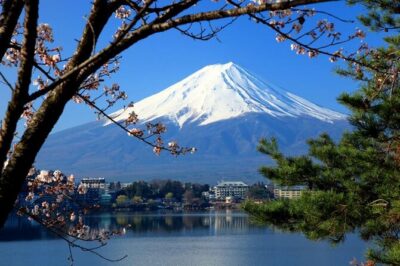 ★ 5.0Mt Fuji and Hakone 1-Day Bus Tour Return by Bullet TrainFrom $163
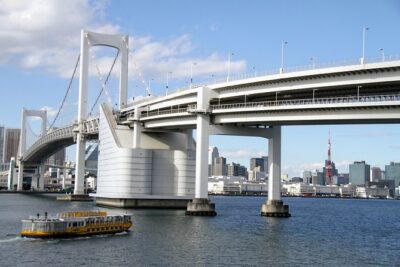 ★ 5.01-Day Tokyo Bus TourFrom $129
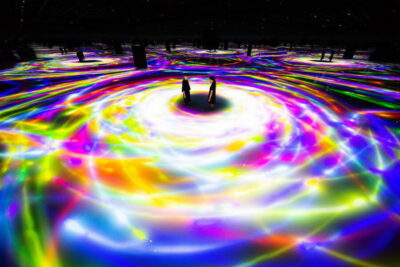 ★ 4.6Tokyo: teamLab Planets TOKYO Digital Art Museum Entry TicketFrom $251 day
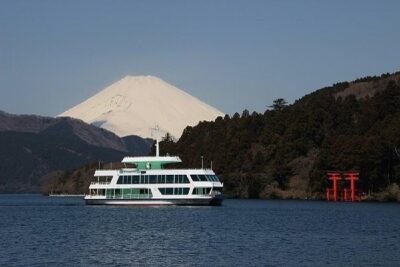 ★ 4.0Mt Fuji & Hakone Cruise, Drum Show Bullet Train 1 Day from TokyoFrom $149
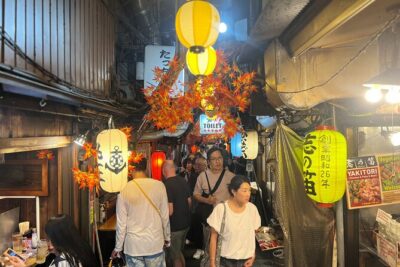 ★ 5.0Tokyo: Shinjuku Food Tour (13 Dishes at 4 Local Eateries)From $86
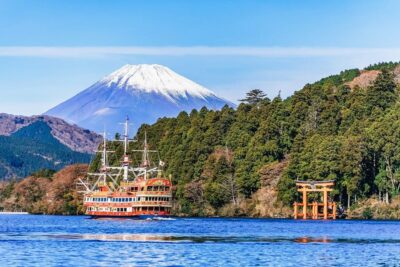 ★ 4.4Tokyo Mt Fuji 5th St & Hakone Cruise Bus Tour w/Bullet TrainFrom $15410 hours