Reviewed · SUSHI MAKING CLASSES
Sushi Cooking Class
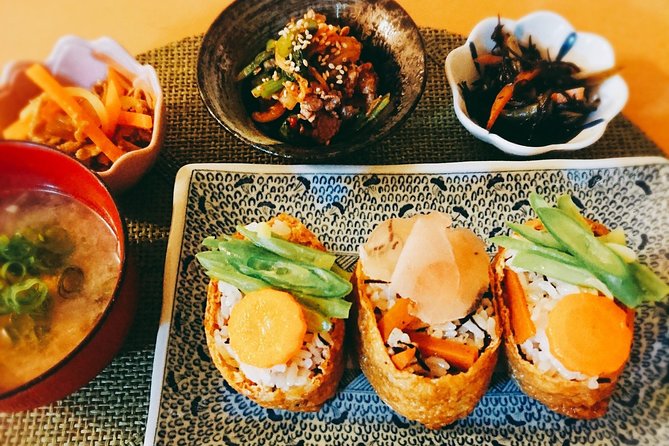
Tokyo’s best food lessons do not always happen in a polished studio. This one begins at Musashikoyama Station, passes through a long local shopping arcade, and ends in Miwa’s home kitchen with sushi you prepare yourself. You’ll make seasonal rolls, temari-sushi, miso soup, a side dish, and dessert.
In This Article
- Key details at a glance
- From Musashikoyama Station into local Tokyo
- Miwa’s home kitchen and a relaxed class size
- Rolling seasonal sushi and shaping temari-sushi
- Miso soup, a side dish, and dessert
- What the three-hour schedule feels like
- Is $711.60 per person a fair price?
- Who should book this sushi class?
- Practical points before you book
- My call: a personal class at a very high price
- FAQ
- Where does the sushi cooking class meet?
- What time does the class start?
- How long does the experience last?
- What dishes will I prepare?
- Can the recipes be customized?
- Is the class suitable for children?
- How many people can join?
- Is transportation included?
- Can I cancel for a full refund?
I like the small group limit of four people, which keeps the class personal and gives Miwa time to guide each cook. I also like the neighborhood setting. You get a look at everyday Shinagawa life before sitting down to a homemade Japanese meal. The main caution is price: at $711.60 per person, this is a very costly three-hour class, so you should value the private-home setting and personal instruction highly.
Key details at a glance
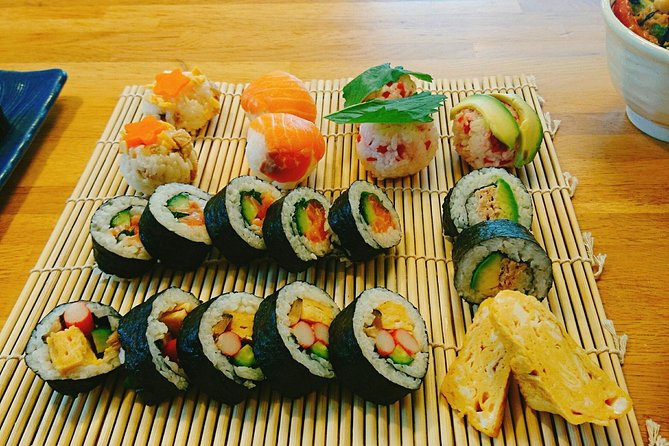
- A local start: Meet at Musashikoyama Station on the Tokyu Meguro Line, then walk through Japan’s longest shopping arcade.
- A full homemade meal: Prepare seasonal sushi rolls, temari-sushi, miso soup, a side dish, and dessert served as part of the meal.
- Personal instruction: Miwa teaches step by step and speaks English fluently.
- Very small groups: The class accepts a maximum of four people, making it suitable for families, couples, and small groups of friends.
- Dietary flexibility: Recipes can be changed on request, but tell Miwa about allergies in advance.
- About three hours: The listed duration is two to three hours, with a 10:30 am start.
From Musashikoyama Station into local Tokyo
Your meeting point is Musashikoyama Station, served by the Tokyu Meguro Line. The stated start time is 10:30 am. From there, Miwa leads you through a shopping arcade before you reach her home.
This opening walk gives the class a useful sense of place. You are not being taken straight from a major sightseeing district into a generic cooking room. Instead, you pass through a local commercial street and see a part of Tokyo where daily errands, food shopping, and neighborhood routines matter more than tourist landmarks.
The arcade is described as the longest in Japan. That is an interesting detail, but the greater value is simply the setting. You can watch local life unfold before the cooking begins, which makes the meal feel connected to the neighborhood rather than detached from it.
Allow enough time to find Musashikoyama Station and be ready at the meeting point. The activity ends back at the meeting point, and transportation to or from the attraction is not included. Since the class is in a residential part of Shinagawa, do not treat it as a central-Tokyo restaurant reservation. The station meeting point matters.
A few more Tokyo tours and experiences worth a look
Miwa’s home kitchen and a relaxed class size
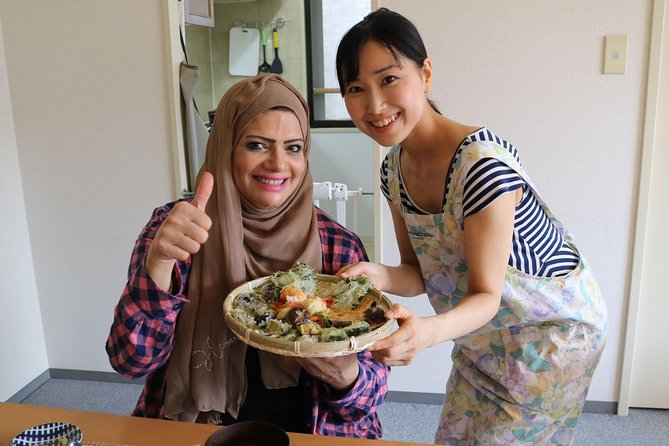
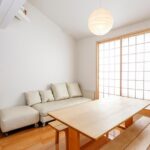
Once you arrive at Miwa’s home, the cooking begins. The setting is more personal than a large commercial school, and the group limit of four shapes the whole lesson. You are not one person at a crowded workbench trying to follow instructions from across the room.
Miwa’s teaching style is a major part of the appeal. She explains each stage patiently and guides beginners through the process step by step. That is especially useful if you have little cooking experience. A four-year-old child took part in one family booking and enjoyed the activity, though children must be accompanied by an adult.
English speakers should find the class manageable. Miwa speaks English fluently, which is important when you are learning techniques such as shaping rice, rolling sushi, or preparing Japanese dishes in a particular order. You can ask questions as you work instead of simply copying hand movements.
The small size also suits couples and friends. You can share the preparation rather than sit in a demonstration and watch someone else do everything. For a family, the class offers a hands-on activity that breaks up the usual Tokyo routine of temples, department stores, and crowded train rides.
The home setting may not suit everyone. Some people prefer a restaurant, public kitchen, or formal culinary school. Here, the charm comes from a personal household environment, so the experience feels less polished and more intimate.
Rolling seasonal sushi and shaping temari-sushi
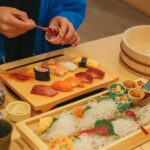
The central lesson covers two attractive forms of sushi: seasonal sushi rolls and temari-sushi. Rolls are the familiar choice, but temari-sushi gives the meal a more decorative touch. These small, rounded pieces are shaped by hand and can make the finished table especially appealing.
You will work with the ingredients and methods Miwa provides, then eat the results as part of the meal. The class is not only about taking photographs of finished food. You take part in making it, and the process gives you a better sense of the care involved in Japanese home cooking.
The menu is listed as using healthy vegan ingredients, and recipes can be customized. At the same time, the available class descriptions and past menus also refer to items such as tamago, or Japanese omelet, and chicken nanban. If you need a strictly vegan or vegetarian meal, do not rely on the broad menu wording alone. Ask Miwa to confirm the exact ingredients and request changes before the class.
The same advice applies to allergies. Tell Miwa in advance so she can adjust the recipes. The information provided does not promise that every allergy can be accommodated, so specific questions before booking are sensible.
This is a good class for someone who wants more than a sushi-rolling photo opportunity. You learn a complete meal structure, not just one type of roll. The lesson includes sushi, soup, a side dish, and a served dessert, so the food has the shape of a Japanese home meal.
Miso soup, a side dish, and dessert
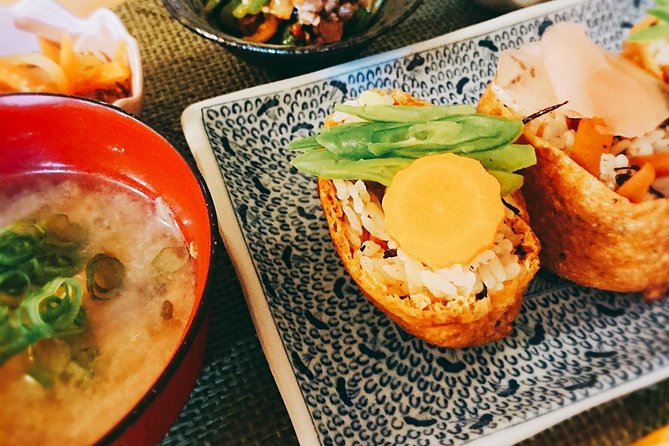
The supporting dishes give the class much of its practical value. Miso soup seems simple, but the preparation can reveal how Japanese cooks build flavor. One account of the class describes making stock with bonito and kombu, creating the familiar savory aroma of dashi in the kitchen.
That detail matters because it connects the finished soup to a basic Japanese cooking method. You are not only opening a packet and adding miso. You may see how a traditional stock is prepared, depending on the menu arranged for your class.
The side dish adds another change of texture and technique. Past class menus have included egg omelet and chicken nanban, although the exact sushi-course menu is described more generally as one side dish. Ask for the day’s final menu if a particular dish matters to you.
Dessert is listed as serving only. That means you should not expect a separate dessert-making lesson. It is part of the meal rather than a major instructional section. The result is a well-rounded lunch, but the class remains centered on sushi and Japanese savory cooking.
The included meal is described in several ways in the booking information, including a three-course lunch, food tasting, and dinner. Since the class begins at 10:30 am and lasts roughly two to three hours, lunch is the clearest way to think about it. Confirm the meal timing if you have a later reservation.
What the three-hour schedule feels like
The stated duration is approximately three hours, though the class may run from two to three hours. The station meeting and arcade walk come first, followed by preparation and the meal in Miwa’s home.
Expect an active morning rather than a quick demonstration. You will have time to listen, prepare ingredients, shape sushi, and eat what you made. The pace should work for beginners, since Miwa is described as patient and willing to explain each step.
Families should plan around the age and attention span of their children. A young child has taken part successfully, but an adult must accompany every child. The class may be a pleasant family activity for children who like food preparation, while children who dislike sitting, following directions, or handling unfamiliar ingredients may find it demanding.
For couples, this makes a pleasant half-day plan. You can meet in the morning, see a local shopping arcade, cook lunch, and finish back at the station area. For a solo visitor, the maximum group size of four reduces the risk of being lost in a large tour group, though the value depends heavily on the final group makeup.
Other cooking classes in Tokyo
Is $711.60 per person a fair price?
At $711.60 per person, this class is expensive by ordinary cooking-class standards. The price is difficult to justify if you are mainly looking for a meal or a basic sushi demonstration. Tokyo offers many cheaper ways to eat sushi, and a restaurant meal requires no prep or travel to a residential neighborhood.
The value becomes easier to understand if you want a highly personal activity. You receive instruction from Miwa, a walk through a local arcade, hands-on preparation, food tasting, and a full meal. The four-person limit also means the advertised maximum is genuinely small.
Still, the price deserves careful thought. If four people book together, the social setting may help make the cost feel worthwhile for a special occasion. A family celebrating a birthday or giving a cooking class as a gift may also place a higher value on the shared memory. For a budget-conscious visitor, I would find it hard to recommend at this rate.
Check the exact inclusions before paying. The information lists lunch, food tasting, and dinner, while the menu description points to a daytime sushi course. Transportation to attractions is not included. The mobile ticket is convenient, but it does not change the fact that you must reach Musashikoyama Station yourself.
Who should book this sushi class?
I would consider this class for several kinds of visitors:
- First-time cooks: Miwa’s patient, step-by-step approach is suited to people who do not feel confident in a kitchen.
- Families: A four-year-old has taken part, and the hands-on format can give children a welcome break from sightseeing.
- Couples: The small group and home setting make this more personal than a large tourist workshop.
- Vegetarian or vegan diners: The recipes can be adjusted, but you should confirm the menu and explain your needs ahead of time.
- Repeat visitors to Tokyo: The Musashikoyama walk offers a look at local life beyond the standard sightseeing circuit.
- Food-focused visitors: You will learn several parts of a meal instead of only rolling one kind of sushi.
I would hesitate if you want a central location, a short activity, or the lowest possible price. I would also ask detailed dietary questions before booking if you avoid fish, eggs, meat, bonito, or kombu.
Practical points before you book
The meeting point is Musashikoyama Station on the Tokyu Meguro Line. The listed start location gives the address as Japan, 142-0062 Tokyo, Shinagawa City, Koyama, 3-chōme 19-11, while the meeting instructions specify the station. Use the booking confirmation to verify exactly where Miwa will meet you.
Confirmation is sent within 48 hours, subject to availability. The experience accepts a maximum of four people, and children must be with an adult.
A mobile ticket is included, which keeps the entry process simple. Free cancellation is available if you cancel at least 24 hours before the local start time. Cancellations or changes made inside that window are not refunded or accepted.
The available rating information shows a five-star score with 100 percent recommendation across 11 ratings. The strongest praise centers on Miwa’s warmth, patience, English ability, and the feeling of being welcomed into a tidy, comfortable home. Those qualities matter here because the class depends as much on instruction and conversation as on the food itself.
My call: a personal class at a very high price
This is a memorable-looking way to learn Japanese home cooking, especially if you want sushi practice, a neighborhood walk, and time with a fluent English-speaking teacher. I like the small group, the complete meal, and the chance to make both rolled sushi and temari-sushi.
The cost is the deciding issue. At $711.60 per person, I would book only if you see the class as a special private-style cultural activity rather than a normal lunch or basic cooking lesson. Families, couples, and serious food fans may find the personal setting worth the premium. Budget-minded visitors should compare other Tokyo cooking classes first.
Before booking, confirm the exact menu, especially if you require vegan, vegetarian, or allergy-friendly food. If that point is settled and the price fits your plans, Miwa’s class offers a friendly, practical look at Japanese cooking in a part of Tokyo most sightseeing schedules skip.
FAQ
Where does the sushi cooking class meet?
The class meets at Musashikoyama Station on the Tokyu Meguro Line in Tokyo. The listed start address is in Koyama, Shinagawa City.
What time does the class start?
The stated start time is 10:30 am.
How long does the experience last?
The class lasts approximately two to three hours.
What dishes will I prepare?
The sushi course includes seasonal sushi rolls, temari-sushi, one side dish, and miso soup. Dessert is served as part of the meal.
Can the recipes be customized?
Yes. Recipes can be customized upon request. You should contact Miwa in advance with any allergy information.
Is the class suitable for children?
Yes, children can take part, but children must be accompanied by an adult.
How many people can join?
The maximum group size is four travelers.
Is transportation included?
Transportation to and from attractions is not included. You are responsible for reaching the meeting point at Musashikoyama Station.
Can I cancel for a full refund?
Yes, if you cancel at least 24 hours before the experience start time. Cancellations or changes made less than 24 hours in advance are not refunded or accepted.
More Cooking Classes in Tokyo
More Cooking Classes in Tokyo
More Sushi Making Classes in Tokyo
More tours in Tokyo we've reviewed




Sushi Making Classes, compared.
 ★ 5.0Sushi Making Tokyo Roll and Authentic Japanese Sushi ClassFrom $59
 ★ 4.9Tokyo: Roll and Authentic Sushi Making Class in AsakusaFrom $581h 40m
 ★ 4.9Tokyo: Sushi Making Class in a Happi Coat near a Famous SpotFrom $421h 30m
 ★ 5.0Sushi Making Tokyo! Popular Maki Sushi & Japanese Sushi(+Recipe!)From $63
 ★ 5.0Tokyo Sushi Making Class in Tsukiji with Professional ChefFrom $49
 ★ 5.0Tokyo Night Foodie Tour in Shinjuku – Seasonal Sushi, Wagyu BeefFrom $111