Reviewed · SAKE TASTING
7 Kinds of Sake Tasting with Complementary Foods
Seven glasses, seven regions, and a plate of food matched to each one make this a smart way to get past sake’s intimidating labels. The certified sake instructor explains how rice, brewing methods, sweetness, and aroma shape each pour, so you are not simply drinking and guessing.
In This Article
- Key points to know before booking
- Seven sakes make the first lesson easy
- What happens at 6:15 p.m. near Tokyo Tower
- How the sake-making lesson adds value
- Seven food pairings turn tasting into a meal
- Why this works for sake beginners
- Price, timing, and what you receive
- The office basement is part of the trade-off
- Who should book this Tokyo sake class
- My verdict on the seven-sake experience
- FAQ
- Where does the sake tasting take place?
- What time does the experience begin?
- How many kinds of sake are included?
- Is food included?
- Is the experience suitable for beginners?
- Who leads the tasting?
- How many people can join?
- Can I cancel for a refund?
I like the food pairing lesson, especially because it goes beyond sushi and savory bites to include sweet and dessert-friendly sake. I also like the clear production overview and the chance to taste styles ranging from sparkling sake to sweet sake in one sitting.
The main consideration is the setting. You meet in the basement of an office building across from Tokyo Tower, not in a traditional brewery or atmospheric izakaya. The price is also fairly high for 75 minutes, though the seven pours and supper-sized food service make it easier to justify.
Key points to know before booking
- Seven regional sakes in one sitting: Taste a specially selected set representing seven parts of Japan.
- Food is part of the lesson: Seven complementary Japanese dishes are served, with both savory and sweet pairings.
- A certified instructor leads the session: The class covers sake production, varieties, and ways to judge what you like.
- Sparkling and dessert styles are included: This is not limited to the dry sake most first-time drinkers expect.
- Convenient evening timing: The session begins at 6:15 p.m. near Tokyo Tower and lasts about 1 hour 15 minutes.
- A strong introduction, not a brewery visit: You learn about sake in a tasting room style setting rather than seeing production firsthand.
Seven sakes make the first lesson easy
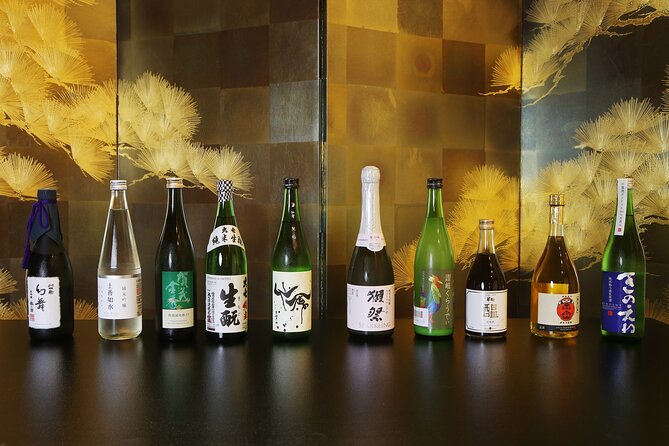
Sake can seem like a wall of unfamiliar terms. Labels may mention polishing, region, serving temperature, sweetness, or production style, and it is hard to know what any of that means from a restaurant menu. This tasting gives you a practical starting point: taste seven different examples while someone explains the differences as they appear in the glass.
The selection comes from seven regions of Japan. The point is not to memorize every producer or technical term. It is to notice how much sake can vary, from sparkling and gentle styles to sweeter pours and options suited to dessert.
I find this format more useful than a single sake flight with no explanation. You can compare one glass with the next while the flavors are still fresh in your mind. By the end, you should have a better idea of whether you prefer crisp, sweet, light, aromatic, or fuller sake.
The session is introductory, so it suits someone who has barely tried sake as well as someone who drinks it occasionally but cannot yet describe what they like. It is not presented as an advanced certification class. Think of it as a friendly lesson that gives you enough vocabulary to order with more confidence later.
If you're still narrowing it down, here are other tours in Tokyo we've reviewed.


What happens at 6:15 p.m. near Tokyo Tower
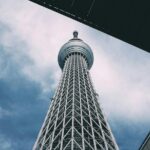
The meeting point is Kikai Shinko Kaikan at 3-chome-5-8 Shibakoen in Minato City. It is near public transportation and across from Tokyo Tower, a useful landmark for orienting yourself in central Tokyo.
The location may surprise you. You enter a basement office-building setting rather than a polished restaurant, sake brewery, or old wooden shop. I would not choose this activity for scenery alone, but the plain setting also keeps the focus on the tasting and instruction.
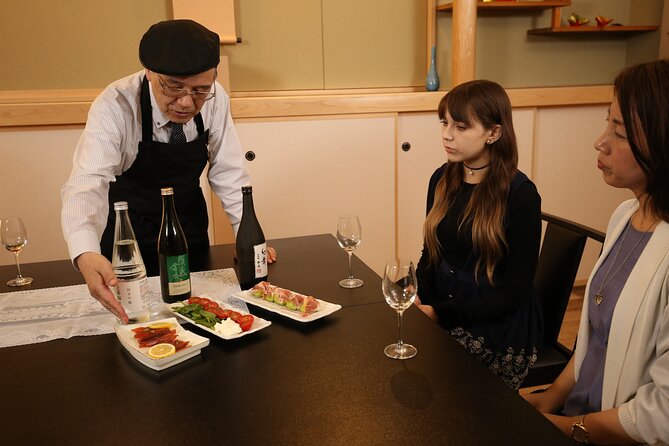
The class begins with an explanation of sake’s background, how it is made, and the main varieties available. The instructor then guides you through the seven pours, linking each one to its food match and explaining what to notice.
The scheduled duration is about 75 minutes. That is long enough for a real introduction, but short enough to fit neatly before or after other evening plans. The 6:15 p.m. start can also work well as a first course before a later night in Tokyo, although the food served here may be enough for dinner for some people.
How the sake-making lesson adds value
The production explanation is an important part of the experience. You learn that sake is not simply a stronger version of rice wine, and the instructor connects the brewing process with the taste in your glass.
You will hear about the history of sake, how it is produced, and how different varieties are made available to drinkers. The information is delivered alongside the tasting, which helps keep it useful rather than turning into a long lecture.
I like that the lesson gives you a reason for each difference. Instead of hearing a list of technical facts and then forgetting them, you can connect the explanation to a sparkling sake, a sweeter sake, or a pour chosen for dessert.
The instructor also helps you recognize that there is no single correct way to enjoy sake. Some styles may work better with delicate dishes, while others can handle stronger flavors or a sweet finish. That makes the class practical for ordering at izakayas and restaurants during the rest of your Japan trip.
One instructor named in the experience feedback is Micki, who was praised for explaining the sake and matching the food with each pour. The exact instructor may vary, but the activity is led by a nationally accredited sake instructor or certified sake sommelier.
Seven food pairings turn tasting into a meal
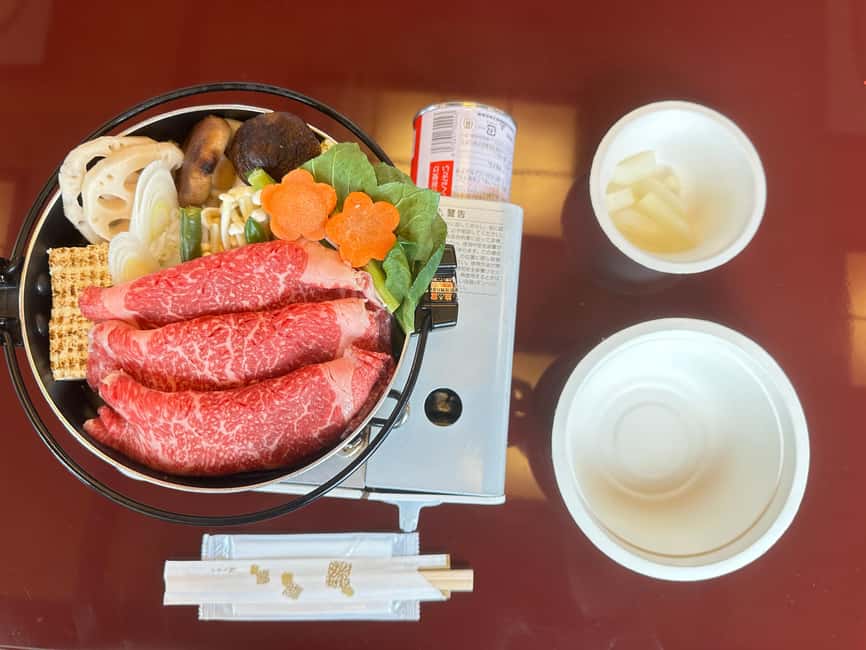
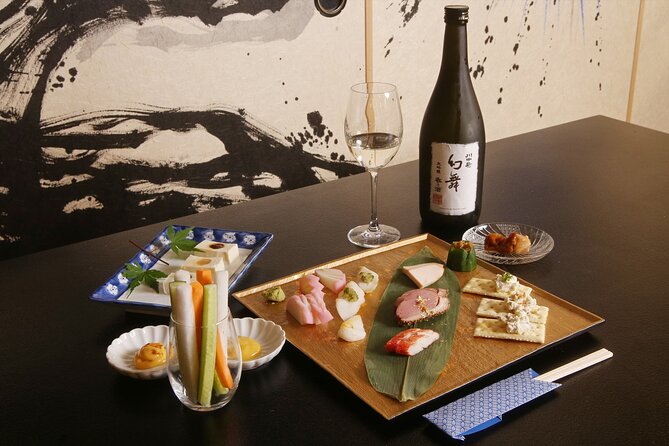
Each sake comes with a complementary Japanese dish, creating seven food pairings across the session. The food is described as a mix of Japanese and Western dishes, not simply a plate of snacks placed beside the glasses.
That distinction matters. A sake tasting can leave you hungry, especially when the pours are small. Here, the food is substantial enough that one group described it as enough for supper, though appetite and expectations will differ.
The pairing lesson is the heart of the experience. You can taste the sake on its own, try the food, and then taste the sake again to notice how the combination changes. A dish may make a sweeter sake seem less sweet, soften a sharp edge, or bring out an aroma you missed at first.
The menu is not specified in advance, so you should not book this expecting named specialties or a fixed list of dishes. The useful promise is the format: seven sakes and seven paired dishes, with Japanese and Western food included.
Dessert pairings are a particularly nice touch. Many first-time drinkers assume sake belongs only with sushi, grilled food, or salty snacks. Including a sweet course shows a wider range and may help you understand why some sake works after dinner.
If you have dietary requirements, tell the provider in advance. The activity specifically asks you to share those needs, but the available information does not promise that every request can be accommodated.
Why this works for sake beginners
I would recommend this to you if sake menus usually leave you unsure where to begin. The instructor supplies the structure, so you do not need prior knowledge, a large vocabulary, or a favorite brewery.
The tasting also helps you identify what you do not like. That is useful. If a sweet style is not for you, or if sparkling sake becomes your favorite, you leave with a clearer sense of direction instead of a vague impression that all sake tastes alike.
The class has an educational but relaxed tone. The hosts are described as friendly, generous with explanations, and willing to answer questions. One small private booking with Micki was praised for feeling personal, while another group of eight found the hosts attentive and welcoming.
The stated maximum is 100 people, so the atmosphere may depend on the date and attendance. Some sessions may feel intimate, while a fuller class could be more presentation-led. If you want a private lesson, do not assume the standard booking guarantees one.


Price, timing, and what you receive
The cost is $107.50 per person. That is not a bargain if you compare it with buying one or two glasses of sake at a neighborhood bar. It becomes more reasonable when you count seven different sakes, seven food pairings, a guided lesson, and a full meal component.
I would see the price as paying for interpretation as much as alcohol. Without guidance, you might sample seven bottles and remember only that some were sweet and some were dry. Here, the instructor explains what you are tasting and how the food changes the experience.
For a couple or a small group, the activity can also serve as an evening meal and cultural class in one. Group discounts are available, which may improve the value for larger bookings. Extra food and drinks are not included, so budget separately if you expect to continue eating or drinking afterward.
The activity is booked an average of 24 days ahead, suggesting that you should not leave it until the last evening of a short Tokyo visit. Confirmation arrives within 48 hours, subject to availability. Free cancellation is available until 24 hours before the 6:15 p.m. start time. After that point, refunds and changes are not accepted.
The office basement is part of the trade-off
The setting deserves a frank note. A basement room in an office building does not offer the atmosphere of a sake brewery, a countryside kura, or a lantern-lit drinking alley. If your ideal sake experience involves old buildings and a strong sense of place, this may feel functional.
On the other hand, the location is convenient and easy to pair with Tokyo Tower or nearby Minato sightseeing. You are not spending half a day traveling outside the city to reach a brewery. The session puts the teaching, food, and sake in one place.
I would arrive with the right expectation: this is a tasting class, not a production tour. You hear how sake is made, but you do not visit a brewing facility or watch the brewing process firsthand. That difference is important when comparing it with a brewery excursion.
Who should book this Tokyo sake class
This is a good choice for a first sake experience, couples who want an evening activity, and small groups with mixed levels of interest. A beginner can follow the explanations, while a sake fan still gets the pleasure of comparing seven regional styles with food.
It also suits you if you want a structured introduction rather than an unplanned bar crawl. The 75-minute length leaves room for other plans, and the 6:15 p.m. start fits naturally into an evening itinerary.
Food-focused visitors should find plenty to enjoy because the pairings are treated as part of the lesson. The inclusion of Western dishes and dessert pairings also keeps the session from becoming a narrow introduction to only traditional combinations.
I would hesitate if you want a quiet, highly private tasting, a brewery visit, or a large amount of sake. The class may host up to 100 people, the venue is functional, and the emphasis is on learning and pairing rather than drinking heavily.
My verdict on the seven-sake experience
I like this activity because it answers the questions that make sake confusing: What styles exist? How is sake produced? Which foods suit it? What do I actually enjoy?
The strongest part is the connection between glass and plate. Seven sakes can sound like a gimmick, but the pairings give each pour a purpose. The production lesson and friendly instruction add real value, especially for a first-time drinker.
The main drawbacks are the price and the ordinary basement setting. Still, if you treat the $107.50 as the cost of a guided tasting plus a light-to-full evening meal, the package is fair. I would book it early if you want a clear, approachable introduction to Japanese sake near central Tokyo.
FAQ
Where does the sake tasting take place?
The meeting point is Kikai Shinko Kaikan, 3-chome-5-8 Shibakoen, Minato City, Tokyo 105-0011, Japan. It is near public transportation and across from Tokyo Tower.
What time does the experience begin?
The tasting starts at 6:15 p.m. It lasts approximately 1 hour and 15 minutes.
How many kinds of sake are included?
Seven different kinds of Japanese sake are included. The selection comes from seven regions of Japan and includes styles such as sparkling sake, sweet sake, and sake suited to dessert pairings.
Is food included?
Yes. Seven complementary Japanese dishes are included. The food includes Japanese and Western dishes and is paired with the seven sakes.
Is the experience suitable for beginners?
Yes. The session is an introductory program covering sake culture, history, production, and different varieties. You do not need prior sake experience.
Who leads the tasting?
A nationally accredited sake instructor or certified sake sommelier leads the session. One instructor identified in the experience information is Micki.
How many people can join?
The activity can have a maximum of 100 participants. The actual group size may vary by date.
Can I cancel for a refund?
You can cancel for a full refund up to 24 hours before the experience start time. Cancellations or changes made less than 24 hours before the start are not accepted, and extra food or beverages are not included.
More tours in Tokyo we've reviewed




Sake Tasting, compared.
 ★ 5.0Ramen and Sushi Cooking Class with Sake Pairing Set in TokyoFrom $79
 ★ 5.0Sake Tasting Masterclass in Shinjuku (8+ Varieties with a Pro)From $72
 ★ 5.0Sake Omakase in Tokyo: Guided Tasting by Certified SommeliersFrom $79
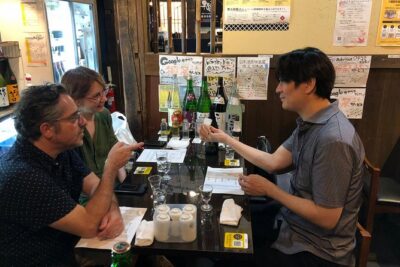 ★ 5.0Tasting All Types of Sake with SommelierFrom $62
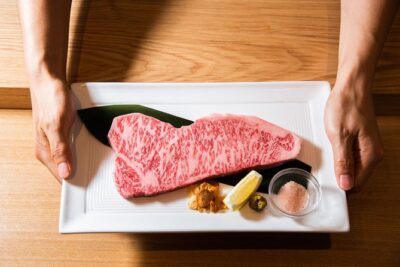 ★ 5.0Wagyu & Sake Pairing in Shinjuku – Steak, Shabu-Shabu & MoreFrom $148
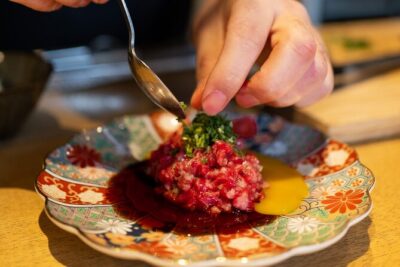 ★ 5.0Tokyo Wagyu & Sake Pairing Tasting Experience with Local FlavorsFrom $151