Reviewed · SHINJUKU TOURS
Sake Tasting Masterclass in Shinjuku (8+ Varieties with a Pro)
At the heart of this Shinjuku class is a guided tasting of at least six different sakes, often reaching nine or ten depending on the session. You learn how rice, brewing methods, labels, and serving styles affect the drink, then test those ideas with locally sourced snacks.
In This Article
- Key points at a glance
- What the two-hour Shinjuku class actually teaches
- Why the small group makes a difference
- The tasting chart turns theory into a useful skill
- Snacks show how sake works with food
- Meeting in Nishishinjuku at 1:00 pm
- The alcohol factor deserves real attention
- Is $72.29 a fair price?
- Which guide might lead your session?
- Who should book this experience?
- Should you book the Shinjuku sake masterclass?
- FAQ
- How long does the sake tasting class last?
- How many types of sake will I taste?
- Is food included?
- Where does the activity start and finish?
- What is the minimum drinking age?
- Can I cancel for a full refund?
I like the small maximum of eight people, which gives you room to ask questions. I also like the practical focus: you leave with a better idea of what to order at a restaurant and what to look for when buying a bottle. Guides including Max, Joe, Tadashi, Megan, Cassy, Andrea, and Hawaii Joe are praised for making the class lively and approachable.
The main caution is the amount of alcohol. Ten tastings can be a lot, especially for a first-time sake drinker. Eat before you arrive, drink water during the class, and remember that the snacks are not a full meal.
Key points at a glance
- Taste nine or ten samples in some sessions: The stated minimum is six, but several class formats include a wider range.
- Learn to read a sake label: The lesson covers basic terms, varieties, brewing methods, and useful buying clues.
- Pair sake with Japanese snacks: Food is selected to show how different styles work with a meal.
- Keep the group small: A maximum of eight people makes it easier to ask about flavors, labels, and restaurant ordering.
- Meet at a central Shinjuku location: The class begins and ends at Ushinobi Shinjuku in Nishishinjuku.
- Plan for a serious tasting, not a token sample: Eat first and pace yourself, since the alcohol adds up quickly.
What the two-hour Shinjuku class actually teaches
This is not simply a bar visit with a few pours. The first part is Sake 101, covering the drink’s background, brewing techniques, common styles, and the information printed on a bottle. You get enough structure to understand why two clear-looking sakes can smell and taste so different.
The class then puts that information to work. You taste a series of varieties and record your impressions on a tasting chart. That simple step matters. Instead of trying to remember a blur of names, you can compare the samples and notice which ones seem lighter, fuller, sweeter, drier, fruitier, or more suited to food.
The exact selection can vary. The experience promises more than six types, while several sessions described by participants included nine or ten. That range gives you a better chance of finding a style you enjoy, even if your first impression of sake has been lukewarm.
Your guide leads the group through the samples rather than leaving you to guess what you are tasting. Max has been singled out for his energy and clear explanations, while Joe is praised for making technical points entertaining. Tadashi, Megan, Cassy, Andrea, and Hawaii Joe have also led sessions, so the tone may differ slightly from one date to another.
A few more Tokyo tours and experiences worth a look
Why the small group makes a difference
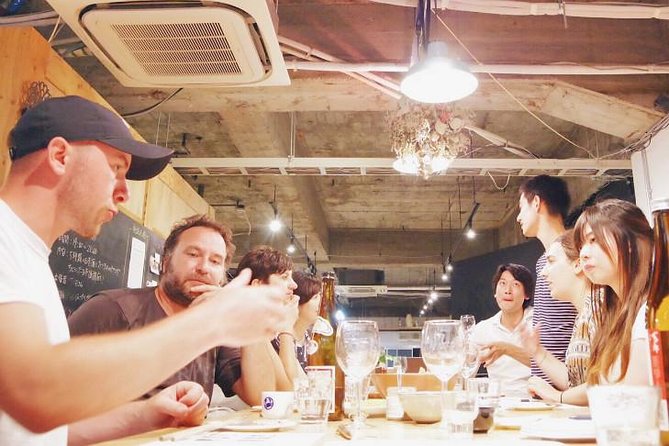
The class accepts no more than eight people. That is a useful size for a tasting lesson because the subject can raise plenty of small questions: Is this label showing a brewing grade? Why does this sake taste more polished? Should it be served cold? How would you order it with a particular dish?
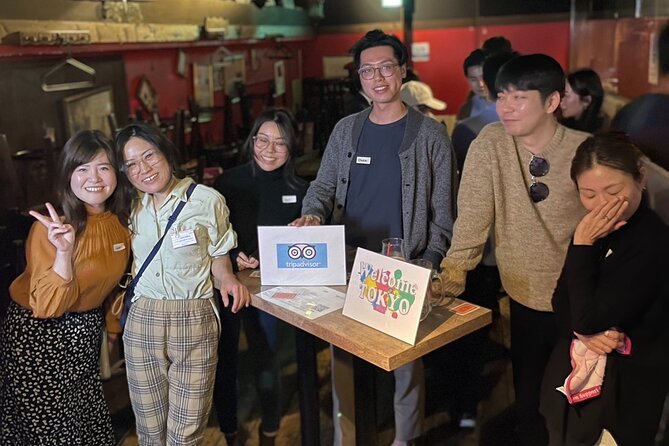
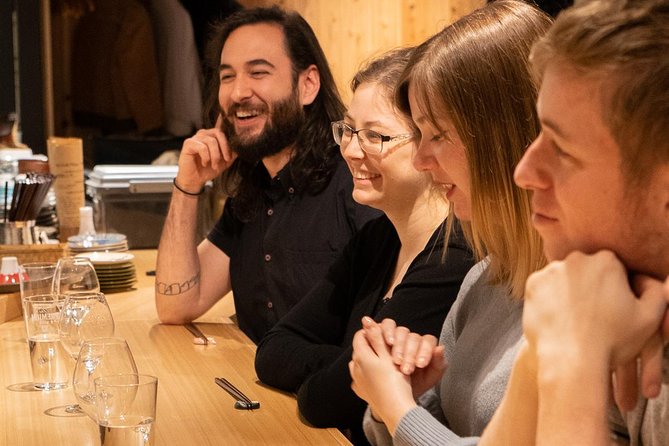
A large room would make those questions harder to ask. In a group of six, one participant described the atmosphere as intimate and easygoing. Another booking became a one-person tasting, with the class still going ahead and turning into a private session. You should not assume every date will be private, but the small format leaves room for personal attention.
The guides also seem to bring their own personalities to the table. Max is described as warm and entertaining. Joe combines technical detail with restaurant and food advice. Tadashi is praised for making the class approachable, while Megan is noted for answering questions carefully. That variety is useful because sake can feel intimidating when it is explained only through specialist terms.
For a beginner, ask questions early. If the guide begins with more detail than you can absorb, say so and request a simpler explanation. One first-time participant found the information quite advanced, while other beginners left feeling confident enough to order sake on their own.
The tasting chart turns theory into a useful skill
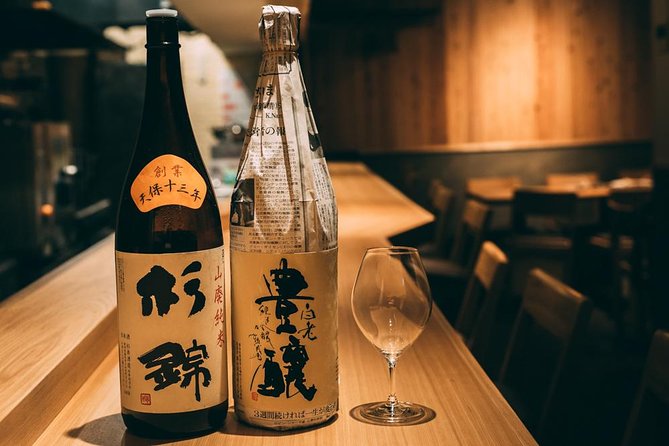
The tasting chart is one of the most practical parts of the session. Sake menus and bottle labels can be difficult to navigate when you are seeing terms for the first time. A written comparison gives you a reference point for future meals and purchases.
You are not expected to become a sake expert in two hours. The real goal is to spot your preferences. Perhaps you like a clean, dry style. Perhaps a fuller sake works better for you, or a fragrant variety feels more appealing. Tasting several samples side by side is a faster way to discover this than ordering random bottles at restaurants.
The class also explains what to look for when buying sake. One participant received a take-home reference sheet and later felt comfortable choosing Junmai Daiginjo on a flight home. That is the kind of practical result this activity aims for: not memorizing every category, but gaining enough confidence to make a sensible choice.
You will also learn useful language for ordering. The class explains how to describe what you like and how to use the information on a label. The advice is especially handy if you plan to visit sake bars, department-store food halls, or restaurants during the rest of your Japan trip.
Snacks show how sake works with food
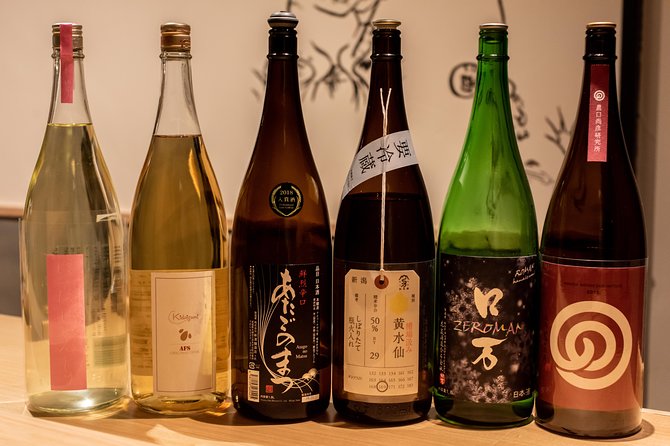
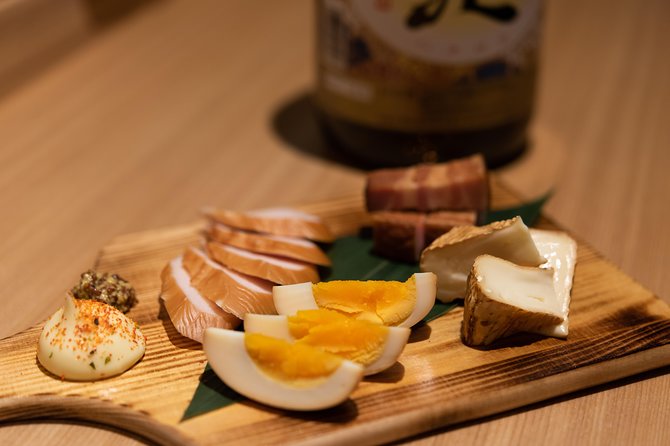
Beverages and snacks are included, but this is not a full-size meal. The food is specially chosen to complement the sake and show how a drink can change alongside a bite of something savory.
That pairing lesson is valuable because sake is rarely enjoyed in isolation in Japan. A style that seems sharp on its own may work well with food. Another may bring out sweetness, salt, or umami in a snack. The class gives you a practical sense of why certain combinations feel balanced.
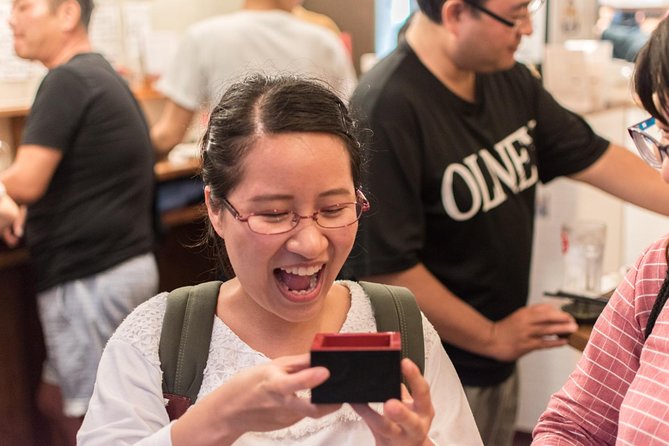
The snacks are described as locally sourced and delicious, but you should still eat something before arriving. Several sessions included enough samples to leave people noticeably buzzed, and one first-time drinker found the alcohol came on quickly. The food served during the activity should be treated as a complement to the tasting, not dinner.
If you have food restrictions, message the operator at least one week before the date. The information does not promise that every request can be met, so early notice is important.
Meeting in Nishishinjuku at 1:00 pm
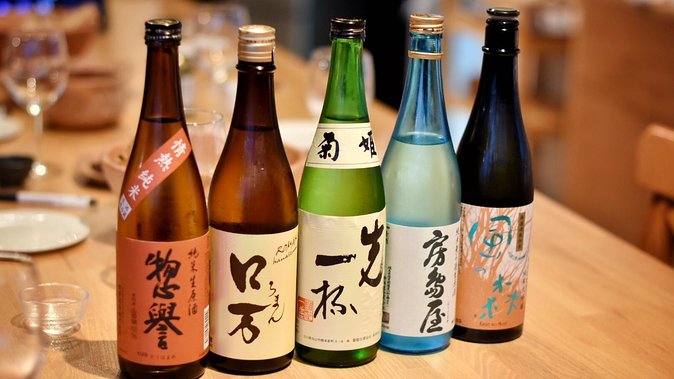
The meeting point is Ushinobi Shinjuku, a wagyu and sake venue in the NSK Building, 201, 1-chōme-22-1 Hyakuninchō, Shinjuku City, Tokyo 169-0073. The listed stop is Nishishinjuku, and the activity ends back at the same meeting point.
The central setting works well for a two-hour afternoon plan. You do not need to arrange a long transfer between attractions, and the location is near public transportation. Still, allow time to locate the correct building. One participant initially went to the wrong place because of confusion about the meeting point, so check your mobile ticket and confirmation carefully before setting out.
There is no hotel pickup, drop-off, or transportation to other attractions. You are responsible for reaching the venue and for planning what comes next. Since the class ends where it begins, it is easy to continue exploring Shinjuku afterward, but you should be cautious about scheduling anything demanding immediately after a generous tasting.
The 1:00 pm start can work nicely on the first or second day of a Tokyo visit. You learn enough to make better sake choices during the rest of your trip, and guides often share food suggestions and local ideas beyond the class itself. Joe, in particular, has been praised for offering recommendations for the rest of Japan.



The alcohol factor deserves real attention
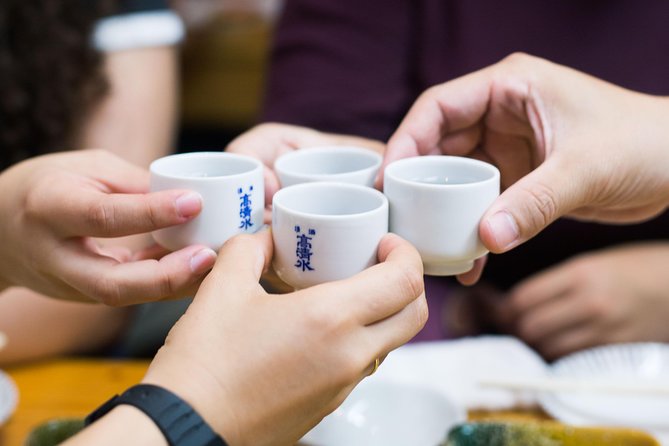
The phrase masterclass may suggest a quiet academic lesson, but this is also an afternoon of drinking. The minimum is six sake samples, and some sessions reach ten. Even if each pour is modest, the total can affect you.
I would eat a proper meal beforehand and keep water nearby. Do not rush from one sample to the next just because the class is moving along. Take notes, compare aromas, and ask for clarification when you need it. The purpose is to learn what you like, not to finish every drink at speed.
This point is especially important for anyone new to sake. One participant enjoyed the range but found ten tastings too much and felt the technical material moved quickly. That is a fair warning. Beginners can have a good time here, but the combination of unfamiliar terms and alcohol may make it harder to retain everything.
The 20-year minimum drinking age follows Japanese law. You should also consider your own tolerance and plans for the afternoon. If you want a gentle introduction with only one or two samples, this is probably more alcohol than you need.
Is $72.29 a fair price?
At $72.29 per person, the value depends on how much use you will make of the instruction. You are paying for two hours, at least six sake samples, snacks, a small-group setting, and a guide who can explain the drink in context. Compared with ordering several unfamiliar bottles or glasses on your own, the structured comparison can be a sensible way to spend the money.
The class is especially good value if you are curious but lack a starting point. You learn basic production details, how to approach labels, how to think about flavor, and how to pair sake with food. Those lessons can save you from expensive guesswork later.
It is less compelling if you already have strong sake knowledge and want rare bottles or a specialist industry seminar. The class is designed for mixed ability levels, from complete beginners to people who already enjoy sake. Experienced drinkers may still appreciate the range and the guide’s recommendations, but the basic material will be familiar.
The small group adds value. You are not just receiving a standard talk from across a room. You can ask the guide to explain a term, compare two samples, or suggest what to order at a restaurant. Private or very small sessions may offer even more personal attention, though no private format is guaranteed.
Which guide might lead your session?
You cannot assume a particular host unless the operator confirms it, but several names appear across the available experiences. Max is repeatedly praised for combining sake knowledge with humor and an easy manner. Joe is described as both entertaining and strong on the finer points of different sake styles.
Tadashi is a good fit if you want a warm introduction with plenty of room for questions. Megan is noted for her friendly, careful hosting. Cassy and Andrea are also described as welcoming and fun, while Hawaii Joe brings an upbeat style that helps beginners relax.
The common thread is that these guides do more than pour drinks. They explain the brewing process, history, tasting approach, and buying advice in a social setting. You may also meet Japanese sake enthusiasts, depending on the group that day, which can add a local point of view to the lesson.
Who should book this experience?
I would recommend it to you if you want to understand sake before ordering it around Japan. It suits couples, friends, solo visitors, and food-focused people who enjoy meeting others in a small group.
It is also a strong choice for a first day in Tokyo. You get a practical foundation, a tasting vocabulary, and suggestions for food and drink to use later. Even someone who thinks they do not like sake may find a style that works better than the one they tried before.
You should think twice if you dislike group instruction, cannot drink alcohol, or want a full meal included. The snacks are not dinner, and the amount of sake can be substantial. People with food restrictions should contact the operator at least a week ahead.
A mobile ticket is provided, and confirmation arrives when you book. Free cancellation is available if you cancel at least 24 hours before the 1:00 pm start. Inside that window, refunds are not provided and changes are not accepted.
Should you book the Shinjuku sake masterclass?
Book it if you want more than a quick sample and would like to feel confident ordering or buying sake afterward. The combination of many styles, food pairings, and label advice gives you useful skills for the rest of your trip.
I would book early in your Japan itinerary, eat first, and plan a relaxed afternoon afterward. If you are new to sake, tell the guide that at the start and pace yourself. For a reasonable two-hour lesson with a small group and plenty to taste, this is a worthwhile Shinjuku experience, provided you are ready for the alcohol as well as the education.
FAQ
How long does the sake tasting class last?
The experience lasts approximately two hours.
How many types of sake will I taste?
You will taste at least six different types of sake. Some sessions include nine or ten samples, but the exact selection can vary.
Is food included?
Yes. Snacks and beverages are included, with food selected to pair with the sake. The snacks are not a full-size meal, so you should eat beforehand.
Where does the activity start and finish?
It starts at Ushinobi Shinjuku in the NSK Building at 201, 1-chōme-22-1 Hyakuninchō, Shinjuku City, Tokyo 169-0073. The activity ends back at the same meeting point.
What is the minimum drinking age?
The minimum drinking age is 20.
Can I cancel for a full refund?
Yes, if you cancel at least 24 hours before the experience start time. Cancellations or changes made less than 24 hours before the start are not accepted and are not refunded.
More Shinjuku Tours in Tokyo

More tours in Tokyo we've reviewed












Shinjuku Tours, compared.
 ★ 5.0Tokyo: Shinjuku Food Tour (13 Dishes at 4 Local Eateries)From $86
 ★ 5.0Tokyo Bar Hopping Tour in Shinjuku (All-You-Can-Drink + Dinner)From $106
 ★ 4.9Tokyo: Shinjuku Local Bar and Izakaya Guided Walking TourFrom $343 hours
 ★ 4.9Tokyo: Shinjuku Food Tour (13 Dishes and 4 Eateries)From $97
 ★ 5.0Tokyo Night Foodie Tour in Shinjuku – Seasonal Sushi, Wagyu BeefFrom $111
 ★ 5.0Tokyo: Shinjuku Local Bar & Izakaya Crawl TourFrom $39