Reviewed · TOKYO
A Dreamy and Delicious Day in Tokyo
Nakameguro makes a fine escape from Tokyo’s big-ticket sights. This three-hour food walk takes you through a residential district of small eateries, coffee shops, bars, and specialty stores, with a guide handling the Japanese when needed. I especially like the mix of everyday local food and carefully chosen treats, plus the chance to stroll beside the cherry-tree-lined Meguro River.
In This Article
- Key points to know before booking
- Why Nakameguro works so well for a food walk
- Coffee, patisserie, and the first taste of the neighborhood
- Fresh onigiri and an easy introduction to Japanese food
- Walking beside the Meguro River
- Bean-to-bar chocolate made in-house
- Japanese whiskey and the many Kit Kat flavors
- Handmade gyoza or soba to finish
- What the private format adds
- Is $385 per person a fair price?
- Timing, meeting point, and cancellation details
- Who will enjoy this Nakameguro food tour?
- Should you book A Dreamy and Delicious Day in Tokyo?
- FAQ
- How long does the Nakameguro food tour last?
- What time and where does the tour begin?
- Where does the tour end?
- Is this a private tour?
- What food and drink stops are included?
- Can I cancel for a full refund?
I also like that this is a private tour, so the pace and final lunch can be adjusted. The guide can point you toward Japanese whiskey, unusual Kit Kat flavors, and less obvious food stops. The main drawback is the price: $385 per person is a serious outlay for three hours, and the exact food choices may change.
Key points to know before booking
- Start with coffee and breakfast treats: The morning-to-midday route includes third-wave coffee, a patisserie stop, and freshly made onigiri.
- Explore Nakameguro beyond its famous river: You’ll visit small Japanese-speaking businesses that are easier to enjoy with a local translator.
- Taste bean-to-bar chocolate: The chocolate shop makes its products in-house, from cacao bean to finished bar.
- Shop for unusual Japanese gifts: The route includes Japanese whiskey-buying advice and a place with many Kit Kat flavors.
- Finish with a proper handmade lunch: The last stop is usually a gyoza or soba shop, depending on the day and your preferences.
- Expect a private, flexible outing: Only your group participates, and the route can be adjusted around the available options.
Why Nakameguro works so well for a food walk
Tokyo can feel like a city of famous addresses. Tsukiji, Shibuya, Asakusa, and the fish market area all have their place, but Nakameguro offers a quieter look at daily city life. It is a hip residential district with small businesses tucked among homes and side streets.
That setting matters. You are not simply moving from one major attraction to another. You are walking through a neighborhood where coffee, sweets, lunch, and shopping fit naturally into the day. The guide helps you understand what you are seeing and removes the worry of entering a shop where little English may be spoken.
The tour begins at 11 a.m. at Naka-meguro Station, listed at 3-chōme-4-1 Kamimeguro. That start time is useful if you do not want an early morning activity. It also lets the opening coffee and pastry stops function as breakfast, while the later gyoza or soba meal becomes lunch.
At about three hours, this is a compact introduction rather than a full-day food expedition. You get enough time to sample several styles of food, walk along the river, and ask questions without giving up the rest of your afternoon.
If you're still narrowing it down, here are other tours in Tokyo we've reviewed.
Coffee, patisserie, and the first taste of the neighborhood
The first stop is a local third-wave coffee shop. That phrase usually signals careful attention to beans and preparation, though the exact drink selection is not specified. For you, the value is less about checking off coffee and more about starting in a place that reflects Nakameguro’s modern neighborhood character.
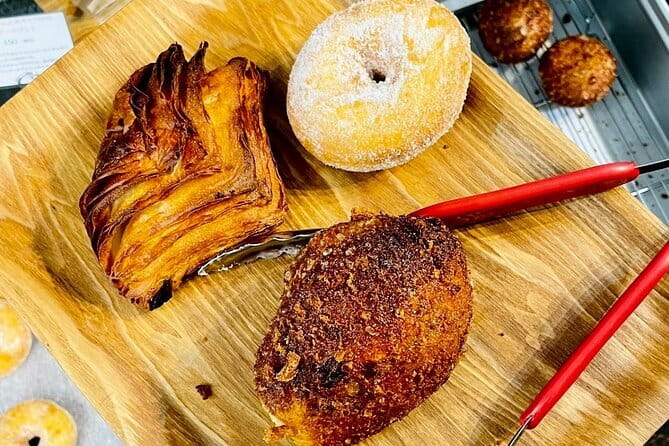
After coffee comes a patisserie for a special breakfast snack. This gives the opening of the tour a gentle pace. Instead of rushing straight into a large meal, you get a small sweet or pastry, then continue walking with room left for the next stops.
I like this part of the plan because it gives you two early reference points: a contemporary Japanese coffee shop and a pastry business. Tokyo’s food culture is not only sushi, ramen, and grilled meat. Small bakeries, dessert counters, and coffee bars are part of the city’s current identity, and this route makes room for them.
The limitation is that the tour does not name the coffee shop or patisserie in advance. If you have a particular coffee style, pastry, or dietary need in mind, ask the provider before booking. The available stops may also change.
Fresh onigiri and an easy introduction to Japanese food
The next food stop is freshly made onigiri. These rice snacks are simple in appearance but offer a direct taste of one of Japan’s most common forms of convenient food. Freshness matters here, since a just-made rice ball has a different feel from a packaged convenience-store version.
This is also a practical stop for anyone who wants to try Japanese food without committing to a complicated dish. Onigiri can be familiar to first-time visitors, yet the fillings and preparation may introduce flavors you would not choose on your own.
You should keep your appetite moderate at the start. Coffee, pastry, and onigiri arrive before the sit-down lunch, and the tour is designed as a string of tastings rather than one large meal followed by nothing. The descriptions do not give a fixed menu or serving size, so do not assume every stop will amount to a full portion.
The guide’s role becomes especially useful at Japanese-speaking establishments. You can ask what you are eating, how it is usually enjoyed, and what might suit your tastes. That translation help is one of the clearest reasons to consider a private food tour instead of simply following a restaurant list.
Walking beside the Meguro River
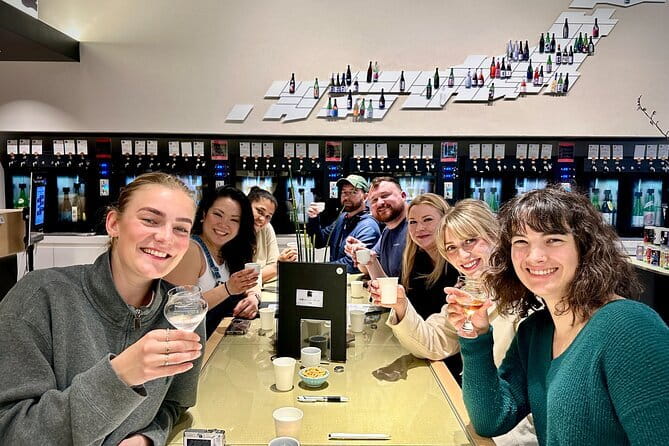
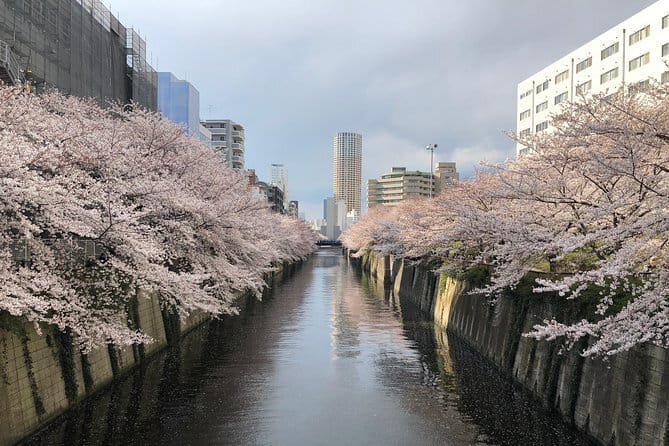
After the early food stops, the route heads along Nakameguro’s famous river. Cherry blossom trees line the water, and the river walk is one of the most attractive photo settings in the neighborhood. Cafes and small businesses add interest as you go.
Spring is likely to bring the most dramatic blossom views, but the walk is not presented as a seasonal-only activity. The river offers a change of pace between tastings and helps you see why Nakameguro draws people beyond its restaurants.
This is where comfortable shoes matter. The tour lasts roughly three hours and combines eating with a neighborhood walk. No special level of fitness is stated, and most people can participate, but you should still expect to be on your feet for much of the outing.
The river area can attract crowds during cherry blossom season. The experience is described as offering beautiful, less crowded photo opportunities in the wider neighborhood, not a promise that every section of the river will be quiet. If you want blossom photographs without the busiest city scenes, the guide may help you find calmer corners.
Bean-to-bar chocolate made in-house
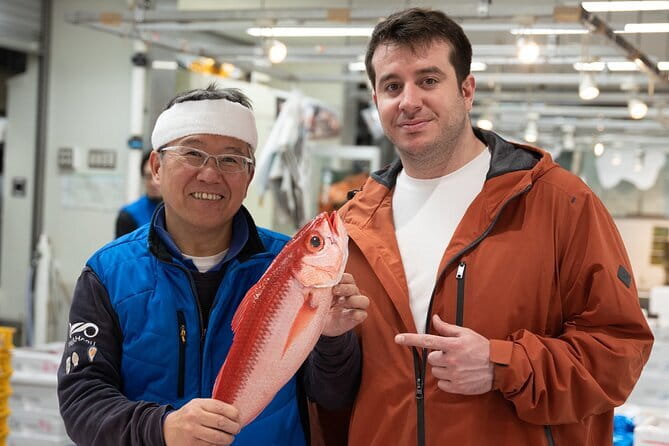
One of the most distinctive food stops is an award-winning chocolate shop where the chocolate is made in-house from bean to bar. That detail gives the tasting more substance than a basic sweets stop. You can connect the finished chocolate with the production process behind it.
The information does not specify the number of samples or the exact products available on the day. Still, this stop should appeal to anyone who likes to understand how a specialty food is made rather than simply buying a finished gift.
I also appreciate the contrast with onigiri and soba. The day is not built around one narrow category of Japanese food. You move from coffee to pastry, rice, chocolate, drinks, and a handmade lunch. That range makes the tour useful for a first visit, especially if you want a quick introduction to several parts of Tokyo’s food scene.
If you are hoping for a long chocolate workshop, this is not described that way. Treat it as a tasting and shop visit within a larger walk.


Japanese whiskey and the many Kit Kat flavors
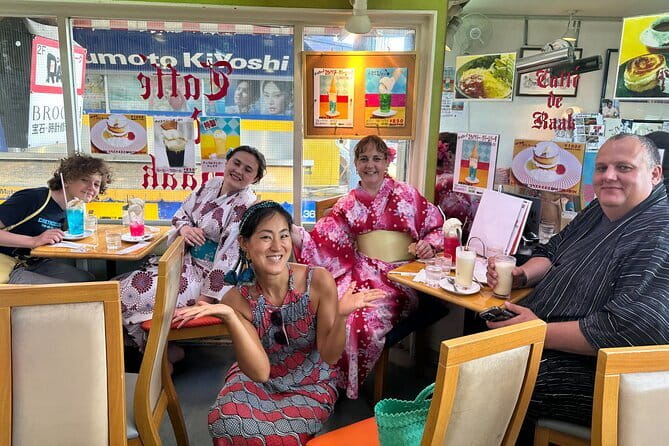
The shopping portion adds a playful side to the tour. The guide shows you favorite places to buy Japanese whiskey and points out where you can find a large selection of Kit Kat flavors.
This is useful if you want edible gifts but do not know where to begin. Japanese Kit Kats come in many regional and seasonal varieties, and a guide can help you find the sort of selection that is easy to miss when you are shopping alone. The route also gives you a chance to buy something for yourself, not just souvenirs for people at home.
The Japanese whiskey stop is more practical than a formal tasting based on the information provided. You are shown purchasing opportunities, so do not book this expecting a dedicated whiskey flight or a spirits seminar.
Alcohol rules and personal preferences still matter. If you plan to purchase whiskey, check your airline and destination customs requirements. The tour can point you to buying options, but it does not state that drinks, bottles, or shopping purchases are included in the $385 price.
Handmade gyoza or soba to finish
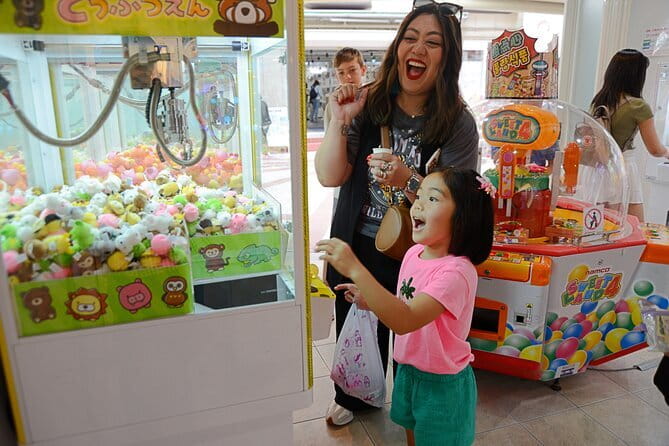
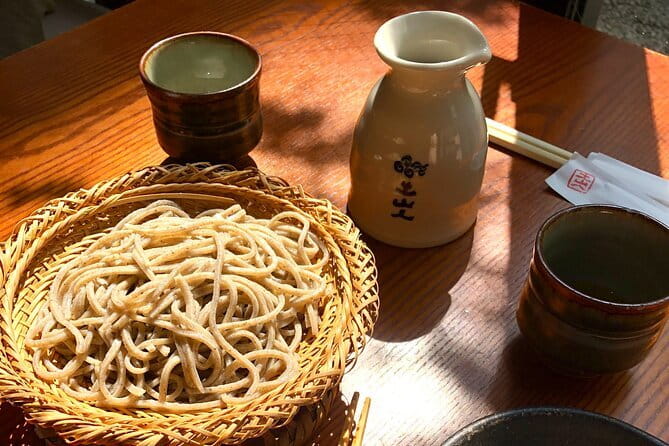
The final stop is a sit-down lunch, usually at a handmade gyoza shop or a handmade soba shop. This is a welcome finish after several smaller tastings. You can sit down, eat a more complete meal, and ask the guide about the dish or the neighborhood.
Gyoza offers a familiar entry point for many people, while handmade soba gives you a chance to try one of Japan’s classic noodle dishes in a more focused setting. The choice is not fixed. The route is described as fluid, and the options can be adjusted based on what is open and what suits your group.
That flexibility is a major plus for a private tour. If your group has already had plenty of sweets, you can focus on the savory meal. If you have a strong preference for noodles or dumplings, you can discuss the available choice with the guide.
There is a clear food caution: the tour is not recommended for anyone with a shellfish allergy. The supplied details do not list other dietary accommodations, so contact Japan Food Trips before booking if you have allergies, restrictions, or serious food concerns.
What the private format adds
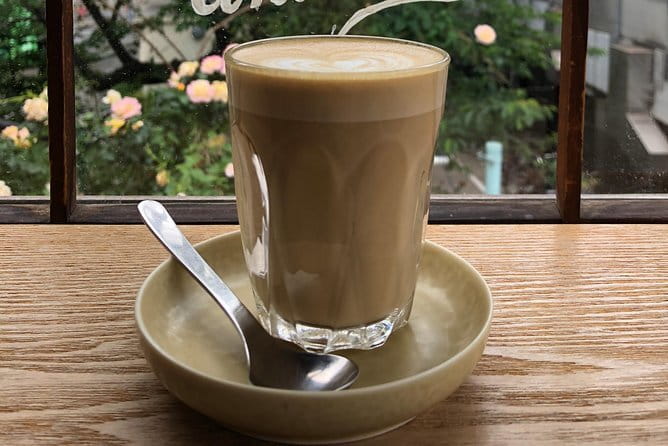
Only your group takes part, which changes the feel of a three-hour food walk. You do not need to wait for strangers, match a large group’s pace, or avoid asking basic questions. A private guide can spend more time translating and adjusting the order of stops.
The experience is particularly useful if you are uneasy about Japanese-only businesses. The guide acts as a translator, which can make small shops and local counters feel more approachable. You still get the atmosphere of these places, but with help ordering and understanding what is available.
The route is not fully fixed. Food shops may vary, and the final meal is usually either handmade gyoza or handmade soba. That flexibility is helpful, but it also means you should not book this expecting a guaranteed list of exact restaurants or dishes.
A private tour can also be a good fit for a family or a small group with different tastes. The supplied information says most people can participate, but it does not provide child pricing, wheelchair details, or a detailed accessibility plan. Ask Japan Food Trips about those points if they affect your decision.
Is $385 per person a fair price?
At $385 per person, this is not a budget food walk. The value depends on how much you want from the guide and how difficult you would find these stops on your own.
You are paying for a private experience, translation at Japanese-speaking establishments, neighborhood knowledge, route planning, and access to a set of food and shopping stops. If you are comfortable ordering alone and prefer to spend modestly at each shop, you could likely explore Nakameguro for less.
The price makes more sense for a first visit, a special day, or a group that wants a custom pace. It may also be worthwhile if you care more about finding small local businesses than about visiting major sights. The food, tastings, and purchases included in the price are not itemized, so confirm what is covered before you book.
The tour is commonly booked about 34 days ahead. That suggests you should plan early if your Tokyo dates are fixed, especially since private availability can be limited. Confirmation is provided at booking, and the experience uses a mobile ticket.
Timing, meeting point, and cancellation details
You meet at Naka-meguro Station at 11 a.m., then return to the same meeting point at the end. Because the start and finish are in the same area, it is easy to treat the tour as one part of a larger Nakameguro afternoon.
The activity is near public transportation. Exact train directions are not supplied, so check your route to Naka-meguro Station before the morning of the tour. Arriving early is sensible in a busy city, especially if you are not familiar with the station.
Free cancellation is available up to 24 hours before the start time for a full refund. Changes or cancellations made less than 24 hours before the start are not accepted for a refund. The tour requires good weather and a minimum number of participants, so a weather or minimum-participant cancellation may result in another date or a full refund.
Who will enjoy this Nakameguro food tour?
I would choose this experience for you if you want to:
- Eat in small neighborhood businesses rather than focus only on famous attractions
- Have a guide translate at Japanese-speaking shops
- Try several foods without planning every stop yourself
- Combine food with a scenic river walk
- Shop for Japanese whiskey or unusual Kit Kat flavors
- Enjoy a private outing that can adjust to your group
I would think twice if your main goal is a low-cost meal, a formal cooking class, or a fixed tasting menu. The route is flexible, and the exact businesses and dishes can change. People with shellfish allergies should also look for another option unless Japan Food Trips can clearly address their concerns.
Should you book A Dreamy and Delicious Day in Tokyo?
Book it if you want a friendly, food-centered introduction to Nakameguro’s smaller businesses and value translation more than a bargain price. The combination of coffee, pastry, onigiri, chocolate, shopping, a river walk, and handmade gyoza or soba gives you a broad taste of the neighborhood in a short time.
Skip it if $385 feels out of proportion to a three-hour activity or if you prefer to wander and choose your own restaurants. For the right visitor, the private format and access to Japanese-speaking establishments are the real product. The food is the reward, but the ease of entering places you might otherwise pass by is what can make this tour worth the cost.
FAQ
How long does the Nakameguro food tour last?
The experience lasts approximately three hours.
What time and where does the tour begin?
It begins at 11 a.m. at Naka-meguro Station, at 3-chōme-4-1 Kamimeguro, Meguro City, Tokyo 153-0051, Japan.
Where does the tour end?
The activity ends back at the meeting point near Naka-meguro Station.
Is this a private tour?
Yes. Only your group participates in the activity.
What food and drink stops are included?
The route begins with coffee, a patisserie breakfast snack, and freshly made onigiri. It also includes a bean-to-bar chocolate tasting, Japanese whiskey-buying opportunities, a large selection of Kit Kat flavors, and a sit-down lunch usually featuring handmade gyoza or handmade soba.
Can I cancel for a full refund?
Yes. You can cancel at least 24 hours before the experience start time for a full refund. Cancellations or changes made less than 24 hours before the start are not accepted for a refund.
More tours in Tokyo we've reviewed

Tokyo, compared.
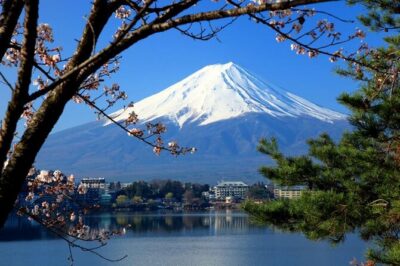 ★ 5.0Mt Fuji and Hakone 1-Day Bus Tour Return by Bullet TrainFrom $163
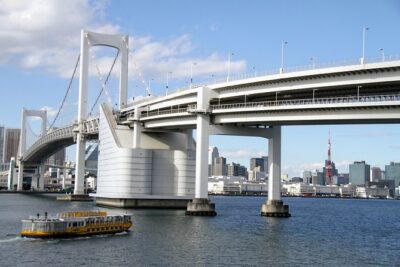 ★ 5.01-Day Tokyo Bus TourFrom $129
 ★ 4.6Tokyo: teamLab Planets TOKYO Digital Art Museum Entry TicketFrom $251 day
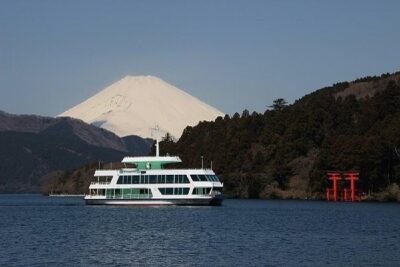 ★ 4.0Mt Fuji & Hakone Cruise, Drum Show Bullet Train 1 Day from TokyoFrom $149
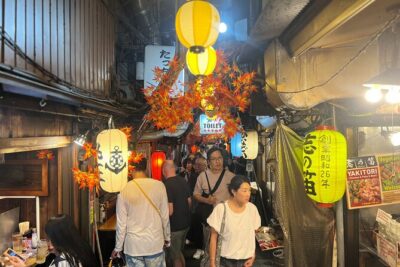 ★ 5.0Tokyo: Shinjuku Food Tour (13 Dishes at 4 Local Eateries)From $86
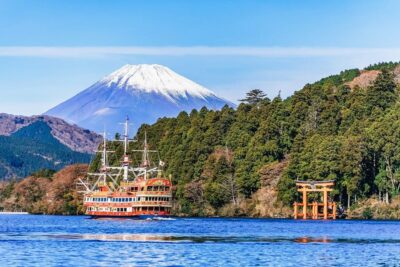 ★ 4.4Tokyo Mt Fuji 5th St & Hakone Cruise Bus Tour w/Bullet TrainFrom $15410 hours