Reviewed · FULL-DAY
Full Day Tokyo Tour, From/To Tokyo,Yokohama, Narita, 2- 12 guests
Tokyo is far too large for a casual checklist, yet this private day tour gives you a useful first look at seven very different corners of the city. You can move from the lanterns of Senso-ji to the giant pedestrian scramble at Shibuya, then finish with sushi-market atmosphere and lunch around Ginza.
In This Article
- Key points to know
- Why This Private Tokyo Route Works
- Starting With Senso-ji in Asakusa
- Quiet Paths at Meiji Jingu
- Reading the Crowd at Shibuya Crossing
- Imperial Palace Grounds and Timing
- Takeshita Street and Harajuku Style
- Tsukiji Jogai Market After the Move
- Lunch and a Final Look at Ginza
- What the Driver-Guide Adds
- Pickup, Group Size, and Daily Pace
- What the Price Covers and What It Does Not
- Weather, Cancellation, and Practical Planning
- Who Should Book This Tokyo Day?
- Should You Book This Private Tokyo Tour?
- FAQ
- How long does the Tokyo tour last?
- How many people can join the private tour?
- Where can pickup and drop-off be arranged?
- Is the start time fixed?
- Which sights are included?
- Is lunch included?
- Are entrance tickets included?
- Who is the driver-guide?
- Is the tour suitable for people with luggage?
- What is the cancellation policy?
I like the flexible pickup and start time, especially if you are coming from Yokohama or stepping off a cruise. I also like the private format: your driver-guide can adjust the day, help with practical timing, and even pursue a special request such as Tokyo’s guitar shops. The catch is simple: eight hours is a lot of ground to cover, so several stops are brief and transport time can rise with traffic.
Key points to know
- Seven major Tokyo stops in one private day: Senso-ji, Meiji Jingu, Shibuya, the Imperial Palace, Takeshita Street, Tsukiji Jogai Market, and Ginza.
- Flexible pickup and drop-off: Arrangements can be made in Tokyo, Yokohama, or Narita, with particular flexibility for Yokohama.
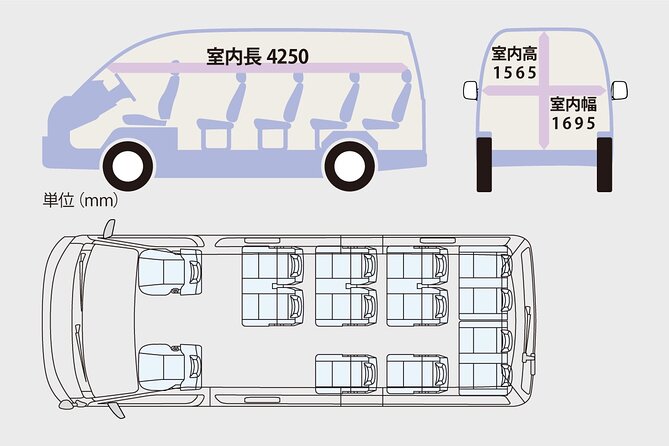
- A real fit for families and large groups: One vehicle can carry up to 12 people, and the guide has handled groups with an unusually large amount of luggage.
- A guide-led day, not a fixed script: Takeshi Shishiba, also called Take-san in feedback, has adjusted sightseeing around palace access, special shopping requests, and family needs.
- Lunch is in Ginza, but you pay separately: Food and drinks are not included, so you control the restaurant and budget.
- Good cancellation protection: Cancel at least 24 hours before the start for a full refund, with weather-related alternatives or refunds available.
Why This Private Tokyo Route Works
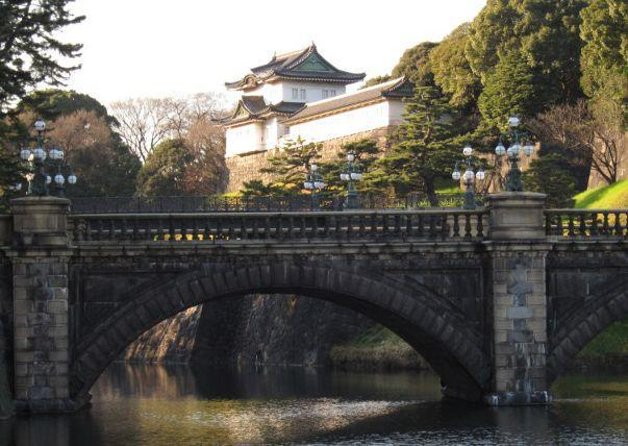
I see this tour as a city sampler rather than a slow, detailed study of Tokyo. It links historic Asakusa, the forested Meiji Shrine, modern Shibuya, central Tokyo, youthful Harajuku, the Tsukiji food district, and upscale Ginza in one day.
That range is the main reason to consider it. If you have only one day in Tokyo, or if you are based in Yokohama and do not want to plan a complicated rail itinerary, a private vehicle can save energy. You can ask questions as you go, leave the routing to the guide, and avoid rebuilding your day around train connections.
The group limit matters. At up to 12 people, this can be good value for a family or extended group. At the listed price of $703.65 per group, the cost works out to about $58.64 per person for 12 people, before meals and any paid admission. For two people, it is a much more expensive day, at about $351.83 each. The price makes the most sense when you fill the vehicle or place a high value on convenience.
You should also set the right expectations. The schedule lists about 8 hours, but Tokyo traffic can affect how long you have on foot. You will see many places, but you will not have hours inside every one. The flexible format helps, though, since your guide can shape the day around your priorities.
A few more Tokyo tours and experiences worth a look

Starting With Senso-ji in Asakusa
Senso-ji is a strong opening stop because it gives you an immediate sense of old Tokyo. This Buddhist temple is one of the city’s best-known religious sites, and the approach through Asakusa is visually memorable, with the famous Kaminarimon Gate and its large red lantern leading toward Nakamise shopping street.
The planned time here is about 1 hour 30 minutes. That is the longest stop on the route, and rightly so. You have time to walk toward the main hall, look at the temple grounds, and browse the traditional souvenir stalls without treating the visit as a rushed photo stop.
Admission is free, which helps keep the day’s extra costs down. You may still want money for food, drinks, or purchases, since personal spending is not part of the tour price.
I like Senso-ji as a first visit because it is easy to understand even if you know little about Japanese Buddhism. Ask your guide about the temple’s role in Asakusa and the customs you see around the grounds. Remember that this is an active place of worship, not just a sightseeing backdrop.
Quiet Paths at Meiji Jingu
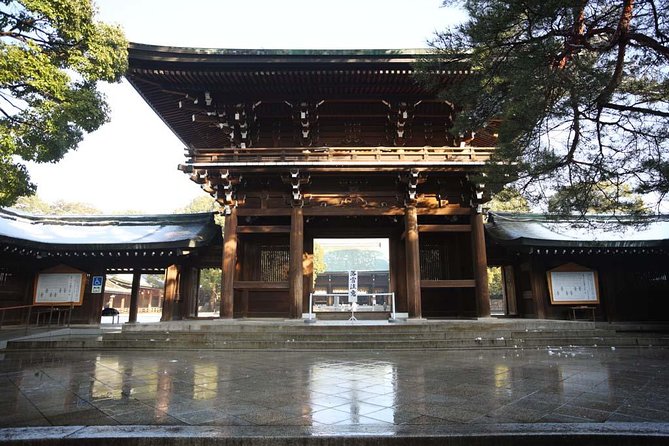
Meiji Jingu offers a sharp change of mood. After the dense streets of Asakusa, you enter a broad shrine setting beside Harajuku Station, dedicated to the deified spirits of Emperor Meiji and Empress Shoken.
You have about an hour here. The walk to the shrine buildings is part of the experience, so comfortable shoes matter. The tour data does not promise a specific ritual demonstration or special ceremony, but you can expect a place where visitors come to pay respects, make offerings, and observe Shinto customs.
I like pairing Meiji Jingu with Takeshita Street later in the day. One stop gives you a calm religious setting, while the other shows Harajuku’s youth fashion and pop culture. That contrast is more useful than visiting several similar shopping areas.
Admission is free. Since Meiji Jingu is a functioning shrine, keep your voice down and follow posted instructions. Your guide can help explain what is happening, but the visit remains fairly independent and easy to manage.
Reading the Crowd at Shibuya Crossing
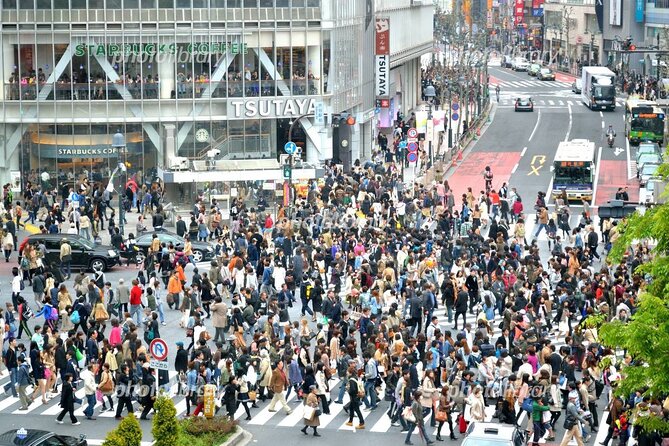
Shibuya Crossing gets only about 30 minutes, but that can be enough for a first look. The surrounding district is one of Tokyo’s main shopping and entertainment areas, and the crossing itself is the visual shorthand many people have for modern Tokyo.
The point is not to spend half an hour simply crossing the street again and again. Instead, use the time to see the flow of people, take photographs, and get a sense of the area around Shibuya Station. Your guide can help you find a useful viewing point, though the supplied details do not promise a particular building or observation deck.
This short stop is one of the day’s tradeoffs. Shibuya deserves more time if shopping, nightlife, or city views are your priority. On the other hand, a quick visit works well for a first orientation, especially when the day already includes Harajuku and Ginza.
I would tell you to keep your expectations modest here. You are sampling the district, not exploring it fully. If you care more about Shibuya than Tsukiji or Ginza, discuss that before the vehicle sets out.
Imperial Palace Grounds and Timing
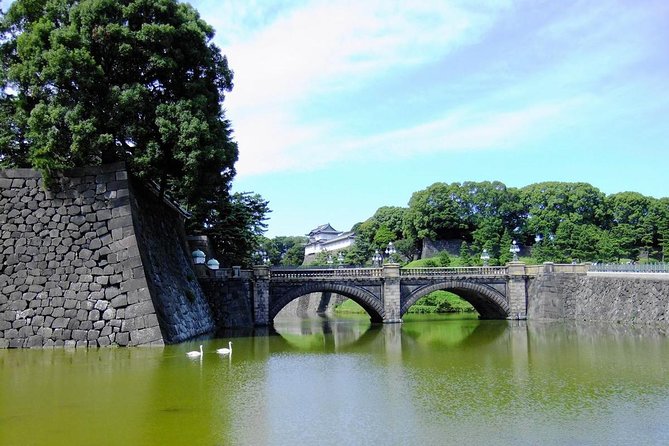
The Imperial Palace occupies the former site of Edo Castle in central Tokyo. The area is marked by moats, major stone walls, and broad open grounds close to Tokyo Station. The planned visit lasts about 1 hour 45 minutes, one of the longest stops on the schedule.
This is a good place to slow down and put Tokyo’s scale into context. The palace grounds connect the modern capital with the city’s castle past, and the stonework and moats give you something substantial to see even when palace interiors are not open.
Access can depend on the day. One account specifically credits Take-san with knowing when the palace was open and timing the visit well. That is an important practical benefit of using a local driver-guide, but you should still confirm what areas are available on your date. The itinerary does not promise entry to palace buildings, and admission fees, if any, are not included.
The palace stop is also sensitive to pacing. If your group wants photographs and a walk around the outer grounds, the allotted time is useful. If you hope for a detailed interior visit, ask about that in advance rather than assuming it is part of the standard day.

Takeshita Street and Harajuku Style
Takeshita Street is a 350-meter shopping street across from JR Harajuku Station. Its shops aim at Tokyo’s fashion-conscious youth, and the atmosphere is very different from the formal setting of Meiji Jingu only a short distance away.
The tour gives you about 30 minutes here. That is enough to stroll a section of the street and look at the unusual clothing, accessories, and snack shops, but not enough for serious shopping. If you see something you want, do not assume you will have time to return later.
This stop works best as a quick cultural contrast. You see how Tokyo can shift from sacred woodland paths to trend-driven retail within minutes. It is less useful if your main goal is to buy clothes, since the schedule is already full.
The street can feel crowded, and the short visit means you should stay aware of your group. I would use this time to walk, look, and choose one or two things to try rather than attempt a full Harajuku shopping trip.
Tsukiji Jogai Market After the Move
Tsukiji Jogai Market is the outer market district connected with the former Tsukiji wholesale market. The wholesale inner market and its famous tuna auctions moved to Toyosu in 2018, but the outer market continues to be a place for food shops and market-style browsing.
The planned stop is about 45 minutes. That is enough for a look at the lanes and a possible snack, but your food budget is separate. The tour specifically excludes meals and drinks, so plan to pay directly for anything you eat.
This distinction matters. If you arrive expecting to see the old wholesale auction, you will be disappointed because that operation moved to Toyosu. Tsukiji Jogai Market still serves a different purpose, with food-focused shops and a familiar market atmosphere, but it is not the same place as the pre-2018 inner market.
I like this stop because it gives you a chance to eat or browse outside the formal sightseeing circuit. Still, 45 minutes is short. If fresh seafood, market food, or cooking shops are central to your day, tell the guide early so you can use the time well.
Lunch and a Final Look at Ginza
Ginza is the scheduled lunch area and the final stop. Known for high-end shopping and central Tokyo streets, it gives the day a polished finish after the more traditional feel of Asakusa and the food focus of Tsukiji.
The itinerary allows about an hour. Lunch is not included, and the tour does not name a particular restaurant, so your guide may help you choose based on your group’s needs. That flexibility is useful for families, large parties, or anyone with dietary concerns, though you should not assume a meal is built into the price.
Ginza also works as a practical endpoint. You can eat, look around, and decide if you want to continue independently afterward. The tour includes transportation expenses related to the service and guide costs, but personal charges remain yours.
I would not choose this tour solely for Ginza. The district is included as part of a broad Tokyo day, not as a dedicated shopping experience. Its value comes from rounding out the route and giving you a comfortable lunch break.
What the Driver-Guide Adds
The strongest part of a private day like this is not simply having a vehicle. It is the ability to adjust the plan when your group’s needs change.
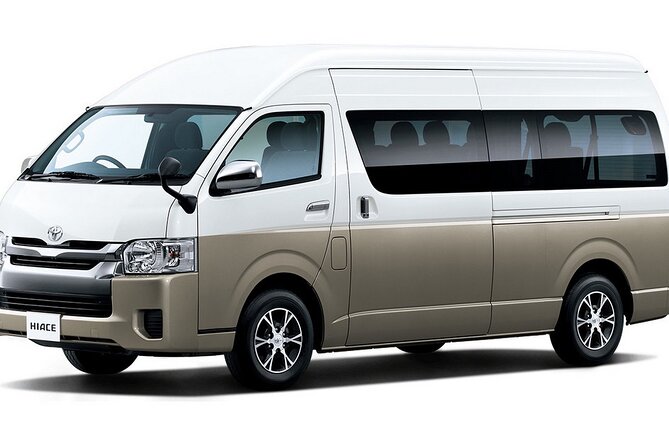
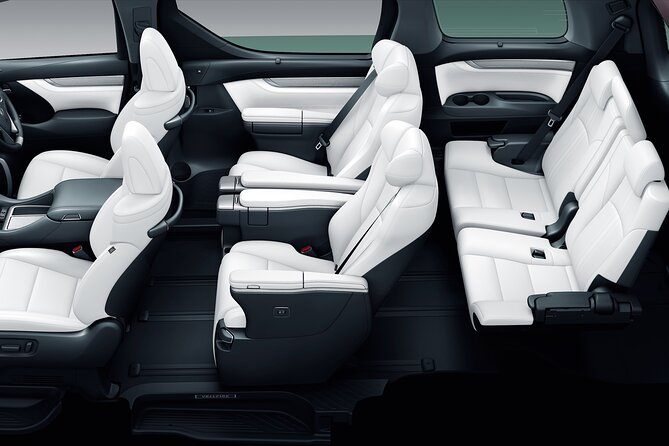
Takeshi Shishiba is identified as the company’s driver and guide, and he is also addressed as Take-san. One family used the vehicle after a cruise, with three children, a grandmother, and an unusually large amount of luggage. The vehicle handled the group and baggage without trouble, which makes this option especially relevant if you are arriving from a ship or moving between hotels.
Another group asked for Tokyo’s guitar street and received help finding vintage and new guitar shops, including stores carrying brands such as Martin, Gibson, and Fender. That tells you something useful: you should not treat the listed stops as the only possible focus. Ask before the day begins if you have a special interest.
The guide has also helped with timing around Imperial Palace access. That kind of local judgment can save you from arriving at the wrong time, though it cannot guarantee that every area will be open.
The feedback also points to clear communication before pickup and a guide who tailored the day to the group. That is worth valuing when your party includes different ages, luggage, or a fixed cruise schedule. One detail to clarify is the exact guide assigned, since names in the supplied material include Takeshi Shishiba and Keka-san.
Pickup, Group Size, and Daily Pace
Pickup is offered from Tokyo, Yokohama, and Narita according to the experience title, with flexible pickup and drop-off points specifically highlighted for Yokohama. That makes the tour useful for people staying outside central Tokyo or connecting from Narita.
There is no fixed start time stated. You can begin at a time that fits your schedule, subject to arranging it with the provider. I would confirm the pickup address and start time carefully, especially if you are coming from a cruise terminal or airport.
The vehicle can serve a private group of up to 12 people. This avoids splitting a family or group across public transport or separate vehicles. It also means the per-person value improves sharply as your party grows.
The pace is active. You will be getting in and out, walking at several major sites, and covering a wide area. Most people can participate, and service animals are allowed. Nearness to public transportation is noted, though the experience itself is built around private transport.
What the Price Covers and What It Does Not
At $703.65 per group, the price includes transportation expenses connected to the tour and the guide service. It does not include meals, drinks, personal purchases, or entrance fees when a charge applies.
All seven listed stops show free admission, so the exclusions may not create a large extra bill for the standard route. Lunch in Ginza is the main predictable cost. Shopping and market snacks can add more, depending on your choices.
I consider the price fair for a full private vehicle carrying a large party, particularly when pickup from Yokohama or Narita saves you planning time. For a couple, it is a premium purchase. You are paying for door-to-door convenience, a flexible schedule, and a guide who can adjust the day, not simply for admission tickets.
The tour is generally booked well ahead, with an average booking lead time of 104 days. That suggests you should not wait until the last minute if your schedule is fixed.
Weather, Cancellation, and Practical Planning
Free cancellation is available if you cancel at least 24 hours before the local start time. Changes or cancellations inside that window are not accepted for a refund.
The experience requires good weather. If poor weather causes cancellation, you are offered another date or a full refund. Since several stops involve outdoor walking, this policy is worth noting before you arrange a tightly packed Tokyo schedule.
Confirmation is sent within 48 hours of booking, subject to availability. I would use that period to confirm your pickup point, start time, group size, luggage needs, and any special requests.
Wear shoes suited to walking. The day includes temple and shrine grounds, palace exteriors, shopping streets, and market lanes. Bring room in your budget for lunch and snacks, and remember that the itinerary is a guide rather than a promise that every stop will receive equal time.
Who Should Book This Tokyo Day?
I would recommend this tour most strongly to a group of four to 12 people that wants to see the main sights without managing Tokyo’s transport system. It is especially useful for Yokohama-based groups, cruise passengers, families with children, and people carrying luggage.
It also suits first-time visitors who want a broad introduction. You will see historic, religious, commercial, fashionable, and food-related sides of the city in one day.
I would hesitate if you are a solo visitor or a couple on a tight budget. Public transportation will usually cost less, and you may prefer spending a full morning in one district rather than crossing Tokyo for a short stop.
I would also ask for a customized plan if you already know your priorities. The standard route is broad, but the guide has shown flexibility with guitar shopping, family needs, and palace timing.
Should You Book This Private Tokyo Tour?
Book it if convenience matters, your group is large enough to share the cost, or you are arriving through Yokohama or Narita. The combination of flexible pickup, private transport, and an adaptable guide can turn a complicated one-day Tokyo visit into a manageable route.
Skip it if you want a slow, district-by-district exploration or if $703.65 is too high for your party size. The day covers a lot, but it cannot offer a full experience at every stop.
For the best fit, contact the provider with your exact pickup point, preferred start time, luggage count, and top two priorities. That gives the guide a better chance to shape the schedule around you rather than simply race through a checklist.
FAQ
How long does the Tokyo tour last?
The tour lasts approximately 8 hours.
How many people can join the private tour?
The private tour can accommodate a group of up to 12 people.
Where can pickup and drop-off be arranged?
The experience is offered from and to Tokyo, Yokohama, and Narita. Pickup and drop-off points are described as flexible for Yokohama.
Is the start time fixed?
No fixed start time is stated. You can begin at a time that suits your schedule, subject to arranging it with the provider.
Which sights are included?
The planned stops are Senso-ji Temple, Meiji Jingu Shrine, Shibuya Crossing, the Imperial Palace, Takeshita Street, Tsukiji Jogai Market, and Ginza.
Is lunch included?
No. Ginza is listed as the lunch stop, but meals and drinks are personal expenses.
Are entrance tickets included?
Transportation and guide service are included. Admission fees are not included if a stop charges for entry. The listed stops show free admission.
Who is the driver-guide?
Takeshi Shishiba is identified as the driver and guide, and is also called Take-san. Keka-san is also named in one account, so confirm the assigned guide when booking.
Is the tour suitable for people with luggage?
The vehicle has accommodated a family with a large amount of luggage. You should provide your luggage details when arranging pickup.
What is the cancellation policy?
You can cancel at least 24 hours before the experience start time for a full refund. Cancellations or changes made less than 24 hours before the start are not accepted for a refund. If poor weather causes cancellation, you are offered another date or a full refund.
More Full-Day in Tokyo

More tours in Tokyo we've reviewed












Full-Day, compared.
 ★ 4.5From Tokyo: Mount Fuji Full-Day Sightseeing TripFrom $6810 hours
 ★ 4.9From Tokyo: Mount Fuji Full Day Customizable Private TourFrom $407
 ★ 5.0Tokyo Private Full-Day Tour by Car or VanFrom $321
 ★ 4.5Tokyo: Mt. Fuji and Kawaguchiko Full-Day English Guided TourFrom $82
 ★ 4.7From Tokyo: Must-Visit Mount Fuji Highlight Full-Day TourFrom $6911 hours
 ★ 4.5Mt. Fuji, Hakone Full-Day Private Tour with English Driver GuideFrom $495