Reviewed · COOKING CLASSES
Japanese Cooking Class in Tokyo with a Local Chef Chieko
The best part of this Tokyo experience is that you do not simply watch a chef prepare sushi or noodles. You work with fresh Japanese ingredients, learn family cooking tips, and sit down to eat what you made. Chieko teaches simple home dishes rather than restaurant showpieces, which gives the class a useful connection to daily life in Japan.
In This Article
- Key points at a glance
- Cooking Japanese food near Shinjuku
- Choosing one menu from five options
- Hands-on work instead of a cooking demonstration
- From Shikoku to Tokyo: meeting Chieko
- Eating the meal you helped prepare
- What makes the food feel local
- The time commitment and best schedule
- Who will enjoy this cooking class
- Practical booking advice before you pay
- Should you book Chieko’s Tokyo cooking class?
- FAQ
- Where does the Japanese cooking class take place?
- How long does the cooking class last?
- What will I cook?
- Can vegetarian diets and allergies be accommodated?
- Is hotel pickup included?
- What is the cancellation policy?
I like the small, personal setting and the chance to choose one menu from five options. I also like the practical location, only about a 10-minute walk from Shinjuku Station. The main consideration is the meeting address, which can be hard to identify, so allow extra time and look for someone meeting you in the building lobby.
Key points at a glance
- Three dishes in one class: Prepare one main dish and two side dishes from scratch.
- Five menus to choose from: Select your preferred menu when booking and tell your host about allergies or dietary needs.
- A local teacher with broad experience: Chieko grew up on Shikoku, lived in Kyoto, Osaka, and Los Angeles, and now teaches in Tokyo.
- Convenient Shinjuku location: The cooking studio is in Shibuya City, about a 10-minute walk from Shinjuku Station.
- A meal after the work: Sit down with your host and eat the Japanese dishes you helped prepare.
- Vegetarian requests are possible: Notify the host in advance, since menus can change with the season.
Cooking Japanese food near Shinjuku
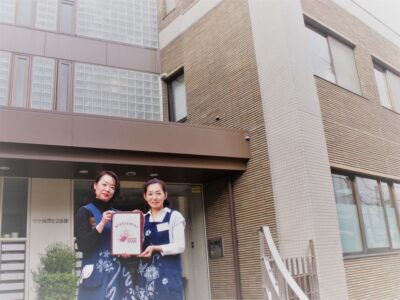
This class takes place in a cooking studio in Shibuya City, close to one of Tokyo’s busiest transport hubs. From Shinjuku Station, you walk roughly 10 minutes to the meeting point at Sense Nail, 2-chome-5-1 Yoyogi.
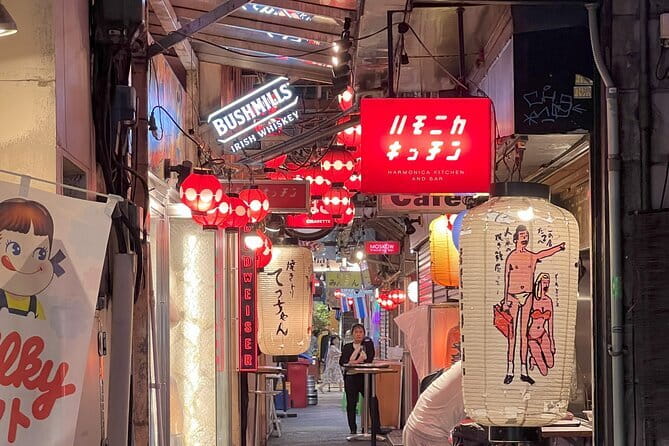
That location is useful if you are already exploring Shinjuku, staying nearby, or using the station to reach other parts of Tokyo. It also means you can fit the class into a wider sightseeing day without spending much time crossing the city.
The address deserves careful attention. The building can be difficult to identify, and there may be no clear name on the mailboxes. I would arrive early, keep the meeting details open on your phone, and expect the host to meet you in the building lobby. This is a small issue, but it can cause needless stress if you arrive just as the class is due to begin.
You can book a daytime session from 11 a.m. to 1:30 p.m. or an evening session from 5 p.m. to 7:30 p.m. Although the experience is sometimes described as a two-hour class, you should plan for about two and a half hours from start to finish.
Other cooking classes in Tokyo
Choosing one menu from five options
You choose one menu from five choices when you book. The exact dishes are not listed in the available information, and the menu may change with the season. That is not a drawback for most people. Japanese home cooking depends heavily on what is fresh, and seasonal changes are part of the point.
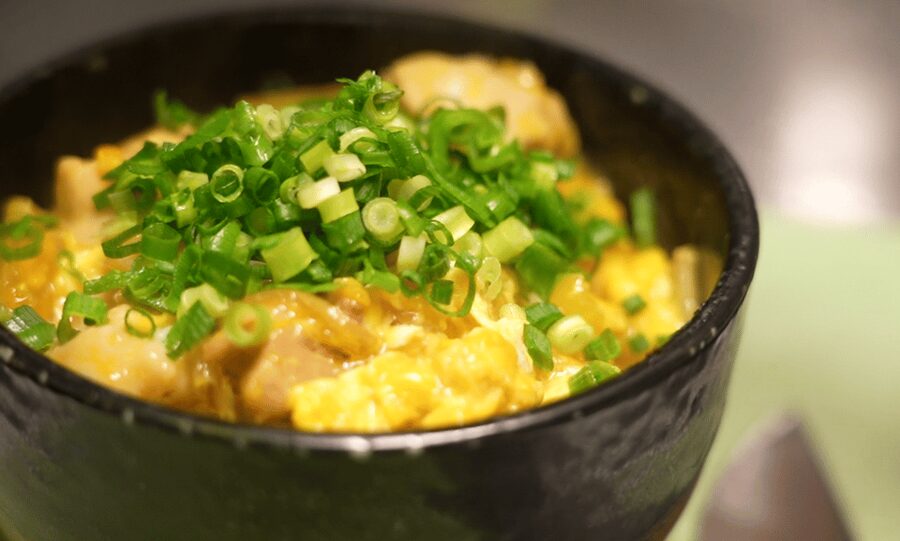
The structure is clear: you prepare one main dish and two side dishes. You then share the completed meal with your host. This gives the class a good rhythm. You are not spending the entire time chopping, nor are you being rushed through a long list of unrelated recipes.
The food is described as traditional Japanese home cooking. Chieko learned many of these methods from her mother, and her background on Shikoku gave her early access to fresh seafood, vegetables, and rice. Those details matter because the class focuses on the everyday food Japanese families actually prepare, not just dishes designed for visitors.
When you book, choose your menu and write down any allergies or dietary requirements in the special requirements box. Vegetarian cooking can be accommodated, but you should not wait until the day of the class to ask. The host needs advance notice to plan ingredients and make suitable substitutions.
Hands-on work instead of a cooking demonstration
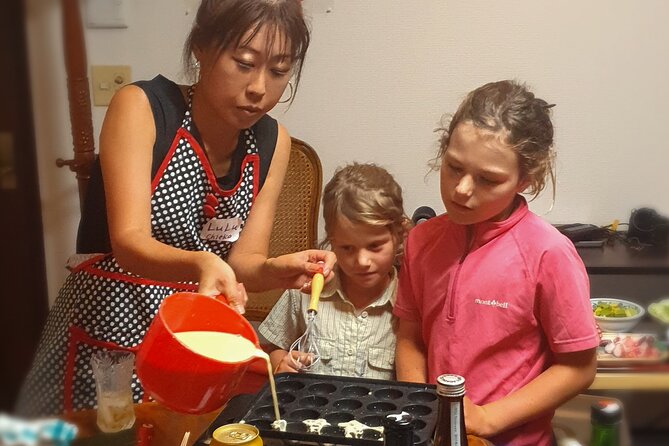
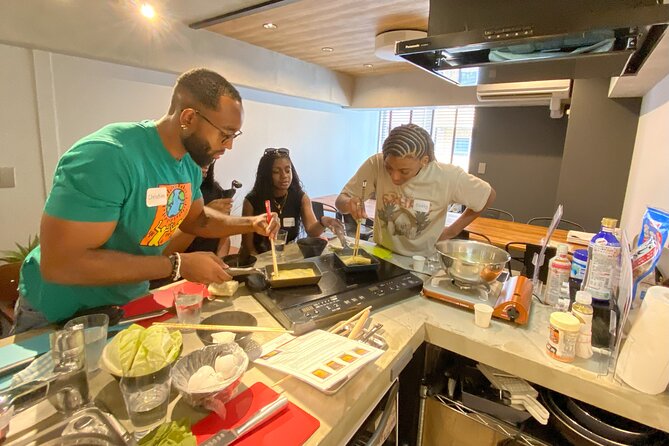
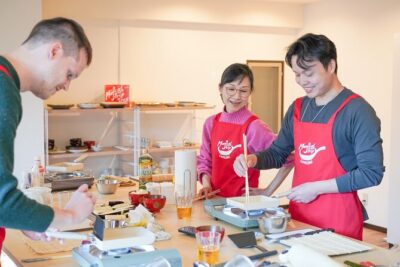
You take part in the preparation from the start. The format is designed as a genuine cooking lesson, so you can expect to handle ingredients and help make each dish rather than sit back while someone else does all the work.
That distinction is important. Many food activities give you a taste and a short demonstration, then send you on your way. Here, the meal at the end is built around your own effort. You see how the ingredients are prepared, learn the reason behind certain steps, and get a chance to repeat the methods at home.
Chieko shares tips learned from her mother, with an emphasis on recipes that are simple enough to recreate outside Japan. I like that approach. A complicated restaurant technique may be impressive, but a manageable side dish or home-style main course is more useful after your holiday ends.
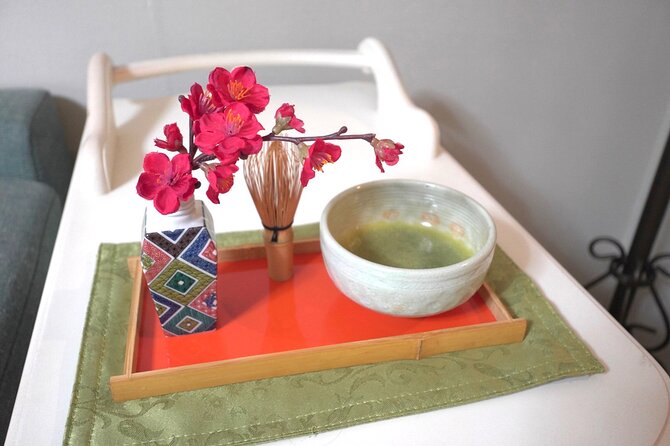
The class also gives you a window into Japanese hospitality. You are not only learning food preparation. You are sharing a meal in a setting connected to a local host’s daily life, which can make the experience feel more personal than a standard restaurant visit.
From Shikoku to Tokyo: meeting Chieko
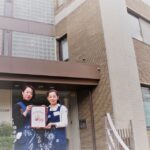
Chieko was born and raised on Shikoku Island before living in Kyoto, Osaka, and Los Angeles. She later moved to Tokyo and became a certified cooking instructor.
That path gives her a helpful range of experience. Shikoku connects her to island food traditions and fresh local ingredients. Kyoto and Osaka add experience with two of Japan’s best-known food cities. Living in Los Angeles also means she has experience around an international audience, which may help when explaining Japanese ingredients and methods to people unfamiliar with them.
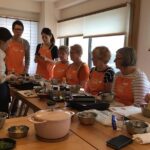
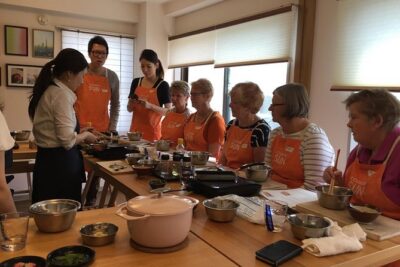
The class is presented as a private experience, but the activity can have a maximum of 11 people. That wording is worth clarifying before you book. You should expect a host-focused cooking lesson, yet the session may not be limited to only you and your companions.
Chieko’s team may also help lead the class. One session was hosted by Junko, who was described as warm and attentive. Junko even offered a yukata experience at no extra cost and prepared a small birthday gift after learning about a participant’s birthday. Those personal touches are not guaranteed for every booking, but they show the kind of friendly hosting this experience aims for.
Eating the meal you helped prepare
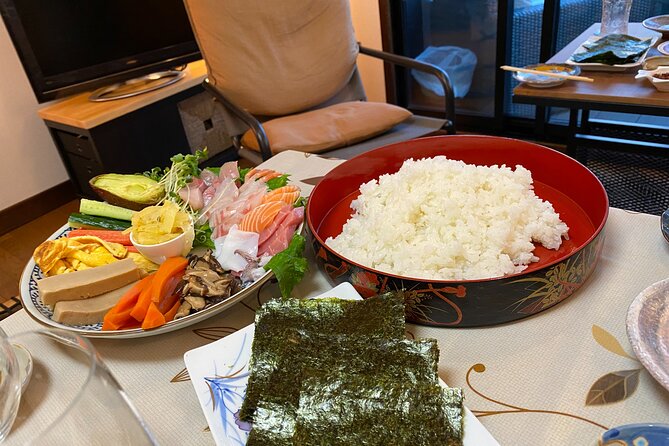
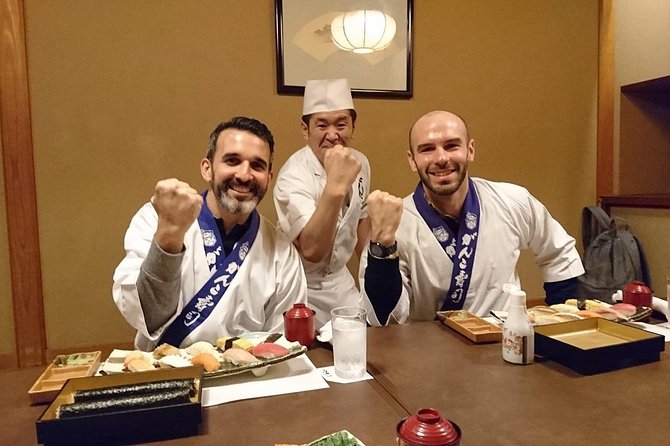
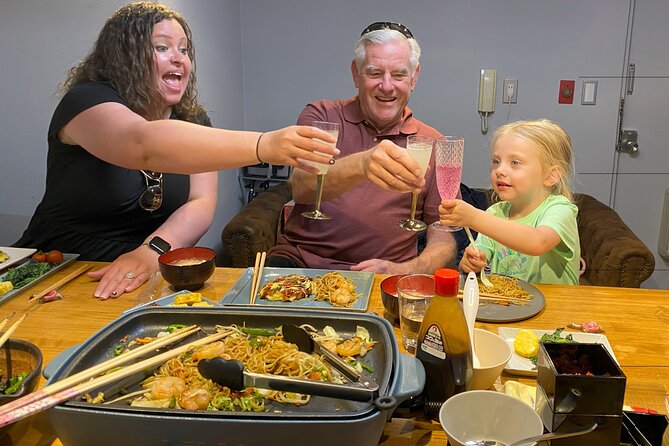
After the cooking, you sit down and eat the dishes together. This is more than a convenient ending. It lets you taste the results while the steps are still fresh in your mind, and it gives you time to talk with your host.
The meal includes the food prepared during the lesson. You are not paying separately for a restaurant lunch or dinner afterward. At $109 per person, the price covers the shared cooking lesson and the home-cooked Japanese meal.
That price is not the cheapest way to eat in Tokyo. You can find excellent noodles, set meals, and sushi for far less. The value here comes from the instruction, the private or small-group format, the ingredients, and the personal contact with a local host.
I would consider it good value for someone who wants more than a meal. If your main goal is simply to eat Japanese food, spend the money at a restaurant. If you want to understand how several dishes come together and leave with techniques you can use at home, the class makes better sense.
The meal also helps balance the class. Cooking can feel like work, especially after a full morning of sightseeing. Sitting down to enjoy the result gives the activity a relaxed finish and turns the lesson into a social occasion.
Other cooking classes in Tokyo

What makes the food feel local
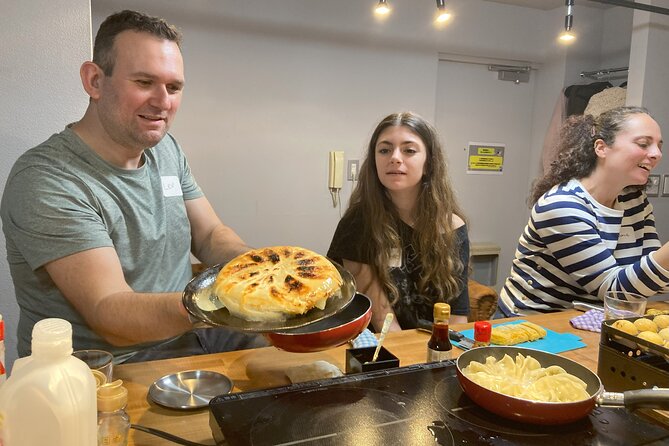
The emphasis is on fresh and local produce, with menus that may change during the year. You might work with vegetables, rice, seafood, or other ingredients commonly used in Japanese home cooking, depending on the selected menu and season.
The class does not promise a single famous dish, and that is actually one of its strengths. Tokyo has plenty of places to sample ramen, sushi, and tempura. A home-style menu can show you a quieter side of Japanese food, including the balance between a main dish and smaller side dishes.
The three-dish format is also practical. Japanese meals often include several modest dishes rather than one large plate. Making a main course plus two sides helps you understand that pattern without turning the session into a full culinary school course.
You should remember that the precise menu is not fixed in the general description. Make your selection at booking and confirm any food concerns in advance. If you have strict dietary needs, ask for clear confirmation before paying, since the information only specifically confirms that vegetarian requests can be accommodated.
The time commitment and best schedule
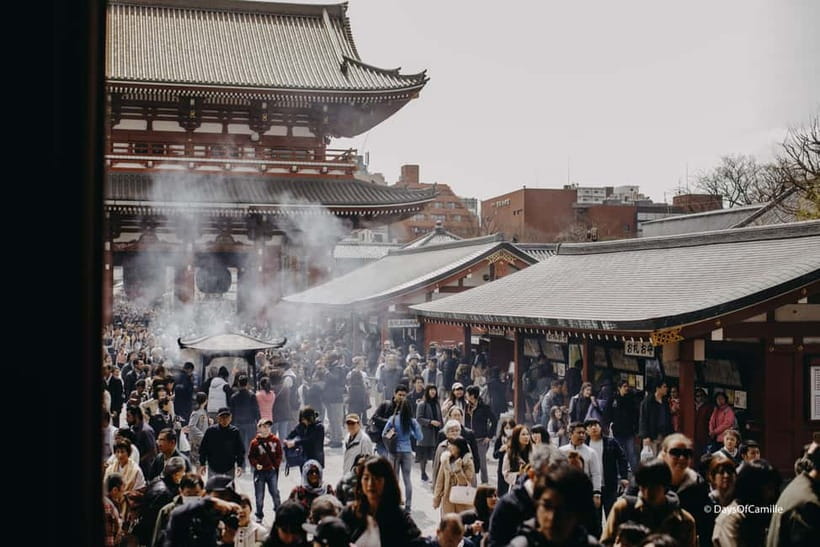
The daytime class runs from 11 a.m. to 1:30 p.m. This works well if you want to cook before an afternoon visit to Shinjuku, Harajuku, or another nearby part of Tokyo. The evening class, from 5 p.m. to 7:30 p.m., can replace a conventional dinner and leaves the earlier part of your day open.
At two and a half hours, the class is long enough for real participation but short enough to fit into a busy Tokyo plan. I would not schedule a major timed attraction immediately afterward. The class ends at the meeting point, and you still need to walk back toward the station.
The experience does not include hotel pickup or drop-off. You make your own way to the meeting point and return there at the end. Since the location is near public transportation, that is manageable, but you should budget time for finding the right building.
Confirmation is sent within 48 hours of booking, subject to availability. The activity is often booked well in advance, with an average booking lead time of 47 days. If you have a fixed travel schedule, book early and wait for confirmation before treating the class as final.
Who will enjoy this cooking class
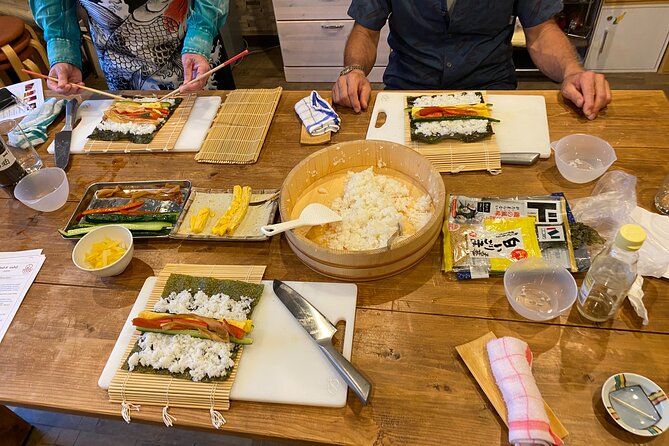
This class suits people who want a personal cultural activity rather than another sightseeing stop. It is a good pick for couples, families, food-focused visitors, and anyone who enjoys learning by doing.
It should also work well for people who want to recreate Japanese food at home. The recipes are meant to be simple and approachable, and the host explains practical tips from family cooking. You will get more from the experience if you ask questions and pay attention to the small methods, not just the final presentation.
The class can be a thoughtful birthday activity, too. Junko’s birthday gesture shows that the host may take note of special occasions when you mention them in advance. I would include the occasion when booking, but I would not treat a gift or yukata as a guaranteed part of the package.
This may not suit you if you dislike group activities, have very strict dietary restrictions, or want a detailed professional chef’s course. The class is home-style and social. Its appeal is connection and useful cooking, not advanced restaurant training.
Practical booking advice before you pay
The price is $109 per person, and free cancellation is available if you cancel at least 24 hours before the start time. Changes or cancellations made inside that 24-hour window are not accepted for a refund, with cut-off times based on Tokyo local time.
Tell the host about allergies and dietary needs during booking. Select your preferred menu at the same time. Vegetarian cooking is possible, but early notice is essential because the host may need to adjust the ingredients.
I would also keep the confirmation message handy on the day. The meeting point is specific, but the building may not be obvious from the street. Arriving 10 to 15 minutes early gives you a better chance of finding the entrance without cutting into your cooking time.
The activity ends where it begins. There is no hotel transfer, and no separate attraction admission is included. What you pay for is the cooking lesson, the ingredients involved in the meal, and the chance to eat with your host.
Should you book Chieko’s Tokyo cooking class?
Book it if you want to learn practical Japanese home cooking and meet a local host near Shinjuku. The combination of three dishes, a shared meal, seasonal ingredients, and personal instruction gives you something a restaurant cannot provide.
The main cautions are the price, the uncertain menu details, and the hard-to-find meeting address. Confirm your menu and dietary needs early, arrive with extra time, and understand that the class may involve Chieko, Junko, or another member of the teaching team.
For a food-focused Tokyo itinerary, I would choose this over a passive tasting. You leave with a meal, a few family-style techniques, and a better sense of how Japanese food fits into everyday life.
FAQ
Where does the Japanese cooking class take place?
The class meets at Sense Nail, 2-chome-5-1 Yoyogi, Shibuya, Tokyo 151-0053, Japan. It is about a 10-minute walk from Shinjuku Station.
How long does the cooking class last?
Plan for approximately two and a half hours. Sessions run from 11 a.m. to 1:30 p.m. or from 5 p.m. to 7:30 p.m.
What will I cook?
You choose one menu from five options. The class includes one main dish and two side dishes, followed by a shared Japanese meal.
Can vegetarian diets and allergies be accommodated?
Chieko can accommodate a vegetarian diet. You must provide details about allergies or other dietary requirements when booking, and tell the host your chosen menu in advance.
Is hotel pickup included?
No. Hotel pickup and drop-off are not included. You make your own way to the meeting point, which is near public transportation.
What is the cancellation policy?
You can cancel for a full refund up to 24 hours before the experience start time. Cancellations or changes made less than 24 hours in advance are not accepted for a refund.
More Workshops & Classes in Tokyo
More Cooking Classes in Tokyo
More Cooking Classes in Tokyo
More tours in Tokyo we've reviewed












Cooking Classes, compared.
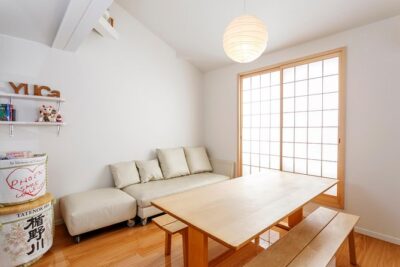 ★ 5.0Ramen & Gyoza Cooking Class in Tokyo with Local Supermarket VisitFrom $122
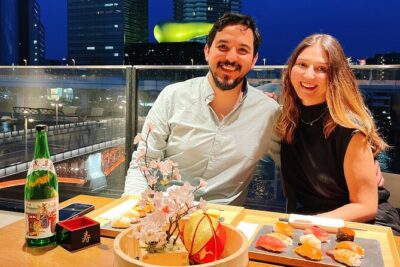 ★ 5.0Ramen and Sushi Cooking Class with Sake Pairing Set in TokyoFrom $79
 ★ 4.9Tokyo: Wagyu and 7 Japanese Dishes Cooking ClassFrom $673 hours
 ★ 5.0Tokyo Washoku 4-hour Cooking Class: From Market to TableFrom $79
 ★ 5.0Professional Ramen & Gyoza with Ramen Chef in a restaurant!From $159
 ★ 5.0Small-Group Wagyu Beef and 7 Japanese Dishes Tokyo Cooking ClassFrom $72