Reviewed · TEA CEREMONY & MATCHA
2 Hours Mochi &Nerikiri Making & Matcha Class in Bunkyo
The best part of this Bunkyo class is its small, home-based setting. Instead of watching a large demonstration, you sit at one table with Yuko, a bilingual Japanese instructor trained by the Wagashi Association of Japan, and make traditional sweets yourself.
In This Article
- Key points to know before booking
- What this Bunkyo wagashi class is really like
- Choosing between mochi, dango, and nerikiri
- Why the private format makes a difference
- A closer look at the two-hour lesson
- The cultural value beyond the sugar
- Getting to the home in Sekiguchi
- Is $78.83 good value?
- Who will enjoy this most
- Booking and cancellation details
- My advice on the course choice
- Should you book this class?
- FAQ
- How long does the mochi and matcha class last?
- What time does the activity start?
- Where does the class take place?
- Where does the activity end?
- Is this a private class?
- Which sweets can I learn to make?
- Do I need previous Japanese cooking experience?
- Who teaches the class?
- Can I cancel for a full refund?
I like the one-on-one attention and the chance to learn recipes you can try again at home. I also like the cultural context: mochi, dango, and nerikiri are not just pretty sweets, and Yuko explains how they connect with New Year celebrations, special occasions, and the tea ceremony.
The main consideration is the price, $78.83 per person for about two hours. That is not a casual snack stop, but it is fair if you want a private lesson rather than a quick tasting. The home setting is intimate, so it may feel less polished than a purpose-built cooking studio.
Key points to know before booking

- Three course choices: Pick mochi and dango, nerikiri, or the combination course covering all three.
- Private instruction: Only your own group participates, with personal guidance from Yuko.
- A real Japanese home: The class takes place in a home kitchen and dining area in Bunkyo, not a commercial classroom.
- Hands-on sweets making: You shape and prepare the sweets instead of simply watching a demonstration.
- Matcha and wagashi culture: The lesson connects each sweet with Japanese customs, including tea ceremony traditions.
- Easy two-hour format: The 10:00 am start leaves most of the day free for sightseeing.
What this Bunkyo wagashi class is really like
This is a short, focused introduction to wagashi, the broad Japanese tradition of seasonal and ceremonial sweets. The class takes place at 1-chōme-27-8 Sekiguchi in Bunkyo City, a central Tokyo neighborhood with public transportation nearby.
You meet at 10:00 am and return to the same place when the two-hour session ends. That simple schedule makes the class easy to fit beside a museum visit, shopping, or an afternoon neighborhood walk.
The tone is personal. You are not joining a large group that moves at one fixed speed. The activity is private, and the instructor can spend time correcting your technique, answering questions, and adjusting the pace for your group.
Yuko is the instructor and host. She is a native Japanese speaker, bilingual, and trained by the Wagashi Association of Japan. That combination matters because the class covers both the practical work of shaping sweets and the meaning behind them.
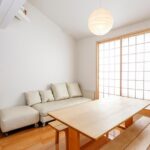
The setting is part of the appeal. You work in a Japanese home kitchen and dining room, with time to sit, talk, and enjoy the surroundings. It feels closer to being welcomed into someone’s home than attending a formal cooking school.
A few more Tokyo tours and experiences worth a look

Choosing between mochi, dango, and nerikiri

You have three course options. The first focuses on mochi and dango. The second is a nerikiri course. The third combines mochi, dango, and nerikiri in one session.
Mochi is made from glutinous rice and is known for its soft, stretchy texture. It appears in many Japanese celebrations, including New Year and occasions connected with new beginnings. The class uses traditional methods and shows you how to handle the dough and fillings in a practical way.
Dango is a chewy rice-flour sweet usually formed into small round pieces. It is linked with special events and seasonal customs. If you choose the mochi and dango course, you get a useful contrast between two sweets that may look simple but require different handling.
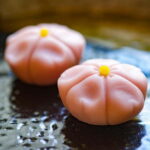
Nerikiri is the most decorative option. This soft bean-paste sweet is shaped into seasonal or symbolic designs and is strongly associated with the tea ceremony. The appeal is partly visual: you use your hands to turn a plain mixture into a small edible work of art.
If you enjoy design and careful detail, nerikiri may be the best choice. If you want the most familiar introduction to Japanese sweets, mochi and dango may be the easier starting point. If you want the broadest lesson in two hours, choose the combination course.
The exact designs and examples can vary. Past instruction has included different mochi forms and playful shapes such as a Halloween ghost, so you may get a seasonal or occasion-based design rather than one fixed model every time.
Why the private format makes a difference
A private class changes the feel of the activity. You can stop when a technique is unclear, ask why an ingredient is used, or take extra time with shaping. That is especially helpful with mochi, where the texture can be difficult to judge if you have never worked with it before.
The small format also suits families. You can work together at one table, share the finished sweets, and keep the pace relaxed. One family described the experience as a special time together in the home, with the view from the dining area adding to the atmosphere.
Solo visitors can also book confidently. You do not need to bring a group to make the private arrangement worthwhile. A one-person lesson has the advantage of giving you the instructor’s full attention, although the cost per person is still the stated $78.83.
The tradeoff is that a home kitchen has natural limits. You should not expect the space, equipment, or visual presentation of a professional culinary school. The reward is the personal connection and the chance to see how these sweets are taught in a domestic setting.
A closer look at the two-hour lesson

The session begins with an introduction to traditional Japanese sweets and the cultural role of each type. This gives the hands-on work some meaning. You learn why a certain sweet fits New Year, a special event, or the tea ceremony instead of treating every piece as a generic dessert.
Yuko then demonstrates the techniques step by step. You follow along at the table, making the sweets yourself. The process calls for patience and some care, but no previous experience with Japanese cooking is needed.
The instruction is designed for beginners. Yuko demonstrates each stage, then gives you time to imitate it. If your shape is uneven, that is part of the fun. You are learning a craft, not producing factory-perfect sweets for a shop window.
Several class formats include more than one type of sweet. That gives you a useful range of techniques in a short time, but it also means the pace can be active. If you prefer to spend longer perfecting one design, a single-category course may suit you better than the combination option.
The class finishes with matcha. The tea is not an afterthought. It shows how wagashi is traditionally enjoyed and gives you a quiet ending after the more active preparation work.
Some sessions have also included a tray of sweets to take away and a small goodie bag. Treat that as a possible extra rather than a guaranteed part of every booking, since the confirmed details list the making class and matcha rather than a fixed take-home package.
The cultural value beyond the sugar

This activity works best when you want context, not just food. Wagashi often carries meaning through its form, color, season, and use. Nerikiri, in particular, makes that clear because its appearance is as important as its taste.
The class also gives you a practical connection to Japanese hospitality. Sitting at a home table, sharing tea, and making food with the host can feel more personal than eating a finished dessert in a café.
Yuko’s explanations add another layer. The class covers the cultural links between sweets and celebrations, and the conversations can extend beyond the basic recipe. You learn about ingredients and traditions while working with your hands.
That combination is useful if you are curious about Japan but do not want a long lecture. The information arrives during the activity, when you can see the texture, shape, and purpose of the sweet in front of you.
You should still keep your expectations in proportion. This is a two-hour introduction, not professional confectionery training or a full survey of Japanese food culture. You will leave with techniques and background, but not mastery of every wagashi style.
A few more Tokyo tours and experiences worth a look
Getting to the home in Sekiguchi

The meeting point is 1-chōme-27-8 Sekiguchi, Bunkyo City, Tokyo 112-0014. The activity is near public transportation, which makes it practical for a morning appointment in central Tokyo.
Because this is a private home rather than a landmark attraction, allow enough time to identify the address and arrive calmly. The host has contacted participants in advance to help with directions, which is useful in a city where residential streets can be less obvious than major station exits.
The start time is fixed at 10:00 am. That is early enough to keep your afternoon open, but you should plan your route before the morning of the class. A late arrival would matter more here than at a drop-in food stall because the session is built around a two-hour sequence.
The activity ends back at the meeting point. There is no separate drop-off, restaurant reservation, or additional sightseeing stop included.
Is $78.83 good value?

At $78.83 per person, this class costs more than buying mochi or dango at a department-store food hall. You are paying for private tuition, a bilingual instructor, ingredients, the use of a home kitchen, cultural explanation, and matcha.
The price makes the most sense for you if you value personal instruction. A large workshop could offer a lower rate, but you would likely get less time with the teacher and less freedom to ask questions.
Families should calculate the total carefully. The private format can make a family outing feel special, but the cost rises with each participant. For a couple, a solo visitor, or a small family that wants a shared activity, the personal setting may justify the expense.
Food lovers also get more than a single tasting. You practice methods that can be repeated at home, and the recipes are described as simple enough for beginners. The long-term value depends on whether you actually plan to try making the sweets again.
I would not book this only because you want to eat a lot of dessert. The portions and class time are centered on learning. Book it because you want the process, the conversation, and the connection between Japanese sweets and culture.
Who will enjoy this most

This class is a strong fit for families looking for something everyone can do together. The work is hands-on, the session is short, and the home setting can feel comfortable for children and adults who enjoy cooking.
It also suits solo visitors. The private format means you do not have to join an established group, and the instructor can give you direct help throughout the process.
Couples and friends who enjoy food with a cultural angle should also consider it. You leave with a better sense of why wagashi looks the way it does and when different sweets are served.
It may be less suitable if you want a fast, highly polished tourist attraction with a large demonstration area. The home environment is part of the point, so you should be comfortable with an intimate setting and a lesson that feels personal rather than staged.
You should also think about your schedule. Two hours is manageable, but the 10:00 am start is not flexible according to the details provided. Plan your morning around reaching Bunkyo on time.
Booking and cancellation details
Confirmation is provided when you book, and the ticket is mobile, so you can keep the booking on your phone. The activity is private, and only your group participates.
Free cancellation is available if you cancel at least 24 hours before the 10:00 am start time. Cancellations or changes made less than 24 hours before the activity are not accepted for a refund, and the cut-off follows Tokyo local time.
The class is booked, on average, 38 days ahead. That does not guarantee that every date sells out, but it is a useful sign that you should reserve early if your Tokyo schedule is fixed.
My advice on the course choice
Choose mochi and dango if you want a clear introduction to two well-known Japanese sweets. It gives you variety without covering as many techniques as the full combination class.
Choose nerikiri if you care most about visual design, careful shaping, and the connection with tea ceremony. This is likely the most artistic option.
Choose the combination course if you want the fullest taste of the subject in one appointment. You will cover more styles, though the lesson may feel busier because there is more to make in the same two-hour period.
If you are unsure, the combination course offers the broadest introduction. If you already know you prefer either soft, chewy sweets or decorative wagashi, choosing a focused course may give you a more satisfying pace.
Should you book this class?
Book it if you want a personal Japanese food experience in a real home, not just another dessert stop. Yuko’s bilingual instruction, patient step-by-step teaching, and explanations of cultural meaning make the class useful even if your cooking skills are basic.
I would especially recommend it for a small family, a solo visitor, or anyone who enjoys learning through food. Skip it if $78.83 feels too high for a two-hour activity or if you prefer a large, formal cooking school with professional facilities.
For the right person, the appeal is simple: you make the sweets, learn why they matter, share matcha, and leave with a skill you can try again at home.
FAQ
How long does the mochi and matcha class last?
The class lasts approximately two hours.
What time does the activity start?
The stated start time is 10:00 am.
Where does the class take place?
The meeting point is 1-chōme-27-8 Sekiguchi, Bunkyo City, Tokyo 112-0014, Japan.
Where does the activity end?
The activity ends back at the meeting point.
Is this a private class?
Yes. Only your own group participates in the activity.
Which sweets can I learn to make?
You can choose a mochi and dango course, a nerikiri course, or a combination course covering mochi, dango, and nerikiri.
Do I need previous Japanese cooking experience?
No. The recipes and techniques are presented for beginners, and the instructor provides step-by-step guidance.
Who teaches the class?
The class is taught by Yuko, a bilingual native Japanese instructor trained by the Wagashi Association of Japan.
Can I cancel for a full refund?
Yes, if you cancel at least 24 hours before the experience start time. Cancellations or changes made less than 24 hours in advance are not accepted for a refund.
More 2-Hour Experiences in Tokyo



More Workshops & Classes in Tokyo
More Tea Ceremony & Matcha in Tokyo


More tours in Tokyo we've reviewed












Tea Ceremony & Matcha, compared.
 ★ 5.0Matcha Making Class in Tokyo with Authentic Japanese Sweets SetFrom $21
 ★ 5.0Kimono Tea Ceremony at Tokyo, Asakusa MaikoyaFrom $55
 ★ 5.0Tokyo: Traditional Tea Ceremony with a Tea MasterFrom $381 hour
 ★ 4.5Dynamic Tokyo: Tokyo Tower, Tea Experience, Bay Cruise Day TourFrom $99
 ★ 4.9Tokyo: Matcha Making Experience with Mochi Sweets in AsakusaFrom $221 hour
 ★ 4.7Tokyo: Matcha and Kimono ExperienceFrom $57