Reviewed · FULL-DAY
Tokyo: Full-day Immersive Private Tour by Premium Car
Tokyo is a huge city with sights spread across several districts, and this 10-hour private car tour tackles the big names in one long day. You begin at your hotel, ride in an air-conditioned vehicle, and let the driver handle Tokyo’s roads, petrol, and tolls while you focus on the city outside the window.
In This Article
- Key points to know before booking
- What kind of Tokyo day is this?
- Senso-ji gives you an early look at old Tokyo
- Tokyo Skytree: choose the view or keep the day moving
- The Imperial Palace East Gardens connect Tokyo to Edo
- Tsukiji Outer Market is the day’s best food stop
- Meiji Shrine offers a quieter change of pace
- Takeshita Street shows Tokyo’s youthful side
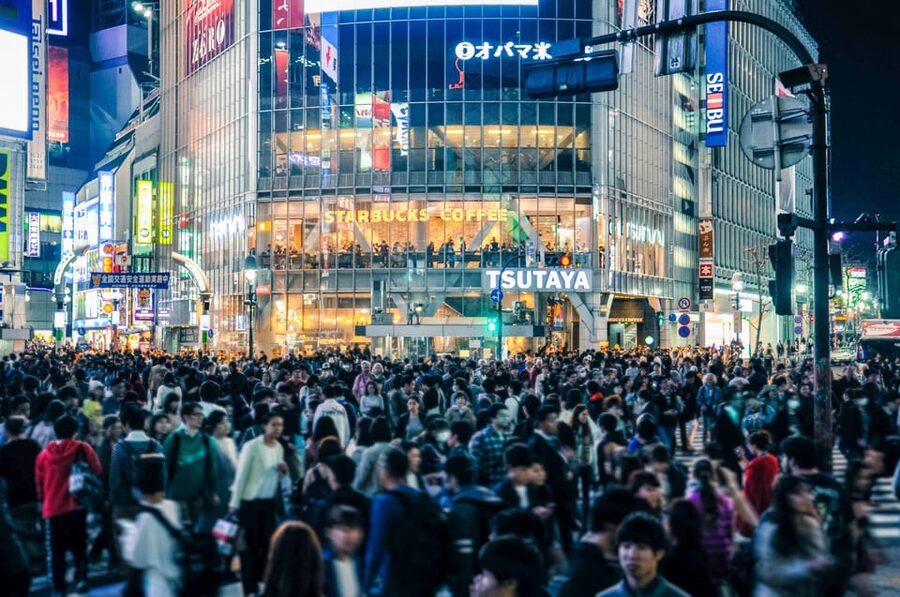
- Shibuya Crossing ends the day on a high note
- The car is the main reason to choose this tour
- What is included and what will cost extra?
- Who will get the most from this day?
- Should you book the Tokyo private car tour?
- FAQ
- What time does the tour start?
- Where can pickup take place?
- Is the tour private?
- Are meals and entrance fees included?
- Can I customize the itinerary?
- Is the tour wheelchair accessible?
I like the door-to-door pickup and the freedom to add or remove stops. I also like the onboard WiFi, child seat option, and small goodie bag, practical touches that make a packed day easier. The main drawback is that the schedule is ambitious, and one low-scoring account found the experience felt more like a private driver than a fully involved guide at some stops.
Key points to know before booking
- A full sweep of central Tokyo: Visit Senso-ji, Skytree, the Imperial Palace East Gardens, Tsukiji, Meiji Shrine, Harajuku, and Shibuya in one day.
- Hotel pickup in Tokyo’s 23 wards: Wait in your hotel lobby from 10 minutes before the scheduled 9 a.m. departure.
- Flexible sightseeing: You can request changes, and Skytree admission can be added when booking.
- Comfort between stops: The air-conditioned car includes WiFi, petrol, and highway tolls.
- Good for families: One child seat is available if needed, and the tour is wheelchair accessible.
- Check the guide arrangement: Confirm how much walking commentary you will receive at each stop, especially if having a guide matters as much as having a car.
What kind of Tokyo day is this?
This is a greatest-hits tour, not a slow neighborhood walk. You will see temples, shrines, gardens, a food market, youth shopping streets, a famous crossing, and one of the city’s tallest towers, all with a private vehicle linking the districts.
That format makes sense if you have only one free day in Tokyo, are traveling with family, or would rather avoid working out several train routes. It also suits visitors who want the day adjusted around their interests. You can ask for shopping stops and photo opportunities, and the guide can remove locations that do not appeal to you.
The trade-off is time. The listed stops add up to only a few hours, but the tour runs for 10 hours because Tokyo traffic and transfers take up a large part of the day. You are sampling many places rather than spending half a day in one district.
The tour is priced at $475 per group of up to four people. For four people, that works out to about $119 per person before meals and entrance fees. For one or two people, the cost per person is much higher, so the value improves when you fill the vehicle. Ask about the exact group setup if your party has more than four people, since the information also describes a small group limited to nine participants.
Other private tours in Tokyo

Senso-ji gives you an early look at old Tokyo
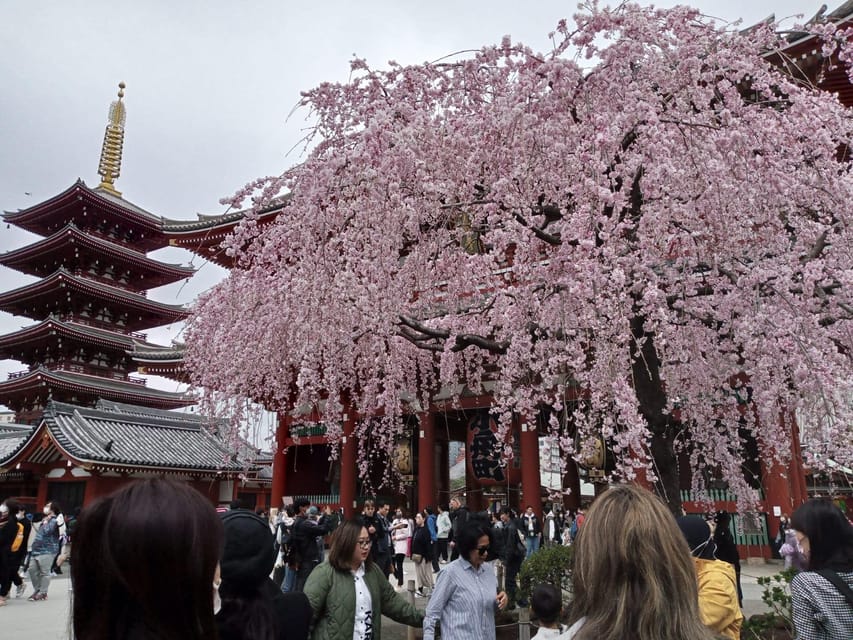
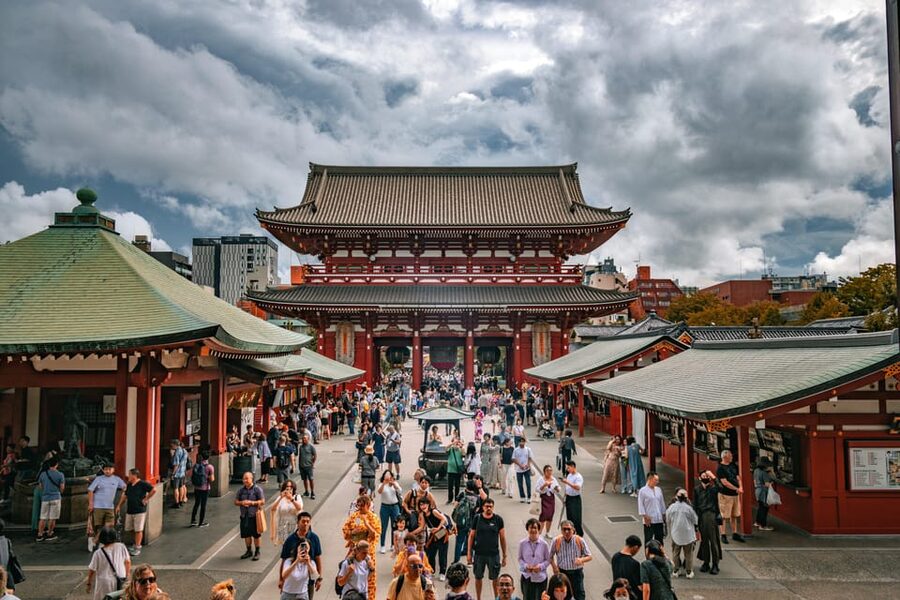
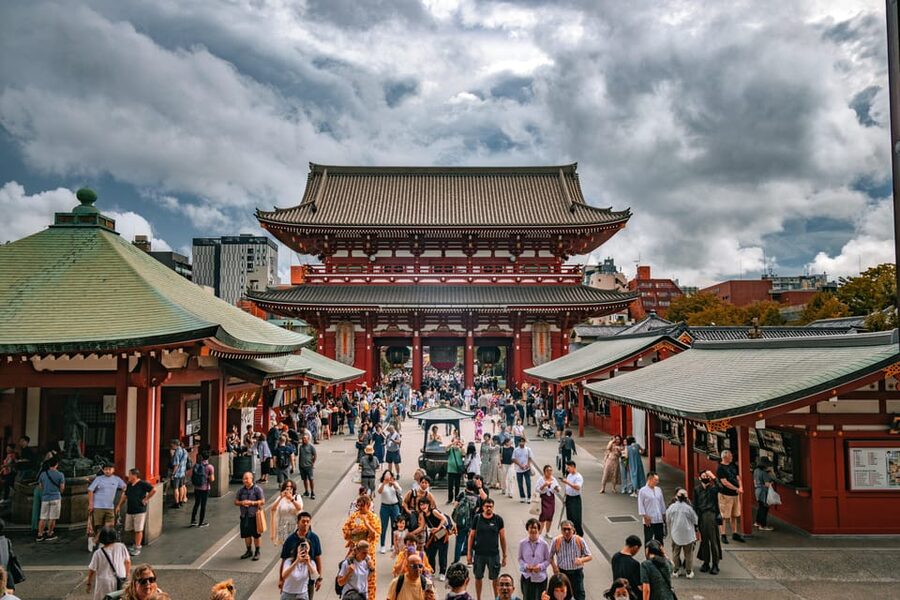
Your first major stop is Senso-ji in Asakusa, Tokyo’s oldest and most prominent temple. The temple is described as nearly 1,400 years old and is closely tied to the identity of Asakusa and the city itself.
You have about 50 minutes here for a guided visit, sightseeing, and photos. That is enough time to take in the temple approach, admire the main buildings, and get a first feel for Tokyo’s religious traditions. Your guide can add context that you would miss by treating the temple as just a quick photograph.
The short visit also means you should keep moving. Senso-ji is an active temple complex, not simply a monument placed for tourists. You may want time for quiet observation, shopping, or snacks in the surrounding area, but this schedule gives you only a taste.
I would wear comfortable shoes from the start. Even with a car doing the long-distance work, you will walk at nearly every stop, and temple grounds can cover more ground than expected.
Tokyo Skytree: choose the view or keep the day moving
Next comes Tokyo Skytree, the engineering showpiece of the itinerary. You can visit the markets and shopping area around the tower, or choose to go up for the views. The higher observation experience must be selected when booking, and the entrance fee is not included.
That choice matters. Going to the top gives you the clearest high-level look at Tokyo, but it also adds waiting, elevator time, and the price of admission. On a clear day, the view can help you understand the city’s enormous scale. On a hazier day, you may prefer to keep your hour for street-level Tokyo.
The scheduled stop is one hour. If you want the observation deck, confirm the booking details before the tour rather than deciding at the last minute. If you skip admission, the surrounding markets and area offer a shorter visit and make it easier to stay on schedule.
The Imperial Palace East Gardens connect Tokyo to Edo
The East Gardens of the Imperial Palace occupy the former inner defensive grounds of Edo Castle. In 40 minutes, you can take photos, walk through the gardens, and hear about the castle site and its role in Tokyo’s past.
This is a useful contrast with Senso-ji. Asakusa gives you a temple district with a long religious tradition, while the Imperial Palace area points to the political history of the shoguns and the later imperial capital.
The stop is brief, so do not expect to explore every path. Treat it as a focused visit to the former castle grounds. Scenic views on the drive between stops add some value here, since the car lets you connect different parts of Tokyo without repeatedly finding platforms, transfers, and exits.
Tsukiji Outer Market is the day’s best food stop
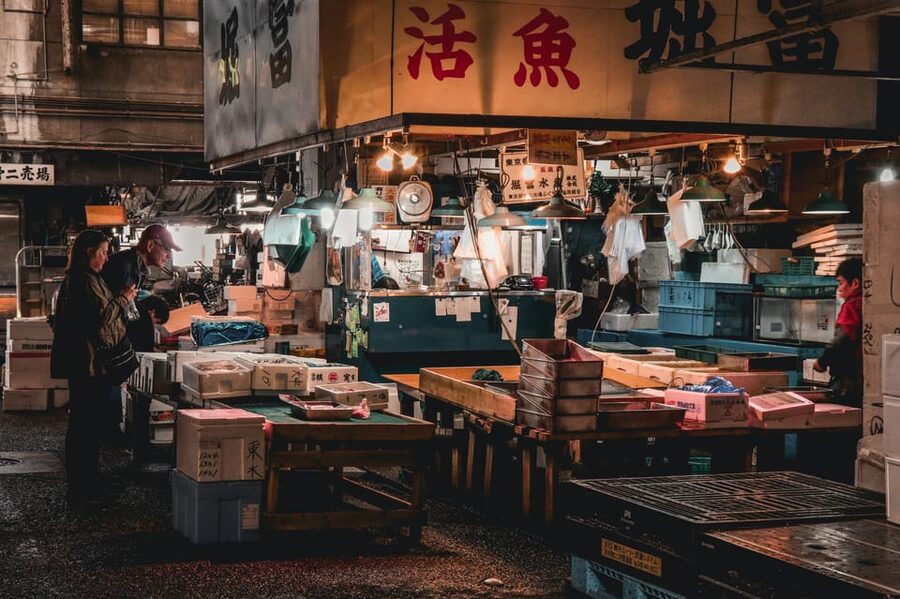
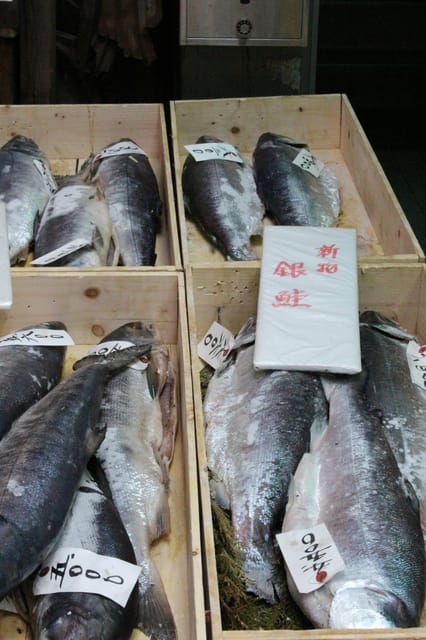
Tsukiji Outer Market is scheduled for an hour and includes lunch, food tasting, and time to look around the market. The old wholesale fish market functions have largely moved elsewhere, but the outer market remains a place to see seafood sellers and food shops serving local customers and sightseers.
This is one of the stops where the tour’s flexibility can help. You can ask for recommendations, use your free time to sample local snacks, or keep lunch simple and continue exploring. Meals are not included, so bring a payment method and budget separately for anything you eat.
An hour passes quickly in a food market. You will need to choose between browsing, tasting, and sitting down for lunch. I would tell the guide early if food is a main reason for booking, since that may affect how much time you spend at the other stops.
The market can also be a good place to use the shopping option. The tour includes personalized recommendations and shopping stops, but specific shops are not promised. Ask the guide for help if you have a particular food or souvenir in mind.
A few more Tokyo tours and experiences worth a look


Meiji Shrine offers a quieter change of pace
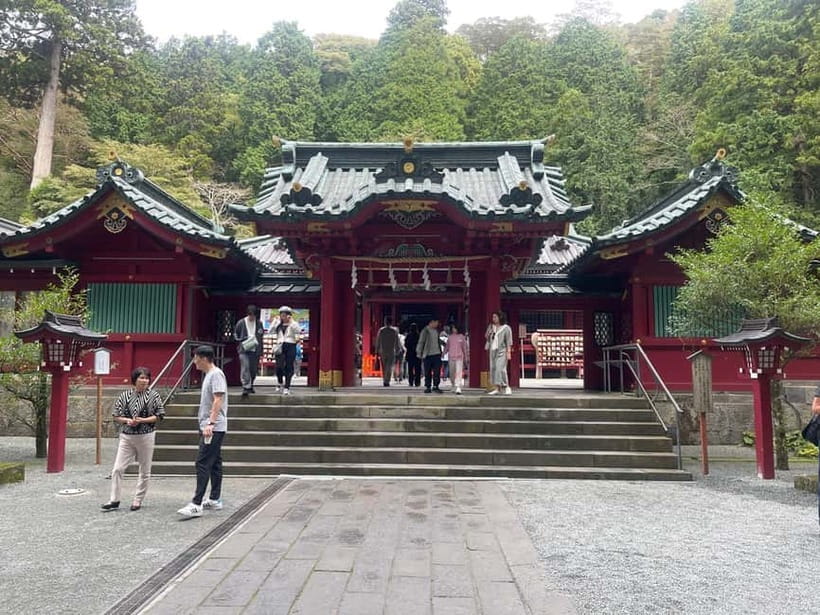
After Tsukiji, the car takes you to Meiji Shrine for about 45 minutes. Completed in 1920, the shrine honors the deified spirits of Emperor Meiji and Empress Shoken. Emperor Meiji was the first emperor of modern Japan.
The shrine is paired with a walk and photo stop, giving the day a calmer rhythm after the market. The setting also helps explain how Tokyo combines modern city life with Shinto customs and imperial memory.
You should expect walking here. The vehicle can get you close to the district, but it cannot remove the need to follow the approach and move through the shrine grounds. If you use a wheelchair, confirm the exact route and vehicle details before departure, even though the activity is listed as wheelchair accessible.
Yoyogi Park and Takeshita Street are optional parts of the Harajuku portion. If you want more time around the shrine, you may need to reduce time elsewhere. That is a good use of the tour’s custom format, since not every visitor wants the same Tokyo.
Takeshita Street shows Tokyo’s youthful side
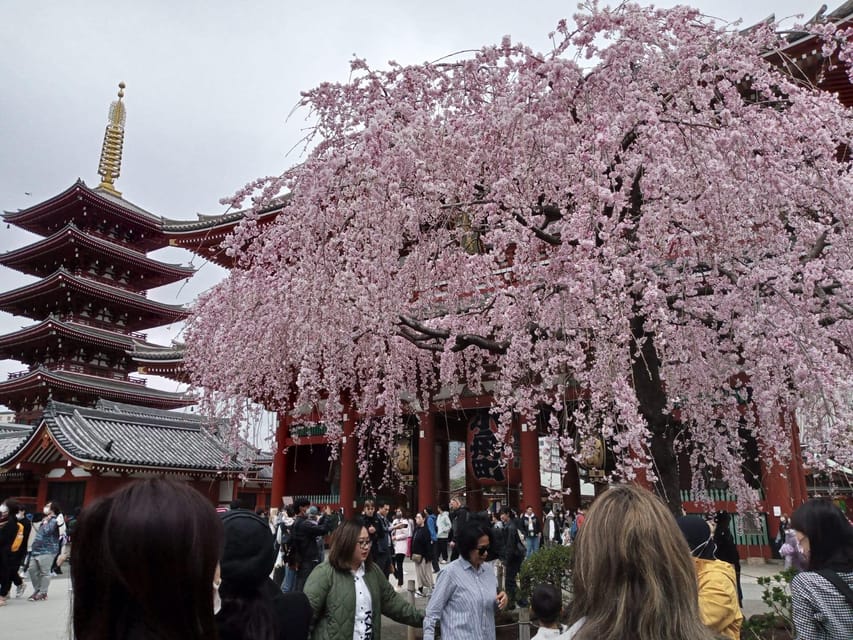
Takeshita Street is a short, 30-minute stop with free time, street food, and local snacks. It is known for colorful clothing, unusual accessories, sweets, and the youth culture associated with Harajuku. You may also see cosplay and other forms of Japanese street style.
The short visit works well for a first look. You can walk the street, try a snack, and see how different this district feels from the Imperial Palace or Meiji Shrine. If you are interested in fashion or sweets, you may want to request more time here.
The drawback is that 30 minutes leaves little room for serious shopping. Takeshita Street is also best understood on foot, so the car is useful for reaching the area but not for experiencing the street itself. Keep your purchases small unless you want to carry bags for the rest of the day.
Shibuya Crossing ends the day on a high note
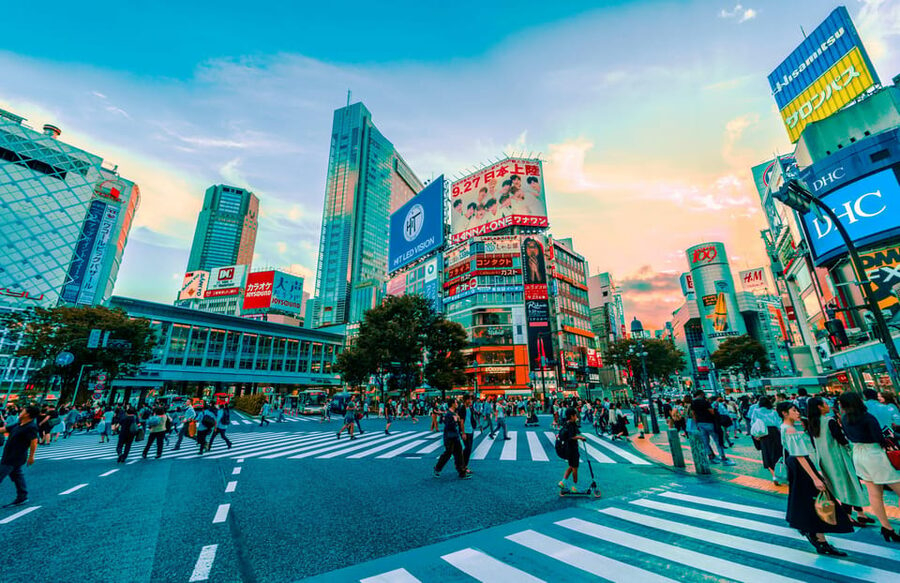
The final major stop is Shibuya Crossing, with about 40 minutes for photos and walking. It is one of Tokyo’s most recognizable public spaces and has appeared in Hollywood films, but its real appeal is watching the crossing operate as part of everyday city life.
You can take in the view, walk through the area, and make your own photographs. The schedule lists it as a photo stop, visit, and walk, so this is not an extended Shibuya neighborhood tour. If you want department stores, additional shopping, or nightlife, you would need to arrange extra time and remember that overtime costs 2,500 Japanese yen per hour, payable to the guide or driver.
Ending here makes practical sense. Shibuya gives the day a modern finish after temples, castle grounds, a food market, and a shrine. It also gives you a chance to decide if you want to return later on your own.
The car is the main reason to choose this tour
Tokyo’s rail system is excellent, but a car changes the experience. You do not need to plan every transfer, carry bags through stations, or work out how to connect Asakusa, Skytree, the palace, Tsukiji, Harajuku, and Shibuya in one day.
The vehicle is air-conditioned, and petrol and highway tolls are included. WiFi onboard is another useful touch, especially if you need maps, translation, or a quick message during the day. A multilingual guide or driver can communicate in English, Japanese, and Hindi when requested at booking, although the activity information identifies English as the live guide language, so confirm your preferred language in advance.
The car also makes the tour appealing to families and older relatives. One child seat is available if required. Still, do not confuse private transport with a completely private sightseeing bubble. You will leave the vehicle at every key stop, and you should ask exactly when the guide will walk with you and explain the site.
That point deserves attention. One account described a day where the guide stayed with the car at some locations, leaving the group to explore without much explanation. Another account praised the driver’s communication and flexibility, saying the group was taken to every place it wanted. The sensible approach is to confirm the guide’s role before booking: Will the guide accompany you into each attraction, or mainly drive and provide directions?
What is included and what will cost extra?
The tour includes:
- Air-conditioned vehicle
- Hotel pickup and return within Tokyo’s 23 wards
- Petrol and highway tolls
- WiFi onboard
- Multilingual guide or driver
- Personalized recommendations
- Shopping stops
- Photo opportunities
- One child seat if needed
- Small goodie bag with treats
Meals and entrance fees are not included. This affects the total price most at Tokyo Skytree, since admission depends on the experience you select. Tsukiji food and lunch also come out of your pocket.
Free cancellation is available up to 24 hours before the start, and you can reserve now and pay later. The departure time is 9 a.m., and you should wait in your hotel lobby from 10 minutes before pickup. Pickup is available from hotels in Tokyo’s 23 wards, so confirm your hotel falls inside that area.
Who will get the most from this day?
I would choose this tour if you have limited time and want a broad first look at Tokyo without handling the transport plan yourself. It is especially useful for a family group of up to four, since the cost becomes more reasonable when shared.
It also suits you if you want to adjust the day. You can add or remove locations, request shopping stops, and decide how much attention to give Skytree, Harajuku, or the food market.
I would be more cautious if your top priority is detailed historical guiding at every site. The schedule is packed, and the guide’s level of involvement may vary by stop. If you want a slow temple visit, a long Tsukiji meal, or a serious shopping session in Shibuya, a shorter list of locations would serve you better.
The tour is wheelchair accessible, but the day still includes walks at Senso-ji, Meiji Shrine, Takeshita Street, and Shibuya. Ask about the vehicle and route before booking if you need specific mobility arrangements.
Should you book the Tokyo private car tour?
Book it if you want convenience, a long list of major sights, and the ability to share the cost with up to three companions. The private car, hotel pickup, WiFi, included tolls, and flexible routing offer real value on a busy Tokyo day.
Before paying, confirm three things: your preferred guide language, whether the guide joins you at each stop, and whether you want Skytree admission included in the plan. If the answer to those questions suits you, this is a practical way to get your Tokyo bearings fast without spending the day studying train maps.
FAQ
What time does the tour start?
The departure time is 9:00 a.m. The tour lasts 10 hours, so the planned return is around 7:00 p.m., unless you arrange paid overtime.
Where can pickup take place?
Pickup is available from hotels within Tokyo’s 23 wards. You should wait in the hotel lobby from 10 minutes before your scheduled pickup time.
Is the tour private?
The price is listed as $475 per group of up to four people. The activity information also describes a small group limited to nine participants, so confirm the exact group arrangement when booking.
Are meals and entrance fees included?
No. Meals and entrance fees are not included. This applies to food at Tsukiji and admission for the optional Tokyo Skytree experience.
Can I customize the itinerary?
Yes. You can add or remove locations, and the tour includes personalized recommendations and shopping stops. Tell the provider your preferred changes when booking.
Is the tour wheelchair accessible?
Yes, the activity is listed as wheelchair accessible. One child seat is also available if required. For specific mobility needs, confirm the vehicle and walking arrangements before the tour.
More Full-Day in Tokyo
More Private Tours in Tokyo
More tours in Tokyo we've reviewed












Full-Day, compared.
 ★ 4.5From Tokyo: Mount Fuji Full-Day Sightseeing TripFrom $6810 hours
 ★ 4.9From Tokyo: Mount Fuji Full Day Customizable Private TourFrom $407
 ★ 5.0Tokyo Private Full-Day Tour by Car or VanFrom $321
 ★ 4.5Tokyo: Mt. Fuji and Kawaguchiko Full-Day English Guided TourFrom $82
 ★ 4.7From Tokyo: Must-Visit Mount Fuji Highlight Full-Day TourFrom $6911 hours
 ★ 4.5Mt. Fuji, Hakone Full-Day Private Tour with English Driver GuideFrom $495