Reviewed · PRIVATE
Unlock Tokyo’s Secrets with a Custom Private Tour
Tokyo can feel like several cities at once. This private day helps you connect the pieces, moving from old Asakusa and Senso-ji to the bright rush of Shibuya, quiet Shinjuku Gyoen, or the tiny bars of Golden Gai. You shape the day before meeting your guide, then adjust the pace as you go.
In This Article
- Key points to know before booking
- A private Tokyo day that changes with your group
- Asakusa and Senso-ji: Tokyo’s old street feel
- Tsukiji: a practical stop for food lovers
- Shinjuku Gyoen: quiet lawns in the middle of Tokyo
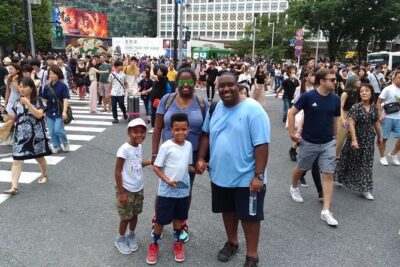
- Shibuya Crossing and the Hachiko Statue
- Meiji Jingu: a forested shrine beside Harajuku
- Shimokitazawa: cafes, secondhand clothes, and curry
- Golden Gai after dark, or as a quick look
- Akihabara, Harajuku, Tokyo Tower, and Odaiba
- What the guide adds to the day
- Walking, trains, meals, and extra costs
- Who should book this private Tokyo tour?
- Booking details worth checking
- Should you book it?
- FAQ
- How long is the private Tokyo tour?
- What time can the tour start?
- Where can pickup take place?
- Is transportation included?
- Are attraction admission fees included?
- Is lunch included?
- Can I cancel for a full refund?
I like the private format, especially for families or first-time visitors who need more time at certain stops and less at others. I also like the choice of guides, including Satoshi and Rina, both praised for clear English, friendly conversation, and quick adjustments when a group wants to linger or move on.
The main catch is cost and transport. At $275 per person, this is not a cheap sightseeing sampler, and the price does not include trains, meals, or attraction tickets. You are paying for personal planning and guide time, not an all-inclusive vehicle tour.
Key points to know before booking
- Your day is built around your interests: Choose culture, food, gardens, shopping, pop culture, or a mix of several.
- Satoshi and Rina are named guide options: Both are described as warm, fluent English speakers who work well with families.
- You can cover four to six places in eight hours: That gives you a broad Tokyo introduction, but not a slow, in-depth visit everywhere.
- Pickup is included at your location: The guide can meet you at a hotel, Airbnb, or another agreed place.
- You use public transportation: No private vehicle is included, so allow extra money and energy for trains and walking.
- The sample route mixes famous sights with local districts: Asakusa, Tsukiji, Shinjuku Gyoen, Shibuya, Meiji Shrine, Shimokitazawa, and Golden Gai offer very different sides of Tokyo.
A private Tokyo day that changes with your group
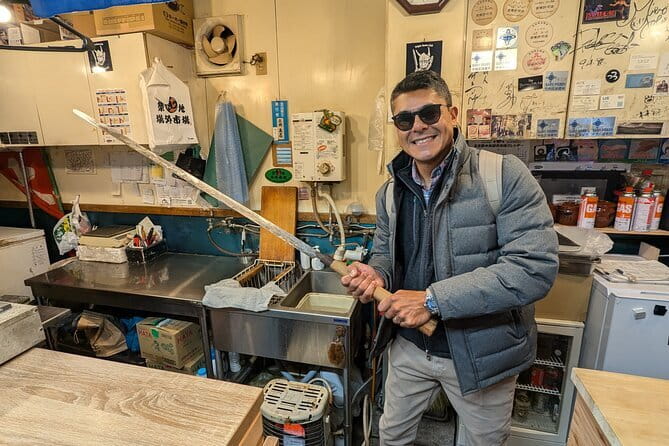
The best feature here is not a single landmark. It is the ability to create a day that fits your group instead of following a fixed bus route. You can ask for temples and traditional neighborhoods, build the day around food, or focus on shopping and youth culture.
That matters in Tokyo because distance and pace can surprise you. A map may make two places look close, yet a station transfer, crowded platform, or long walk can eat into your schedule. A guide who can change the order or shorten a stop helps keep the day from turning into a race.
The advertised format is about eight hours, with four to six sites. That is enough time for a useful first look at several parts of the city. It is not enough to explore every district fully. I would choose three or four priorities before arrival and treat the rest as optional.
Departure is flexible between 9 and 11 a.m. That window works well for most sightseeing days. An earlier start gives you more room for markets and gardens. A later start may suit families, cruise passengers, or anyone recovering from a long flight, but you should expect a tighter afternoon.
Other private tours in Tokyo


Asakusa and Senso-ji: Tokyo’s old street feel
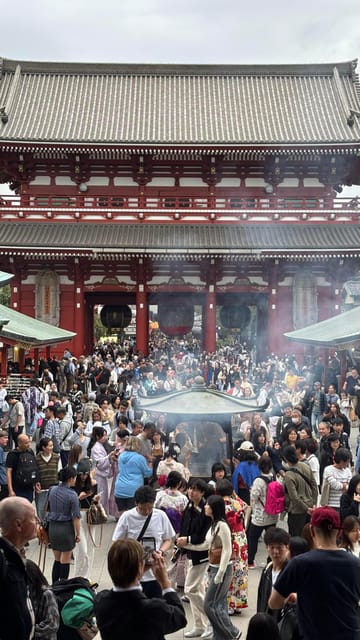
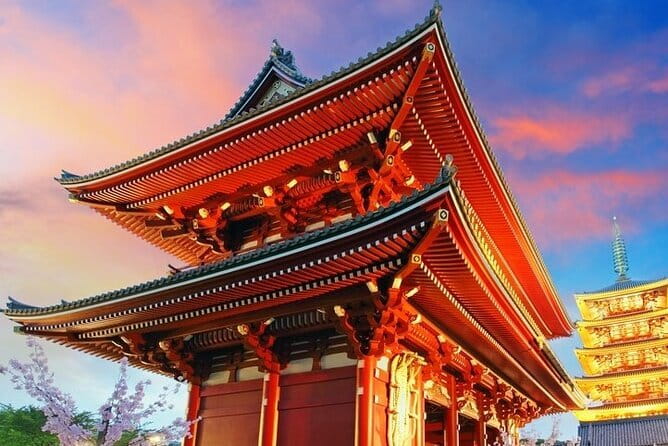
Asakusa is the natural choice if you want Tokyo’s traditional side first. The district preserves the feel of old Edo-era shita-machi, or downtown working-class Tokyo, with streets leading toward Senso-ji Temple.
You can expect about an hour here on the sample plan. That is enough for an introduction, a walk around the temple grounds, and a look at the surrounding streets. Admission is listed as free, which keeps this stop simple for budget planning.
I like Asakusa as an opening stop because it gives you cultural context before you meet the giant screens and crowds of modern Tokyo. Your guide can help explain what you are seeing instead of leaving you to read signs and guess at customs.
The limitation is time. Senso-ji and the surrounding area can easily fill half a day if you enjoy browsing, taking photos, and stopping for snacks. If you want a slower temple visit, tell the guide to reduce the number of later stops.
Tsukiji: a practical stop for food lovers
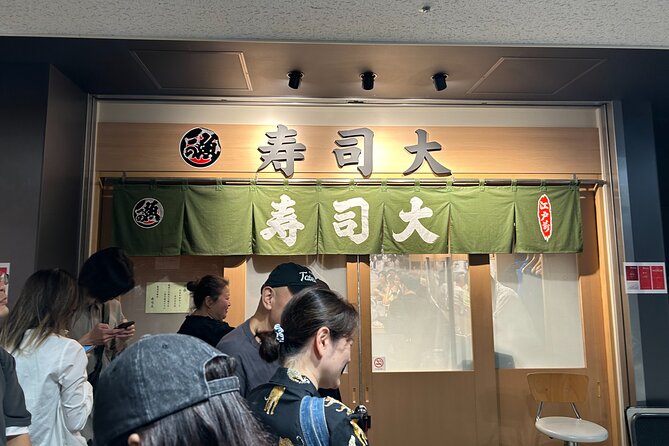
The Tsukiji district offers a very different mood. The wholesale fish market moved to Toyosu, but Tsukiji remains known for seafood shops, small food stalls, and more than 450 vendors. The sample visit lasts about an hour and has no admission fee.
This is a good place to tell your guide what you actually like to eat. You might find seafood, street food, or other market treats, but the tour details do not promise a meal or a specific tasting. Lunch is not included, so plan to pay for anything you choose to eat.
I see Tsukiji as one of the more useful stops for a private tour because food preferences vary so much. A guide can help you make choices and keep the visit focused. If you are traveling with children, anyone with allergies, or a member of the group who avoids seafood, say so when planning the route.
An hour passes quickly here. If food is your main reason for booking, I would make Tsukiji a major stop rather than adding it as one of six quick visits.
Shinjuku Gyoen: quiet lawns in the middle of Tokyo
Shinjuku Gyoen gives the day a needed pause. The national garden has broad lawns, walking paths, and carefully arranged scenery. In spring, it is known as one of Tokyo’s best places for cherry blossoms.
The sample schedule allows one hour, but the admission fee is not included. That extra cost is worth remembering when comparing this tour with a lower-priced walking option.
I like the garden as a counterpoint to Tokyo’s stations and shopping streets. You can slow down, talk with your guide, and enjoy a little space. It may be especially useful for families who need a break from constant movement.
Still, this is not the right stop for every group. If your priority is electronics, anime, or food, you may get more from Akihabara or Tsukiji. The tour’s private setup lets you replace the garden if it does not fit your interests.
Shibuya Crossing and the Hachiko Statue
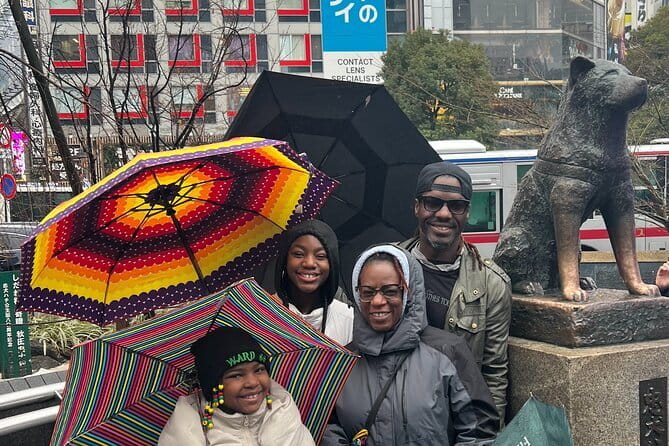
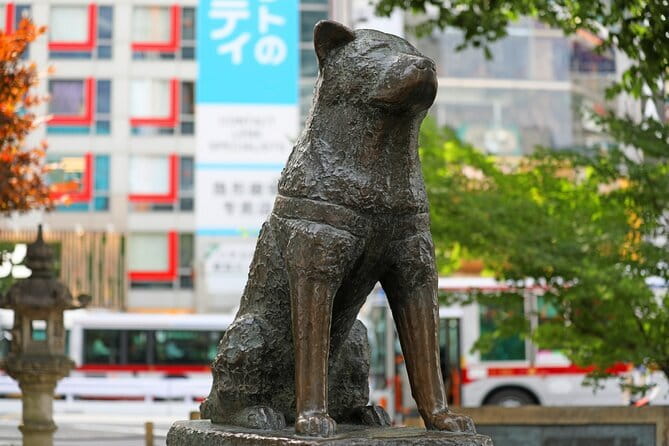
Shibuya brings the city’s modern energy into the picture. The famous Scramble crossing is a brief but memorable stop, and the nearby Hachiko Statue recalls the loyal dog whose story became part of Tokyo’s public life.
The information provided does not assign a clear stop number or exact duration to Shibuya, so you should confirm how much time it receives when finalizing your plan. That matters because Shibuya can mean several different things: the crossing, department stores, observation points, side streets, cafes, or shopping.
I would use this stop for orientation and photos unless your group specifically wants to shop. The crossing itself does not require a ticket, but nearby attractions may charge admission, and those fees are not covered.
Shibuya is also a good place to test the tour’s flexible style. If the crossing is enough, move on. If your group enjoys the district, ask for extra time and cut a less important stop.

Meiji Jingu: a forested shrine beside Harajuku
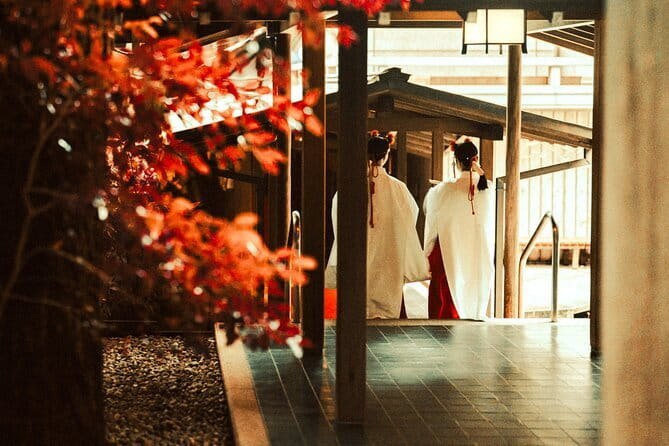
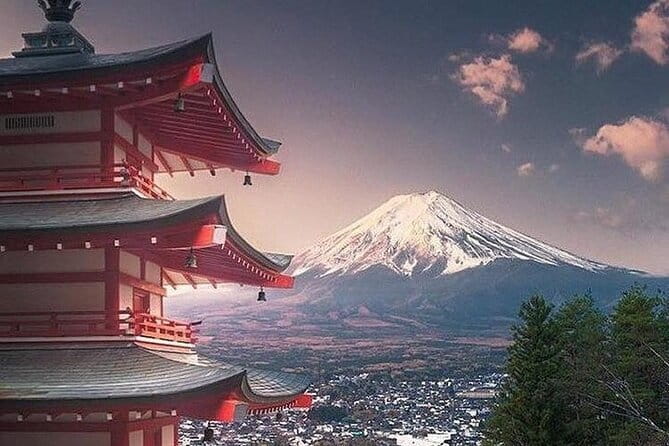
Meiji Jingu offers a calm contrast to nearby Harajuku. The shrine honors Emperor Meiji and Empress Shoken. It was completed in 1920 and rebuilt after World War II, giving the site both religious importance and modern historical context.
The sample visit lasts about an hour. Admission is not included, so check the cost when you plan the day. The shrine is close to Harajuku, making it a sensible pairing with shopping or street culture if your group wants both.
I like this stop for visitors who want to understand how traditional Shinto spaces fit into a modern city. The approach through trees also gives you a visual change after Shibuya’s concrete and signs.
Keep expectations realistic. One hour gives you a guided introduction, not a full study of the shrine and its grounds. If you want a quiet, unhurried visit, make Meiji Jingu one of your main priorities.
Shimokitazawa: cafes, secondhand clothes, and curry
Shimokitazawa is a useful choice if you want a neighborhood that feels less formal than the major sights. The area is known for cafes, secondhand fashion, and curry rice. The sample plan gives it about an hour, with no admission fee.
This is where a private guide can add practical value. Shopping districts are more enjoyable when someone can point you toward the type of stores and food that match your interests. The information does not guarantee a particular cafe, shop, or restaurant, so treat the district as a flexible browsing stop.
I would choose Shimokitazawa for teenagers, fashion fans, and repeat visitors who have already seen the standard temples. It is less useful if your group wants only major landmarks or has limited mobility, since shopping streets usually involve plenty of walking.
Golden Gai after dark, or as a quick look
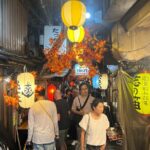
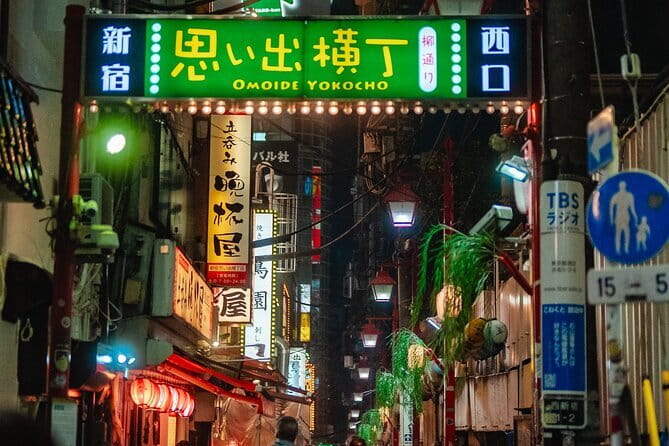
Shinjuku Golden Gai is a tight cluster of narrow lanes filled with tiny bars. It recalls postwar Tokyo and once had a black-market past. Today, it is best known for its small, atmospheric drinking spots.
The sample route allows about an hour and lists no admission fee. That does not mean the area is free if you enter a bar. Drinks, food, and any cover charges are separate, and the tour information does not promise that a bar visit is part of the experience.
Golden Gai suits adults interested in Tokyo nightlife and old neighborhood character. It may not suit young children, anyone avoiding drinking areas, or groups hoping for a broad restaurant selection. Ask your guide about timing and fit before adding it.
This stop also raises a scheduling question. If your tour begins between 9 and 11 a.m., Golden Gai may be better as a late-day walk than an early stop. The exact order is yours to discuss.
Akihabara, Harajuku, Tokyo Tower, and Odaiba
The sample route is not the full menu. Other possible choices include Akihabara, Harajuku, Tokyo Tower, and Odaiba. You can use these options to build a day around a particular interest.
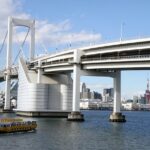
Akihabara makes sense for electronics, anime, and game culture. Harajuku pairs naturally with Meiji Jingu and gives you a different kind of shopping and street scene. Tokyo Tower offers a major city landmark, while Odaiba gives the day a modern waterfront setting.
The important point is not to cram every name into one day. Four to six places already make a full schedule once you include trains, walking, meals, and stops for photos. I would rather see four districts with enough time to enjoy them than collect six quick snapshots.
What the guide adds to the day
A fluent English-speaking guide is included, and the experience is private for your group only. That changes the tone of the day. You can ask questions freely, stop when someone needs a break, and avoid spending time on sights that do not interest you.
Satoshi is specifically associated with family groups and with adjusting the level of detail to match the pace. That is useful if one person wants cultural background while another is ready to move on. His style is described as friendly and engaging, which can make a long day feel more relaxed.
Rina is another named guide. She is described as warm, well organized, and highly fluent in English. Her planning has included both major sights and less familiar neighborhoods, and she is noted for connecting quickly with groups.
I would still request a guide by name only if the provider confirms availability. The tour promises a fluent English-speaking guide, but it does not promise Satoshi or Rina for every booking.
Walking, trains, meals, and extra costs
Pickup is offered at your hotel, Airbnb, or another location. That is convenient, particularly on your first morning in Tokyo or after a cruise arrival. The tour does not include a private vehicle, so the day uses public transportation and walking.
You pay public transportation fees separately. Attraction entry fees are also separate, including the listed charges for Shinjuku Gyoen and Meiji Jingu. Lunch is not included, either.
At $275 per person, the value depends heavily on group size and planning needs. For a couple or small family, you are paying for a full day of one-to-one attention, itinerary design, and English guidance. For a larger group using the available group discount, the cost may make more sense.
I would ask for a clear estimate of likely train fares and entry fees before booking. Also ask how many people count as the group for the discount. The tour price alone does not show your final out-of-pocket cost.
Who should book this private Tokyo tour?
I think this tour fits you best if you have one full day, want to see several parts of Tokyo, and do not want to manage the route alone. It is especially practical for families, first-time visitors, cruise passengers with limited time, and groups with mixed interests.
The family focus is a real strength. The available guide feedback describes children aged 8 and 10 staying interested across several neighborhoods, which suggests the day can work well when the guide keeps the pace flexible.
It also suits repeat visitors who want a local district rather than another standard sightseeing loop. Shimokitazawa, Golden Gai, and food-focused Tsukiji can give your second Tokyo visit a different shape.
I would hesitate if you want a luxury car, included meals, prepaid attraction tickets, or a fixed schedule with no planning work. You should also think twice if your budget is tight or if you would rather spend a whole day in one district.
Booking details worth checking
You receive confirmation at booking, and the experience is near public transportation. Most travelers can participate, but the tour involves walking and public transit, so you should discuss your group’s needs when planning.
Free cancellation is available up to 24 hours before the local start time for a full refund. Cancellations or changes made less than 24 hours ahead are not accepted for a refund.
Before the day begins, send your guide a short priority list. Include favorite foods, children’s ages, shopping interests, places you have already seen, and any stops you do not want. That small bit of preparation helps the eight hours feel designed rather than simply filled.
Should you book it?
Book this tour if personal attention matters more to you than a low headline price. Satoshi and Rina are named guide choices with strong strengths in English conversation, family pacing, planning, and local suggestions. The private format also lets you trade a garden for Akihabara, shorten Shibuya, or spend longer at Tsukiji.
Skip it if you want transport and lunch included, or if you prefer to explore one neighborhood slowly on your own. For the right group, $275 per person buys a flexible day and a useful introduction to Tokyo. For a budget-minded visitor, the same money may be better spent on a focused self-guided plan and local meals.
FAQ
How long is the private Tokyo tour?
The tour lasts approximately eight hours and includes a customizable walking plan covering four to six sites.
What time can the tour start?
Departure is flexible between 9 a.m. and 11 a.m.
Where can pickup take place?
Pickup is offered at your hotel, Airbnb, or another agreed location.
Is transportation included?
No. A private vehicle is not included, and public transportation fees are paid separately.
Are attraction admission fees included?
No. Attraction entry fees are separate. The sample plan specifically lists admission as not included for Shinjuku Gyoen National Garden and Meiji Jingu Shrine.
Is lunch included?
No. Lunch for your group is not included in the tour price.
Can I cancel for a full refund?
Yes, if you cancel at least 24 hours before the experience start time. The cut-off uses local time. Changes or cancellations made less than 24 hours ahead are not accepted for a refund.
More Private Tours in Tokyo
More tours in Tokyo we've reviewed












Private, compared.
 ★ 5.0Tokyo 6hr Private Tour with Government-Licensed GuideFrom $155
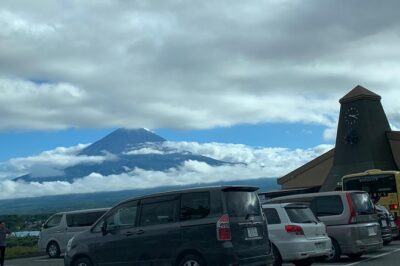 ★ 5.0Private Tour to Mt. Fuji and Hakone (Fully Licenced Operator)From $497
 ★ 5.0Tokyo Customized Private Tour (Must See Places in 1 Day)From $145
 ★ 4.8Tokyo: Private City Highlights Tour with Local GuideFrom $1064 - 8 hours
 ★ 5.0Private Custom Tour: Tokyo in a DayFrom $159
 ★ 5.0Tokyo 4hr Private Tour with Government-Licensed GuideFrom $109