Reviewed · MT FUJI DAY TRIPS
Tokyo: Mt. Fuji & Hakone Cherry Blossoms Private Day Tour
The big draw here is simple: you get a private van, a personal guide, and a full day linking Mt. Fuji and Hakone without wrestling with several train lines and buses. The route packs in the Fuji 5th Station, Chureito Pagoda, Oshino Hakkai, Lake Kawaguchiko, Lake Ashi, Owakudani, and Gotemba Premium Outlets.
In This Article
- Key Points to Know Before You Book
- A Long Fuji Day From Your Hotel
- Mt. Fuji 5th Station: The First Big View
- Chureito Pagoda and Cherry Trees
- Kitaguchi Hongu Fuji Sengen Jinja
- Oshino Hakkai and Its Clear Springs
- Lake Kawaguchiko, a Cruise, and Kachi Kachi Ropeway
- Oishi Park and Its Lavender Garden
- Lake Ashi and Hakone’s Volcanic Setting
- Owakudani, Sulfur Fumes, and an Active Crater
- Gotemba Premium Outlets at Fuji’s Base
- Does $490 Offer Good Value?
- Who Will Get the Most From This Day?
- Should You Book It?
- FAQ
- Is hotel pickup included?
- How many people can join the private tour?
- Is an English-speaking guide included?
- Are food and drinks included?
- Are Mount Fuji entry fees included?
- Can I cancel for a full refund?
I like the flexible setup and the door-to-door service. An early pickup can help you beat some Tokyo traffic, and guides such as Addan have adjusted the day, taken photos, and worked around the group’s interests. I also like the range of scenery, from cherry trees and shrine gates to volcanic steam and lake views.
The catch is time. This is a very ambitious day, with roughly two hours in the van at the beginning and end, plus many short stops. Clouds can also wipe out Mt. Fuji entirely, as happened on one booking. The guide cannot control the weather, and the tour does not include food, drinks, or Mount Fuji entry fees.
Key Points to Know Before You Book
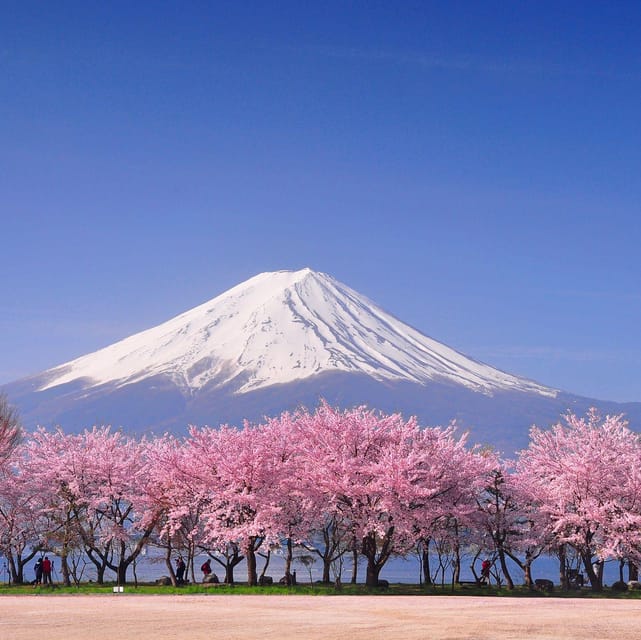
- A private van links two major sightseeing areas: You can move between Mt. Fuji and Hakone without arranging your own car, trains, or local buses.
- Chureito Pagoda requires a climb: The best view comes after walking uphill through cherry trees, so allow for steps and uneven effort.
- The schedule is packed: Most stops receive 30 to 60 minutes, which gives you a taste of each place rather than a slow visit.
- Guide quality matters: Talal, Addan, and Sabir are named guides associated with strong service, but one booking found the guide more like a driver than a source of useful background.
- The price works best for a group: At $490 for up to six people, the cost is about $82 per person if six people share it, before food and entry fees.
- Weather is a real gamble: You may see Fuji from several angles, but clouds can hide the mountain all day.
A Long Fuji Day From Your Hotel
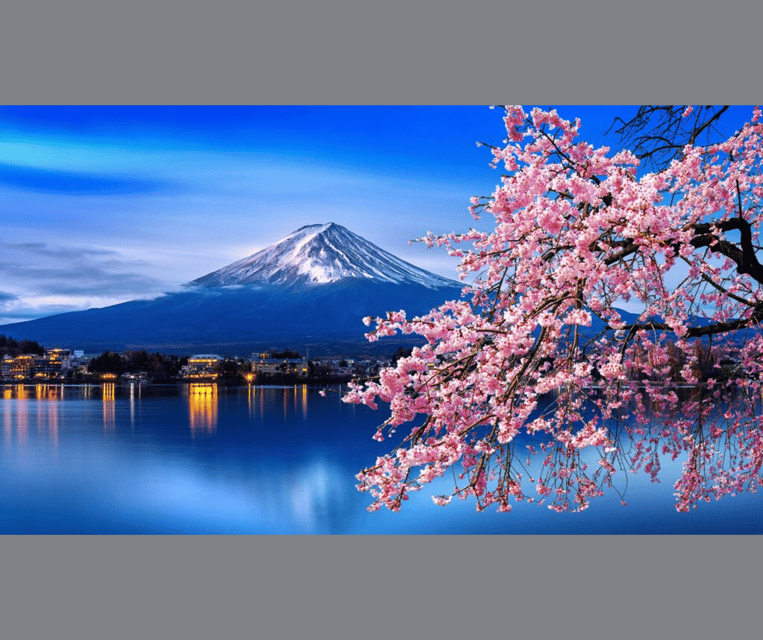
Pickup is available in Tokyo, Chiba, Narita, and Hanedakuko, with matching drop-off locations. For most people, the Tokyo hotel pickup is the useful choice. The stated pickup time can shift by as much as 30 minutes because of traffic, so do not schedule a tight evening reservation after the tour.
The private group format is the main practical advantage. You ride with your own party in a private vehicle, and the itinerary can be adjusted. That matters when one person wants more time at a shrine, another wants shopping, or your group needs a slower pace.
The tradeoff is the amount of road time. The schedule allows about two hours in the van at the start and another two hours at the end. Tokyo traffic can stretch that. I would treat this as a full, demanding day rather than a relaxed countryside outing.
An English-speaking guide is included. The strongest service notes come from guides named Addan and Talal. Addan is described as willing to arrange an early pickup, take photos, and shape the day around the group. Talal is praised for being patient and helping the day run smoothly. Sabir is also named positively for his driving service.
Still, expectations about guiding should be clear. One booking found the escort friendly but felt he provided little information beyond short comments about ice cream and cedar wood. If you want detailed cultural explanation at every stop, ask in advance what your guide normally covers. This tour may function more like a private driver-guide service than a formal lecture on Japanese history.
A few more Tokyo tours and experiences worth a look
Mt. Fuji 5th Station: The First Big View
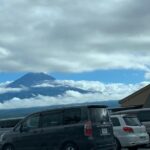
The Mt. Fuji Subaru Line 5th Station is the first major stop, with about an hour for sightseeing. It sits high on the mountain and gives you views toward the Fuji Five Lakes area below. On a clear day, this is one of the easiest ways to get close to Fuji without hiking the mountain.
The height and open views make this a strong early stop, but weather is the deciding factor. If clouds settle over the mountain, the famous view may be missing. A disappointing Fuji day is not necessarily a fault in the tour, but it is a genuine risk you should accept before paying for a Fuji-focused outing.
The schedule gives you enough time to look around and take photos, not enough time for a long visit. Mount Fuji entry fees are not included, so check the current conditions when booking. The tour information does not specify the fee amount.
Chureito Pagoda and Cherry Trees
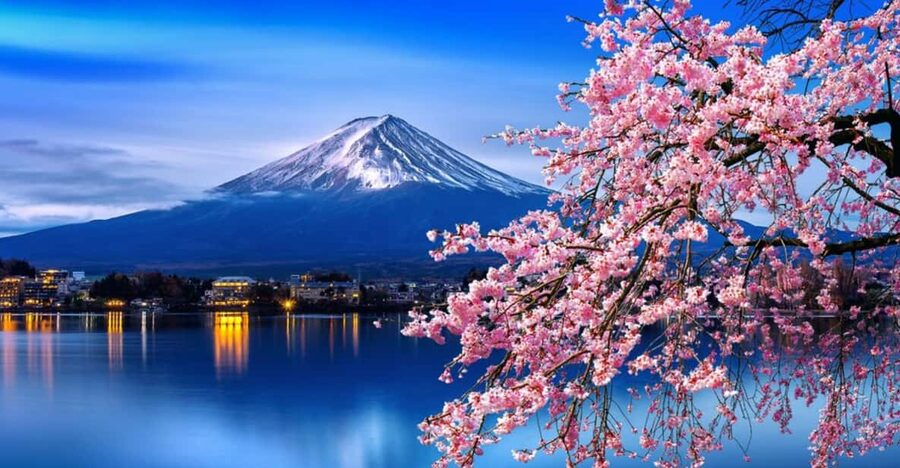
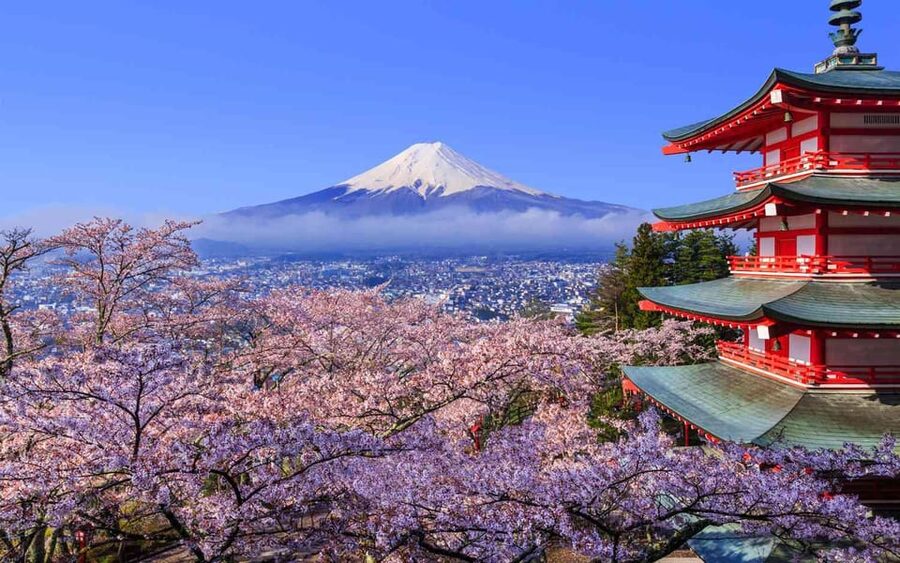
Next comes Chureito Pagoda, one of the most recognizable Fuji viewpoints. You walk through cherry blossoms and climb to the pagoda for a broad view of Mt. Fuji. In cherry blossom season, this is the picture many people have in mind when they imagine Japan: red pagoda, pale blossoms, and snow-covered Fuji behind them.
The word climb matters here. The visit includes hiking, and the view from the top requires effort. You may be able to take your time because this is a private group, but the overall day is tightly timed. Comfortable shoes are a wise choice.
This stop is also highly weather-dependent. A pagoda and cherry trees still make a pleasant visit when Fuji disappears, but the famous composition loses its main subject. If Fuji is your only reason for booking, remember that no private guide can guarantee a clear mountain.
Kitaguchi Hongu Fuji Sengen Jinja
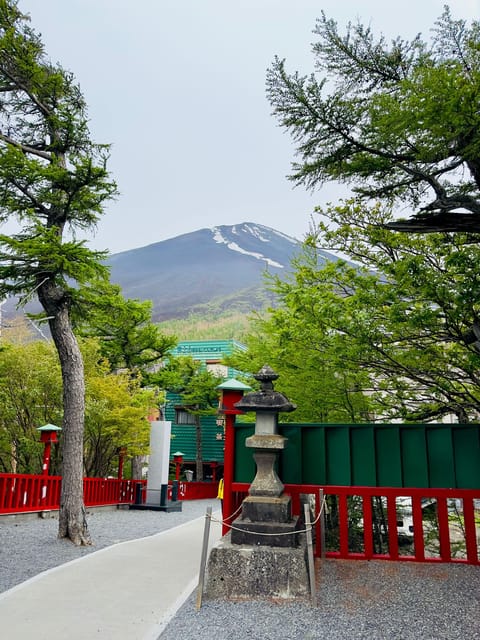
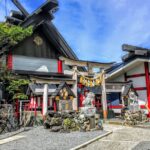
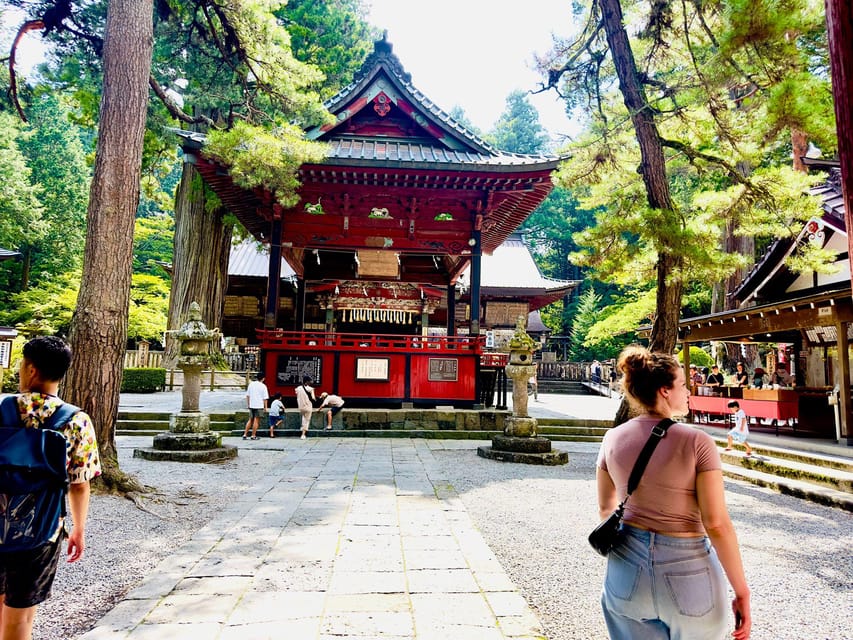
The route then turns toward Kitaguchi Hongu Fuji Sengen Jinja Shrine. The approach leads through massive old trees to the shrine’s oldest wooden gate. After the open mountain viewpoints, this is a quieter change of pace.
I like this stop because it gives the day a religious and wooded setting instead of one photo stop after another. You get a sense of how Fuji has long been treated as more than a mountain, with shrine spaces connected to worship and journeys toward the summit.
The listed time for the shrine is not separately shown in the numbered schedule, so your exact visit may depend on traffic and the guide’s adjustments. Since the tour includes several major stops, do not expect a long, unhurried shrine visit unless your guide reshapes the plan.
Oshino Hakkai and Its Clear Springs
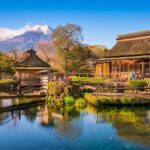
Oshino Hakkai is a World Heritage site with exceptionally clear water, shops, and roughly 300 cherry blossom trees. The combination of water, blossoms, and traditional-looking village scenery makes it one of the more varied stops near Fuji.
You have about an hour here for sightseeing, a small arts and crafts market, and perhaps food or shopping. Lunch is associated with the Lake Kawaguchiko portion of the day, but food and drinks are not included in the tour price. Carrying some yen is sensible for snacks and small purchases, though the supplied information does not specify which vendors accept which payment methods.
This is a place where the private format helps a little. Your guide can point out the main pools and help you fit in browsing without losing the group. It can also feel busy and commercial around the shops, so keep your expectations balanced. You are seeing a popular stop, not a quiet rural retreat.
A few more Tokyo tours and experiences worth a look
Lake Kawaguchiko, a Cruise, and Kachi Kachi Ropeway
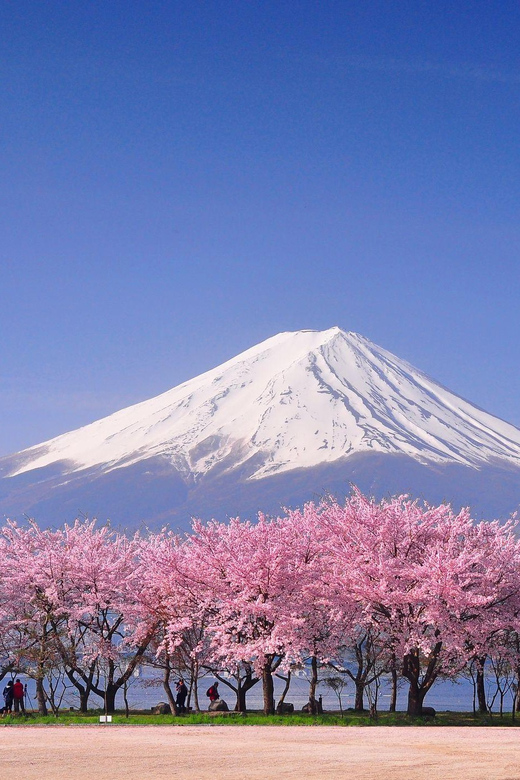
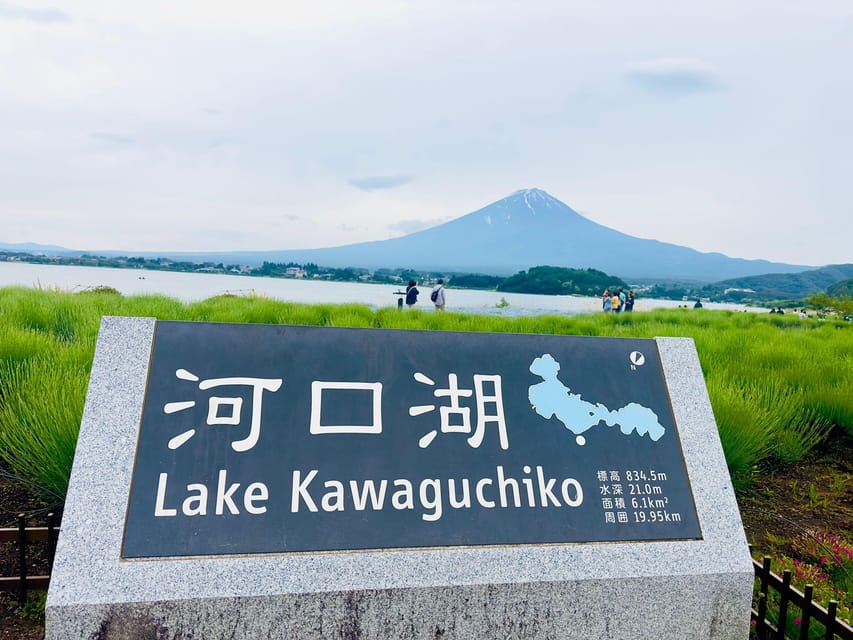
Lake Kawaguchiko brings water views and another angle on Fuji. The day includes a cruise across the lake, followed by the Kachi Kachi Ropeway for views from above. The itinerary also allows time for lunch and street food around the lake.
This is one of the tour’s most attractive combinations because you see the area from the road, from the water, and from higher ground. If the sky is clear, the changing viewpoints can give you several strong Fuji photographs without repeating the same scene.
The schedule lists about an hour for the lake portion, and another hour for the ropeway area appears later under Fujikawaguchiko. That is enough for a quick ride and views, but not for a leisurely cruise, meal, and long walk. Ropeway or cruise costs are not clearly listed among the inclusions, so confirm which tickets you must pay for separately before departure.
The group can also face queues or traffic here. The private vehicle saves you from navigating local transport, but it cannot remove crowds or shorten a line.
Oishi Park and Its Lavender Garden
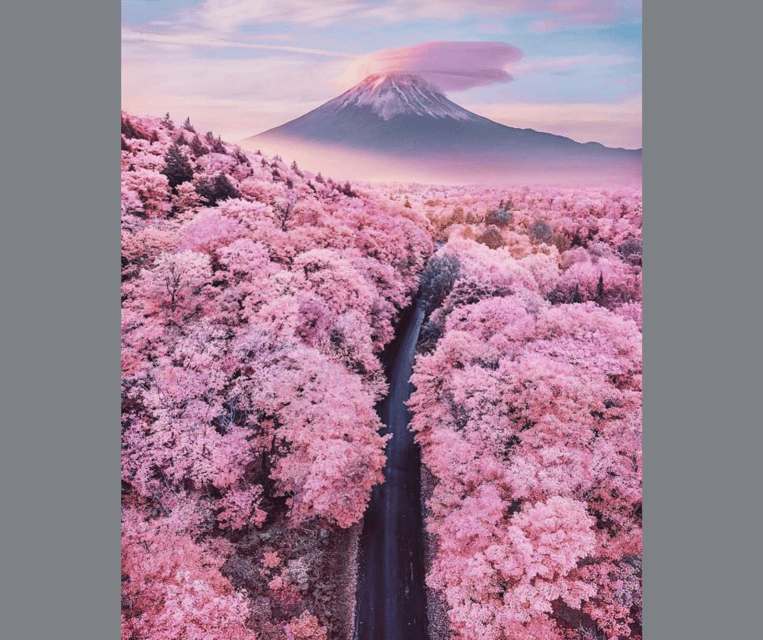
Oishi Park is a short, 30-minute stop. It offers a broad view of Fuji and a lavender flower garden whose scent adds something beyond the usual photo checklist.
The short visit makes sense as a quick viewpoint and garden walk. I would not expect time for a slow stroll or extended photography. If your group particularly enjoys flowers, ask whether the itinerary can give Oishi Park more time by trimming another stop.
As with nearly every Fuji viewpoint, clear weather determines how much you get from it. On a cloudy day, the garden still provides color and fragrance, but Fuji may not appear.
Lake Ashi and Hakone’s Volcanic Setting
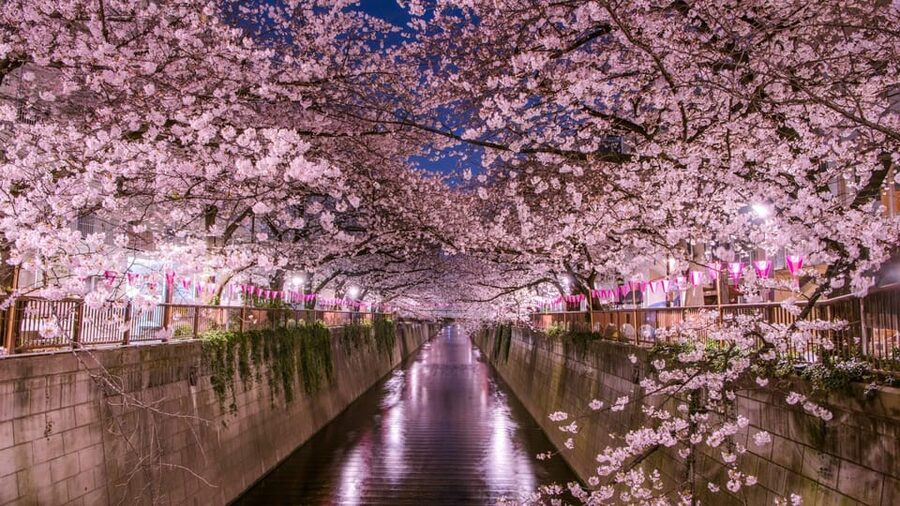
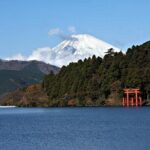
Lake Ashi, also called Lake Ashinoko, occupies the caldera formed after Mount Hakone’s eruption about 3,000 years ago. With Fuji in the background, it has become one of Hakone’s signature views.
The lake stop lasts about an hour and is described as guided sightseeing with scenic views. It is worth seeing for the contrast with the Fuji Five Lakes area. Here, the story is volcanic formation and Hakone’s mountain setting, while earlier stops focus more on shrines, springs, and cherry blossoms.
Do not assume this tour includes every famous Hakone attraction. The supplied schedule does not promise a Lake Ashi boat ride, Hakone Shrine visit, or hot spring bath. You may see the lake and surrounding sights, but ask your guide what the one-hour stop includes on your date.
Owakudani, Sulfur Fumes, and an Active Crater
Owakudani is one of the day’s most unusual stops. It occupies a crater created by an ancient eruption and remains an active volcanic zone, with sulfur fumes, hot springs, and hot rivers. You can also look toward Fuji from here.
This gives the tour a stronger sense of place than a simple mountain viewpoint. You are not only looking at volcanoes from a distance. You are visiting an area where volcanic activity is still visible in the air, water, and ground.
Conditions at Owakudani can affect what you see and how long you stay. The tour information does not specify access restrictions or walking distance, so follow local instructions and your guide’s advice. The stop is listed toward the end of a long day, when you may already be tired.
Gotemba Premium Outlets at Fuji’s Base
Gotemba Premium Outlets breaks up the nature stops with a shopping visit. The center includes brands such as Nike, Puma, Coach, Gap, Polo, North Face, Paul Smith, and Bose.
The scheduled visit is about an hour. That is enough to browse or make a focused purchase, but it is not enough for a serious shopping expedition across a large outlet complex. If shopping is a top priority, tell the guide early and consider reducing one of the scenic stops.
This stop is also useful for families or groups with mixed interests. One person can shop while others take a break from shrines and viewpoints. Still, it changes the tone of the day. If you want an entirely cultural or nature-based outing, Gotemba may feel like a detour.
Does $490 Offer Good Value?
The advertised rate is $490 per private group of up to six people. With six people, that works out to about $82 each. For a smaller group, the per-person price rises quickly, but you are paying for a private vehicle, hotel pickup and return, an English-speaking guide, highway tolls, parking, and a customizable route.
That is a fair value for a group that wants convenience and does not want to drive. It becomes less attractive if you are traveling alone or as a couple and are comfortable renting a car. One booking specifically felt that a rental car would have cost far less and offered more control.
The comparison is not only about money. A rental car puts navigation, traffic, parking, and route planning on you. This tour gives you a driver and lets you rest between stops. On the other hand, a friendly driver who gives little context may not feel worth the premium if your main goal is learning.
Food, drinks, and Mount Fuji entry fees are excluded. Other attraction tickets, such as the ropeway or cruise, should be confirmed before you book because they are not clearly included in the stated package.
Who Will Get the Most From This Day?
I would choose this tour for a group of up to six that wants to see a lot in one day and values hotel pickup. It is especially practical for families, multigenerational groups, or friends who do not want to manage rural transport.
It also suits photographers who want repeated Fuji viewpoints, particularly in cherry blossom season. Chureito Pagoda, Oshino Hakkai, Lake Kawaguchiko, Oishi Park, Lake Ashi, and Owakudani all offer different backdrops.
I would hesitate if you prefer slow travel. The schedule has many stops, long driving periods, and short visits. I would also hesitate if you need a detailed guide at every site, unless you confirm that expectation in advance.
The tour is wheelchair accessible, but the Chureito Pagoda visit includes a climb, so discuss the practical details before booking if anyone in your group has limited mobility. The supplied information does not explain which parts of the route are step-free.
Should You Book It?
Book this private day tour if your priority is convenience, variety, and a chance to see Fuji and Hakone in one ambitious outing. The strongest reasons are the private van, hotel service, flexible planning, and guides such as Addan and Talal, who are associated with thoughtful service and patience.
Skip it if you want to spend a full day at only one Fuji area, require a deep cultural explanation, or are comparing the price with a rental car for a confident driver. Most important, accept the weather risk. A clear day can make this a memorable sweep of Fuji country, while a cloudy day may leave you paying mainly for transport between attractive but less dramatic stops.
Cancellation is free up to 24 hours before the tour, and you can reserve now and pay later. Pickup is offered from Tokyo, Chiba, Narita, and Hanedakuko, with return to those areas.
FAQ
Is hotel pickup included?
Yes. Hotel pickup and drop-off are included, with pickup and return locations listed in Tokyo, Chiba, Narita, and Hanedakuko.
How many people can join the private tour?
The price covers one private group of up to six people.
Is an English-speaking guide included?
Yes. The tour includes a live English-speaking guide. Named guides associated with bookings include Talal, Addan, and Sabir.
Are food and drinks included?
No. Food and drinks are not included, although the Lake Kawaguchiko portion includes time for lunch, street food, or sightseeing.
Are Mount Fuji entry fees included?
No. Mount Fuji entry fees are specifically excluded from the tour price.
Can I cancel for a full refund?
Yes. You can cancel up to 24 hours in advance for a full refund.
More Private Tours in Tokyo


More Hakone Day Trips in Tokyo
More Mt Fuji Day Trips in Tokyo

More tours in Tokyo we've reviewed












Mt Fuji Day Trips, compared.
 ★ 5.0Mt Fuji and Hakone 1-Day Bus Tour Return by Bullet TrainFrom $163
 ★ 4.0Mt Fuji & Hakone Cruise, Drum Show Bullet Train 1 Day from TokyoFrom $149
 ★ 4.4Tokyo Mt Fuji 5th St & Hakone Cruise Bus Tour w/Bullet TrainFrom $15410 hours
 ★ 4.5From Tokyo: Mount Fuji Full-Day Sightseeing TripFrom $6810 hours
 ★ 4.7Tokyo: Mt. Fuji Tour, Hakone Ropeway, Owakudani, Lake AshiFrom $5410 hours
 ★ 4.4Tokyo:Mt.Fuji,Kawaguchiko Oishi Park,Arakurayama Sengen ParkFrom $5410 hours