Reviewed · SUMO EXPERIENCES
Tokyo: Sumo Morning Practice Viewing Tour at a Real Stable
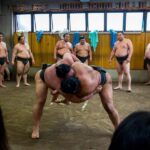
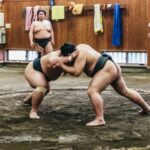
The remarkable part of this Tokyo tour is the setting: you sit close to a real practice ring while wrestlers train as they do every morning. There is no staged bout, cheering crowd, or polished theater show. You hear the slap of bodies and feet on the floor, then watch young rikishi push through hard drills within a few steps of you.
In This Article
- Key points to know before booking
- Why this morning visit feels different from a sumo tournament
- Meeting at Kiyosumi-Shirakawa Station
- The guide’s introduction makes the practice easier to follow
- Watching practice from the side of the ring
- Ritual, silence, and the meaning behind each movement
- Meeting the wrestlers after practice
- The $98 price and what you receive
- Who will enjoy this, and who may not
- Practical advice for a smooth morning
- Should you book this sumo stable visit?
- FAQ
- Where does the sumo tour meet?
- How long does the activity last?
- What time does morning practice take place?
- Is transportation to the stable included?
- Is the sumo stable open to the general public?
- Can I speak with the wrestlers?
- Can I leave the stable early?
- What should I wear?
- Are children allowed on the tour?
- What happens if I arrive late?
I like the genuine working atmosphere and the clear explanations from guides such as Mao, Yuki, Kawa, and Tomo. You learn why sumo uses ritual, how a match is won, and what daily dedication looks like. The main catch is that you must stay silent and seated until practice ends, and late arrival can mean missing the visit altogether.
Key points to know before booking

- Sit close to the ring: You watch training from the side of the practice area, close enough to see and hear the force of each movement.
- Visit a working stable: This is where wrestlers live, eat, train, and prepare for tournaments, not a tourist performance venue.
- Learn before you watch: Your English-speaking guide explains sumo rules, Shinto customs, ranks, and daily life before entry.
- Plan for strict etiquette: Wear modest clothing, silence your phone, avoid noise, and do not stand or move during practice.
- Allow extra travel time: Meet at Kiyosumi-Shirakawa Station Exit A1, and expect a train ride to the stable after gathering.
- Stay until the end: There is no re-entry after leaving, and the practice may finish a little earlier or later than planned.
Why this morning visit feels different from a sumo tournament

A professional tournament gives you the full public spectacle: formal entrances, named bouts, rankings, and thousands of fans. This visit offers something quieter and more revealing. You see the work that happens before the public sees the finished athlete.
The stable is a place of daily life as well as sport. The wrestlers train there, live there, and devote themselves to sumo there. That matters because the activity is not simply a lesson in wrestling rules. It gives you a short look at a demanding way of life.
The practice is also not adjusted around your group. The rikishi carry on with their work and generally pay little attention to the people watching. That lack of performance is a major strength. You are observing a routine, not being entertained by one.
The tradeoff is clear. You must behave like a respectful observer in someone else’s workplace. If you want to ask questions during the session, take frequent photographs, or move around for better views, this is not the right activity.
A few more Tokyo tours and experiences worth a look
Meeting at Kiyosumi-Shirakawa Station
Your starting point is in front of Kiyosumi-Shirakawa Station, Exit A1. The station is served by the Toei Oedo Line and the Hanzomon Line. Look for a guide holding a sign marked Local Guide Stars.
Do not treat the meeting time as a loose suggestion. A late group can delay everyone, and entry may not be possible if you arrive after the meeting point departure. One useful rule is to reach the station at least 30 minutes early. That gives you a margin for finding the correct train exit, especially if you are still adjusting to Tokyo’s large and sometimes confusing station system.
After the group meets, you may take a train to the stable. The exact stable is not presented as a public attraction with a simple walk-up entrance, so keep your attention on the guide and allow the group to move together.
The ending location can differ from the starting point depending on the day’s arrangements. Do not schedule a tight appointment immediately afterward. Practice usually takes place in the morning, with the visit lasting about two hours, but the timing can run shorter or longer.
The guide’s introduction makes the practice easier to follow

Before entering, your guide gives you the basic framework for understanding what you are about to see. This is important. Without context, sumo practice can look like a series of powerful collisions and repeated movements. With an explanation first, you can spot the purpose behind the routine.
You learn that bouts are won by forcing an opponent outside the ring or making any part of the opponent’s body, other than the soles of the feet, touch the ground. You also hear about the customs and rituals connected to sumo’s Shinto roots.
The guides are a strong part of this experience. Mao has been praised for clear English, patience, and useful explanations of sumo and Japanese life. Yuki is also noted for friendly communication and strong explanations of the sport and its past. Kawa and Tomo have led groups with a relaxed style, answering questions without burying you in facts.
That last point is worth noting. This is not designed as an academic lecture. The best guide approach here is to give you enough information to understand the action, then let the wrestlers command your attention.
Watching practice from the side of the ring

The central event is the morning training session. You sit near the ring and watch the wrestlers work at close range. The distance changes your view of sumo. On television, the athletes can seem slow because of their size and the formal pace of a bout. From nearby, their speed, balance, flexibility, and strength are much easier to grasp.
You may hear feet stamp, bodies strike, and wrestlers breathe hard through repeated exercises. The physical effort is not softened for an audience. Training can look tough because it is tough. The young wrestlers are working toward higher ranks, and the routine demands discipline long before a tournament crowd sees them.
The session also shows the difference between size and athletic ability. Sumo requires speed and timing as well as mass. You can watch wrestlers crouch, brace, push, and recover while maintaining control in a confined space.
One especially valued possibility is seeing a top-ranked wrestler, perhaps even a yokozuna, depending on the stable’s schedule and the people present that morning. This is not guaranteed, so you should book for the training itself rather than for one particular wrestler.
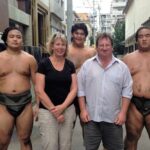
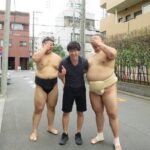
Photography rules are not fully detailed beyond the instruction to remain quiet and still, so follow your guide’s directions. One group was able to take photographs with wrestlers, but that should be treated as a possibility rather than a promised part of every departure.
Ritual, silence, and the meaning behind each movement

Sumo’s spiritual side gives the practice another layer. The sport is rooted in ancient Shinto beliefs, and some movements and rituals reflect that connection. Your guide helps explain what you are seeing so that the gestures do not become empty decoration.
The silence is part of the experience. You cannot chat with the people beside you, call out, or keep checking your phone. Put the phone on silent before entering and use the restroom first. You should also avoid eating and drinking during the session, with water as the stated exception.
You may find the rules strict, but they protect the stable’s purpose. Wrestlers are not stopping their work to perform for you. Remaining still lets you watch the routine without interrupting it.
Wear modest clothes. This is not the place for beachwear or anything that feels too casual for a working religious and athletic setting. The supplied rules do not give a detailed dress code, so the safest choice is simple, respectful clothing that allows you to sit comfortably for the full practice.
A few more Tokyo tours and experiences worth a look


Meeting the wrestlers after practice

The opportunity to speak with the wrestlers comes outside training hours. That timing makes sense. During practice, they need to concentrate. Afterward, you may have a chance to ask questions and gain a better sense of their life in the stable.
Do not expect a long private interview with every wrestler. The activity promises an opportunity to speak with them, not a guaranteed extended conversation or photo session. Your guide can help with communication and explain points about training, tournaments, and the stable’s daily routine.
This part works best if you arrive with a few sensible questions. You might ask about the path toward higher rank, the role of practice before a tournament, or what daily life is like in a stable. Keep questions short and respectful, since the wrestlers’ workday continues after your group leaves.
The $98 price and what you receive

At $98 per person, this is not a cheap way to fill two hours in Tokyo. You are paying for access to a place that is normally closed to the public, plus an English-speaking guide who prepares you to understand what you see.
The value depends on your interest. If you already plan to attend a sumo tournament, this visit adds the training side that a tournament ticket cannot provide. If your Tokyo schedule has room for only one sumo activity, the decision comes down to whether you prefer a public event with formal bouts or a quiet look at preparation inside a stable.
I think the price is easier to justify because the stable is a real workplace and not a purpose-built show. The close seating, cultural explanation, and chance to speak with wrestlers give you more than a basic sightseeing stop.
Still, the short duration and strict rules limit what you receive. You are not touring every corner of the stable, and you cannot come and go as you please. The price buys access and interpretation, not freedom to explore.
Free cancellation up to 24 hours before the start and the option to reserve now and pay later make planning less risky. Check the available starting times carefully, since morning practice follows the stable’s schedule rather than a late-morning sightseeing routine.
Who will enjoy this, and who may not

I would recommend this for adults and older children who can sit quietly and follow instructions. The minimum age is 11, and the activity is a good match for anyone interested in Japanese culture, martial traditions, sports training, or the daily lives behind public performances.
It suits photographers who value atmosphere, but only if they are comfortable with limited movement and the stable’s rules. It also suits first-time visitors who want an English explanation before seeing sumo up close.
You may want to skip it if you have a hard appointment afterward, dislike seated activities, or need to leave early. You must remain until the end of practice, and leaving means no re-entry. The tour is also a poor fit for young children who may struggle with silence and stillness.
Group size can vary. One departure had 11 people, while another included 14. That is small enough to feel personal, but not private. Your view should still be close, yet your exact position and the day’s training may affect what you see.
Practical advice for a smooth morning
Arrive early, not exactly on time. Kiyosumi-Shirakawa Station Exit A1 is the fixed meeting point, but the group may continue by train, so there is little room for delays.
Use the restroom before entering. You may not stand up or move during practice, and the session can last longer than expected. Keep water handy if needed, but do not plan to snack.
Dress modestly and comfortably. Silence your phone before the group enters. Leave your schedule open after the two-hour estimate, since the practice may be shorter or longer and the final location may not be the station where you started.
Listen closely to the guide’s instructions. The stable is a working environment, and respectful behavior is not a minor detail here. It is what allows this kind of access to continue.
Should you book this sumo stable visit?
Book it if you want real training rather than a tourist show. The close view, hard physical work, Shinto customs, and guide explanations create a memorable morning for people who want to understand sumo beyond its public image.
I would be especially keen to book if Mao, Yuki, Kawa, or Tomo is leading the departure, since their clear and friendly explanations add real value. Just arrive early, dress respectfully, silence your phone, and be ready to sit quietly until practice ends.
Skip it if you need a flexible start, cannot stay for the full session, or want the noise and ceremony of a tournament. For the right visitor, though, $98 buys a rare look at the discipline behind one of Japan’s most distinctive traditions.
FAQ
Where does the sumo tour meet?
Meet in front of Kiyosumi-Shirakawa Station at Exit A1. The station is served by the Toei Oedo Line and the Hanzomon Line.
How long does the activity last?
The stated duration is two hours. Practice may be somewhat shorter or longer, so avoid making a tight commitment afterward.
What time does morning practice take place?
The practice is held in the morning, generally around 09:00 to 10:00 AM. Check availability for the exact starting time when booking.
Is transportation to the stable included?
After meeting at the station, the group may take a train to the sumo stable. Follow the guide’s directions and allow extra time for the transfer.
Is the sumo stable open to the general public?
The stable is normally closed to the public and has traditionally been accessible mainly to sponsors. This tour provides arranged access.
Can I speak with the wrestlers?
You have an opportunity to speak with the wrestlers outside training hours. The timing and length of the conversation are not specified.
Can I leave the stable early?
You must stay until the end of practice. Once you leave the stable, re-entry is not possible.
What should I wear?
Modest clothing is required. Choose respectful, comfortable clothes suitable for sitting quietly during the practice.
Are children allowed on the tour?
The activity is not suitable for children under 11 years old.
What happens if I arrive late?
Late arrival may mean that entry is not possible. Arrive early at Kiyosumi-Shirakawa Station Exit A1, and allow extra time for Tokyo transport.
More Morning in Tokyo
More Sumo Experiences in Tokyo

More tours in Tokyo we've reviewed












Sumo Experiences, compared.
 ★ 4.8Tokyo: Sumo Show Experience with Chicken Hot Pot and a PhotoFrom $1032 hours
 ★ 4.8Tokyo: Sumo Show and Dining ExperienceFrom $7990 minutes - 2 hours
 ★ 5.0the SUMO showFrom $89
 ★ 5.0Tokyo Sumo Entertainment Show with Chicken Hot Pot and PhotoFrom $106
 ★ 4.6Tokyo: Sumo Tournament Tour with Chair Seat TicketsFrom $141
 ★ 5.0Tokyo Grand Sumo Tournament Viewing Tour with TicketsFrom $124