Reviewed · HAKONE DAY TRIPS
Hakone Full-Day Private Tour By Public Transportation
Hakone’s appeal is its mix of volcanic scenery, lake views, and art, all within a long but manageable day from Tokyo. This private tour takes you by public transportation to Hakone Shrine, Lake Ashinoko, Owakudani Valley, and the Hakone Open-Air Museum, with an English-speaking guide handling the route.
In This Article
- Key points to know before booking
- Why this private Hakone day works from Tokyo
- Hakone Shrine and the cedar-lined approach
- Lake Ashinoko and Hakone’s volcanic past
- Owakudani Valley and the smell of sulfur
- Art among the trees at the Open-Air Museum
- What the public-transport format feels like
- How guides can shape a rainy-day visit
- Who will get the most from this day
- Booking, cancellation, and practical details
- Should you book the Hakone private tour?
- FAQ
- Where does the Hakone tour begin?
- How long does the experience last?
- Is this a private tour?
- Does the tour use public transportation?
- Which places are visited during the day?
- Are admission fees included?
- Can I cancel for a full refund?
I like the practical help of having someone manage Hakone’s trains, buses, and other public transport connections. I also like the private format, since your guide can pay attention to your group and adjust the day when weather or personal interests get in the way.
The main drawback is the pace. Ten hours is a full day, and the tour includes plenty of walking, transfers, and four major stops. You also pay separately for your own transport, food, and admission fees, so the final cost will be higher than the advertised tour price.
Key points to know before booking
- Hakone without the route-planning headache: Your English-speaking guide leads you through public transportation from Tokyo and around Hakone.
- Four well-chosen stops: The day includes Hakone Shrine, Lake Ashinoko, Owakudani Valley, and the Hakone Open-Air Museum.
- A private experience: Only your own group participates, making it easier to set priorities and ask questions.
- A strong choice for nature and culture: You get volcanic scenery and mountain views alongside Japanese and Western sculpture.
- Plan for a long walking day: One past guest specifically noted the amount of walking, so comfortable shoes matter.
- Weather affects the views: Mt. Fuji may appear on a clear day, but heavy rain can hide it completely.
Why this private Hakone day works from Tokyo
Hakone is close enough to visit from Tokyo, yet its sights are spread across a mountain area served by several kinds of public transportation. That makes it a poor place for casual improvisation, especially if you are not comfortable reading Japanese signs or working out connections under time pressure.
This tour solves that problem without putting you on a large bus. You meet your guide at 8:00 a.m. in your Tokyo hotel lobby, provided the hotel is within Tokyo’s 23 wards, then travel together by public transport. Your guide plans the routes and provides commentary along the way.
That setup is especially useful if you already have a JR Rail Pass and want to make practical use of it. The tour is not a private car outing, so you still deal with stations, buses, walking, and crowds. The payoff is that you experience Hakone as a real public-transport destination, while someone else keeps track of the connections.
The price is listed at $221.12 per person. That is a serious outlay, but the value depends on your group size and confidence with Hakone’s transport system. You are paying for a private English-speaking guide, a full day of route planning, and the ability to focus on the sights rather than constantly checking directions.
Remember to budget for your own public transportation, food, and entrance fees. The guide’s public transportation is included, but your fares are not. Admission to Hakone Shrine and Owakudani is not charged through the tour, while the Open-Air Museum requires a separate admission fee.
A few more Tokyo tours and experiences worth a look
Hakone Shrine and the cedar-lined approach
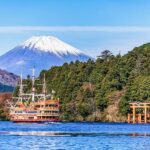
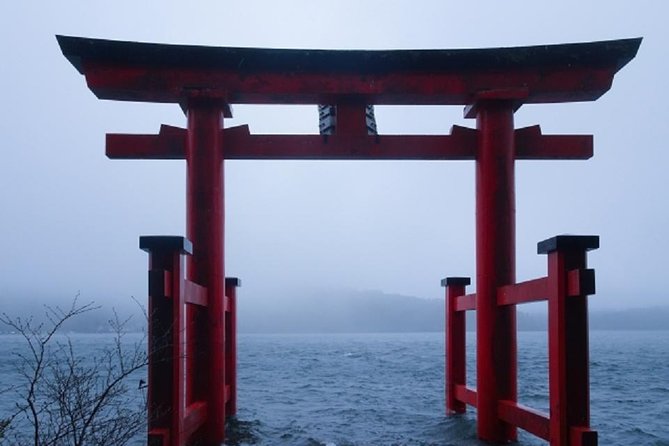
The first major stop is Hakone Shrine, with about an hour allotted for the visit. Founded in 757, the shrine is known as a power spot, a place many people visit for its spiritual atmosphere as much as for its architecture.
The shrine gives the day a strong opening. After the movement of getting out of Tokyo and into Hakone, you reach a place tied to centuries of Japanese religious tradition. The setting around Lake Ashinoko adds to the sense of place, and your guide can explain the meaning of the shrine and the nearby Kuzuryu Shrine Shingu.
An hour is enough for a focused visit, but not for a slow, unhurried exploration of every corner. If stairs or extended walking are difficult for anyone in your group, ask your guide early about the day’s route. The tour description confirms that most people can participate, but it also makes clear that this is an active day.
The shrine is also one of the places where weather matters. Mist and rain can give the area a quiet, almost mysterious mood, but wet conditions may make walking less pleasant. Bring suitable footwear and do not plan the day around perfect photographs alone.
Lake Ashinoko and Hakone’s volcanic past
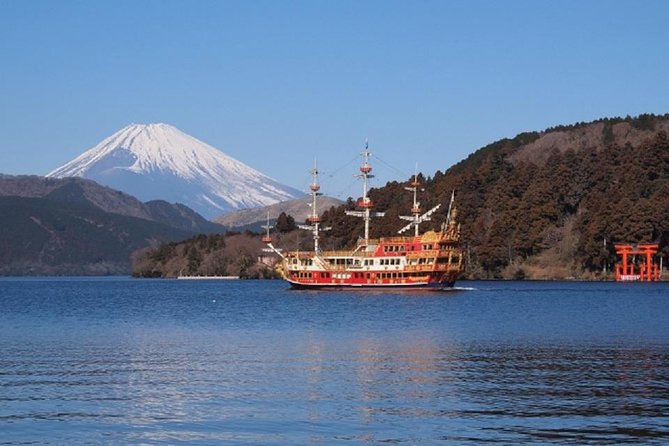
Lake Ashinoko, also called Lake Ashi, receives about an hour. The lake formed roughly 3,000 years ago after an eruption of Mt. Hakone created debris that blocked the Hakone River.
That fact gives the lake more meaning than simply being a scenic stop. You are looking at the result of the same volcanic forces that shaped much of Hakone. The water, mountains, shrine setting, and changing weather make this one of the day’s best places to slow down and take in the surroundings.
The tour information suggests enjoying the scenery from the lake, but it does not promise a boat ride or include one. Treat this stop as a chance to see the lake and its surroundings rather than assuming a particular cruise is part of the schedule.
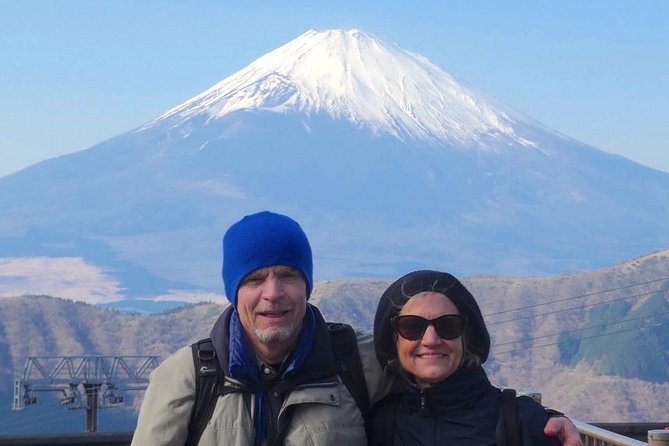
On clear days, Mt. Fuji may be visible from Hakone, and that can become the visual highlight of the trip. Still, Fuji is famously shy. One visit took place during torrential rain and produced no Fuji views at all. That is not a failure of the itinerary, but it is an important warning: Hakone offers the possibility of mountain views, not a guarantee.
Your guide can help you make the most of the conditions. If the sky is clear, you can focus on the best viewpoints. If clouds cover the mountains, the shrine, lake, and volcanic sites still give the day plenty of substance.
Owakudani Valley and the smell of sulfur
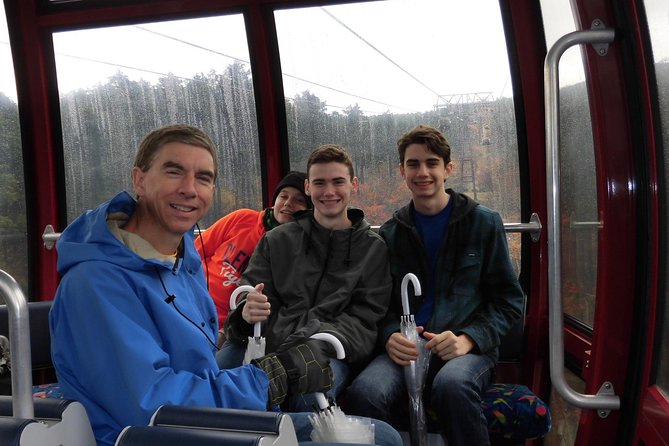
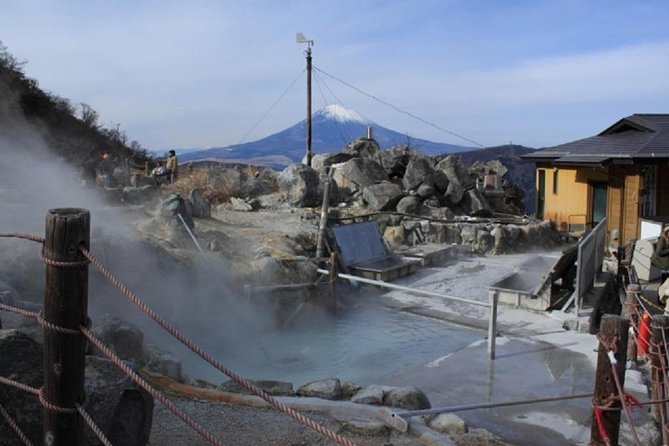
Owakudani is the tour’s most dramatic natural stop. The valley formed during the last eruption of Mt. Hakone, about 3,000 years ago, and volcanic activity remains visible in the white smoke rising around the rocks.
You may also notice the smell of sulfur. That odor is part of the experience, not a sign that something has gone wrong. Owakudani gives you a direct sense that Hakone is an active volcanic region rather than just a pretty mountain resort.
The stop lasts about an hour, and admission is free. The time allows you to look at the steaming terrain, hear your guide explain the area, and take photographs if conditions permit.
This is another place where weather can change the experience. Mist may make the valley feel atmospheric, while rain can reduce visibility and make paths unpleasant. The tour does not promise a particular level of volcanic activity or a specific view, so keep your expectations flexible.
For nature lovers, Owakudani is one of the strongest reasons to choose this outing. It gives the day a physical edge that temples and galleries cannot provide. You see, smell, and feel the effects of Hakone’s volcanic origins.
Art among the trees at the Open-Air Museum
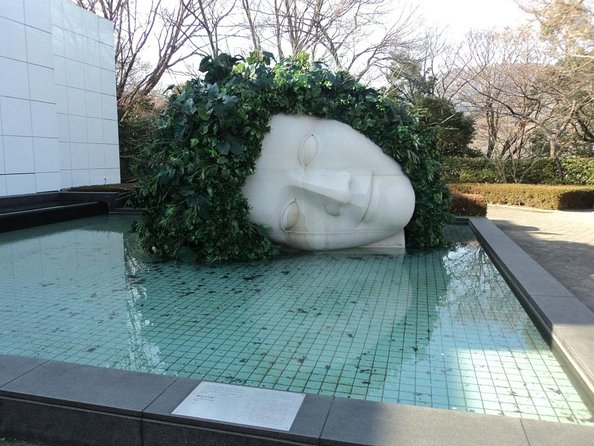
The final listed stop is the Hakone Open-Air Museum, with about an hour set aside for it. The museum combines sculpture with the surrounding mountain scenery, creating a different kind of cultural experience from a traditional indoor gallery.
The collection includes works by Japanese and Western artists, and the setting is a major part of the appeal. Instead of moving from one closed room to another, you encounter art outdoors, with open views and changing light. There is also a foot bath, a welcome feature after a day of walking.
I like this stop because it prevents the excursion from becoming only a shrine-and-scenery outing. You get a clear cultural component, and the museum offers a change of pace after the volcanic valley.
The one-hour visit is useful but brief. The museum has enough variety and outdoor space to reward a longer stay, so art lovers may feel rushed. Since admission is not included, you should also account for that added expense.
The Open-Air Museum is likely to suit people who enjoy seeing art in a relaxed setting rather than racing through a list of famous paintings. If your group cares more about Fuji views and volcanic scenery, you may wish the schedule allowed more time outdoors. Your private guide can help explain the options, but the tour still has to fit its ten-hour framework.
Other private tours in Tokyo



What the public-transport format feels like
This is not a passive sightseeing day. You will ride public transportation, walk between points, follow your guide through stations and local connections, and keep moving from one part of Hakone to another.
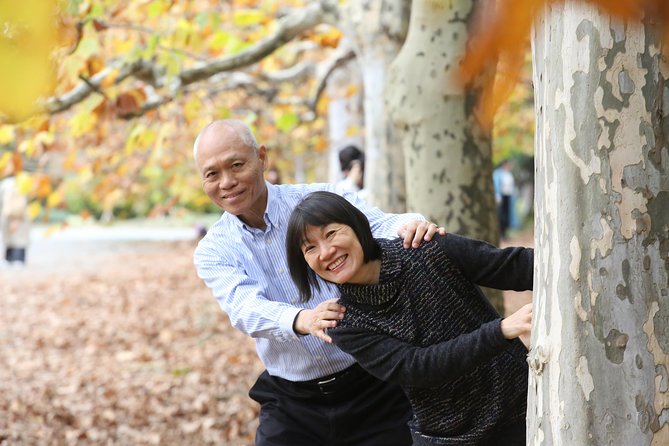
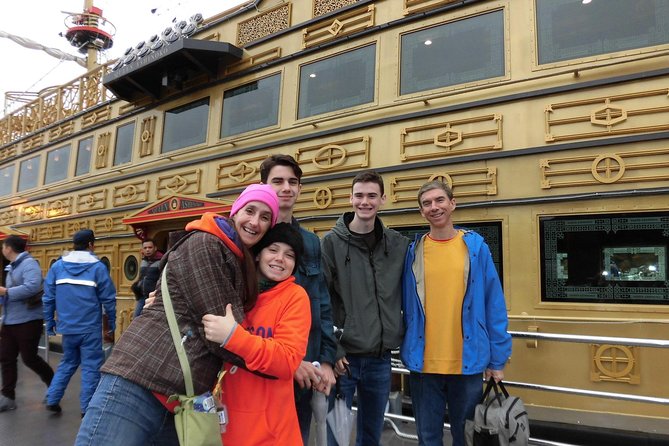
That is precisely why the tour can be useful. Hakone’s attractions are not gathered around one station, and a small mistake can cost valuable time. A guide such as Akira or Yumiko can take care of the practical sequence while giving you context about what you are seeing.
The private arrangement also changes the rhythm. You are not waiting for a large group to take photographs or gather at a meeting point. Your guide works only with your party, which makes it easier to ask for clarification and discuss what matters most to you.
Still, private does not mean effortless. Public transportation can involve standing, waiting, and walking. The tour description says most people can participate, but the available information does not promise a fully step-free route or special mobility arrangements. If anyone in your group has mobility concerns, discuss the route with the provider before booking.
Your own transport costs are separate, so the financial advantage of using a rail pass can be meaningful. If you have a JR Rail Pass, this tour may fit especially well with your existing plans. If you do not, you should ask for an estimate of the fares before setting your budget.
How guides can shape a rainy-day visit
Hakone is highly weather-dependent. Clear conditions may reveal Mt. Fuji, while heavy rain can remove the grand views and make walking harder. The experience can still work in poor weather, but you should choose it for the full mix of sights rather than for Fuji alone.
A rainy visit can also test the value of a private guide. One guide, Yumiko Sano, helped a family keep the sights they most wanted to see despite torrential rain. That kind of flexibility is useful when the original plan needs adjusting.
The tour’s private format gives you a better chance of discussing priorities. You might care most about the shrine and lake, while another group may prefer Owakudani and the museum. The information provided does not promise a custom itinerary beyond the listed stops, so do not assume every timing change will be possible, but the format is more adaptable than a fixed large-group outing.
Pack for conditions rather than photographs. Comfortable shoes are essential, and rain protection is sensible. The day includes enough outdoor time that poor weather can affect your comfort even if the guide keeps the schedule moving.
Who will get the most from this day
I would recommend this tour to people who want Hakone’s major sights but do not want to manage the transport plan alone. It is a particularly good fit for a first visit, an English-speaking group, or anyone who prefers having one person responsible for the day’s route.
It also suits families and small groups that value privacy. You can move together without strangers, ask questions freely, and make better use of the guide’s attention.
Nature lovers will appreciate the combination of Lake Ashinoko and Owakudani. Culture-minded visitors get Hakone Shrine and the Open-Air Museum. People hoping for Mt. Fuji should book with realistic expectations, since even a well-planned day cannot control clouds and rain.
I would be less keen on this option if you dislike public transportation, want a slow resort-style day, or prefer spending several hours at one attraction. Four stops in ten hours creates a useful overview, not a leisurely examination of every site.
Booking, cancellation, and practical details
The tour starts at 8:00 a.m. and lasts approximately 10 hours. Pickup is offered from a hotel lobby within Tokyo’s 23 wards, and the experience is near public transportation.
Confirmation is normally received at booking. If you book within two days of departure, confirmation may take up to 48 hours and remains subject to availability.
The tour offers free cancellation if you cancel at least 24 hours before the local start time. Cancellations or changes made less than 24 hours before the start are not refunded or accepted.
Group discounts may be available, which can improve the per-person value for a larger private party. Since only your group participates, compare the total cost for your party rather than judging the per-person rate in isolation.
Should you book the Hakone private tour?
Book it if you want a full Hakone overview and would rather follow a guide than work out a complicated public-transport day yourself. The best reasons are the private format, English commentary, strong mix of nature and culture, and the chance to adjust your focus when conditions change.
Do not book it expecting a relaxed spa day or a guaranteed Mt. Fuji photograph. You will walk, transfer, pay your own fares and admission fees, and spend a long day on the move.
At $221.12 per person before those extra costs, this is most worthwhile for people who place a high value on saved planning time and personal guidance. If that sounds like you, the tour gives Hakone a practical, well-rounded introduction without forcing you to navigate it alone.
FAQ
Where does the Hakone tour begin?
Pickup is offered from your hotel lobby if it is located within Tokyo’s 23 wards. The stated start time is 8:00 a.m.
How long does the experience last?
The tour lasts approximately 10 hours.
Is this a private tour?
Yes. Only your own group participates in the activity.
Does the tour use public transportation?
Yes. The guide accompanies you on public transportation to and from Hakone and handles the public-transport routes. Your own transportation costs are not included.
Which places are visited during the day?
The listed stops are Hakone Shrine and Kuzuryu Shrine Shingu, Lake Ashinoko, Owakudani Valley, and the Hakone Open-Air Museum.
Are admission fees included?
No. Admission fees for customers are not included. Owakudani has free admission, while the other listed sites may have separate charges.
Can I cancel for a full refund?
Yes, if you cancel at least 24 hours before the experience start time. Cancellations or changes made less than 24 hours before the start are not refunded or accepted.
More Full-Day in Tokyo

More Private Tours in Tokyo
More Hakone Day Trips in Tokyo
More tours in Tokyo we've reviewed












Hakone Day Trips, compared.
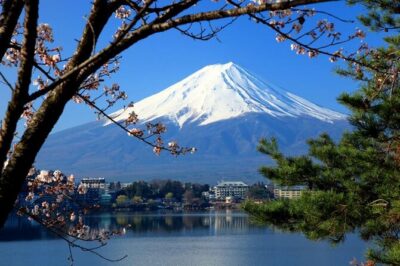 ★ 5.0Mt Fuji and Hakone 1-Day Bus Tour Return by Bullet TrainFrom $163
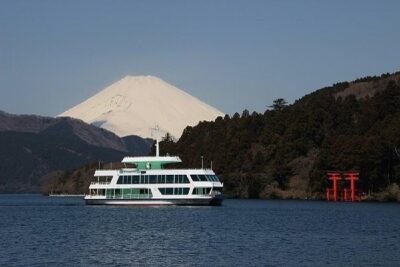 ★ 4.0Mt Fuji & Hakone Cruise, Drum Show Bullet Train 1 Day from TokyoFrom $149
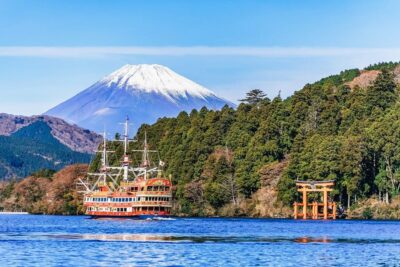 ★ 4.4Tokyo Mt Fuji 5th St & Hakone Cruise Bus Tour w/Bullet TrainFrom $15410 hours
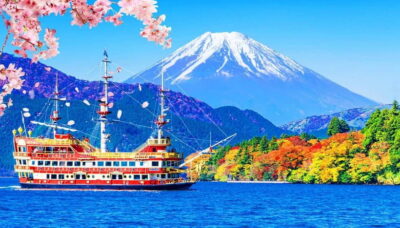 ★ 4.7Tokyo: Mt. Fuji Tour, Hakone Ropeway, Owakudani, Lake AshiFrom $5410 hours
 ★ 4.2Tokyo: Mt. Fuji 5th Station & Hakone Cruise 1-Day Bus TourFrom $12911 hours
 ★ 5.0Private Tour to Mt. Fuji and Hakone (Fully Licenced Operator)From $497