Reviewed · DESSERT TOURS
Japanese dried-type Sweets (Ohigashi) making
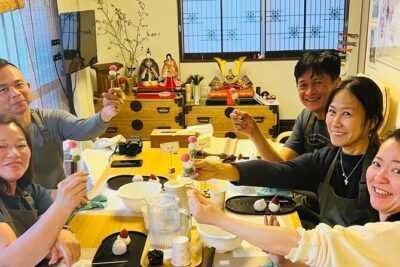
Making Ohigashi is one of those small Japanese experiences that gives you something to do with your hands and something unusual to taste. At AN TOKYO in Honshu, you shape traditional dried sweets from 100% Wasanbon, a fine Japanese sugar known for its soft texture and gentle, mellow flavor.
In This Article
- Key points to know before booking
- What Ohigashi tells you about Japanese sweets
- The 30-minute schedule at AN TOKYO
- Choosing a wooden mold and shaping the sugar
- Why fresh Wasanbon matters
- Standard Ohigashi or colorful sweets
- Is $10 good value for 30 minutes?
- Who will enjoy this activity most?
- Practical timing at the Honshu meeting point
- Language and guidance
- What you will take away
- Should you book the Ohigashi experience?
- FAQ
- Where does the Ohigashi-making experience take place?
- How long does the activity last?
- How much does the experience cost?
- What is included in the booking?
- Can I make colorful Ohigashi?
- Is an experience completion certificate included?
- What language is used during the experience?
- Can I cancel for a full refund?
I like two things right away: you choose your own wooden mold, and the activity takes only 30 minutes. That makes it easy to fit between sightseeing stops. The main consideration is that the session is conducted in Japanese, with English translation provided as much as possible, so you should contact the venue ahead of time if clear English guidance is important to you.
Key points to know before booking
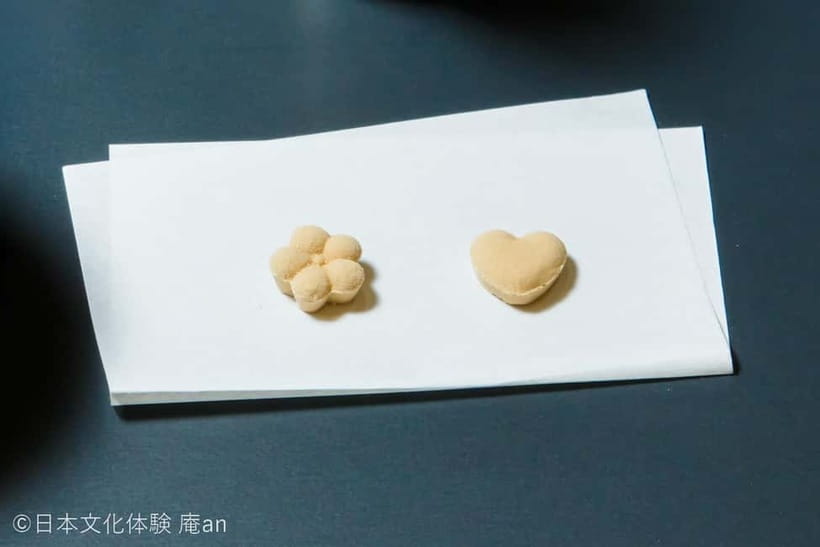
- 100% Wasanbon sugar: Taste a traditional Japanese sugar with a smooth texture that melts quickly in your mouth.
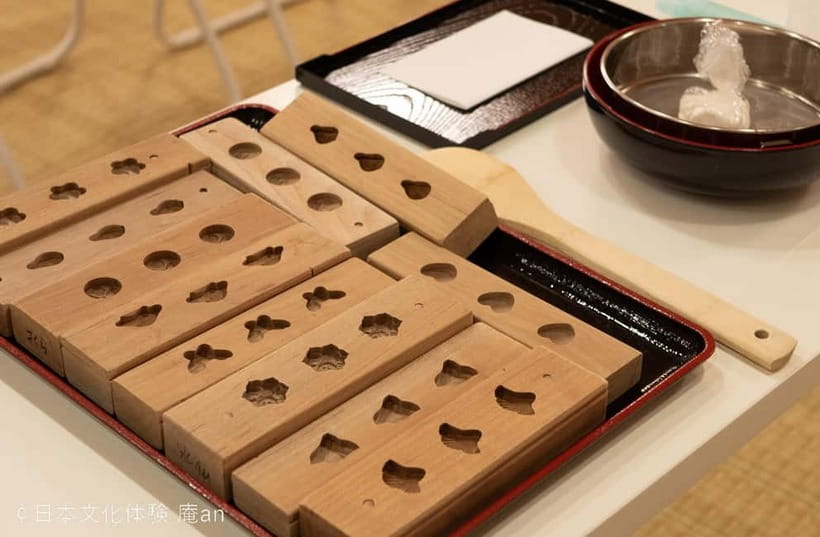
- Choose your own shape: Pick from cute wooden molds before pressing your Ohigashi.
- A short Tokyo activity: The full program lasts 30 minutes, including making, pictures, and eating time.
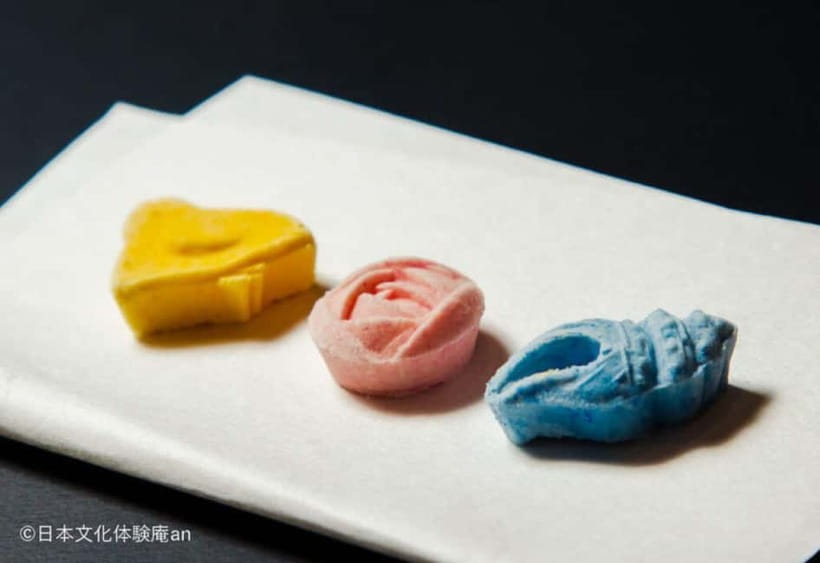
- Color costs extra: The standard sweets have no added color. Colorful Ohigashi costs an additional 200 JPY.
- Japanese-language instruction: English translation is available as much as possible, but the main language is Japanese.
- A modest price: At $10 per person, this is a low-cost cultural activity, though extras are not included.
What Ohigashi tells you about Japanese sweets
Ohigashi are dry-type Japanese sweets made by pressing sugar into shaped molds. They are not soft cakes or sticky candies. Their appeal comes from a fine, compact texture and a flavor that fades quickly after it melts in your mouth.
The important ingredient here is Wasanbon. This is a traditional Japanese sugar, and the activity uses it without adding other ingredients to the basic sweets. That gives you a clean taste rather than a complicated one.
You may be used to thinking of sugar as simply sweet. Wasanbon offers a more delicate experience. The description of the activity emphasizes its fluffy, smooth quality and mellow taste. Those details matter because the point is not simply to make a pretty candy. You are also being introduced to a specialty ingredient that you might not encounter in an ordinary dessert shop.
The sweets are also small and decorative. Their shape is part of the pleasure. You choose a wooden mold, press the sugar into it, and reveal a finished form that is ready for pictures and eating. The result is both a craft and a snack.
A few more Tokyo tours and experiences worth a look

The 30-minute schedule at AN TOKYO
The session begins with an explanation of Japanese traditional sweets. This opening should give you the basic context before you handle the sugar and mold. Since the experience is short, do not expect a long lecture. The value is in getting a clear introduction and then moving quickly to the practical work.
Next comes the Ohigashi making. You select your preferred wooden mold and use it to form your sweets. The available information does not list the exact shapes, so the range may vary by session. Still, choosing a mold is a useful part of the activity because it lets you make a small personal decision instead of receiving an identical piece to everyone else.
Picture time follows. This is a smart addition to a short craft experience. Ohigashi are designed to look attractive, and you have a brief chance to photograph what you made before eating it.
At around 20 minutes, the making portion ends and eating and drinking time begins. The room departure is scheduled at 30 minutes. That timing makes this a tidy stop for a busy day. You can enjoy the activity without giving up half a morning or afternoon.
The short format also has a limit. You will not have time for a long lesson in Japanese confectionery or several rounds of practice. Think of it as a focused introduction, not an extended workshop.
Choosing a wooden mold and shaping the sugar
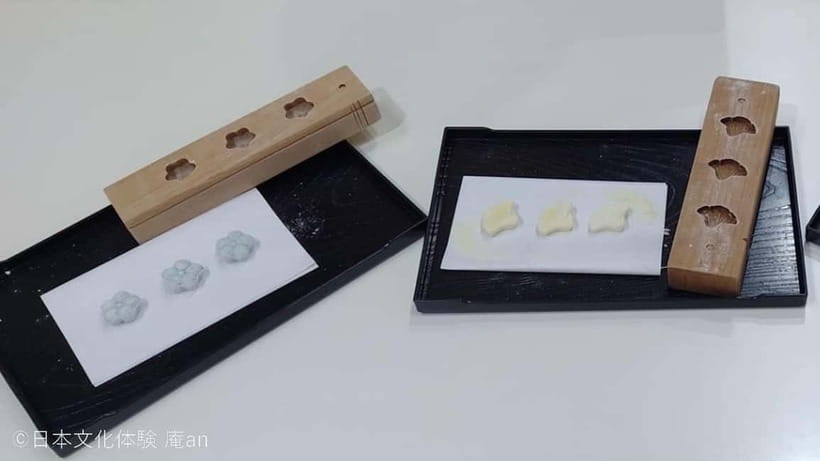
The mold is the heart of the activity. Rather than decorating a prepared sweet, you choose a shape and make your own Ohigashi. That small choice gives the session a personal touch and makes the finished sweets more meaningful than a packaged souvenir.
The provided details describe the molds as cute wooden molds. They do not explain the pressing technique in full, so the instructor will supply the hands-on directions. A Japanese instructor leads the session, and English translation will be provided as much as possible.
A recent participant specifically appreciated the friendly female instructor and her guidance. That is useful to know if you worry that the language difference will make the activity difficult. Still, the official language is Japanese, not English. If you need extra translation or have questions about the process, contact AN TOKYO before booking.
This is also a good activity for people who like simple crafts but do not want a demanding class. You are working with sugar rather than hot equipment or complicated tools. The main challenge is likely to be forming the sweet neatly and following the instructions at the right moment.
Because the experience does not include added color, your attention stays on shape and texture. That is a quieter, more traditional presentation. If you want bright colors for photographs, you can request the colorful option on the day for 200 JPY more.
Why fresh Wasanbon matters
Freshly made Ohigashi gives you a chance to notice the sugar at its best. The sweets are meant to melt in your mouth, and the activity points to a texture that is smooth and light rather than hard or chewy.
That freshness is a key reason to eat the sweets during the session. You are not simply making a keepsake to carry around Tokyo. You make the sweet, photograph it, and taste it while the experience is still in front of you.
The flavor may be subtle compared with strongly flavored Western candy. This is a useful expectation to set. Wasanbon is presented for its quality and mellow taste, not for a loud burst of fruit, chocolate, or spice.
I like this focus because it turns a simple snack into a short lesson in Japanese taste. You get to notice how the ingredient behaves and how the shape affects the experience. The activity works best if you are curious about traditional sweets rather than looking for a large dessert.
The eating portion is also brief. The scheduled program reaches its conclusion at 20 minutes, followed by eating and drinking time until the 30-minute departure. You should have enough time to enjoy what you made, but this is not a café visit with a long break afterward.
Standard Ohigashi or colorful sweets
The standard experience uses Ohigashi without added color. That keeps the basic price at $10 per person and gives the sweets a simple, traditional look.
For an additional 200 JPY, you can make colorful Ohigashi. You do not have to decide this when booking. The information says you can apply for the color option on the day, which gives you flexibility if you change your mind after seeing the molds and setup.
The color option is worth considering if you care about photographs or want a more playful result. It is also a small extra cost compared with the main activity. If your priority is tasting Wasanbon and learning the basic method, the standard version should be enough.
There is another optional extra: an experience completion certificate for 300 JPY. It is not included in the $10 price. This may suit families or anyone collecting small mementos, but it is not needed to enjoy the sweets themselves.




Is $10 good value for 30 minutes?
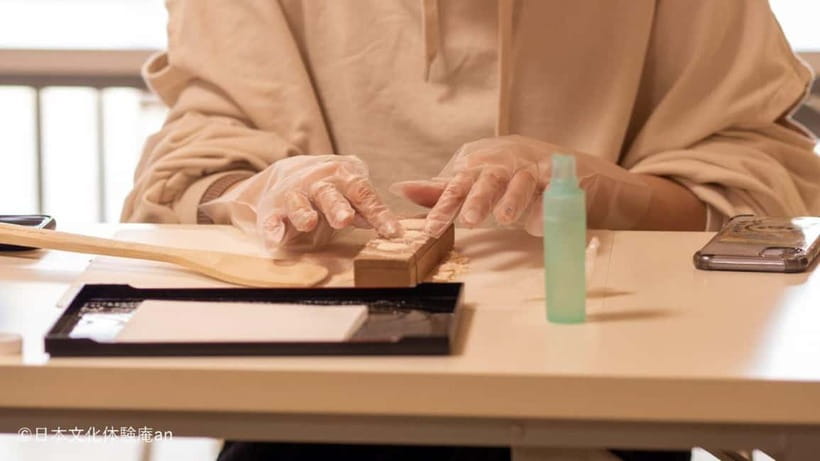
At $10 per person, the activity is priced as an easy add-on rather than a major paid attraction. You receive the Ohigashi-making experience, the use of a mold, instruction, picture time, and the chance to eat what you make.
The value is strongest for you if you want a short cultural activity in Tokyo. It costs little, takes half an hour, and gives you direct contact with a traditional Japanese ingredient. It can also break up a day of sightseeing with something calm and hands-on.
The value is less obvious if you measure activities by length or quantity. Thirty minutes is short, and you should not expect a large serving of sweets or a full confectionery course. The color option and certificate also raise the final cost slightly.
Still, the basic price is easy to justify for a first taste of Wasanbon. You are paying for access to a traditional method and ingredient, not just for a snack. I would see it as a small, well-priced cultural stop.
Who will enjoy this activity most?
This experience suits you if you like food traditions, small crafts, and activities with a clear beginning and end. It is also a practical choice for a short Tokyo schedule because the total duration is only 30 minutes.
Families can consider it as well. Children under two who sit on a parent’s lap are free, while children who participate need the appropriate booking. The information does not give a minimum age for active participation, so contact the venue if you are planning to bring an older child and want to confirm the setup.
Couples and friends may enjoy comparing the molds and finished shapes. Solo visitors can also take part easily because the activity does not depend on a large group or a shared performance.
You may want to choose another experience if you need full English instruction, a long workshop, or a large meal. English help is available as much as possible, but the listed language is Japanese. The short session also means there is little room for delays or repeated attempts.
Practical timing at the Honshu meeting point
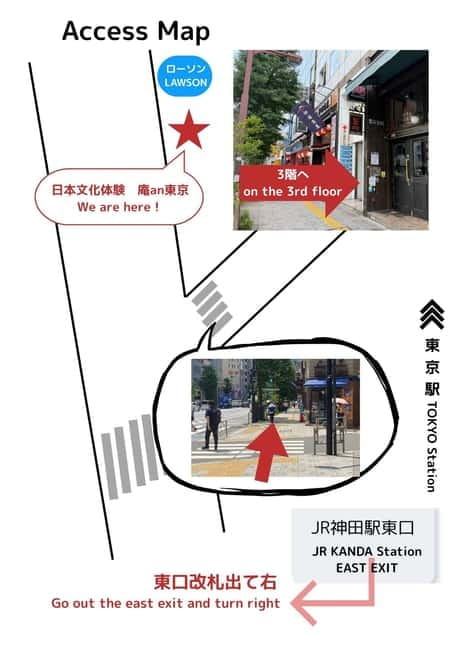
The meeting point is AN TOKYO Japanese Culture Experience, at coordinates 35.6916541, 139.7715022. Check the venue details carefully before leaving, since the activity will not be held while waiting for late arrivals.
The operating hours are 10:00 to 17:00. Reservations received after 17:00 are processed the next day. This is especially useful to know if you are booking at the end of a long sightseeing day.
Plan to arrive with enough time to find the venue and settle in. The provider says it cannot hold the event for delays, regardless of the reason. It also cannot compensate you for travel expenses if you cancel, so leave a sensible margin around the booking.
Only people taking part in the activity may enter. That means a friend or family member who is not participating should not assume they can sit in the room and watch.
Cancellation is free up to 24 hours in advance for a full refund. After that point, a cancellation fee applies, and changing the date or time after the fee has been incurred can bring another specified charge. Reserve and pay later is available, which helps if you want to keep your plans flexible without paying today.
Language and guidance
The experience is conducted in Japanese. English translation will be provided as much as possible, but it is not presented as a fully English-language class.
That does not automatically make the activity unsuitable for English speakers. The process is visual and hands-on, and the instructor demonstrates the main task. The friendly guidance described by a Danish participant is encouraging, especially for anyone who feels unsure about following instructions.
Still, you should contact AN TOKYO before booking if you want to add English translation or need specific language support. Do not wait until the session begins to explain an important communication need.
The activity is likely easiest for you if you are comfortable watching a demonstration, copying a simple process, and asking for help when needed. A little patience should go a long way, but the official information does not promise complete translation.
What you will take away
You leave with the memory of making a traditional Japanese sweet, photographs of your chosen shapes, and the taste of freshly made Wasanbon Ohigashi. You do not receive a standard completion certificate unless you pay the extra 300 JPY option.
The edible result is the main souvenir. Because you eat it during the session, this is not a workshop that produces a durable object. That is both a strength and a limitation. You avoid carrying another item through Japan, but you will need pictures if you want a lasting reminder.
The experience also gives you a better sense of Japanese sweets as design objects. The mold, shape, texture, and flavor all matter. In only half an hour, you get a compact introduction to those ideas without committing to a long class.
Should you book the Ohigashi experience?
Book it if you want a low-cost, hands-on activity that fits neatly into a Tokyo itinerary. The $10 price, 30-minute schedule, choice of wooden mold, and fresh Wasanbon tasting make it a sensible pick for food-minded visitors and families looking for something different from another sightseeing stop.
Go in with realistic expectations. This is a short Japanese-language activity, not a long confectionery lesson. The basic sweets are uncolored, English support is limited, and late arrivals cannot be accommodated.
I would choose the standard option first unless colorful sweets or a certificate matter to you. If you have a free half-hour near AN TOKYO and want to taste a traditional Japanese sugar in the form you helped make, this is an enjoyable and affordable choice.
FAQ
Where does the Ohigashi-making experience take place?
It takes place at AN TOKYO Japanese Culture Experience in Honshu, Japan. The listed coordinates are 35.6916541, 139.7715022.
How long does the activity last?
The full experience lasts 30 minutes. The making and picture portion ends at about 20 minutes, followed by eating and drinking time until the scheduled departure at 30 minutes.
How much does the experience cost?
The price is $10 per person. This includes the Ohigashi-making experience.
What is included in the booking?
Your booking includes a set experience of making Japanese dried-type sweets called Ohigashi. Eating and drinking time is included in the 30-minute program.
Can I make colorful Ohigashi?
Yes. The standard sweets are made without added color, but colorful Ohigashi can be requested on the day for an additional 200 JPY.
Is an experience completion certificate included?
No. A completion certificate costs an additional 300 JPY.
What language is used during the experience?
The instructor language is Japanese. English translation will be provided as much as possible, and you can contact the venue if you would like to request additional English support.
Can I cancel for a full refund?
You can cancel up to 24 hours in advance for a full refund. Cancellation fees apply after that time, and changes made after a fee has been incurred may carry a specified charge.
More Dessert Tours in Tokyo


More tours in Tokyo we've reviewed












Dessert Tours, compared.
 ★ 5.0Matcha Making Class in Tokyo with Authentic Japanese Sweets SetFrom $21
 ★ 4.9Tokyo: Matcha Making Experience with Mochi Sweets in AsakusaFrom $221 hour
 ★ 5.0Make Traditional Nerikiri Sweets & Matcha experience in ShibuyaFrom $60
 ★ 5.0Private Mochi Sweets Making class near Shibuya areaFrom $79
 ★ 5.0Sweets Making and Kimono Tea Ceremony at Tokyo MaikoyaFrom $112
 ★ 4.7Japanese Traditional Sweets making and Tea CeremonyFrom $181h 35m