Reviewed · PHOTOGRAPHY SESSIONS
Tokyo: Photography Masterclass – Private Photo Lesson
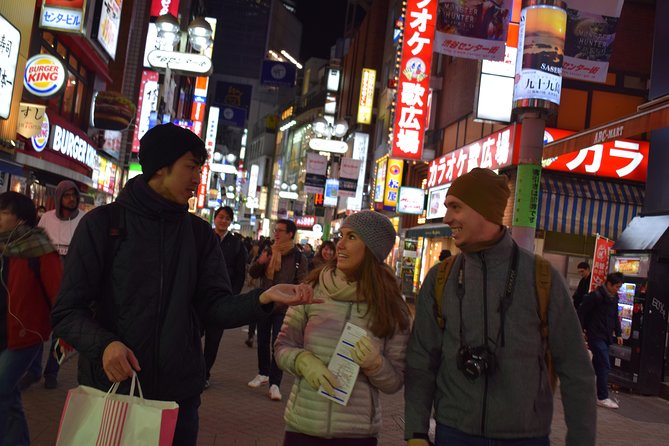
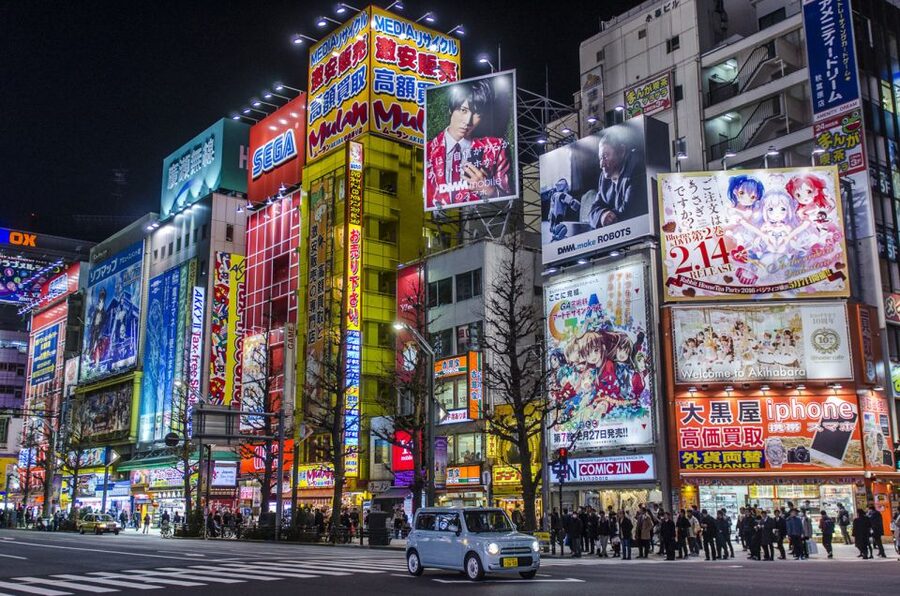
Tokyo is a superb place to learn street photography because the city gives you so much to work with in a small area. This private lesson begins at Hachiko Crossing, then moves through Shibuya’s back streets and toward Harajuku, where fashion, crowds, signs, and sharp changes in mood keep your camera busy. I like that the guide teaches you how to see and shoot, not simply leads you to a viewpoint.
In This Article
- Key points at a glance
- Starting at Hachiko, Tokyo’s best photography classroom
- Learning to read Hachiko Crossing
- Shibuya’s side streets and the value of local route planning
- Harajuku and the camera appeal of youth fashion
- Choosing between day and night photography
- What the technical lesson can cover
- Why a private tour can be worth $323
- The guides and the teaching style
- Who should book this Tokyo photo lesson
- Practical details before you reserve
- Should you book the Aperture Tours lesson?
- FAQ
- Where does the Tokyo photography lesson meet?
- How do I reach the Hachiko meeting point by train?
- How long does the photography lesson last?
- Is the tour private?
- Is the lesson available in English?
- Is a camera included?
- Can I rent a tripod?
- Is this a portrait photography session?
- Can I choose between a day and night tour?
- What is included in the price?
I also like the one-to-one format and the chance to shape the route around your interests. Guides such as Tim, Ivan, and Karl have helped photographers with camera settings, focal lengths, slow shutter work, and exact shooting positions. The main consideration is that this is not a portrait session. You need to bring your own camera, and three hours can feel short if you want both a full lesson and many locations.
Key points at a glance
- Start with coffee and camera basics: Use the opening conversation to explain your skill level, camera, and goals before the walk begins.
- Shoot Hachiko Crossing: Work on timing, composition, and anticipation at one of Tokyo’s best-known street scenes.
- Choose day or night: Daylight favors fashion and street detail, while the night option suits neon, reflections, and slower shutter speeds.
- Explore Shibuya and Harajuku: Move beyond the famous crossing into side streets and youth fashion areas.
- Get private instruction: The guide can spend time on your specific problems instead of following a fixed group pace.
- Bring your own equipment: A camera is not supplied, and a tripod is available to rent by request.
Starting at Hachiko, Tokyo’s best photography classroom
Meet at the Hachiko Memorial Statue outside Shibuya Station. The bronze Akita honors Hachiko, the famously loyal dog, and the statue is also a practical meeting point because the nearby crossing is one of Tokyo’s defining street scenes.
You can reach Shibuya on several lines, including the JR Yamanote, Saikyo, and Shonan-Shinjuku lines, as well as the Keio Inokashira Line and Tokyo Metro Ginza, Hanzomon, and Fukutoshin lines. Use the station’s Hachiko exit. Shibuya is a large station, so give yourself time to find the correct exit rather than arriving at the last minute.
The session starts with coffee. This is more useful than it may sound. You can explain if you are new to photography, comfortable with manual settings, or already working at a semi-professional level. You can also tell the instructor if you care most about night photography, people-free city scenes, landmarks, youth fashion, or technical camera control.
The guide then reviews technical material and checks that you have a good feel for your camera. That opening makes the lesson personal from the start. Instead of receiving generic advice, you can focus on the settings and habits that are most likely to improve your pictures during the next few hours.
Other private tours in Tokyo

Learning to read Hachiko Crossing
The famous crossing is not just a place to take a quick snapshot. It gives you a chance to practice timing, framing, and patience while people move in several directions at once.
A guide can help you decide what the picture is really about. You might frame the crossing as a broad city scene, focus on a single person against the crowd, or use the surrounding signs and buildings to create layers. The important lesson is learning to anticipate a useful moment instead of pressing the shutter at random.
This is also where technical advice can make an immediate difference. The right shutter speed affects whether moving pedestrians look frozen or blurred. Focal length changes how much of the crossing and surrounding architecture fits into the frame. One guide, Ivan, has been especially specific about the focal length needed for particular shots and when a slow shutter or time-lapse approach may suit the scene.
You should not expect the instructor to take pictures of you here. The purpose is to improve your own photographs of Tokyo. If you want a portrait session with posed images, this is the wrong activity.
Shibuya’s side streets and the value of local route planning
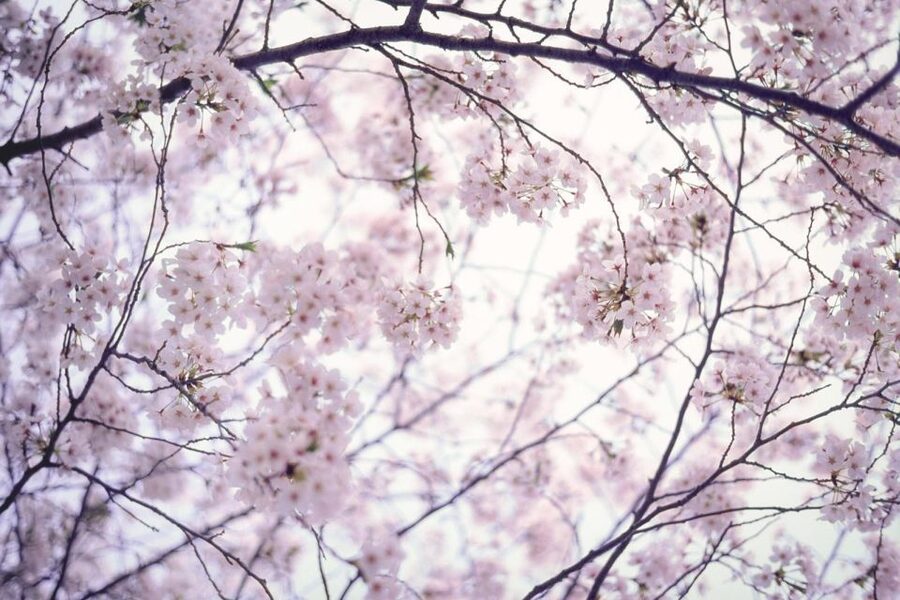
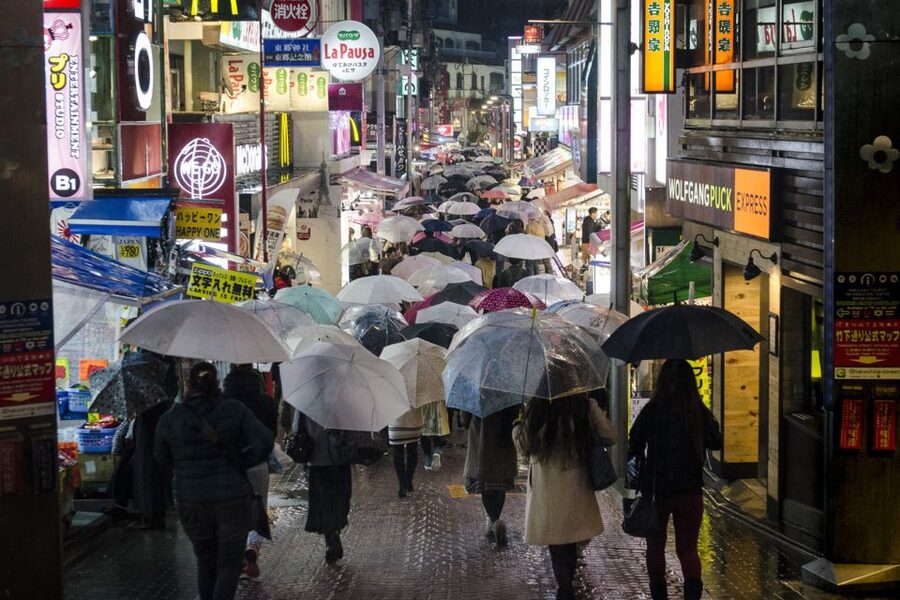
After the crossing, the walk continues into Shibuya’s back streets. This shift is important. The crossing is an obvious subject, but the smaller streets give you more room to work on observation and composition.
A private guide can adjust the route when a certain kind of scene catches your eye. You might spend longer on a sign, storefront, alley, passing group, or changing patch of light. You are not tied to the pace of a large group, and you do not have to leave a useful location just because the printed route says it is time to move.
That flexibility is one of the strongest reasons to choose this activity. The guide can also take you to less obvious spots, while still returning to a major subject if you want to spend time perfecting a photograph of Hachiko Crossing.
Ivan has been praised for planning locations down to the square foot. That detail matters in street photography. A few steps can change the lines in a frame, the direction of light, or the relationship between a person and a sign. Good location advice saves you from wandering aimlessly and gives you more time to shoot.
You should still keep your expectations realistic. The guide can point out good positions and explain technique, but you are responsible for making the picture. The more clearly you describe what you want to learn, the better the private format can work for you.
Harajuku and the camera appeal of youth fashion
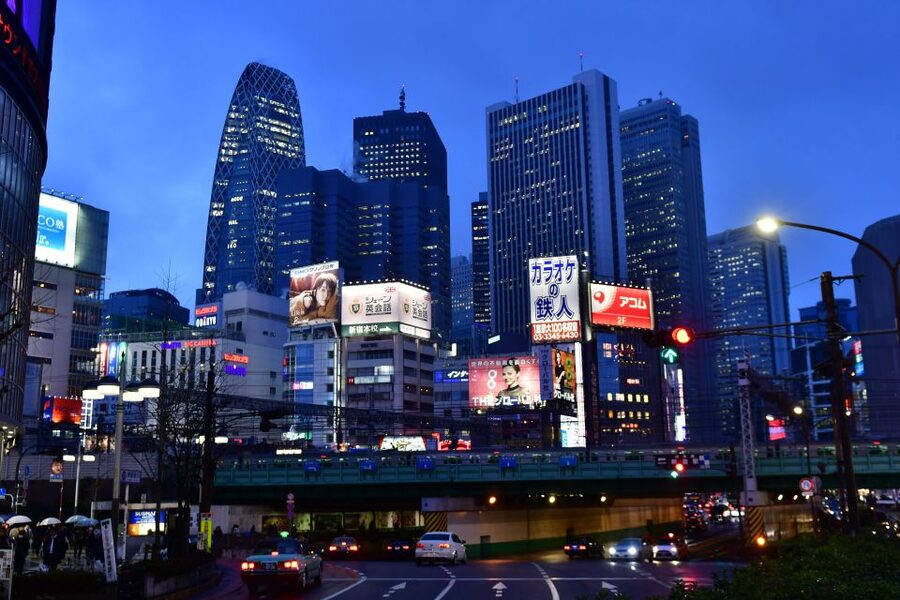
The route can continue toward Harajuku, an area known here for eclectic youth fashion. This gives the lesson a different visual subject from Shibuya’s crossing and city signs.
Fashion photography on a public street calls for care and good judgment. Your guide can help you notice color, shape, movement, and unusual combinations without turning the session into a formal portrait shoot. You are photographing Tokyo’s street life, not receiving a set of posed pictures.
Harajuku is especially useful if you want to improve your ability to spot a picture quickly. Clothing, accessories, storefronts, and groups of people can create strong contrasts, but the scene may change in seconds. The instructor’s role is to help you react with purpose, choose a suitable setting, and understand why one frame works better than another.
This part of the walk may appeal most to photographers who enjoy people and style. If architecture and quiet streets are your priority, say so during the coffee meeting. The itinerary is custom, so the guide can shape the time around your interests as far as the three-hour session allows.
Choosing between day and night photography
A three-hour day tour is the clearest choice if you want to study street scenes, landmarks, and fashion in ordinary light. You can concentrate on composition without making night exposure the main technical problem.
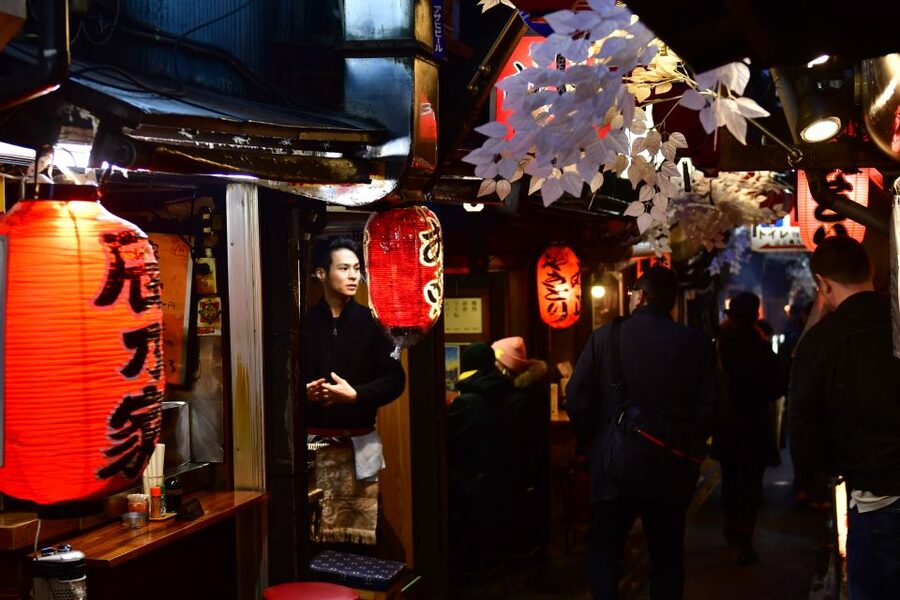
The three-hour night tour offers a different lesson. Tokyo’s signs, artificial light, and reflective surfaces create opportunities that do not appear in daylight. You may work on exposure, color, focus, and slow shutter techniques. Lindrel specifically found Tim’s night guidance useful for both finding strong locations and adjusting camera settings.
Night photography can be more demanding, especially if you are still learning how your camera behaves in low light. That is also why instruction is valuable. You can ask questions as the conditions change instead of trying to remember a long list of settings from a classroom.
A six-hour combined day and night tour is available if you want both styles. This is the fullest option, but it requires a larger block of your Tokyo schedule. It makes the most sense if photography is a central part of your trip and you want time to work on several subjects rather than collect a quick introduction.
The supplied details do not specify the exact start times for each option, so check availability when booking. The activity lasts three hours for the day or night version.
Other photography tours in Tokyo


What the technical lesson can cover
This is not just a sightseeing walk with a camera in your hand. The stated aim is to teach better photography and encourage your own development.
The technical focus can be adjusted to your level. If you are picking up a camera for the first time, the opening review can help you understand the controls before the streets become distracting. If you already shoot regularly, you can use the time to refine decisions about focal length, shutter speed, time-lapse work, or the treatment of a particular scene.
FRED’s session with Ivan shows the level of detail that may be available. Ivan helped identify the focal length suited to different shots, explained when special techniques could help, and anticipated how specific situations might unfold. He was also praised for clear communication and careful planning. That combination is useful because technical knowledge only helps when it is explained in a way you can apply immediately.
You should bring the camera you plan to use in Japan. The activity does not provide one. A tripod is not included either, though one can be rented by request. Ask about the tripod before the tour if you expect to work with long exposures or time-lapse techniques.
Why a private tour can be worth $323
The price is $323 for a group of up to two people. For one person, that is a significant cost for three hours. For two people traveling together, the per-person price is much easier to justify, especially if both of you want individual advice.
The main value is not transport or admission to sights. There is no special entry included. You are paying for a local English-speaking guide who also works as a personal photography instructor, plus a route that can be changed to match your goals.
That value is strongest if you have a clear learning target. Perhaps you want to understand manual exposure, improve night shots, photograph people without losing the city context, or make better use of one lens. A private teacher can spend time on your exact weakness.
The cost is harder to defend if you simply want a general Tokyo walk or a person to take your holiday pictures. The activity does not include a camera, tripod, or portrait photography. It is a lesson first, with sightseeing serving the lesson.
For two photographers, the format can work well because you can compare ideas while still receiving personal guidance. If one person is a beginner and the other is more advanced, tell the guide early so the session does not feel too basic or too technical for either of you.
The guides and the teaching style
The guide roster may vary, but several names appear in the experience information. Tim led a night session that included useful camera-setting advice and help locating strong places to shoot. Ivan has a reputation for precise location planning, focal-length suggestions, technical judgment, and clear communication. Karl is noted for matching the route closely to a client’s requested subjects.
This matters because a photography lesson depends heavily on the instructor’s ability to explain choices in the moment. A guide who simply knows where a good view exists is not enough. You need someone who can explain why the view works and how to set up your own camera for it.
The English-speaking format makes it easier to ask technical questions as you shoot. You can discuss composition, exposure, shutter speed, focal length, and the kind of photograph you are trying to make without relying on a translation app.
The lesson is private, but it is still a walking activity through busy parts of Tokyo. Wear comfortable shoes and keep your equipment manageable. That is practical advice rather than a special requirement, since the route includes a station area, crossings, streets, and different neighborhood settings.
Who should book this Tokyo photo lesson
I would point this activity toward four types of people:
- First-time camera owners who want hands-on help before photographing the rest of Japan.
- Enthusiastic hobby photographers who want better street scenes, night images, or city compositions.
- Couples or friends sharing a camera interest who can split the group price for up to two people.
- Semi-professional photographers who want a local eye on specific locations, focal lengths, and timing.
It is less suitable if you want a relaxed sightseeing tour with no technical discussion. It is also not the right pick if your main goal is a portrait shoot featuring you or your companions.
The activity works best when you arrive with a question. Ask yourself what you often get wrong. Do your night photographs look flat? Do crowded scenes feel messy? Do you struggle to choose a lens? Do you miss moments because you react too slowly? Those questions give the guide a useful starting point.
Practical details before you reserve
The meeting point is the Hachiko Memorial Statue at Shibuya Station. If you take a taxi, the provided Japanese wording asks for the area near Hachiko Crossing at Shibuya Station: 渋谷駅の近くのハチ公交差点までお願いします.
The tour is private and conducted in English. A local guide and professional personal photography instructor are included. Your camera is not included, so bring the equipment you want to learn to use. A tripod may be rented by request.
You can cancel up to 24 hours before the activity for a full refund. The reserve-now, pay-later option lets you hold the booking without paying immediately, which is useful while you are still arranging a Tokyo schedule.
The experience has a perfect five-star rating from seven listed ratings, with praise centered on guide skill, location planning, technical help, and responsiveness to personal requests. That is a small sample, so I would treat it as encouraging rather than proof that every session will suit every photographer.
Should you book the Aperture Tours lesson?
Book it if you want to come away from Tokyo with better photographs and a clearer understanding of your camera. The private format, custom route, and strong emphasis on exact shooting positions make it more useful than a standard sightseeing walk for anyone serious about improving.
Choose the night version if neon and low-light work interest you. Choose the day version if you want a gentler introduction to street scenes and fashion. Choose six hours only if photography deserves a large part of your itinerary.
Skip it if you want someone to photograph you, if you do not plan to bring a camera, or if you prefer sightseeing without instruction. At $323 for up to two people, it is a focused specialist activity, not a budget city tour. For the right photographer, though, the chance to work directly with a local instructor in Shibuya and Harajuku can make the price worthwhile.
FAQ
Where does the Tokyo photography lesson meet?
The meeting point is the Hachiko Memorial Statue in Shibuya.
How do I reach the Hachiko meeting point by train?
Exit Shibuya Station through the Hachiko exit. The station is served by JR East, Keio Corporation, Tokyo Metro, and Tokyu lines, including the Yamanote, Inokashira, Ginza, Hanzomon, Fukutoshin, Den-en-toshi, and Tokyu Toyoko lines.
How long does the photography lesson last?
The standard day or night lesson lasts three hours. A six-hour combined day and night option is also available.
Is the tour private?
Yes. It is a private group experience for up to two people.
Is the lesson available in English?
Yes. The live tour guide and photography instruction are provided in English.
Is a camera included?
No. You need to bring your own camera.
Can I rent a tripod?
Yes. A tripod is available to rent by request.
Is this a portrait photography session?
No. The activity teaches you how to photograph Tokyo with your camera. The guide will not take portrait photos of you.
Can I choose between a day and night tour?
Yes. You can choose a three-hour day tour, a three-hour night tour, or a six-hour combined day and night tour.
What is included in the price?
The price includes a local guide and a professional personal photography instructor. Camera rental and tripod rental are not included, though a tripod can be requested for rental.
More Workshops & Classes in Tokyo



More Photography Tours in Tokyo
More Private Tours in Tokyo
More tours in Tokyo we've reviewed












Photography Sessions, compared.
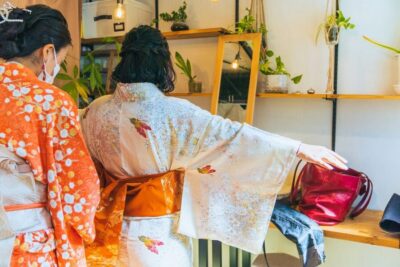 ★ 4.9Tokyo: Kimono Dressing, Walking, and Photography SessionFrom $67
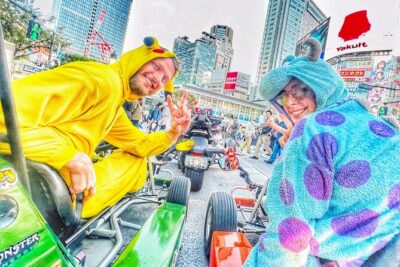 ★ 5.0Best Go Kart Experience in Shibuya Crossing with Iconic PhotosFrom $106
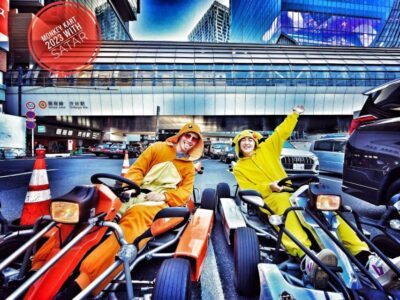 ★ 4.8Tokyo Go-Karting Experience: Shibuya Crossing with PhotosFrom $901 hour
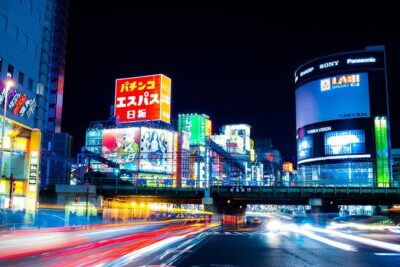 ★ 5.0Tokyo Cyberpunk Street Photo TourFrom $184
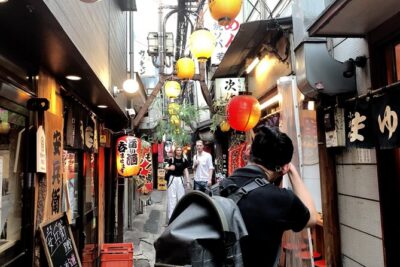 ★ 5.0Tokyo by Night Photography Tour (Private Option Available)From $105
 ★ 4.8Tokyo: Exclusive Access to Sumo Morning Practice with PhotosFrom $962 hours