Reviewed · TOKYO FOOD TOURS
Tokyo: Shibuya Food Tour, Neon Lights & Local Flavors
Shibuya is most entertaining after dark, when neon signs, packed streets, and quick Japanese snacks turn an ordinary walk into a full evening out. This small-group tour gives you a clear route through the district, from Hachiko and Shibuya Crossing to convenience-store favorites, onigiri, takoyaki or a Korean-style corndog, and Japanese sweets.
In This Article
- Key points at a glance
- Why this Shibuya food tour works
- Meeting Hachiko before the city starts moving
- Miyashita Park and Shibuya’s modern side
- Convenience-store food that locals actually recognize
- Street food in Center Gai
- Don Quijote, the useful chaos of Japanese shopping
- Onigiri, sponge cake, and smaller food stops
- Tokyu Hands and a quieter finish
- What the $119 price really covers
- Food restrictions, weather, and walking
- Who will enjoy this evening most
- Should you book it?
- FAQ
- Where does the Shibuya food tour begin?
- Where does the tour end?
- How early should I arrive?
- What languages are available?
- How many food tastings are included?
- What foods might I try?
- Are extra meals and drinks included?
- Can dietary restrictions be accommodated?
- Is the tour suitable for wheelchair users?
- Can I cancel for a refund?
I like the mix of famous sights and everyday food stops. I also like that the tour includes both English and Spanish guidance, with four tastings built into the $119 price. The main consideration is walking: the route is not suitable for wheelchair users, and the food included is limited to the listed tastings, not a full dinner.
Key points at a glance
- Hachiko and Shibuya Crossing: Begin beside Tokyo’s famous loyal-dog statue, then see the world-famous crossing at street level.
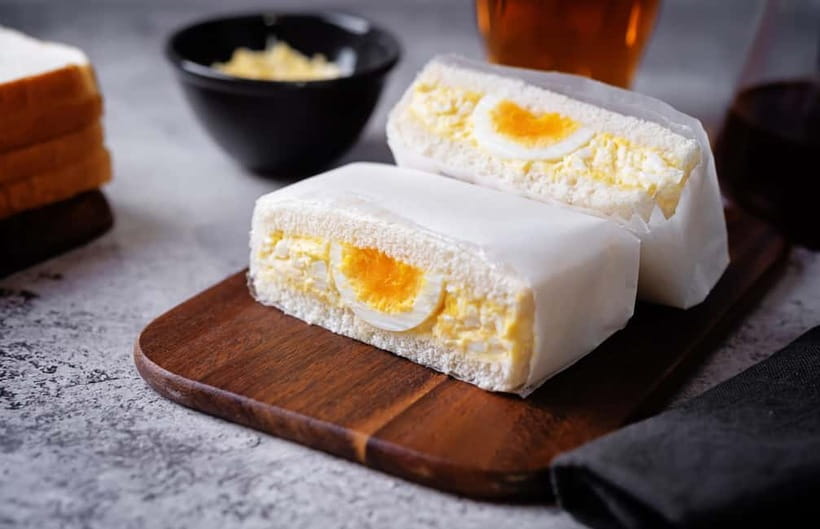
- Four Japanese food tastings: Expect favorites such as onigiri, an egg sandwich, fried chicken, sponge cake, takoyaki, or a Korean-style corndog.
- Small-group format: A bilingual English and Spanish guide leads the evening rather than leaving you to find each stop alone.
- Shibuya after dark: Miyashita Park, Center Gai, and the neon-lit side streets show the district at its most energetic.
- Shopping with a purpose: Don Quijote and Tokyu Hands offer snacks, souvenirs, stationery, Japanese design goods, and amusing oddities.
- Easy cancellation terms: You can cancel up to 24 hours ahead for a full refund, and reserve now while paying later.
Why this Shibuya food tour works
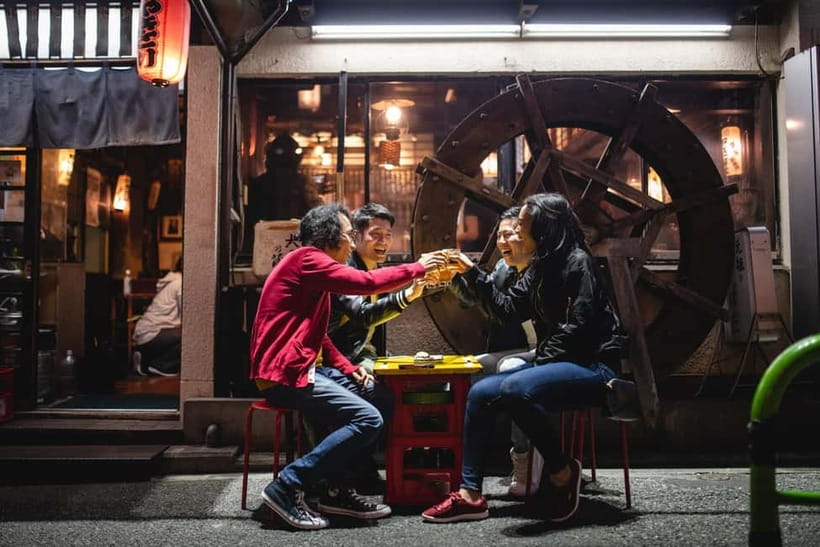
Shibuya can feel like a maze of giant screens, department stores, narrow alleys, restaurants, and shopping arcades. You can certainly explore it alone, but a first visit often becomes a long search for food rather than a well-shaped evening.
This tour gives you that shape. You meet at Hachiko Square, walk through several of Shibuya’s best-known areas, stop for small bites, and return to the same meeting point. That makes it useful early in a Tokyo visit, when you want an introduction before returning later on your own.
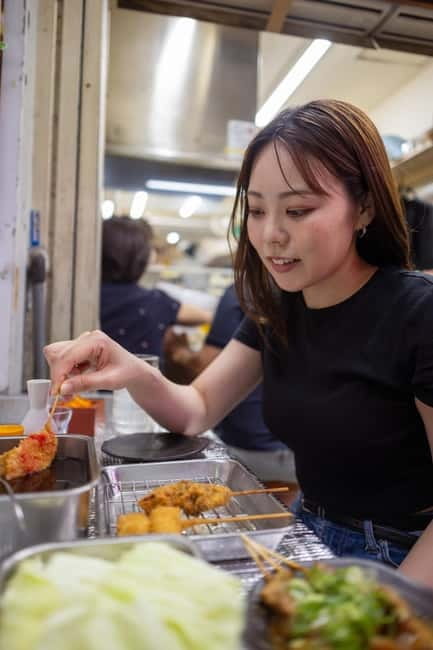
The food is not presented as a formal restaurant meal. Instead, you sample familiar Japanese convenience-store items and popular street foods. That is part of the appeal. Onigiri, egg sandwiches, fried chicken, sponge cake, and takoyaki show you the casual side of Tokyo eating, where good food may come from a small stand, a convenience store, or a shop packed with colorful packaging.
At $119 per person, the price is not cheap for four tastings and a walking tour. You are paying for the guide, route planning, bilingual support, a small group, and access to several food stops in one evening. The value improves if you want help navigating Shibuya and prefer a planned introduction instead of choosing every stop yourself.
A few more Tokyo tours and experiences worth a look
Meeting Hachiko before the city starts moving
The tour begins at Hachiko Square beside the Hachiko statue. Arrive at least 10 minutes early, since this is one of the busiest meeting areas in Tokyo and the guide will be waiting with an Amigo Tours sign.
Hachiko’s story gives the meeting point more meaning than a simple photo stop. The dog became known for returning to the station to wait for his owner, even after the owner had died. Today, the statue is one of Tokyo’s best-known meeting places, and it gives you an easy landmark in a part of the city filled with signs and crowds.
From there, you head toward Shibuya Crossing. The crossing is famous because traffic stops in several directions and pedestrians fill the intersection at once. Your guide can help you take in the scene without treating it as the whole point of the evening.
That matters. Shibuya Crossing is worth seeing, but it is only a few minutes of an area that offers far more than a dramatic photograph. The tour uses the crossing as a starting point for local snacks, shopping, and side streets.
Miyashita Park and Shibuya’s modern side
Miyashita Park brings a different mood. This redesigned urban park includes stylish shops, restaurants, and a rooftop park above the city streets. It shows how Shibuya combines public space, retail, food, and modern architecture in a compact area.
The rooftop setting offers unusual views of the district. Do not expect a quiet garden or a traditional Japanese park. This is a polished city space, and its value comes from seeing how Tokyo makes room for recreation in the middle of a dense commercial district.
The stop also helps break up the food walking. You are not simply moving from one shop to the next. You get a chance to look around, take photographs, and see a more contemporary side of Shibuya before returning to its crowded streets.
Convenience-store food that locals actually recognize
Near Shibuya Crossing, the tour visits a Japanese konbini, or convenience store. This is one of the most useful parts of the route for first-time visitors because Japanese convenience stores are far better for food than their basic image suggests.
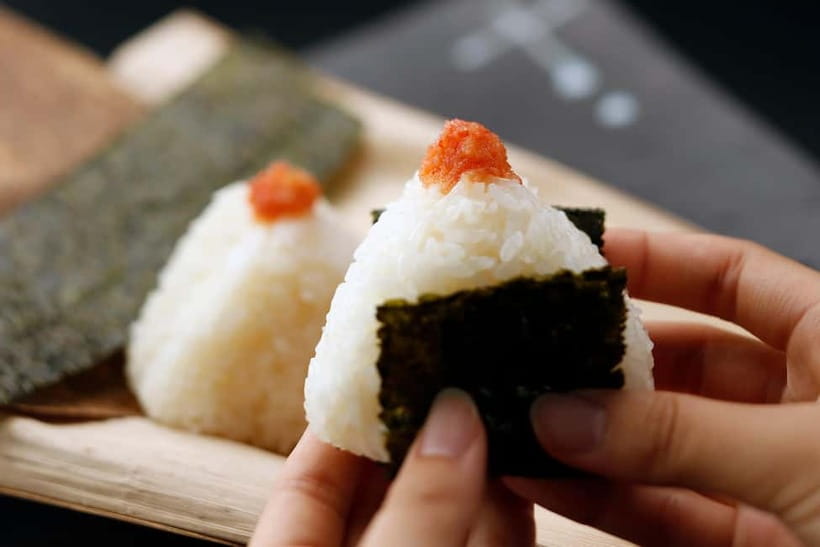
You may try a classic egg sandwich, onigiri, or crispy fried chicken. The egg sandwich is soft and simple, with a filling that has become a favorite quick meal in Japan. Onigiri is rice shaped around a filling and wrapped in seaweed, making it easy to carry and eat.
This stop gives you food context you can use for the rest of your trip. Once you know what onigiri looks like and how it is packaged, you can buy one for a train ride, a picnic, or a late-night snack. The same goes for convenience-store fried chicken, which is a practical option when you need something hot and fast.
The included tastings cover four iconic Tokyo dishes, so not every item mentioned along the route should be assumed to be included in full portions. If you want a larger dinner, budget for extra food and drinks.
Street food in Center Gai
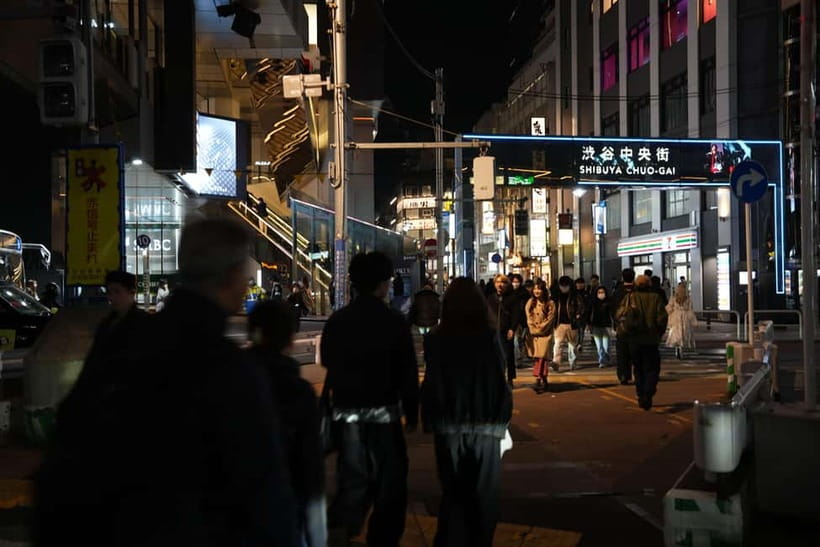
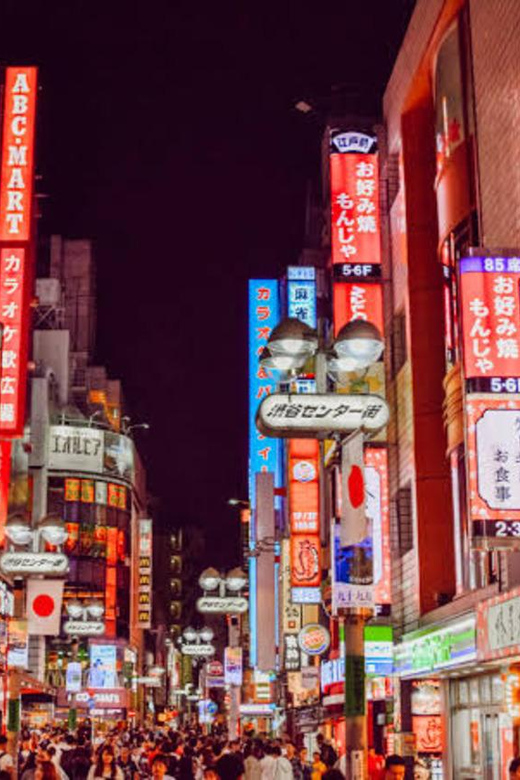
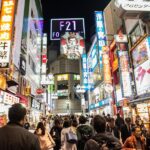
The next section takes you into Center Gai, one of Shibuya’s busiest shopping and nightlife streets. This is where the district feels loud, crowded, and young, with bright signs above restaurants, shops, and entertainment venues.
Food choices here may include a Korean-style corndog or takoyaki. Takoyaki are small, hot batter balls traditionally filled with octopus and topped with sauces and other seasonings. They are best treated as a snack rather than a sit-down meal, and you should take care with the heat.
The Korean-style corndog adds another layer to the food story. Shibuya’s casual food scene is not limited to old-fashioned Japanese dishes. It also reflects the city’s appetite for new snack styles and international influences.
You will also have a chance to pick up a 10-yen coin as a keepsake. This is a small detail, but it gives the route a playful souvenir element. Ask the guide what makes the coin meaningful before you leave it in a pocket and forget about it.
A few more Tokyo tours and experiences worth a look
Don Quijote, the useful chaos of Japanese shopping
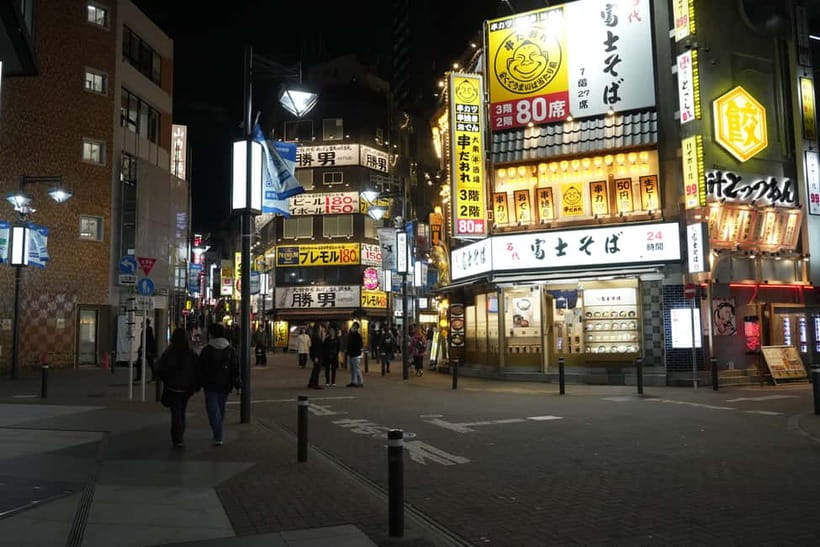
Don Quijote is a stop for anyone who likes browsing. The discount store is packed with snacks, souvenirs, cosmetics, household goods, novelty items, and products that seem to have no obvious connection to one another.
The store can be overwhelming on your own. Shelves are dense, signs compete for attention, and it is easy to spend an hour looking at things you never planned to buy. That is also the fun. The tour gives you a reason to enter and a guide who can help explain what you are seeing.
This is a good place to buy edible souvenirs. Japanese snacks are often compact, colorful, and easy to pack. You may also find quirky gifts that feel more connected to daily Japanese shopping than a standard airport souvenir.
Keep personal spending in mind. Purchases at Don Quijote are not part of the tour price, and the store is designed to encourage impulse buying.
Onigiri, sponge cake, and smaller food stops
After Don Quijote, the route includes a hidden onigiri stand. This is one of the more appealing food stops because it moves away from the huge retail stores and back toward a smaller, focused food business.
The onigiri itself is simple, but it is a central part of casual Japanese eating. You may find different fillings and styles, though the exact selection is not specified. The key value is learning how this everyday food fits into Tokyo life, not just checking another item off a list.
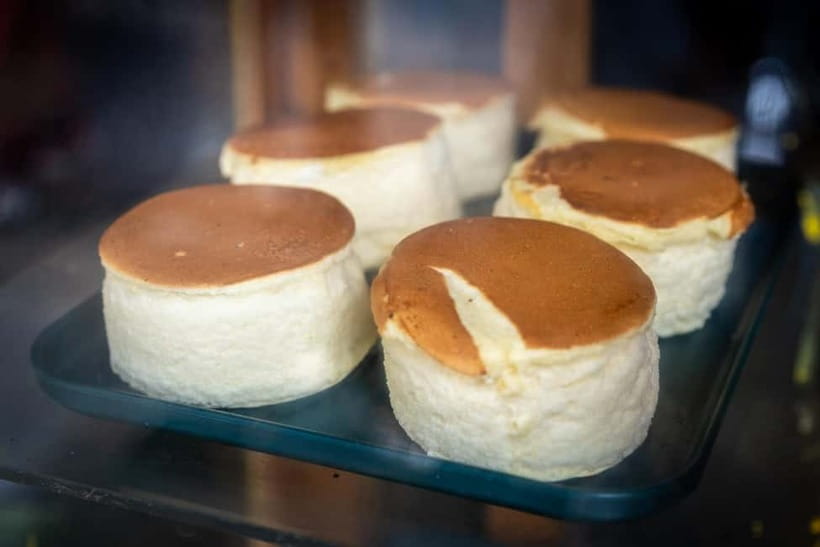
Japanese sponge cake provides a sweeter contrast. It is known for a soft, airy texture rather than the heavy icing found on many Western cakes. A small piece can be enough after several savory snacks, especially if you plan to continue eating later.
Because this is a nighttime walking tour, the tasting order may be more useful than a large meal. You can sample several foods without committing to one restaurant. Still, I would eat lightly beforehand or plan a proper dinner afterward if you have a large appetite.
Tokyu Hands and a quieter finish
Tokyu Hands is the final major shopping stop. It is known for Japanese design goods, stationery, creative supplies, household products, and clever items that are hard to categorize.
Compared with Don Quijote, Tokyu Hands feels more focused on making, designing, organizing, and gifting. It is a strong stop for stationery fans and anyone looking for a souvenir that is useful rather than purely decorative.
The tour then includes a break at a cozy café. This gives you time to sit down, talk with the guide, and think back over the evening. The available information does not specify that a café drink is included, so check what is covered before ordering.
Ending back at Hachiko Square is practical. You are not left in an unfamiliar neighborhood after dark, and you can use the station to continue elsewhere in Tokyo. The tour does not include transportation between stops, so comfortable walking shoes are essential.
What the $119 price really covers
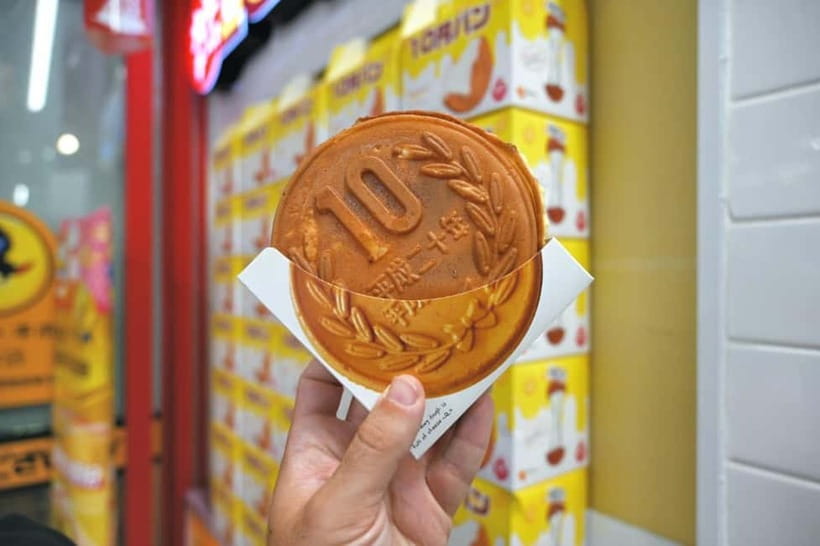
The $119 fee includes an English and Spanish bilingual guide, a small-group walking experience, and four food tastings. It does not include additional meals, drinks, or personal purchases.
I would compare this price with the cost of convenience. You could visit Hachiko, Shibuya Crossing, Miyashita Park, Don Quijote, and Tokyu Hands without a guide. You could also buy onigiri, fried chicken, takoyaki, sponge cake, and other snacks yourself.
What you cannot easily recreate is the prepared sequence. The tour connects major sights with specific food stops, keeps the evening moving, and gives you help in English or Spanish. That is useful if Shibuya is your first Tokyo neighborhood or if you want food suggestions without spending time researching them.
The price is harder to justify if you already know Shibuya well, speak Japanese, or prefer long meals at one restaurant. It also may not suit you if you want a quiet evening, since Center Gai and the main shopping areas are busy and noisy.
The small-group format is a plus, but the exact group size is not provided. You should expect walking through crowded public areas rather than a private tour.
Food restrictions, weather, and walking
Dietary restrictions can be accommodated with prior notice. Tell the operator before the tour rather than hoping a suitable option will appear at each stop. The food includes items with different ingredients, so early communication matters.
The tour operates in all weather. Tokyo rain can make a long city walk uncomfortable, and the route includes outdoor streets between indoor stops. Bring clothing suited to the forecast and shoes with good support.
Pets are not allowed, and the activity is not suitable for wheelchair users. Those are firm practical limits. If you have mobility concerns, ask the operator directly before booking, since the route involves walking through crowded areas and does not list wheelchair access.
A camera is worth bringing. Hachiko, the crossing, rooftop Miyashita Park, the neon streets, Don Quijote displays, and the food itself all offer easy photo subjects. Keep your phone or camera secure in crowded areas.
Who will enjoy this evening most
I would recommend this tour to first-time visitors who want a fast, guided introduction to Shibuya. It works especially well for people who like to sample many small foods, shop for unusual souvenirs, and see the district at night.
It also suits couples, friends, and families with older children who can manage a fair amount of walking. The food is casual, the route is varied, and the shopping stops add interest for people who are not focused only on eating.
Spanish-speaking visitors have a clear advantage here because the guide can lead in Spanish as well as English. Food-focused visitors will appreciate the chance to try several everyday favorites, though this is not a gourmet restaurant tour.
I would hesitate if you need a sit-down dinner, dislike crowds, use a wheelchair, or want a slow cultural walk with long explanations at each sight. The tour is active, commercial, and street-level. That is exactly why it works for some people and not for others.
Should you book it?
Book this Shibuya tour if you want a planned night of food, shopping, and famous city sights without having to assemble the route yourself. The strongest reasons are the four included tastings, bilingual guidance, and the useful mix of Hachiko, Shibuya Crossing, Miyashita Park, Center Gai, Don Quijote, and Tokyu Hands.
Skip it if you would rather choose your own restaurants or spend $119 on a full meal. If you do book, wear comfortable shoes, arrive 10 minutes early at Hachiko Square, notify the operator about dietary needs, and leave room in your budget for extra food and souvenirs.
The tour earns its price when you value orientation and variety. It gives you a lively first look at Shibuya, plus a few foods you can seek out again during the rest of your Tokyo stay.
FAQ
Where does the Shibuya food tour begin?
The tour begins at Hachiko Square next to the Hachiko Statue. The guide will be holding an Amigo Tours sign.
Where does the tour end?
The activity ends back at the original meeting point near Hachiko Square.
How early should I arrive?
Arrive at least 10 minutes before the departure time for check-in.
What languages are available?
The tour is offered with an English and Spanish bilingual guide.
How many food tastings are included?
Four iconic Tokyo food tastings are included in the tour price.
What foods might I try?
The route includes foods such as onigiri, a classic egg sandwich, crispy fried chicken, Japanese sponge cake, takoyaki, and a Korean-style corndog. The included tastings are limited to four dishes.
Are extra meals and drinks included?
No. Additional meals and drinks that are not mentioned in the tour are not included.
Can dietary restrictions be accommodated?
Yes, dietary restrictions can be accommodated with prior notice.
Is the tour suitable for wheelchair users?
No. The activity is listed as not suitable for wheelchair users.
Can I cancel for a refund?
Yes. You can cancel up to 24 hours in advance for a full refund.
More Food Experiences in Tokyo
More Tokyo Food Tours in Tokyo
More Shibuya Tours in Tokyo
More tours in Tokyo we've reviewed












Tokyo Food Tours, compared.
 ★ 5.0Tokyo: Shinjuku Food Tour (13 Dishes at 4 Local Eateries)From $86
 ★ 4.9Tokyo: Shinjuku Food Tour (13 Dishes and 4 Eateries)From $97
 ★ 5.0Tokyo Night Foodie Tour in Shinjuku – Seasonal Sushi, Wagyu BeefFrom $111
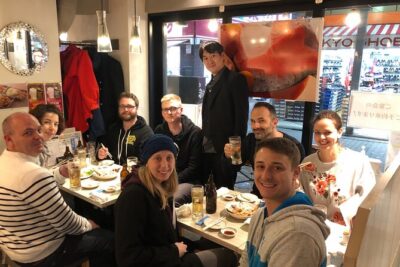 ★ 5.0Eat and Drink Like a Local: Tokyo Ueno Food Tour-Taverns&RamenFrom $95
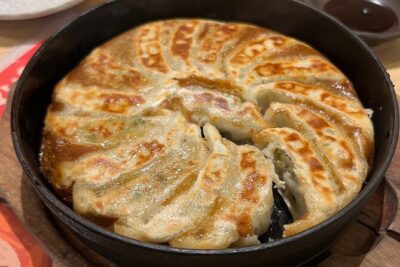 ★ 5.0Tokyo: Shibuya Food Tour (13 dishes and 4 Eateries)From $77
Tokyo: Shinjuku Food Tour – 15 Dishes, 3 Drinks, 4 EateriesFrom $723 hours
★ 5.0Tokyo: Shibuya Food Tour (13 dishes and 4 Eateries)From $77
Tokyo: Shinjuku Food Tour – 15 Dishes, 3 Drinks, 4 EateriesFrom $723 hours